Table of Contents >> Show >> Hide
- Why The Thing Was Already a Weird Beast in 1982
- The TV Edit: When a Nightmare Got a Narrator
- How the Bizarro Version Changes the Movie’s Personality
- John Carpenter Wasn’t Exactly Sending It a Thank-You Card
- Why the Alternate TV Ending Feels So WrongEven When It’s Fascinating
- The Real Value of the Bizarro Edit
- Why Most Viewers Never Saw Itand Why Film Fans Still Talk About It
- Experience Section: What It Feels Like to Encounter the Bizarro Edit
- Conclusion
- SEO Tags
Some movies get director’s cuts. Some get extended cuts. Some get “we found an old workprint in a vault and now film nerds are crying in 4K” cuts. And then there’s The Thinga movie so paranoid, icy, and perfectly nasty in its original form that television somehow decided it needed a cozy makeover. Not a full makeover, exactly. More like a baffling haircut, a borrowed jacket, and a stranger narrating your life choices.
John Carpenter’s 1982 classic has long since graduated from misunderstood box-office bruiser to horror royalty. It is now praised for its atmosphere, its practical effects, its tension, and that famously queasy question hanging over every scene: who’s still human? But tucked away in its strange afterlife is a version many viewers never sawthe oddball TV edit, a mutant broadcast variation that didn’t just trim content for network standards. It fundamentally changed the experience.
This is the story of that bizarro edit: the one with narration, a less mysterious final sting, and a tone that feels like someone tried to turn a freezing nightmare into a suspiciously polite campfire story. If the theatrical version of The Thing is an exercise in dread, the TV version is what happens when dread gets a committee.
Why The Thing Was Already a Weird Beast in 1982
Before we get to the television oddity, it helps to remember just how sharp-edged Carpenter’s original movie was. Released in 1982, The Thing landed in a season crowded with now-legendary titles, including E.T. and Blade Runner. That timing mattered. While one alien was busy winning hearts, Carpenter’s alien was busy turning trust into a punchline and group survival into a very bad math problem.
Critics at the time were not exactly throwing snowflakes in celebration. Some early reviews dismissed the film as excessive, too focused on effects, too bleak, and too grim to embrace. Roger Ebert’s original review is now famous as part of that chilly reception. But time did what time occasionally does best: it made the movie look smarter, meaner, and more essential. Today, The Thing is widely treated as one of the great horror films, not despite its paranoia, but because of it.
The genius of the movie is not just the creature effects or the Antarctic isolation. It is the way the story weaponizes uncertainty. The monster can imitate any living being, which means the real horror is not just what you see. It is what you can’t prove. That makes the film play like a pressure cooker of suspicion, with every glance, pause, and accusation doing nearly as much work as the jump scares.
In other words, this was never a movie built for hand-holding. It was built to make you squint at everyone in the room. Which makes what happened next even stranger.
The TV Edit: When a Nightmare Got a Narrator
In 1986, CBS aired a broadcast version of The Thing that did more than shave off material for television standards. Yes, the violent body-horror moments were reduced. That part was expected. Network TV in the 1980s was not exactly famous for saying, “Sure, let the nightmare fuel roll.” But the weirdest change was not censorship. It was narration.
That’s right. The TV version added a voice-over that introduces characters and supplies background information the theatrical film never wanted, needed, or politely requested. Instead of dropping viewers into a cold, suspicious world and letting tension do the heavy lifting, this edit periodically stops to explain who people are, where they came from, and what they’re doing.
It is the cinematic equivalent of someone leaning over during a magic trick and whispering, “Just so you know, that guy in the cape is the magician.”
In the theatrical cut, the men at Outpost 31 feel like working professionals trapped in a nightmare. In the television cut, they sometimes feel like contestants being introduced before a game show in Antarctica. The mystery shrinks because the movie suddenly keeps talking when it should be staring.
And staring is what Carpenter’s film does best. It trusts silence. It trusts atmosphere. It trusts the audience to notice that the room has gotten colder without a disembodied voice explaining the thermostat. The TV edit breaks that trust. It makes a movie about uncertainty feel weirdly overexplained.
How the Bizarro Version Changes the Movie’s Personality
Calling the TV cut “edited” almost feels too gentle. It is more accurate to say the movie’s personality gets rewritten.
1. It turns dread into exposition
The theatrical The Thing works because it refuses to comfort you. The added narration does the opposite. It tries to guide, clarify, and smooth the experience. That may sound harmless, but it collides with the whole design of the film. A story built on mistrust becomes less unnerving the moment an all-knowing voice starts acting like your substitute teacher.
2. It trims the practical-effects shockwave
The original film became legendary in part because Rob Bottin’s practical effects made the impossible feel revoltingly physical. The network version cuts and dodges around many of those moments, which means the movie loses part of its historic impact. The creature remains disturbing as an idea, but the experience is blunted. It is hard for a film famous for making audiences recoil to feel the same when the edit keeps politely looking away.
3. It changes the rhythm
Carpenter’s theatrical cut builds tension with patience. The TV version, by necessity and by questionable creative choice, moves differently. It is shorter, more choppy, more eager to hustle along. That urgency doesn’t create suspense; it often drains it. The original film knows that paranoia needs time to marinate. The broadcast cut serves it like instant coffee.
4. It messes with the ending
Perhaps the biggest sin of the bizarro edit is what it does to the finale. The theatrical ending of The Thing is one of horror cinema’s great ambiguous closers. MacReady and Childs sit amid the ruins, not knowing whether either can be trusted, and the movie refuses to settle the argument for you. It ends not with certainty, but with suspicion.
The TV cut undercuts that beautifully awful uncertainty by adding a more explicit final note involving the possibility that the Thing survives and escapes in dog form. It is a more conventional sting, the kind of “watch out, evil may still be out there” button that feels imported from a different movie. Not a terrible idea in a vacuum, perhaps, but wildly different from the theatrical ending’s frostbitten shrug into oblivion.
John Carpenter Wasn’t Exactly Sending It a Thank-You Card
Carpenter himself has spoken dismissively about this television version, and not in the soft, diplomatic way artists sometimes use when trying not to set bridges on fire. He has described the narrated TV cut as stunningly bad. Which, frankly, is the sort of review that deserves to be framed.
His reaction makes sense. The theatrical ending was not an accident. Carpenter had already pushed back against demands for something tidier or more reassuring. Alternate endings were filmed during production, including one in which MacReady is rescued and shown to be human after a blood test. That version would have provided clarity. It also would have weakened the film’s whole moral and emotional design.
The final release cut kept the ambiguity. That choice is a huge part of why the film lasted. You do not finish The Thing feeling resolved; you finish it feeling contaminated by doubt. The TV edit, by contrast, seems unable to resist explaining itself. It is the version of the movie that raises its hand and says, “Actually, let me walk you through it.”
No one asked it to do that. Least of all the director.
Why the Alternate TV Ending Feels So WrongEven When It’s Fascinating
To be fair, the television ending is not boring. If anything, that is part of its strange appeal. For fans, it is an odd collectible artifact: a glimpse at how studios and networks once tried to “translate” difficult movies for mass broadcast. It shows the instincts of an era that worried ambiguity might make viewers restless and that a little spoon-feeding might help everyone settle down.
But The Thing is not a movie that should let you settle down. The original ending does something rare and brilliant: it leaves the central infection question open while still feeling emotionally complete. The story doesn’t need a final wink that the monster may have survived. In a sense, it already has. The paranoia survived. That’s the point.
The television tag swaps existential unease for pulp warning. It is less “sit with this awful uncertainty” and more “stay tuned after these messages for continued dread.” That tonal shift matters. One version leaves you haunted. The other leaves you nudged.
The Real Value of the Bizarro Edit
So is the TV version worthless? Not at all. It is weird, compromised, and artistically inferior to the theatrical cutbut it is also genuinely interesting.
For one thing, it reveals how much of The Thing’s power lies not just in plot, but in presentation. Add a narrator, trim the most startling imagery, change the final emphasis, and suddenly the same story feels like a different species. That is a reminder that editing is not cosmetic. Editing is interpretation.
The bizarro cut also belongs to a fascinating tradition of television movie edits that became accidental alternate universes. Some films were expanded for TV with extra scenes. Others were softened, dubbed, or restructured. But The Thing stands out because the added narration and altered ending do not merely censor the movie. They reinterpret its soul.
It becomes a case study in what happens when a work built on mood and uncertainty gets remodeled by people who apparently feared silence like it owed them money.
There is also something oddly charming about the existence of this cut now that the theatrical version is so firmly canonized. Fans can examine it as a curiosity, a mutation in the lineage. It is not the definitive The Thing. It is the alternate-universe cousin who shows up at Thanksgiving overdressed and with too much backstory.
Why Most Viewers Never Saw Itand Why Film Fans Still Talk About It
For many casual viewers, this version simply never crossed their path. They met The Thing through home video, cable replays, Blu-ray restorations, streaming, or repertory screenings that honored Carpenter’s original composition and tone. The TV edit lived more like a rumor, then a cult curiosity, then a trivia nugget, and finally an object of fascination for genre die-hards who love alternate versions the way archaeologists love weird fossils.
That fascination has only grown because the theatrical film’s reputation has improved so dramatically. Once a movie becomes sacred to fans, every stray draft, deleted ending, and network reconfiguration becomes irresistible. People do not just want the masterpiece. They want the shadows around the masterpiece.
And the TV cut of The Thing is one big shadow: familiar, distorted, and slightly hilarious in places where the original is merciless. You can watch it and learn two things at once. First, why the theatrical cut endures. Second, how fragile atmosphere really is.
Experience Section: What It Feels Like to Encounter the Bizarro Edit
Watching the bizarro edit of The Thing is a little like walking into your childhood home and finding that someone has rearranged all the furniture, replaced the lighting, and installed an aggressively helpful tour guide. Everything is recognizable. Nothing feels right.
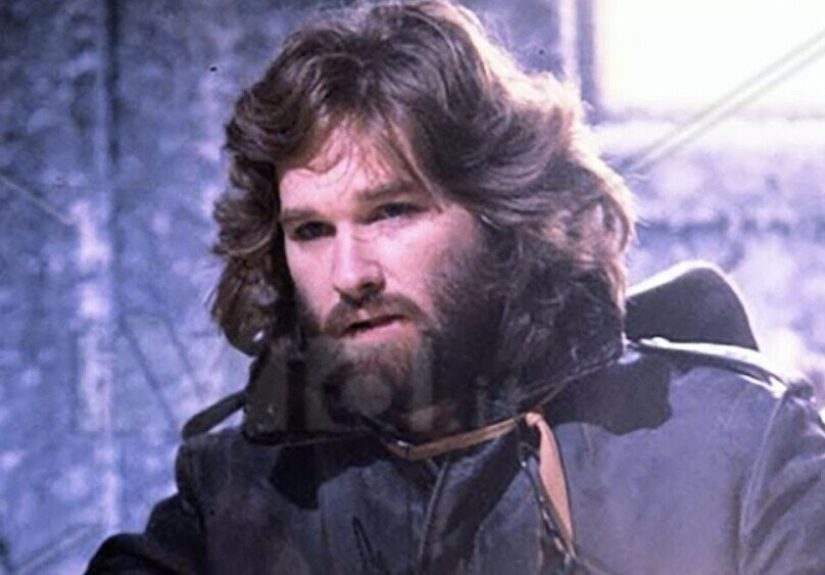
For viewers who first discovered the movie through television, that experience can be especially strange in hindsight. You may remember the title, the snow, Kurt Russell’s beard, the suspicious glances, the flamethrower, and the dog. But when you later watch the theatrical version, the movie suddenly seems larger, harsher, and quieter than memory suggested. It is like realizing you did not actually meet the real The Thing first. You met its oddly well-spoken stand-in.
There is a specific kind of whiplash that comes with that discovery. In the TV version, the narration keeps trying to orient you, as if the film were worried you might wander off and miss the plot. In the theatrical version, being a little lost is the plot. That difference changes the emotional temperature. One version says, “Come with me, I’ll explain.” The other says, “Good luck, trust no one.”
That is why the broadcast cut often produces a mixture of amusement and disbelief among modern viewers. You can almost feel the corporate logic behind it. Somebody, somewhere, decided that America needed more context, less nightmare, and a final note that played more like a warning label than an existential question. It is such a specific kind of overcorrection that it becomes weirdly endearing. Not good, mind you. But fascinating in the same way an ugly sweater can still become the star of the party.
There is also the late-night-TV nostalgia factor. Even heavily altered network cuts carry a certain ghostly charm for movie fans of a certain era. They recall channel surfing, commercials arriving at the worst possible moment, and the slightly forbidden thrill of stumbling across something that felt too intense to be on regular television at all. The bizarro edit of The Thing taps into that memory. It feels like evidence from a time when television would invite a dangerous movie into the house, then quickly throw a blanket over half of it.
And for longtime fans, encountering this version can create a new appreciation for just how carefully Carpenter calibrated the original. When you see what happens after the atmosphere is thinned out, when the ending is nudged toward explanation, and when the silences are interrupted by voice-over, you realize that the theatrical cut’s power is not accidental. It is precise. It is controlled. It is designed to make you sit in uncertainty until uncertainty starts staring back.
That may be the weird gift of the bizarro edit. It reminds you that a great film is not only its script or its cast or its creature. It is also timing, omission, rhythm, and nerve. Strip away enough of that, and you still have the outline of The Thing, but not quite the same infection. You do not leave feeling frozen by paranoia. You leave feeling like you saw a fascinating impostor. Which, now that we think about it, is a very Thing experience after all.
Conclusion
The bizarro edit of The Thing is not the version that built the movie’s legend. It is the version that accidentally proves why the legend exists. By adding narration, reducing the shock of the practical effects, and softening the ending’s ambiguity with a more literal final sting, the television cut reveals exactly what made Carpenter’s original special: restraint, dread, and the refusal to explain too much.
For completists and horror fans, it remains a wonderful curiositya snow-covered alternate timeline where studio logic briefly got hold of a masterpiece and tried to tidy it up. But the real lesson of this oddball cut is simple. The Thing works because it does not comfort you. It does not reassure you. It does not tell you what to think. It leaves you in the cold with a bad feeling and trusts that the bad feeling will do the rest.
The bizarro edit may be the version you didn’t see. After one look, you may also decide it is the version you only needed to see once.