Table of Contents >> Show >> Hide
- What Is the Prusa XL?
- The Build Volume Is Impressive, But Size Alone Is Not Enough
- The Toolchanger Is the Real Star
- Less Waste Is a Bigger Deal Than It Sounds
- The Segmented Heatbed Is Quietly Brilliant
- Automatic First Layer Calibration Saves Sanity
- Speed, Quality, and the “Not a Race Car” Reality
- Who Should Consider the Prusa XL?
- Where the Prusa XL Has Compromises
- Prusa XL vs. Typical Multi-Color Printers
- Real-World Experience: What Living With a Prusa XL Is Like
- Final Verdict: Big Printer, Bigger Possibilities
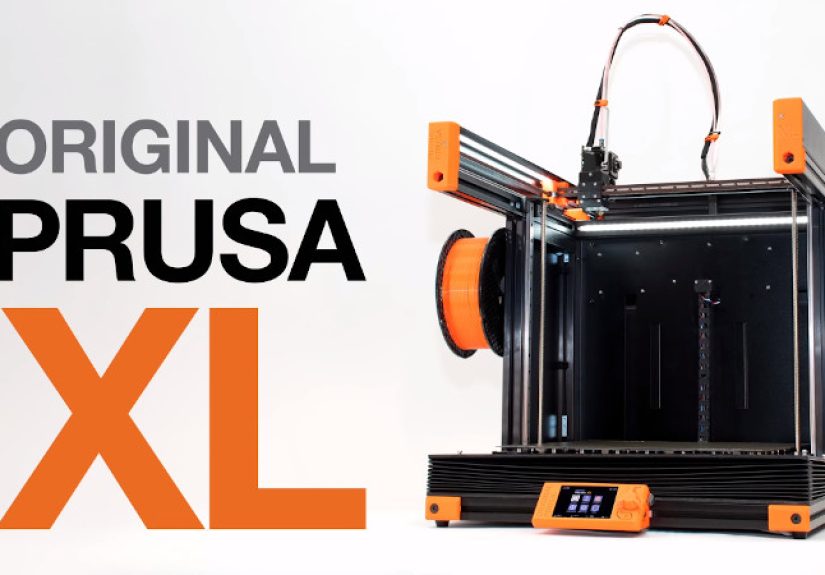
The Prusa XL is not the kind of 3D printer you casually squeeze between a coffee mug and a roll of blue painter’s tape. It is big, bold, and very aware of both facts. With a 360 x 360 x 360 mm build volume, a CoreXY motion system, and the option to run up to five independent toolheads, the Original Prusa XL steps into the room like a workshop machine pretending to be a desktop printer. Technically, it fits on a desk. Emotionally, it asks for its own zip code.
But the size is only the opening act. The real story is not simply that the Prusa XL can print larger parts. The bigger deal is how it prints complex parts: with separate toolheads, less wasted filament, a segmented heatbed, automatic first-layer calibration, and a workflow designed for makers, engineers, small businesses, product designers, educators, and serious hobbyists who want more than another fast plastic toaster.
In other words, the Prusa XL goes big, but its most interesting feature is not volume. It is flexibility. It is the ability to combine colors, materials, support structures, flexible filaments, engineering plastics, and different nozzle sizes in ways that typical single-nozzle multi-material systems struggle to match. That is where the XL becomes less of a “large 3D printer” and more of a miniature manufacturing platform with a very orange personality.
What Is the Prusa XL?
The Original Prusa XL is a large-format FDM 3D printer built around a rigid CoreXY architecture. Unlike Prusa’s classic i3-style machines, the XL does not move the bed back and forth during printing. Instead, the printhead moves in the X and Y directions while the build platform moves vertically. That design helps with stability, especially when printing tall or heavy objects.
The headline specifications are easy to understand. The XL offers a 360 x 360 x 360 mm build area, uses 1.75 mm filament, supports common layer heights, includes removable magnetic steel print sheets, and can be configured with one, two, or five toolheads. The single-toolhead version is the most affordable entry point, while the five-toolhead model is where the machine’s personality really comes out.
Prusa positions the XL as a multi-material platform rather than just a big printer. That distinction matters. A large printer can make a huge vase. The XL can make a functional assembly with PETG body sections, flexible TPU grips, soluble or breakaway supports, and color-coded labels in a single job. That is not just “bigger Benchy energy.” That is a different workflow.
The Build Volume Is Impressive, But Size Alone Is Not Enough
A 360 mm cube of printable space opens the door to projects that would otherwise require cutting, gluing, sanding, and quietly muttering at seams that refuse to disappear. Cosplay helmets, drone frames, fixture plates, jigs, architectural models, robotics parts, RC components, and workshop organizers all benefit from fewer split lines and stronger one-piece geometry.
For prototyping, the large bed is especially useful. A designer can print a full-size housing instead of scaling it down and guessing whether the cable path, mounting boss, or snap-fit clip will behave correctly. Engineers can print larger end-use parts or test fixtures without sending everything to an outside service. Small businesses can run batches of parts across the plate and still have room for a calibration cube that nobody asked for but everyone somehow prints anyway.
However, big printers can be tricky. A large bed can warp. Tall parts can vibrate. Heating a huge surface can waste power. Moving heavy components can affect speed and quality. Prusa’s answer is not just “make it bigger and hope physics is taking the day off.” The XL includes a segmented heatbed with 16 individually controlled tiles, which helps manage heat more intelligently and reduces the problems that come with one giant heated slab.
The Toolchanger Is the Real Star
The Prusa XL’s active toolchanger is what separates it from most consumer and prosumer multi-color printers. In a single-nozzle system, multiple filaments usually feed into one hotend. When the printer changes color or material, it must purge the previous filament out of the nozzle before printing the next one. That purge waste can pile up quickly, especially on prints with frequent color changes.
The XL takes a different route. Each toolhead has its own hotend and nozzle. When the print requires another material, the machine docks one toolhead and picks up another. That means the previous filament is not being flushed through the same nozzle. The result is cleaner material separation, faster changes in many multi-material workflows, and dramatically less plastic waste compared with many single-nozzle color systems.
This matters most when printing functional parts, not just decorative models. Imagine a rigid PETG bracket with TPU pads built directly into the corners. Or a PLA prototype using a different material only for support interfaces. Or a part that uses a hardened nozzle for abrasive carbon-fiber-filled filament while another toolhead keeps a standard brass nozzle for regular material. The XL lets users think in terms of tools, not just colors.
Why Five Toolheads Matter
Five toolheads may sound excessive until you start assigning jobs. One can hold everyday PLA. Another can hold PETG. A third can run TPU. A fourth can use a support material. A fifth can carry a larger or smaller nozzle. Suddenly, the setup feels less like overkill and more like a well-organized kitchen, except instead of knives and pans, it has heated nozzles and the faint smell of ambition.
The ability to use different nozzle sizes is especially powerful. A 0.25 mm nozzle can handle fine lettering or small details, while a 0.6 mm or 0.8 mm nozzle can push out thicker lines for large prototypes. On a normal single-tool printer, changing nozzles interrupts the workflow. On the XL, the machine can become several printers in one frame.
Less Waste Is a Bigger Deal Than It Sounds
Multi-color 3D printing can be delightful, but it can also produce a shocking amount of purge waste. Anyone who has printed a colorful figurine on a single-nozzle system has probably stared at the pile of plastic scraps and wondered whether the printer was secretly making a second model called “Sad Confetti Mountain.”
The Prusa XL’s independent toolheads reduce the need for constant purging. There may still be priming or wiping strategies depending on the print, filament condition, and slicer settings, but the basic design avoids the worst-case scenario of pushing every color through one nozzle again and again. For users making large multi-material parts, that can save filament, time, cleanup, and guilt.
This is not just an environmental talking point. Filament costs money. Specialty materials cost even more money. If a printer wastes expensive engineering filament during every tool change, the cost of a complex print can get silly very quickly. The XL’s toolchanger makes premium materials more practical because users can reserve them for the areas where they actually matter.
The Segmented Heatbed Is Quietly Brilliant
The XL’s 16-segment heatbed is one of those features that sounds less exciting than it is. A toolchanger makes noise and grabs attention. A segmented heatbed sits underneath the print and quietly does responsible adult things.
Large heated beds are difficult because they expand, flex, and heat unevenly. Instead of relying on one large plate, the XL uses individually controlled heating zones. This helps maintain consistency across the build area and allows the printer to heat only the necessary sections for smaller jobs. For a machine this large, that is a smart design choice.
It also helps explain why the XL is not merely a scaled-up MK4-style printer. Large-format printing has its own problems, and Prusa clearly designed the XL around those problems rather than stretching an existing machine like pizza dough.
Automatic First Layer Calibration Saves Sanity
The Prusa XL uses a Loadcell-based system for first-layer calibration. Instead of asking users to manually dial in the Z offset like they are cracking a safe in a spy movie, the printer detects nozzle contact with the build surface and sets the first layer automatically.
First-layer reliability is not glamorous, but it is one of the biggest quality-of-life upgrades on any 3D printer. A huge print can take many hours or even days. Nobody wants to discover after six hours that the first layer was doing interpretive dance instead of adhesion. The XL’s automatic mesh bed leveling and nozzle-based sensing make large jobs feel less nerve-racking.
That said, automatic calibration does not eliminate the need for good habits. Clean sheets, dry filament, correct temperatures, and well-maintained nozzles still matter. The XL can remove a lot of guesswork, but it cannot save a greasy print sheet from the fingerprints of someone who snacks while slicing models. We have all met that person. Sometimes we are that person.
Speed, Quality, and the “Not a Race Car” Reality
The Prusa XL supports modern firmware features such as Input Shaper and Pressure Advance, which help reduce ringing, improve motion control, and increase practical print speeds. Still, many reviewers have described the XL as a machine that prioritizes quality and multi-material capability over raw speed. That is a fair way to understand it.
There are faster printers for single-color jobs. There are smaller machines that are easier to fit into an apartment. There are cheaper printers that make excellent PLA parts. The XL’s strength is not winning every speed race. Its strength is taking on complex jobs that would be annoying, wasteful, or impractical elsewhere.
For a single-color cube, the XL may feel like arriving at the grocery store in a delivery truck. For a five-material functional prototype, it suddenly makes perfect sense.
Who Should Consider the Prusa XL?
The Prusa XL is best suited for users who already understand why they need it. That includes product designers, engineering teams, small manufacturers, educators, research labs, serious makers, cosplay builders, robotics hobbyists, and print farms that need reliable large-format or multi-material output.
It is also appealing for users who value local control. The XL can be used offline, supports USB and network workflows, and fits into the broader Prusa ecosystem with PrusaSlicer, Prusa Connect, Printables, Prusament profiles, firmware updates, spare parts, and extensive documentation. For schools, companies, and labs with privacy concerns, that offline-friendly design is a meaningful advantage.
Beginners can use the XL, but it is not the most sensible first printer for most people. Learning 3D printing on a large five-toolhead machine is possible in the same way learning to drive in a moving truck is possible. You might succeed, but the curb is nervous.
Where the Prusa XL Has Compromises
No serious review of the Prusa XL should pretend it is perfect. The machine is expensive, especially in five-toolhead configuration. It also takes up significant space and may require careful setup, calibration, and maintenance. Even assembled units may still need some user installation steps, depending on configuration and shipping requirements.
The open-frame design is another consideration. PLA and PETG are usually comfortable in open air, but materials such as ASA, ABS, nylon, and some polycarbonate blends benefit from an enclosure. Prusa offers an enclosure option, but that adds cost, space, and complexity. Users planning to print engineering materials regularly should budget for the full environment, not just the base machine.
Multi-material printing also requires patience. Different filaments shrink differently, bond differently, and prefer different temperatures. Combining TPU and PETG can be useful, but it is not magical. Soluble supports can be wonderful, but they demand dry storage and careful handling. The XL gives users powerful tools, but powerful tools still expect the human to read the manual occasionally. Tragic, but true.
Prusa XL vs. Typical Multi-Color Printers
The desktop 3D printing market has changed quickly. Bambu Lab, Creality, Anycubic, Snapmaker, Elegoo, and others have pushed automation, speed, and multi-color printing into more affordable categories. That competition is good for users. It also means the XL no longer exists in a quiet little corner of the market.
Still, the XL remains different from most multi-color machines because it uses independent toolheads rather than simply feeding multiple filaments into one nozzle. A typical multi-color system is often excellent for decorative prints, toys, signs, and colorful models. The XL is better understood as a multi-tool platform for complex materials, support strategies, nozzle combinations, and large parts.
That does not mean everyone should buy the XL. If the main goal is fast, affordable, four-color PLA printing, there are cheaper options. If the goal is large, low-waste, true multi-material printing with room to grow, the XL becomes much more compelling.
Real-World Experience: What Living With a Prusa XL Is Like
A realistic Prusa XL ownership experience starts before the first print. The box is large, the frame is serious, and the machine immediately changes the vibe of a workspace. This is not a printer you hide under a shelf. It becomes a station. You begin arranging spools, tools, sheets, nozzles, filament dryers, and storage bins around it. At some point you may realize you have not bought a printer; you have adopted a small manufacturing department.
The first satisfying moment comes when the toolchanger works correctly. Watching the XL dock one head, pick up another, and continue printing feels mechanical in the best possible way. It has the charm of a CNC machine, the usefulness of a print farm, and the tiny drama of a robot changing hats. The clicks and movements make the process feel deliberate rather than improvised.
The second big experience is the first large print that actually uses the full build volume. Many 3D printer owners are used to cutting models into sections, adding pins, gluing seams, sanding edges, and pretending the result was “designed that way.” With the XL, fewer parts need that treatment. A helmet shell, enclosure panel, prototype tray, or big fixture can come off the bed as one piece. That changes how you design. You stop asking, “How do I split this?” and start asking, “Can I print it whole?” That is a surprisingly liberating question.
The third experience is learning that multi-material printing rewards preparation. Dry filament matters. Tool offsets matter. Material compatibility matters. If one filament strings badly, the printer will not magically turn it into a gentleman. You learn to tune temperatures, use wipe settings wisely, and avoid combining materials that behave like coworkers forced into a group project. The XL gives you more options, but each option has a learning curve.
Then comes the pleasure of support materials. Printing a complex PETG part with PLA support interfaces, or using a dedicated support filament, can make overhang-heavy designs much easier to finish cleanly. Instead of attacking supports with pliers like a raccoon opening a locked trash can, you can plan smarter support strategies in the slicer. For product design, that can save real time.
There is also the everyday convenience of keeping multiple materials loaded. A single-tool printer constantly asks for spool swaps. The XL lets common materials stay ready. PLA for quick prototypes, PETG for functional parts, TPU for flexible details, and a support material for tricky geometry can all wait in position. That reduces friction. The printer becomes easier to use because fewer jobs begin with the ritual of unloading, loading, purging, and wondering where the side cutters went.
The less glamorous experience is maintenance. A five-toolhead machine has more parts than a single-nozzle printer. More nozzles can clog. More filament paths can need attention. More calibration points can matter. The XL is not scary, but it does reward users who are organized. Label your tools. Track nozzle sizes. Keep filament dry. Clean the bed. Update firmware thoughtfully. Do these things and the XL feels professional. Ignore them and it will still print, but it may begin sending small mechanical sighs in your direction.
Ultimately, the Prusa XL experience is about ambition. It encourages bigger models, smarter material choices, and more functional prints. It is not the best machine for every user, but for the right user it changes what feels practical on a desktop. That is the hidden story behind the size: the XL does not merely make objects bigger. It makes your project ideas bigger.
Final Verdict: Big Printer, Bigger Possibilities
The Prusa XL earns attention because it is large, but it earns respect because it is thoughtfully engineered. The build volume is impressive, yet the toolchanger, segmented heatbed, Loadcell calibration, offline-friendly workflow, and multi-material flexibility are what make it special.
It is not cheap. It is not tiny. It is not the obvious choice for casual users who only want quick PLA toys. But for makers and professionals who need large parts, low-waste multi-material printing, flexible tool options, and a mature ecosystem, the XL still stands out as one of the most interesting desktop 3D printers available.
The best way to summarize the Prusa XL is simple: it goes big, but the size is only the invitation. The real party starts when you realize it can print with multiple tools, multiple materials, and fewer compromises. That is when the XL stops looking like an oversized printer and starts looking like a new way to build.