Table of Contents >> Show >> Hide
- Why Temporary Hair Dye Is Usually Easier on Hair
- 1. Coloring Conditioners
- 2. Color-Depositing Masks
- 3. Hair Glosses and Glazes
- 4. Hair Makeup and Styling Gels
- 5. Hair Color Wax or Paste
- 6. Root Touch-Up Sprays, Powders, and Sticks
- 7. One-Wash Sprays and Chalks
- How to Choose the Right Temporary Hair Dye Without Frying Your Strands
- Smart Tips for Getting Color Without the Crunch
- What Real Temporary Hair Dye Experiences Usually Look Like
- Final Thoughts
Note: This is body-only HTML for web publishing, written in standard American English and cleaned for direct copy use.
Changing your hair color should feel like a fun plot twist, not a full-on breakup with your ends. That is exactly why temporary hair dye keeps winning people over. It lets you flirt with copper, test-drive burgundy, tone brassiness, disguise roots, or channel your inner pop star without signing your strands up for a chemical obstacle course. In plain English: temporary color is usually gentler than permanent dye because it deposits pigment rather than forcing a dramatic lift-and-rebuild situation inside the hair shaft.
That does not mean every temporary formula is saintly. Some can still leave hair dry, stain porous sections, or irritate sensitive scalps. But when the goal is low commitment, less stress, and more shine than sorrow, several temporary hair color formats stand out. The trick is picking the right kind for your hair history, texture, and patience level. Because yes, there is a huge difference between a one-wash spray and a color-depositing conditioner that hangs around like a guest who said they were “just stopping by.”
Why Temporary Hair Dye Is Usually Easier on Hair
Permanent color typically relies on stronger chemistry to open the cuticle and create longer-lasting change. Temporary and many semi-permanent options work more like a surface-level tint or a direct deposit of pigment. That is why they are often preferred by people with dry hair, curls that already need moisture, bleached ends that have seen enough drama, or anyone who wants a color experiment without a long-term commitment.
Another reason temporary dye feels kinder is that many modern formulas are packaged as conditioners, masks, glosses, waxes, sprays, and styling gels. In other words, they are often multitaskers. You are not just adding pigment. You may also be adding slip, shine, softness, or a little camouflage between salon visits. Hair loves efficiency. So do busy humans.
Still, “gentler” is not the same thing as “use it like barbecue sauce.” Overuse, poor ingredient matches, and skipping a patch test can still backfire. Sensitive scalps may react to certain dyes, darker shades can cling to porous hair longer than expected, and heavily damaged hair can drink up pigment in weirdly enthusiastic ways. Cute in theory. Less cute at 7:15 on a school or work morning.
1. Coloring Conditioners
Best for soft color, shine, and low-effort maintenance
Coloring conditioners are one of the best entry points for temporary hair dye because they behave like hair care first and color second. These formulas coat the hair with pigment while delivering moisture, which makes them especially appealing for dry, curly, textured, or color-treated hair. They are ideal for refreshing existing tones, enhancing vibrancy, or trying a noticeable but not terrifying shift.
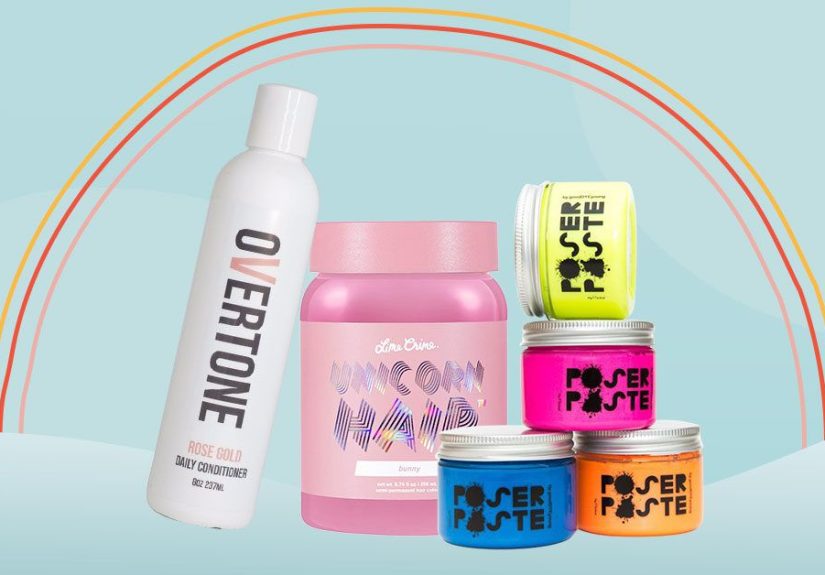
Think of options in the spirit of oVertone Coloring Conditioner or Keracolor Clenditioner. These products are popular because they can add visible tone without the harsh feel people associate with traditional box dye. On healthy hair, the result is often shinier, softer-looking color rather than that brittle “I made a bold choice at 11 p.m.” finish.
Watch for: very porous ends can soak up more pigment than the rest of the hair, so a strand test matters. If your ends are older, bleached, or heat-damaged, apply carefully and keep expectations realistic.
2. Color-Depositing Masks
Best for dry hair that needs color and a little emotional support
Color-depositing masks are basically the overachievers of temporary hair color. They bring pigment, hydration, and a smoother finish in one step. These are fantastic for people who want richer tone than a spray can give but still want something gentler than permanent color. They are also great for reviving faded salon color without rushing back for a full service.
Examples include products similar to Moroccanoil Color Depositing Mask or IGK color-depositing masks, which are known for combining conditioning ingredients with temporary pigment. This category works especially well for brunettes, redheads, and anyone trying to maintain a vivid or warm tone that fades faster than their motivation on laundry day.
Why it won’t overstrip your hair: the formula is designed to sit more like a treatment than a harsh processing system. Hair often feels better after use, not rougher. That is a huge win.
Watch for: masks can still leave a stronger stain on light or pre-lightened hair, so go easy on first application.
3. Hair Glosses and Glazes
Best for dull hair, faded color, and “I want expensive-looking shine” energy
Hair glosses and glazes are the subtle geniuses of temporary color. They are perfect when you do not want a loud transformation, but you do want your hair to look polished, richer, and less tired. Some formulas add a whisper of pigment, some neutralize brassiness, and others mostly boost shine with a tonal nudge.
Good examples include dpHUE Gloss+ or Kristin Ess Signature Hair Gloss. These products are often loved because they can make hair feel silky while refreshing tone. For blondes, that may mean muting brass. For brunettes, it may mean richer depth. For red shades, it may mean keeping the warmth alive a little longer.
Why it won’t overstrip your hair: gloss-style formulas are usually chosen precisely because they avoid the heavy-duty processing associated with stronger dye systems. They are about enhancement, not hair warfare.
Watch for: do not expect major color correction. A gloss can refine and revive, but it cannot turn dark brown into silver blonde unless physics and chemistry take the day off.
4. Hair Makeup and Styling Gels
Best for curls, coils, festival looks, and same-day color fun
Hair makeup and tinted styling gels are the “I want color now, consequences later” option, except the consequences are usually just shampoo. These products sit on the hair and wash out quickly, making them perfect for events, photos, or weekend experimentation. They are especially popular in curl routines because they can define texture while adding visible color.
Formulas like Curlsmith Hair Makeup show why this category works so well. You get styling hold, color payoff, and no long-term commitment. For naturally dark hair, this can be one of the easiest ways to see bold shades without bleach. Blue, copper, rose gold, purple, you name it.
Why it won’t overstrip your hair: there is little to no classic dye processing involved. It acts more like a pigmented styling product than a permanent chemical service.
Watch for: buildup, transfer, or crunchiness if you apply too much. The color may look amazing, but your hair should not sound like a chip bag when you touch it.
5. Hair Color Wax or Paste
Best for bold streaks, edge pieces, and short-term color with strong control
Hair color wax and color pastes are great for people who want more placement control than a spray offers. These are perfect for streaks, ends, face-framing sections, or sculpted styles where you want the color to stay exactly where you put it. They are a favorite for textured hair, editorial looks, cosplay, concerts, and any moment when subtlety has left the group chat.
Products in the lane of Good Dye Young Poser Paste or washable color waxes work because they coat the hair rather than aggressively changing it. The result is vivid, playful color that can disappear after a wash or two, depending on the formula and your hair type.
Why it won’t overstrip your hair: waxes and pastes are generally surface-level products. No lifting, no big internal restructuring, no need to draft an apology letter to your ends.
Watch for: some formulas can feel heavy if layered too much. Fine hair may prefer a lighter hand.
6. Root Touch-Up Sprays, Powders, and Sticks
Best for gray coverage, grow-out camouflage, and emergency confidence boosts
Not every temporary hair dye moment is about neon lavender. Sometimes it is about one silver stripe showing up at your part like it pays rent. Root touch-up products are a very specific kind of temporary color, and they are excellent for hiding regrowth without doing a full dye session.
Products similar to L’Oréal Paris Magic Root Cover Up, Color Wow Root Cover Up, or a root touch-up stick from dpHUE work well because they are quick, targeted, and low drama. Sprays cover fast, powders offer control, and sticks are handy for hairlines or small areas.
Why it won’t overstrip your hair: these products are not trying to process your hair. They are more like cosmetic cover for the strands you want to blend.
Watch for: over-spraying can make roots feel stiff or dusty. Less is usually more. Your scalp should not end up looking like it survived a craft-store explosion.
7. One-Wash Sprays and Chalks
Best for quick color experiments and commitment-phobic hair decisions
If you want immediate payoff and nearly immediate regret recovery, one-wash sprays and hair chalks are the classic temporary option. These are ideal for costume looks, parties, photo shoots, spirit days, or anyone who wants pink ends for exactly one afternoon and then plans to return to normal life by dinner.
They are also useful for testing whether a shade actually flatters you before moving on to longer-lasting temporary products. Sometimes your dream color in your head is moody cherry cola; on your actual hair it turns out to be “crayon left on dashboard.” Better to learn that in one wash.
Why it won’t overstrip your hair: these are surface color products with minimal commitment and minimal processing.
Watch for: some sprays can feel drying or leave transfer on collars, hats, or pillowcases. Great for a night out. Less ideal for hugging someone in a white sweater.
How to Choose the Right Temporary Hair Dye Without Frying Your Strands
Start with your hair history. If your hair is bleached, highlighted, heat-damaged, or naturally porous, choose the most conditioning format first. That usually means a coloring conditioner, mask, or gloss. If your hair is healthy and you only want a one-day look, sprays, waxes, and gels are easier and lower risk.
Next, decide whether you want tone or impact. For richer brunettes, brass correction, and shine, go with glosses or masks. For vivid blues, pinks, purples, and reds, choose a direct-deposit conditioner, styling gel, or wax. For grays and visible roots, root cover products are the practical MVPs.
And please, in the name of scalp peace, do a patch test and a strand test. Temporary color may be gentler, but sensitive skin can still react, and highly porous hair can hold onto pigment longer than promised on the box. Hair has a funny sense of humor, and sometimes you are the punchline.
Smart Tips for Getting Color Without the Crunch
Apply stronger temporary pigments to slightly dirty or fully dry hair when you want more intensity, and use damp hair when you want a softer effect. Use gloves, because “temporary” often applies to hair more than fingers. Coat the hairline with a little balm if staining worries you. Rinse with cool or lukewarm water, and keep sulfate-heavy cleansing to a minimum if you want the color to last a bit longer.
Most importantly, do not stack stress on already stressed hair. If you recently bleached, relaxed, or heat-styled your hair into submission, choose the most conditioning formula possible and keep your expectations modest. Temporary color is often the better choice precisely because your hair is asking for less, not more.
What Real Temporary Hair Dye Experiences Usually Look Like
The most common first experience with temporary hair dye is surprise, and it usually comes in one of two forms. The first is, “Wait, this actually looks good.” The second is, “Wow, my damaged ends grabbed that color like they were being paid.” Both are normal. People with healthier, less porous hair often notice that temporary dye gives them a softer, shinier finish than they expected. The color can look subtle indoors and then suddenly become much more obvious in sunlight, which is either exciting or mildly alarming depending on your plans for the day.
People using coloring conditioners and masks often report the best overall feel. Their hair usually stays soft, manageable, and less frizzy, which is why these formulas have become so popular with curly hair, bleached blondes, and anyone who wants a tint without the straw-like aftermath. The tradeoff is that the result may be more “enhanced and polished” than “dramatic makeover.” That is great when you want healthy-looking tone. It is less great when you were expecting your brunette hair to suddenly glow neon lilac without pre-lightening. Temporary dye is powerful, but it is not magic with a ring light.
Hair gloss users often describe the change as expensive-looking rather than obvious. Their hair catches more light, brassiness looks calmer, and the overall tone feels fresher. This is why glosses are a favorite for people who do not want coworkers or friends asking, “Did you dye your hair?” They want people asking, “Why does your hair look so good?” It is a quieter flex, but a very effective one.
On the vivid side, people who try waxes, color gels, and one-wash products usually love the instant gratification. Dark hair can suddenly show visible red, copper, blue, or gold in a way that feels fun and freeing. These products are especially satisfying for events, performances, vacations, or weekends when you want a little main-character energy. The most common complaint is texture. Too much product can feel sticky, chalky, or stiff, especially on fine hair. The trick is usually smaller amounts, patient layering, and accepting that not every temporary formula is built for touching your hair every five seconds.
Gray root users tell a completely different story, and honestly, it is one of the most relatable. Temporary root products are less about transformation and more about restoring peace. A quick spray or powder can buy you time, save a busy week, and make your hairline look polished in under two minutes. The catch is that heavy application can look flat or dusty, so most people learn pretty quickly that controlled coverage beats enthusiastic overspraying.
The biggest lesson across almost every temporary hair dye experience is this: your hair’s condition matters more than the marketing on the front of the package. Porous hair holds more color. Dry hair needs more conditioning. Sensitive scalps deserve patch tests. And the best results happen when the formula matches the goal. When that match is right, temporary hair color can be exactly what people hope it will be: playful, forgiving, and far less likely to leave your hair acting like it has been through a tiny chemical apocalypse.
Final Thoughts
The best temporary hair dye is not simply the brightest one or the trendiest one. It is the one that gives you the look you want without asking your hair to pay for it for the next two months. For softness and maintenance, go with coloring conditioners and masks. For polish, choose glosses. For bold, washable fun, lean into waxes, gels, and one-wash sprays. For grays, keep a root touch-up in your back pocket like the responsible icon you are.
Temporary hair color can be playful, practical, and surprisingly flattering when you choose the right format. So yes, go ahead and try the copper, the cherry, the espresso refresh, or the emergency gray cover-up. Just keep your patch test handy and your expectations slightly more realistic than your Pinterest board.
Note: Temporary color is usually gentler than permanent dye, but it can still irritate sensitive skin or cling to porous, pre-lightened hair. Patch-test first, strand-test second, and then proceed with confidence.