Table of Contents >> Show >> Hide
- What “Drug-Resistant Super Lice” Actually Means
- Quick Lice 101: Why Timing Matters More Than Rage-Cleaning
- Symptoms: How to Tell It’s Lice (and Not Just a Dramatic Scalp)
- Diagnosis: The “Find a Live Bug” Rule
- Why Treatments Fail: Resistance vs. Reinfestation vs. “Oops”
- Treatment: What Works When “Super Lice” Are Suspected
- Step 1: Start with correct technique (even before switching products)
- OTC options (and their limits)
- Prescription treatments often used when resistance is likely
- Non-insecticide strategies: combing and “smothering” methods
- Oral options (for clinician-guided cases)
- When to call the doctor (or a pro lice service)
- Prevention: How to Stop the Encore
- Common Myths That Make Everything Worse
- Putting It All Together: A Practical “Super Lice” Game Plan
- Conclusion
- of Real-World Experiences With “Super Lice”
Head lice are already annoying. “Super lice” are head lice that are annoying and have picked up a few survival tricksmainly, resistance to some common over-the-counter (OTC) insecticides. The result? Families doing the shampoo-cha-cha twice, washing everything that isn’t bolted down, and still spotting a tiny crawler two days later like it’s mocking them.
The good news: drug-resistant lice are still beatable. The even better news: you can win without turning your home into a biohazard zone or shaving anyone’s head (unless someone is truly committed to the “new me” look). This guide walks through symptoms, how to confirm what’s going on, what treatments actually work when resistance is suspected, and how to prevent a repeat performance.
What “Drug-Resistant Super Lice” Actually Means
“Super lice” isn’t a scientific species name. It’s a popular label for head lice that don’t respond well to certain first-line OTC products especially those containing pyrethrins or permethrin (a synthetic pyrethroid). Resistance doesn’t mean every product fails, and it doesn’t mean the lice are indestructible. It usually means the usual approach needs an upgrade: better technique, correct timing, and sometimes a different medication.
Also important: not every “treatment failure” is true resistance. Mis-timing the second treatment, not using enough product, re-exposure from an untreated close contact, or confusing old nits for an active infestation can all make it look like the lice are “super” when the problem is actually logistics.
Quick Lice 101: Why Timing Matters More Than Rage-Cleaning
Head lice have a simple mission: live on the scalp, feed, and lay eggs (nits) close to the scalp where it’s warm. Many common treatments kill live lice but don’t reliably kill eggs. That’s why follow-up steps matter.
- Nits (eggs): glued to hair shafts close to the scalp; they don’t “flake off” like dandruff.
- Nymphs: baby lice that hatch and mature quickly.
- Adults: the movers and shakers (mostly movers).
In real life, this means you’re not just trying to kill what you see todayyou’re trying to prevent hatchlings from growing up and restarting the problem. Proper retreatment timing (often around day 7–10, depending on the product) is a make-or-break detail.
Symptoms: How to Tell It’s Lice (and Not Just a Dramatic Scalp)
Lice symptoms can range from “mild itch” to “I swear something is crawling on me and I will now set my pillow on fire.” Common signs include:
- Itching (especially behind the ears and at the nape of the neck).
- Tickling or crawling sensation on the scalp.
- Sleep trouble (lice are more active in the darkbecause of course they are).
- Red bumps or sores from scratching; sometimes irritation can get infected.
- Visible nits attached to hair shafts close to the scalp, often easiest to spot near the ears and neckline.
One key reality check: itching alone is not proof. Dry scalp, eczema, product irritation, or seasonal allergies can all imitate lice drama. The gold standard is finding live lice.
Diagnosis: The “Find a Live Bug” Rule
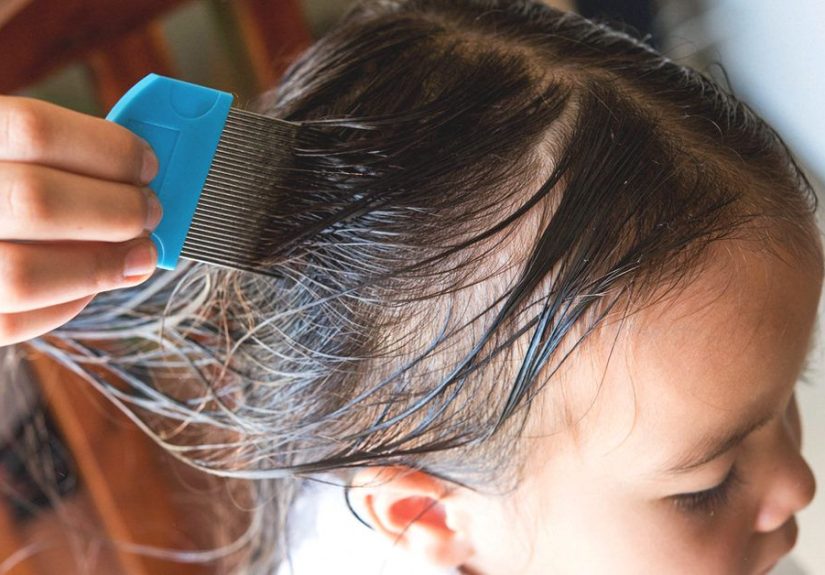
The most reliable way to confirm head lice is to find a live louse. The easiest method is often a fine-tooth lice comb on wet, conditioned hair under bright light. Move section by section, comb from scalp to ends, and wipe the comb onto a white tissue or paper towel to see what you catch.
About nits: old, empty egg casings can stay stuck on hair as it grows out. If the “nits” you’re seeing are far from the scalp (many millimeters down the hair shaft) and you can’t find live lice, you might be looking at leftovers from an old infestation rather than an active one.
Why Treatments Fail: Resistance vs. Reinfestation vs. “Oops”
Before you declare your household defeated by super lice, run through the usual suspects:
1) Incorrect product use
- Not using enough product to fully saturate hair and scalp.
- Rinsing too soon (or leaving it on too long, which doesn’t equal “extra effective”).
- Using conditioner before certain treatments (some products work best on clean hair).
- Skipping the recommended second application when the product isn’t fully ovicidal (egg-killing).
2) Poor timing
If the treatment doesn’t kill eggs, you must hit the nymphs after they hatch but before they mature and lay more eggs. Many regimens rely on a second treatment roughly 7–10 days later (varies by product directions and clinician advice).
3) Reinfestation
A close contact with untreated lice (siblings, sleepovers, cousins, best friends who share hoodies like it’s a lifestyle) can restart the cycle. Treating only one person in a household while everyone keeps head-to-head contact is like bailing out a boat while the hole is still open.
4) True resistance
Resistance is most often discussed with permethrin/pyrethrin products. If you used the product correctly, repeated as directed, ruled out reinfestation, and still find live lice shortly after treatment, switching strategies is reasonable.
Treatment: What Works When “Super Lice” Are Suspected
There’s no single best plan for every family, because hair type, age, sensitivity, access to prescriptions, and local resistance patterns all matter. The goal is simple: eliminate live lice, prevent hatchlings from maturing, and reduce reinfestation risk.
Step 1: Start with correct technique (even before switching products)
- Confirm live lice before treating again.
- Follow label directions exactly (time on hair, dry vs. damp hair, retreatment timing).
- Use a real lice combnot a “maybe-this-works” comb from the bottom of a drawer.
- Re-check the scalp every 2–3 days for about 2–3 weeks to catch stragglers early.
OTC options (and their limits)
Many families begin with OTC pyrethrins or 1% permethrin. These can still work, but resistance is reported in some areas, and many OTC products don’t reliably kill eggsso the second treatment is often the real MVP.
If you choose OTC first, treat once, then retreat according to the product schedule (often around day 9–10 for non-ovicidal products), and comb out nits and debris. If live lice are still present shortly after appropriate treatment, move to a different approach rather than repeating the same product indefinitely.
Prescription treatments often used when resistance is likely
If OTC approaches fail, clinicians often recommend prescription options with different mechanisms. Common choices include:
- Spinosad 0.9% (topical): Often highly effective and considered ovicidal in many cases, meaning it can reduce the need for a second application. Some studies have shown higher success rates than permethrin.
- Topical ivermectin 0.5% (lotion): Typically used as a single application; it affects lice in a way that helps stop survival after treatment. Available in some settings OTC, and in others by prescription.
- Malathion 0.5% (lotion): Can be effective, including in suspected resistance, but has downsidesodor, longer application time, and important safety considerations (it’s flammable until dry).
- Benzyl alcohol 5% (lotion): Works by suffocating lice; typically requires a second treatment because it does not kill eggs.
Age limits and safety guidance vary by product, so this is a good moment to involve a healthcare professionalespecially for young children, pregnancy, skin conditions, or repeated treatment failures.
Non-insecticide strategies: combing and “smothering” methods
For families who want to avoid insecticides (or who need a backup plan), mechanical removal can workbut it requires patience and consistency. “Wet combing” with conditioner, performed carefully every few days for a couple of weeks, can remove live lice and disrupt the life cycle.
Some non-insecticide products use dimethicone or similar agents that coat and immobilize lice. Evidence suggests they can be effective, and they’re often used in “difficult” cases. Still, follow product directions closely and don’t assume “natural” automatically means “risk-free.”
Oral options (for clinician-guided cases)
In stubborn infestations where reinfestation is ruled out and topical therapies fail, clinicians may consider oral medications (such as oral ivermectin in specific situations). This is not a DIY movedose, safety, and contraindications matterso treat it like the medical decision it is.
When to call the doctor (or a pro lice service)
- Live lice persist after properly used OTC treatment and retreatment.
- Skin looks infected (oozing, crusting, increasing pain) or there’s significant swelling.
- Household outbreaks keep bouncing back despite careful prevention.
- You’re dealing with very young children, pregnancy, or complex medical history.
Prevention: How to Stop the Encore
Prevention is less about sterilizing your life and more about reducing the ways lice travel and making sure nobody in the close-contact circle is quietly hosting a reunion.
Smart behavior changes (the highest payoff)
- Avoid head-to-head contact during active outbreaks (selfies are cute; scalp contact is not).
- Don’t share hats, helmets, hairbrushes, hair ties, scarves, or pillows.
- Teach kids to keep personal items separate at school (hooks and cubbies can be lice-adjacent chaos).
Household cleanup: effective, not extreme
You don’t need to fumigate your home. Focus on items that had close head contact recently:
- Wash bedding, hats, and recently worn clothing in hot water and dry on high heat when possible.
- Soak combs and brushes in hot water.
- If an item can’t be washed, sealing it for a period of time can reduce risk (follow clinician guidance; exact timing varies by recommendations).
The big idea: lice do best on the human scalp. They’re not thriving across the living room plotting their next move like tiny villains.
Check close contacts
If one person has lice, check household members and close head-to-head contacts. Treat those with confirmed live lice. Preventing reinfestation is often about finding the “one untreated head” that keeps restarting the cycle.
Common Myths That Make Everything Worse
- Myth: Only “dirty” people get lice. Reality: Lice do not care about your shampoo brand.
- Myth: Pets spread head lice. Reality: Head lice prefer humans.
- Myth: If you see nits, you must treat immediately. Reality: Confirm live lice when possible; old nits can linger.
- Myth: More product or more frequent treatment is always better. Reality: Overuse can irritate skin and doesn’t fix timing problems.
Putting It All Together: A Practical “Super Lice” Game Plan
Here’s a sensible, low-drama roadmap you can adapt with your clinician:
- Confirm live lice using wet combing under bright light.
- Treat correctly with an age-appropriate product; saturate hair, follow timing.
- Plan the follow-up: retreat per directions if the product isn’t ovicidal.
- Comb and re-check every 2–3 days for 2–3 weeks.
- Clean the “close contact” items (bedding, hats, brushes) without going nuclear.
- Escalate smartly if OTC fails: consider prescription options with different mechanisms.
Conclusion
Drug-resistant “super lice” aren’t a sign that you’ve failed as a parent, roommate, babysitter, or human being. They’re a sign that biology is doing what biology doesadaptingand that the old one-and-done approach may not work everywhere anymore. With correct technique, the right timing, and a willingness to switch strategies when needed, super lice can be turned back into regular, boring licewhich is the only kind we ever want.
of Real-World Experiences With “Super Lice”
If you’ve never dealt with drug-resistant lice, it’s hard to explain the emotional arc. It starts as mild annoyance (“Okay, we’ll do the shampoo”), escalates to a detective phase (“Is that a nit or lint? Is that a bug or a crumb?”), and then hits the bargaining stage (“If I comb for one hour, will the universe please let this end?”).
A common experience families describe is the “false victory.” You treat on a Saturday, comb carefully, wash bedding, and everyone goes to school Monday feeling triumphant. Then on Tuesday night, under the bathroom light, you spot one determined crawler. Panic follows: Did the product fail? Did the kid borrow a friend’s hat? Did the lice unionize?
In many households, the breakthrough isn’t a single miracle productit’s a better system. Parents often say the turning point came when they stopped repeating the same OTC treatment over and over and instead got serious about timing. They marked a calendar for day 9 or day 10, planned the second treatment correctly, and did quick comb checks every couple of days. That routine catches hatchlings before they become an “entire new generation,” which is the most horrifying phrase you can hear in a lice context.
Another very real moment: the school note. Some families describe feeling embarrassed, even though head lice are common and not a hygiene issue. The practical families tend to win fasterbecause they treat it like a logistics problem, not a moral failing. They notify close contacts, check siblings, and keep hair accessories separated. The less practical families (most of us, on day one) sometimes spend energy on deep-cleaning the couch while forgetting to check the child who shares a pillow at sleepovers every weekend.
When resistance is involved, families often report that prescription options or newer topical agents finally made the differenceespecially when paired with thorough combing. People also talk about the surprising power of a good lice comb. Not a flimsy, freebie comb; a sturdy, fine-tooth comb that actually grabs what it’s supposed to grab. It becomes a household “tool of destiny,” living in the bathroom like a tiny sword in the stone.
Finally, there’s the prevention-afterward era. Families who have “been through it” usually keep a calm plan: occasional checks during outbreaks at school, a house rule against sharing brushes and hats, and a quicker response when itching starts. The goal isn’t paranoiait’s confidence. Because once you’ve defeated super lice, you don’t want a rematch. You want peace, pillows, and the ability to scratch your head without launching a full investigation.