Table of Contents >> Show >> Hide
- Quick Comparison: The 7 Best Roof Leak Sealants
- How We Picked These Sealants
- The 7 Best Sealants for Roof Leaks (2025)
- 1) Loctite PL Roof & Flashing (Polyurethane) Best for flashing and long-term flexibility
- 2) Geocel 2300 Tripolymer Best all-around sealant for mixed materials
- 3) Sashco Through the Roof! Best emergency sealant for wet conditions
- 4) Dicor Self-Leveling Lap Sealant Best for RV roof penetrations
- 5) Liquid Rubber Waterproof Sealant (Brush/Roll) Best for larger leak zones and membrane-style waterproofing
- 6) Flex Seal Liquid Best for quick DIY coverage on odd shapes
- 7) Gorilla Waterproof Patch & Seal Tape Best fast “stop the leak” patch
- How to Choose the Right Sealant for Your Roof Leak
- Step-by-Step: How to Seal a Roof Leak (Without Making It Worse)
- When to Call a Pro Roofer
- FAQ: Roof Leak Sealants in 2025
- Real-World Experiences: What Roof Leaks Teach You (Usually at the Worst Time)
- Conclusion
A roof leak has one job: ruin your day. It starts smalljust a “mysterious” brown spot on the ceilingthen quickly escalates into a drip-drip soundtrack that turns your living room into a low-budget rainforest exhibit.
The good news? Many leaks can be stabilized fast with the right sealantlong enough to buy time for a proper repair (or a roofer who isn’t booked until the next ice age).
The tricky part is that “roof sealant” is like “coffee”: it means very different things depending on what you’re dealing with. A tiny crack at flashing needs a flexible, pro-grade caulk. A seam on a flat roof might need a brush-on coating.
A surprise puncture in an RV roof? That’s a whole different species.
Below are seven standout picks for 2025, chosen for real-world performance, material compatibility, ease of application, and the stuff homeowners forget to considerlike whether it works when the roof is slightly damp, or whether it turns brittle after a season of UV exposure.
Quick Comparison: The 7 Best Roof Leak Sealants
| Product | Best For | Type | Where It Shines | Watch-Out |
|---|---|---|---|---|
| Loctite PL Roof & Flashing (Polyurethane) | Flashing gaps, shingles, nail heads | Polyurethane sealant | Durable, flexible, pro-style repairs | Needs clean prep for best bond |
| Geocel 2300 Tripolymer | Metal roofs, asphalt shingles, general exterior seams | Tripolymer elastomeric sealant | Adhesion across many substrates, even slightly damp | Odor during cure; follow label limits |
| Sashco Through the Roof! | Emergency leak stops (yes, even during wet weather) | Co-polymer rubber elastomeric | Great “it’s raining right now” option | Still a temporary fix if flashing/shingles are failing |
| Dicor Self-Leveling Lap Sealant | RV roofs (vents, pipes, edges, screw heads) | Self-leveling lap sealant | Flows into gaps; made for roof accessories | Not for steep slopes (it self-levels… right off the roof) |
| Liquid Rubber Waterproof Sealant (Brush/Roll) | Larger leak zones; flat/sloped roof restoration spots | Liquid-applied membrane/coating | Builds a seamless waterproof layer | Needs proper thickness and cure time |
| Flex Seal Liquid | Small patches, DIY quick coats, odd-shaped leak areas | Liquid rubber coating | Easy to brush/roll; handy for “weird” surfaces | Prep matters; layer it correctly |
| Gorilla Waterproof Patch & Seal Tape | Fast patch on cracks/tears (temporary stabilization) | Repair tape | Instant stop-gap, conforms to shapes | Not a forever fix on sun-baked roofs |
How We Picked These Sealants
Roof leak products get marketed with the enthusiasm of a late-night infomercial. (“It seals! It bonds! It fixes your trust issues!”)
So instead of hype, here’s what actually matters:
1) Compatibility with your roof material
Asphalt shingles, metal panels, EPDM/TPO membranes, and RV roofs all behave differently with sealants. The best product for a metal screw leak might be the wrong move on a rubber roof seam.
2) Flexibility over time
Roofs move. Heat expands materials, cold contracts them, wind nudges them, and your house settles like it’s getting comfortable in a recliner.
A good sealant stays flexible instead of cracking like a stale cookie.
3) Real application conditions
In an ideal world, you’d apply sealant on a perfectly dry roof at the perfect temperature with zero wind. In the real world, it’s 4:47 PM and the forecast says “surprise thunderstorm.”
We prioritized products that can handle less-than-perfect conditions (while still encouraging proper prep).
4) Use case: emergency stop vs. durable repair
Some products are excellent at buying time (tape, wet-surface elastomerics). Others are better for more durable sealing around flashing and penetrations.
The best plan often uses both: stabilize now, repair properly soon.
The 7 Best Sealants for Roof Leaks (2025)
1) Loctite PL Roof & Flashing (Polyurethane) Best for flashing and long-term flexibility
If your leak is coming from flashingaround chimneys, sidewalls, roof edges, or anywhere two materials meetthis is the kind of polyurethane sealant that earns its keep.
It’s built to stay flexible as materials move, and it’s commonly used for sealing gaps and joints where water loves to sneak in.
- Best uses: Flashing edges, small gaps at transitions, nail heads, minor shingle tab sealing (when appropriate).
- Why it’s great: Strong adhesion and durability for typical exterior roof problem spots.
- Pro tip: Tool it cleanlyyour goal is a continuous bead that sheds water, not a “sealant mountain range.”
- Skip it when: You’re trying to fix a structural flashing mistake with caulk alone. Sealant helps; proper flashing is the real hero.
2) Geocel 2300 Tripolymer Best all-around sealant for mixed materials
Geocel 2300 is a favorite in the “I need one tube that actually sticks to this roof” category. It’s designed for a wide range of exterior construction uses, including roofing applications, and it’s known for strong adhesion across common building substrates.
It’s especially handy when you’re dealing with metal, masonry, and asphalt-adjacent areasplaces where some sealants throw a tantrum.
- Best uses: Metal roof trim seams, fastener areas (paired with proper washers), flashing-adjacent joints, exterior roof penetrations.
- Why it’s great: Versatility and dependable adhesion on many surfaces.
- Pro tip: Clean the area well. A sealant can’t bond to roof grit, old chalking, or last year’s “mystery goo.”
- Skip it when: You’re indoors or sensitive to odors during cureventilation and label guidance matter.
3) Sashco Through the Roof! Best emergency sealant for wet conditions
This one is for the day your roof decides to leak during the storm, not after it. Through the Roof! is formulated for challenging conditions where some products struggleespecially when surfaces aren’t perfectly dry.
It’s the “buy time now” sealant that can help stop active drips while you plan a proper repair.
- Best uses: Quick stabilization around small cracks, seams, and leak points when weather won’t cooperate.
- Why it’s great: A practical option when waiting for dry weather isn’t possible.
- Pro tip: Still clean off loose debris. Wet-friendly doesn’t mean “apply on a pile of pine needles and hope.”
- Reality check: If shingles are missing, flashing is improperly installed, or a vent boot is torn, sealant is a temporary patchnot the final chapter.
4) Dicor Self-Leveling Lap Sealant Best for RV roof penetrations
RV roofs are their own ecosystem: EPDM, TPO, roof accessories everywhere, and plenty of screw heads just waiting to become tiny fountains.
Dicor’s self-leveling lap sealant is designed specifically to create a secure secondary seal around rooftop accessories like vents, pipes, and edges.
The self-leveling part is the magicit flows into gaps so you don’t have to sculpt it like pottery.
- Best uses: RV vents, vent pipes, roof edges, screw heads, horizontal roof surfaces.
- Why it’s great: Purpose-built for RV maintenance; flows into joints and voids.
- Pro tip: Mask the area with painter’s tape if you want a cleaner finish. Self-leveling products have a mind of their own.
- Skip it when: The surface is steeply slopeduse a non-sag option instead.
5) Liquid Rubber Waterproof Sealant (Brush/Roll) Best for larger leak zones and membrane-style waterproofing
When the “leak” isn’t a single pinhole but a broader problem areahairline cracking, aging seams, or a patch zone on a flat/sloped roofa liquid-applied waterproofing sealant can make more sense than a bead of caulk.
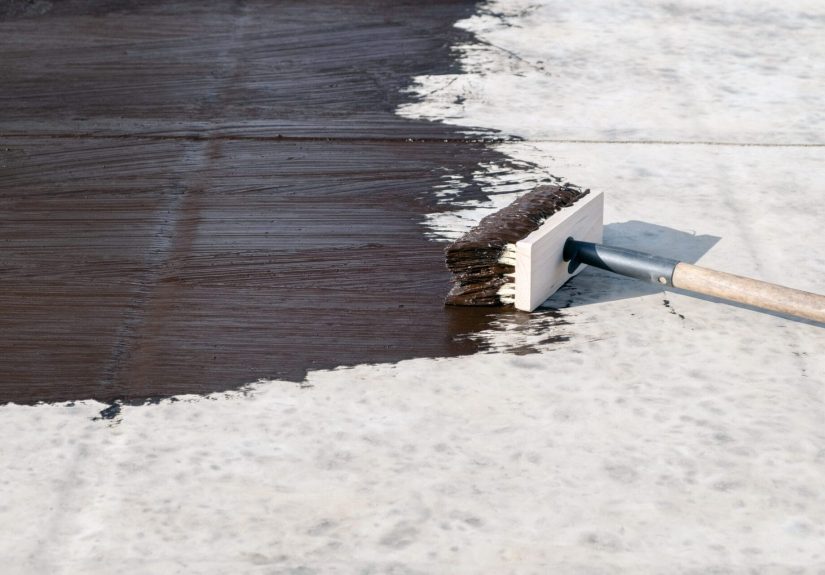
Applied with a brush or roller, it can form a continuous membrane over the repair area, reducing the number of “water entry points.”
- Best uses: Wider patch areas, roof maintenance zones, sealing cracks and joints when you want a continuous coat.
- Why it’s great: Can create a seamless waterproof layer (especially when reinforced per product guidance).
- Pro tip: Thickness matters. A whisper-thin coat won’t perform like a properly built membrane.
- Skip it when: You need an instant repair in freezing weather or heavy raincoatings have cure requirements.
6) Flex Seal Liquid Best for quick DIY coverage on odd shapes
Flex Seal Liquid is popular because it’s simple: open, stir, and apply by brush/roller/pour depending on the situation.
It can be handy for small patches over irregular shapes, where a tube sealant is awkward and tape won’t conform cleanly.
- Best uses: Small patch zones, oddly shaped leak points, quick DIY coats over prepared surfaces.
- Why it’s great: Easy application and decent coverage flexibility for non-precision repairs.
- Pro tip: Prep and layering are everything. Remove loose rust/debris, and extend coverage beyond the leak zone so water can’t sneak under edges.
- Skip it when: The real issue is missing flashing, cracked vent boots, or damaged shinglesaddress the root cause.
7) Gorilla Waterproof Patch & Seal Tape Best fast “stop the leak” patch
Sometimes you don’t need artistryyou need speed. A waterproof patch tape can temporarily stabilize a crack, small tear, or gap until you can do a proper repair.
Think of it like a bandage: extremely useful, not a substitute for surgery.
- Best uses: Temporary patches on small cracks/tears, quick sealing of a leak-prone spot until repairs are scheduled.
- Why it’s great: Fast application; conforms to many surfaces.
- Pro tip: Press hard, work out air bubbles, and overlap beyond the damage. The bond is only as good as the contact.
- Skip it when: You’re looking for a multi-year fix on a sun-blasted roof without additional repair steps.
How to Choose the Right Sealant for Your Roof Leak
Match the product to the problem
- Flashing gaps (chimney, wall transitions, skylights): A durable polyurethane or high-performance elastomeric sealant is usually the move.
- Metal roof fasteners and seams: Use a compatible sealant designed for exterior adhesion and movement; don’t ignore failing washers or loose screws.
- RV roof penetrations: Use RV-specific lap sealant designed for EPDM/TPO/PVC and rooftop accessories.
- Flat roof seams / broader worn areas: Consider a brush/roll liquid-applied waterproofing sealant for a continuous membrane effect.
- Emergency patch in bad weather: Wet-surface-friendly sealants or patch tape can help stabilize until conditions allow real repair.
Don’t let sealant replace flashing
Here’s the uncomfortable truth: lots of leaks are caused by faulty flashing details, not “a lack of caulk.”
If water is getting behind step flashing at a wall, or counterflashing is wrong at a chimney, slapping sealant on top can be a temporary improvementbut it often fails because water still has a pathway.
In other words: sealant is a tool, not a religion.
Step-by-Step: How to Seal a Roof Leak (Without Making It Worse)
1) Find the source (not just the symptom)
Water travels. The drip on your ceiling might be three feet away from the actual entry point.
If possible, check the attic for damp decking, stained rafters, or daylight around penetrations. Outside, inspect upslope from the interior stain.
2) Choose a safe time to get on the roof
If it’s wet, icy, or windydon’t go. A hospital bill is a wildly inefficient home improvement expense.
If you must stabilize the leak during bad weather, consider an interior tarp/bucket plan first and wait for safe conditions.
3) Prep the surface
Remove loose debris, dirt, and failing old sealant. For many products, the best bond happens on a clean, stable surface.
If the area is damp, choose a product designed to tolerate itbut still clear away grime and loose material.
4) Apply correctly (more is not always better)
- Tube sealants: Run a continuous bead, then tool it so water sheds away from the joint.
- Self-leveling lap sealant: Apply and let it flowdon’t fight it. Keep it on horizontal surfaces.
- Liquid coatings: Apply in proper layers and extend beyond the leak area. Reinforce if the product calls for it.
- Tape: Press firmly, remove air bubbles, overlap the damaged area, and ensure the edges are well-bonded.
5) Re-check after the next rain
If the leak persists, don’t keep piling product on top like you’re frosting a cake. That’s how you create a sticky mess that still leaks.
Reassess the sourceespecially flashing, vent boots, and damaged shingles.
When to Call a Pro Roofer
Sealants are greatbut there are times when you want a professional:
- Leaks near chimneys/sidewalls where flashing might be incorrectly installed.
- Multiple leak points (could indicate broader roof failure).
- Soft decking, sagging, or moldy insulation.
- Leaks after storms with missing shingles or visible punctures.
- If your roof is steep, high, or otherwise unsafe to access.
FAQ: Roof Leak Sealants in 2025
Is a roof sealant a permanent repair?
Sometimes it can be part of a durable repairespecially around small gaps, fasteners, and certain flashing joints.
But if the leak is caused by failed flashing design, missing shingles, or damaged underlayment, sealant is usually a temporary stabilization until the real repair happens.
Can I seal a leak in the rain?
Some products are formulated for wet conditions, but roof safety is the bigger issue. If it’s slippery, wait.
If you absolutely must stabilize, consider a safer interior water management plan first.
What’s the best sealant for an RV roof?
RV-specific lap sealants are designed for the membranes and rooftop accessories used on RVs.
For many RV owners, a self-leveling lap sealant is a go-to for vents, edges, and screw heads on horizontal surfaces.
Should I use tape or caulk?
Tape is excellent for fast stabilization and certain seam-style patches. Caulk/sealant is better for joints, gaps, and detail work around penetrations.
Many smart repairs use both in sequence: stabilize, then repair properly.
Real-World Experiences: What Roof Leaks Teach You (Usually at the Worst Time)
Roof leaks have a special talent: they rarely show up when you’re relaxed and well-rested. They appear during the first heavy rain after you’ve painted a ceiling, hosted family, or finally replaced that living room rug.
And they always pick the most dramatic locationcenter stagelike they paid for premium seating.
The first lesson most people learn is that water is a sneaky commuter. It doesn’t enter and immediately drip straight down like a polite citizen.
It travels along rafters. It follows nails. It slides across decking. It waits. Then, once it finds the perfect exit point, it announces itself with a stain that looks suspiciously like a map of Florida.
That’s why the “seal the spot above the stain” method works about as well as guessing a password by vibes.
The second lesson: roof prep is everything. The best sealant on Earth can’t bond to wet leaf gunk, crumbling old caulk, and a layer of gritty roof sediment that’s basically rooftop parmesan.
Even quick-fix products behave better when you take five minutes to scrape loose material, wipe the area, and create a stable surface.
The difference between “this worked!” and “why is it still leaking?” is often a putty knife and a little patience.
The third lesson is about choosing the right kind of fix for the moment.
If you’re dealing with an active drip and weather is closing in, a wet-surface-friendly sealant can be a lifesaver. It’s the homeowner version of triage: stop the bleeding.
But once the storm passes, it’s worth returning to do the repair the grown-up waychecking flashing, inspecting vent boots, replacing damaged shingles, tightening/repairing fasteners, and then sealing as a finishing step.
Temporary fixes are incredibly useful; the mistake is treating them like the final repair while the underlying problem keeps inviting water back over.
Another very real experience: the “more product” trap. When a leak doesn’t stop immediately, the instinct is to add more sealant. Then more. Then a little more.
After three rounds, you’ve built a modern sculpture titled “Sticky Regret,” and water still finds a pathoften underneath the edges because the original issue was flashing, not a gap.
When a sealant doesn’t solve it, that’s usually a clue, not a challenge.
Finally, roof leaks teach you humility about timing. The best day to inspect and touch up roof details is a calm, dry afternoon when you can work safely.
The day you’ll actually think about roof maintenance is the day you hear dripping.
If this article does nothing else, let it plant one small habit: once or twice a year, take a quick look at roof penetrations, flashing edges, and obvious seal points.
Catching early cracks around vents and transitions is dramatically cheaper than discovering your insulation has been quietly marinating for a month.
Conclusion
The best sealant for a roof leak depends on your roof type, the leak location, and whether you’re stabilizing an emergency or finishing a proper repair.
For flashing and detail work, a durable polyurethane or high-performance elastomeric sealant can be a smart long-term move.
For RV roofs, a self-leveling lap sealant is often the right tool for penetrations and accessories.
For bigger worn areas or seam-like problems, a liquid-applied waterproofing sealant can create a more continuous barrier.
And for those “right now” moments, patch tape or wet-surface-capable products can buy you the time you needsafely.