Table of Contents >> Show >> Hide
- The short answer
- What deadheading actually does (and why dahlias love it)
- When should you deadhead dahlias?
- How to deadhead dahlias (the “do this, not that” version)
- Deadheading vs. harvesting for bouquets
- Common deadheading mistakes (aka how good intentions go sideways)
- When might you NOT deadhead?
- Want even more flowers? Pair deadheading with these dahlia moves
- Quick FAQ
- Gardeners’ real-world experiences with deadheading dahlias (the 500-word reality check)
- Bottom line
Your dahlias just put on a fireworks show… and now the petals look like they partied too hard and forgot how to stand up straight.
The question is: do you leave those fading blooms as a tragic garden memoir, or do you snip them off like a ruthless flower editor?
If you want more flowers (and dahlias are basically the “more” button of late-summer gardens), deadheading is one of the easiest
ways to keep the show rolling. It’s quick, it’s oddly satisfying, and it makes your plants look like they have their life together.
The short answer
Yesdeadhead your dahlias when blooms fade if you want continuous flowering and tidier plants. Removing spent blooms helps the plant
keep sending energy into new buds instead of trying to finish its reproductive mission and form seed.
What deadheading actually does (and why dahlias love it)
Dahlias bloom as part of a natural cycle: flower, get pollinated, make seed. When a bloom is fading, the plant starts pivoting toward
seed production. Deadheading interrupts that “wrap it up, we’re done here” signal and encourages the plant to keep producing new buds.
For most home gardeners, this is perfect because many popular dahlias are hybridssaving seed doesn’t reliably produce plants that look
like the parent anyway. So unless you’re breeding dahlias like a mad scientist with a color chart and a dream, your best move is to
remove the faded bloom and keep the plant focused on flowers and tuber growth.
When should you deadhead dahlias?
Don’t wait for the bloom to look truly awful
The best time is when the flower starts to lose its “wow” factor: petals droop, color dulls, and the center begins to open up.
If you wait until the bloom is brown and collapsing, it’s not the end of the worldbut you’re letting the plant linger longer in seed-mode.
How often?
A good rhythm is a quick check once a week early on, then more frequently during peak bloom when the plant is producing like it’s trying
to win an award. In the height of the season, you may find yourself snipping every other dayespecially with prolific varieties in warm weather.
(Think of it as your garden’s version of doing the dishes: a little often beats a huge, tragic backlog.)
How long do you keep it up?
Keep deadheading until frost shuts everything down. Dahlias can bloom right up to the first frost in many regions, and consistent removal of
spent blooms helps them stay productive for as long as the weather allows.
How to deadhead dahlias (the “do this, not that” version)
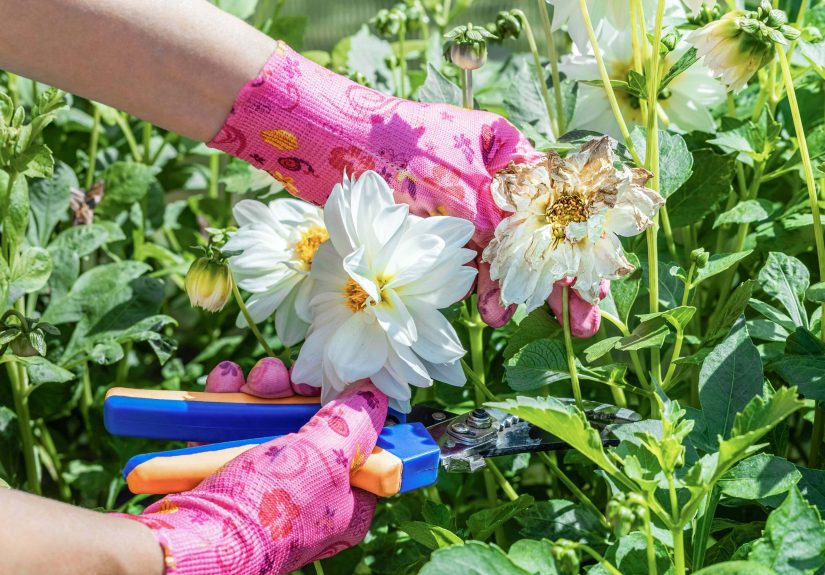
Step 1: Use the right tooland keep it clean
For most dahlias, sharp hand pruners, snips, or sturdy garden scissors work well. The key is a clean, crisp cut. Dull blades crush stems,
and crushed stems are basically an open invitation for trouble.
If you’re growing several plants (or you’ve had disease issues), disinfect pruners between plants. It sounds fussy, but it’s one of those
“small habit, big payoff” moves that helps avoid spreading fungal, bacterial, or viral problems through your patch.
Step 2: Learn the “bud vs. spent bloom” trick
Dahlias are famous for this little prank: once petals drop, the remaining head can resemble a developing bud. Here’s the cheat code:
- New bud: usually roundermore like a little marble or ball.
- Spent bloom: often more pointed or cone-shaped.
If you’re unsure, pause for two seconds and look for petals. A bud is tight and smooth. A spent head tends to look textured, papery,
or like it has already lived a full life.
Step 3: Follow the stem down to the next “decision point”
Don’t just pluck petals off the top. The goal is to remove the bloom and enough stem so the plant can redirect growth cleanly.
Follow the flower stem down until you reach a set of leaves, a side shoot, or a branching point (a node), then cut just above that.
This method does two great things at once:
- It removes the spent bloom before the plant commits energy to seed production.
- It encourages branching and often leads to longer, stronger stemsespecially helpful if you cut for bouquets.
Step 4: Consider a “deeper cut” for better shape and longer stems
With dahlias, you can often cut farther down the stem than you’d expectsometimes a good 8–12 inches (or more) below the flower,
depending on plant size and type. Done correctly, this can encourage new branching lower in the plant and reduce awkward “headless stems”
sticking up like tiny flagpoles of disappointment.
Step 5: Clean up the debris
Drop spent blooms into a bucket as you go. Leaving old flower heads and plant debris around the base can attract pests and create a damp,
messy environment where disease is more likely to thrive. Compost healthy clippings; discard anything that looks diseased.
Deadheading vs. harvesting for bouquets
If you love cut flowers, here’s the good news: harvesting is basically deadheading with better PR. Cutting blooms at their peak not only gives
you a vase full of drama, it also encourages the plant to keep producing.
A practical approach:
- Perfect bloom? Cut it for the vase, taking a longer stem and cutting back to a branching point.
- Fading bloom? Deadhead it the same waycut down to leaves or a side shoot so the plant can redirect growth.
One more tip for cut-flower folks: dahlias don’t keep “opening” much after cutting compared to some flowers, so it’s worth harvesting at peak
for the best look and vase life.
Common deadheading mistakes (aka how good intentions go sideways)
Mistake 1: Only pulling petals
If you yank off petals and leave the developing seed head behind, the plant still gets the message: “We’re making seeds now.”
Snip the bloom and stem properly to keep flowering momentum.
Mistake 2: Leaving a bare, headless stick
Cutting too close to the flower head can leave a stub that looks odd and doesn’t encourage attractive branching. Follow the stem down and cut at
a leaf set or node for a cleaner look and better regrowth.
Mistake 3: Using dull or dirty tools
Crushed stems heal poorly. Dirty tools can spread disease. Sharp + clean is the whole game here.
Mistake 4: Deadheading… but forgetting everything else
Deadheading is powerful, but it’s not magic. If dahlias aren’t blooming well, check the basics:
enough sun, reasonable feeding (not a nitrogen party), consistent water, and support for tall varieties.
When might you NOT deadhead?
There are only a few reasons to skip deadheading dahlias:
- You’re intentionally saving seed for breeding or experimentation.
- You’re done with the look and don’t mind fewer blooms (rare, but heyeveryone has hobbies).
- Frost is imminent and the plants are about to die back anywayat that point, your energy might be better spent planning tuber storage.
Otherwise, dahlias are classic “the more you pick, the more you get” plants. Deadheading is part of what makes them feel like they bloom forever.
Want even more flowers? Pair deadheading with these dahlia moves
Pinch early for bushier plants
Pinching is like telling your dahlia, “Maybe don’t put all your energy into one tall stem.” When plants are roughly 10–12 inches tall (or after
they’ve developed several sets of leaves), snipping the growing tip encourages branching. More branches often means more flowers later.
Disbud for bigger, showier blooms
If you want fewer but larger flowers (hello, dinnerplate drama), remove the smaller side buds that form below the main bud. This concentrates the
plant’s energy into the primary flower, often improving stem length and bloom sizeespecially useful for arrangements.
Stay ahead of pests that wreck buds
Slugs and earwigs are frequent villains in dahlia season, especially when plants are young or when buds are forming. Reducing debris, monitoring
regularly, and using appropriate controls can protect blooms before they even openbecause you can’t deadhead a flower that never got a chance to exist.
Quick FAQ
Will deadheading reduce tuber growth?
Generally, no. Dahlias can still form tubers well while you’re deadheading. The plant is still photosynthesizing, still building reserves, and still
running its seasonal programjust with more flowers along the way.
Can I deadhead container dahlias the same way?
Yesjust scale your cuts to the plant. Dwarf or bedding types may not need super-deep cuts, but you still want to cut back to a leaf node or branching
point for a clean look and better regrowth.
What if I accidentally cut off a bud?
Congratulations: you’ve had the classic dahlia experience. The plant will usually replace it with more growth. Use the bud-vs-spent trick and cut a little
slower when your plants are at peak production.
Gardeners’ real-world experiences with deadheading dahlias (the 500-word reality check)
In the real world, deadheading dahlias rarely looks like a perfectly choreographed gardening video. It’s more like: you walk outside for “two minutes,”
notice one sad bloom, and 25 minutes later you’re still there with a bucket of clippings wondering how your life became a floral soap opera.
One common experience happens right after a heat wave. Gardeners often report that dahlias slow down when nights stay warm and soil moisture swings from
“crispy” to “swampy.” During that lull, it’s tempting to ignore the plants. But a quick deadheading pass can be the difference between a plant that rebounds
with a fresh flush of buds and a plant that spends the next week trying to finish seed heads you didn’t even want. Pair that with steady watering and you
can practically watch the plant decide to “try again.”
Another classic moment: the “bud imposter” incident. You bend down, see a little pointed structure, assume it’s a bud, and leave it. Two days later it’s
unmistakably a spent bloom and now it’s also hosting a tiny bug convention. After that lesson, many gardeners start using a simple mantra: round is hope,
pointy is history. It’s not foolproof, but it saves a lot of accidental flower amputation.
Cut-flower growers have a different kind of deadheading story: they don’t think of it as deadheading at all. They think of it as harvestingbecause if you’re
cutting bouquets every couple of days, you’re automatically removing blooms before the plant shifts toward seed. The funny part is how quickly dahlias train you.
After a few weeks, you stop seeing your garden as “plants” and start seeing it as “future stems.” You’ll make deeper cuts, aim for branching points, and suddenly
your plants look fuller and more productivenot because you did something fancy, but because you removed flowers at the exact moment the plant was ready to pivot
toward the next cycle.
Container gardeners often mention a different win: deadheading keeps potted dahlias looking intentional instead of chaotic. In a border, a slightly droopy bloom
can disappear into the crowd. In a pot by the front door, a faded flower looks like the plant is asking for help. A quick snip makes the entire container read as
“curated” instead of “I meant to do that.” Plus, cutting back to a leaf node helps hide the cut so the plant doesn’t look like it’s missing teeth.
And then there’s the surprisingly pleasant part: deadheading becomes a daily garden check-in. Gardeners often notice problems earlierpowdery mildew starting on
lower leaves, a stake that needs adjusting, a slug nibbling a budbecause they’re already up close. So even though deadheading feels like a chore on paper, it
often turns into the habit that keeps dahlias healthier all season. The blooms are the reward, but the routine is the secret sauce.
Bottom line
If your goal is a long season of big, bold dahlia blooms, deadheading is absolutely worth it. Snip faded flowers early, cut back to a leaf set or branching point,
keep tools clean, and stay consistent through the season. Your dahlias will do what they do best: act like the main character until frost ends the story.