Table of Contents >> Show >> Hide
- Before You Pair Anything: 3 Quick Checks That Save You From Paint Regret
- 18 Colors That Go With Dark Green (With Real Decorating Ideas)
- 1) Crisp White
- 2) Cream / Ivory
- 3) Warm Beige / Sand
- 4) Greige (Gray-Beige)
- 5) Taupe / Mushroom
- 6) Charcoal Gray
- 7) Matte Black
- 8) Warm Wood Tones (Oak, Walnut, Teak)
- 9) Camel / Cognac / Caramel Brown
- 10) Blush Pink
- 11) Dusty Rose / Mauve
- 12) Burgundy / Wine Red
- 13) Terracotta / Rust
- 14) Mustard / Ochre
- 15) Navy Blue
- 16) Light Blue / Powder Blue
- 17) Lavender / Plum
- 18) Gold / Brass
- How to Use These Pairings Without Overthinking It
- Mistakes to Avoid (So Dark Green Stays Chic, Not Chaotic)
- Conclusion: Real-World Experiences With Dark Green (500+ Words of What Actually Works)
Dark green is basically the little black dress of colormoody, flattering, and somehow able to look expensive even when you bought the paint during a “why is this aisle so bright?” hardware-store moment. Whether your dark green is more forest, hunter, evergreen, or almost-black emerald, it has a superpower: it can read like a bold statement and a neutral backdrop at the same time.
The trick is choosing partner colors that keep dark green looking intentional (think: “designer did this”) rather than accidental (think: “I swear it looked different on the tiny swatch”). Below are 18 colors that go with dark greenfrom clean neutrals to spicy accentsplus practical ways to use them without turning your room into a seasonal display.
Before You Pair Anything: 3 Quick Checks That Save You From Paint Regret
1) Identify the undertone
Dark green can lean blue (cooler, jewel-toned), yellow (warmer, olive-ish), or blackened/neutral (dramatic, almost charcoal-green). Undertone decides whether your “perfect beige” looks cozy… or weirdly swampy.
2) Consider lighting (and not just at noon)
In daylight, dark green can feel crisp and classic; at night, it can go full “velvet cave” (in a good way) depending on bulbs. Warm bulbs tend to make green feel richer and more inviting; cool bulbs can make some greens look harsher or flatter.
3) Pick your “role” for dark green
Is dark green your main character (walls, cabinets, sofa), your supporting actor (accent wall, built-ins), or your accessory (pillows, art, rug)? The stronger the role, the more you’ll want balancing colors (light neutrals, warm woods, reflective metals) so the room doesn’t feel heavy.
18 Colors That Go With Dark Green (With Real Decorating Ideas)
1) Crisp White
White is the cleanest, most classic pairing with dark green. It sharpens edges, brightens shadows, and makes trim, molding, and ceilings look intentional instead of “leftover paint from 2016.” Try dark green walls with bright white trim for a tailored, timeless lookespecially in traditional living rooms, hallways, or offices.
2) Cream / Ivory
If pure white feels too stark, cream and ivory soften dark green without losing contrast. This combo is warm, inviting, and great for homes that lean classic, cottage, or organic modern. Think: dark green cabinetry + creamy walls, or a dark green sofa with ivory bouclé pillows.
3) Warm Beige / Sand
Beige gets a bad rap because people confuse it with “boring.” But with dark green, warm beige reads grounded and expensivelike a well-made trench coat. Use sand-colored rugs, linen curtains, or upholstered dining chairs to keep a dark green room airy and relaxed.
4) Greige (Gray-Beige)
Greige is for when you want neutral, but with a little backbone. It balances dark green beautifullyespecially if your green has cooler undertones. Try greige walls with dark green built-ins, or a greige sofa with dark green pillows and a patterned rug that includes both tones.
5) Taupe / Mushroom
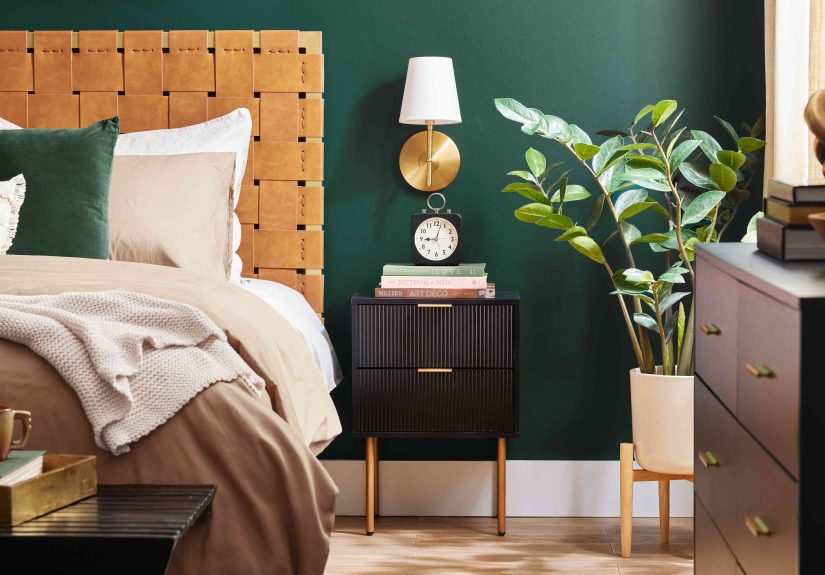
Taupe (and those “mushroom” neutrals designers love) create a calm, layered palette with dark green. It’s a great option for bedrooms: dark green accent wall, taupe bedding, and warm wood nightstands for a space that feels like a boutique hotelminus the awkward minibar pricing.
6) Charcoal Gray
Charcoal makes dark green feel modern and architectural. The key is contrast: if both are very deep, add lighter elements (off-white, pale wood, or glass) so the room doesn’t feel like it’s wearing all-black in summer. Charcoal works especially well in kitchens and baths with dark green cabinets or tile.
7) Matte Black
Black + dark green is sleek, bold, and dramaticin a “moody library” way, not a “forgot to turn on the lights” way. Use black in smaller doses: hardware, picture frames, lighting, curtain rods, or a statement mirror. Dark green cabinetry with matte black pulls is a modern classic.
8) Warm Wood Tones (Oak, Walnut, Teak)
If you want dark green to feel natural (not formal), bring in wood. Warm wood tones add texture and a lived-in softness that balances green’s depth. Picture a dark green wall behind a walnut console, or dark green cabinets paired with oak shelves. Wood makes the green feel less “paint color” and more “forest, but make it stylish.”
9) Camel / Cognac / Caramel Brown
These warm, honeyed browns pair with dark green like they’ve been best friends since vintage leather chairs were invented. Use camel in rugs, throws, and upholstery; use cognac leather in accent chairs or bar stools. This is a go-to palette for cozy living rooms and masculine-leaning spaces (without turning everything into a “gentleman’s club” stereotype).
10) Blush Pink
Blush is a surprising hero with dark green. It softens the mood and adds warmth without screaming for attention. Try blush in art, pillows, florals, or a small upholstered piece. It’s also gorgeous with dark green when you add brass for a layered, romantic look.
11) Dusty Rose / Mauve
If blush feels too sweet, dusty rose and mauve are its grown-up cousinsmuted, sophisticated, and easy to live with. These tones shine in bedrooms and dining rooms: dark green walls, mauve drapery, creamy trim, and warm wood finishes.
12) Burgundy / Wine Red
Red and green are opposites on the color wheel, which is why they naturally pop together. Burgundy keeps that contrast but makes it rich, not festive. Use wine red in velvet pillows, an area rug pattern, or artwork. Bonus points if you add a little brass or antique gold for a jewel-box vibe.
13) Terracotta / Rust
Terracotta is earthy, warm, and slightly sunbakedexactly the kind of color that makes dark green feel grounded and organic. If your dark green leans cool, terracotta adds balance. If your green leans olive, terracotta makes the whole palette feel like nature got a great stylist. Try terracotta planters, pillows, tiles, or a patterned rug.
14) Mustard / Ochre
Mustard and ochre add energy to dark green without going neon. This pairing works especially well in vintage-inspired or eclectic homes. Think: dark green wall + mustard accent chair, or dark green cabinets with ochre-toned textiles. Keep the rest of the palette simple (cream, wood, black accents) so it doesn’t get chaotic.
15) Navy Blue
Navy and dark green are both deep, so the success is all about contrast in texture and scale. Navy brings a tailored, preppy richnessespecially with crisp white and warm metal accents. Use navy in rugs, upholstery, or artwork. If you’re doing dark green walls, a navy sofa can work beautifully when you add lighter pillows and a pale rug to keep things open.
16) Light Blue / Powder Blue
Want dark green to feel fresh instead of heavy? Add a soft, airy blue. Powder blue and pale blue lighten the mood and feel especially good in bedrooms, bathrooms, and sunrooms. Try a pale blue patterned shower curtain with dark green walls, or powder blue pillows on a dark green couch.
17) Lavender / Plum
Purple tones can make dark green feel luxe and editorial. Lavender is softer and more whimsical; plum is deep and dramatic. Use lavender in art, florals, or bedding accents. Use plum in a rug, velvet throw, or statement chairthen anchor the whole thing with cream and warm wood so it doesn’t feel like a fantasy novel cover (unless that’s the goal, in which case: respect).
18) Gold / Brass
Gold and brass are the fast track to making dark green look elevated. Warm metals reflect light and add sparkle, which is especially helpful in rooms with dark green walls or cabinetry. Think brass cabinet pulls, a gold-framed mirror, vintage-inspired lighting, or even small decor pieces like trays and candlesticks.
How to Use These Pairings Without Overthinking It
Use the “balance rule”
If dark green is dominant, add at least one light neutral (white, cream, beige) and one warm element (wood, brass, terracotta). This keeps the palette from going flat or gloomy.
Mix finishes and textures
Dark green loves texture: linen, velvet, wool, rattan, warm wood grain, glossy tile, honed stone. Texture is how you make a dark palette feel layered instead of heavy.
Pick one “spice color”
Choose one bold accent (mustard, blush, burgundy, terracotta, lavender) and repeat it 2–3 times around the room. That repetition is what makes the design feel deliberatelike you planned it, not like you panic-bought pillows online at 1 a.m.
Mistakes to Avoid (So Dark Green Stays Chic, Not Chaotic)
- Going too dark everywhere: If walls, sofa, rug, and curtains are all deep tones, add light contrast (trim, ceiling, textiles) or reflective finishes (metal, glass).
- Ignoring undertones: A cool blue-green can fight with a yellow-beige. A warm olive can clash with icy grays. Test together in your actual lighting.
- Overloading accent colors: Dark green can handle color, but it still needs breathing room. Pick one or two accents and let neutrals do the supporting work.
- Forgetting warmth: Dark green can go cold fast in north-facing rooms. Warm wood, brass, terracotta, and creamy whites fix that instantly.
Conclusion: Real-World Experiences With Dark Green (500+ Words of What Actually Works)
Dark green is one of those colors people fall in love with online… and then get nervous about the moment it’s on their wall in real life. That reaction is normal. In real homes, dark green tends to go through a “three-stage glow-up”: first it looks dramatic, then it looks darker than expected, and finallyonce the room is styledit looks intentional. The difference between stage two and stage three is almost always the same handful of practical moves.
One common experience is using dark green in a small bathroom. On day one, it can feel boldlike you just gave your powder room a tuxedo. But once you add crisp white towels, a warm wood vanity (or even a wood shelf), and a brass mirror, the space starts reading as elevated rather than cramped. People are often surprised that dark green doesn’t necessarily make a small room feel smaller; instead, it can blur edges and create a cozy, enveloping effectespecially when the finishes bounce a bit of light back (glossy tile, polished hardware, a mirror with a substantial frame).
Another frequent real-life scenario: dark green kitchen cabinets. The cabinets look stunning… and then you realize the room needs balance. In practice, the best results usually come from pairing dark green with a lighter counter or backsplash (white, creamy, or light stone) plus warm metals or wood. Homeowners also tend to love adding a “bridge color” like beige, greige, or taupe on walls to keep the green from feeling too heavy. And if the kitchen doesn’t get a ton of natural light, warm bulbs and under-cabinet lighting become the unsung heroeslike backup dancers that somehow steal the show.
Dark green also shows up a lot in living rooms as either a sofa or an accent wall. Here’s what people commonly learn: if you pair dark green with only other deep shades (navy, charcoal, black) the room can start to feel intense unless you deliberately add softness. That softness can be cream curtains, a pale rug, a chunky knit throw, or warm wood furniture. Even adding one “light catcher” (a brass lamp, a gold frame, a glass-top table) can make the whole palette feel more breathable. The rooms that feel the most “finished” are usually the ones that repeat a supporting color 2–3 timeslike camel leather in a chair, then again in a throw pillow, then again in a basket or frame.
A more playful experience: using dark green with a spice color like mustard, terracotta, or blush. In real homes, these accents work best when they’re not evenly distributed like confetti. Instead, they shine when they’re repeated with purpose. For example: terracotta in a rug pattern, echoed by a planter, echoed again by a piece of art. Or mustard in one standout chair, repeated in a pillow stripe and a book spine or vase. That repetition is what makes the color story feel styled rather than random.
Finally, one of the most practical lessons people share is about testing color in place. Dark green is famous for shifting with light. A green that looks “classic forest” in the store can read more olive in warm afternoon light, or more blackened emerald at night. In real-life projects, testing a larger sample (and checking it morning, afternoon, and evening) is usually the difference between “I love it” and “why does this look like a completely different planet after sunset?”
The good news: once you pair dark green with the right supporting castlight neutrals for contrast, warm elements for comfort, and one accent color for personalityit becomes surprisingly easy to live with. Dark green isn’t just a trend color; it’s a flexible foundation that can look traditional, modern, cozy, dramatic, or calm depending on what you put next to it. And if anyone asks why you chose it, you can simply say, “Because I wanted my room to feel like a hug from a very stylish forest.”