Table of Contents >> Show >> Hide
Note: In real life, “without finger pricks” usually means without routine finger-stick testing. Even with modern continuous glucose monitors, you may still need a backup meter if a reading does not match how you feel or if your clinician tells you to double-check a result.
For years, checking blood sugar meant doing a tiny vampire routine at the kitchen table: lancet, strip, drop of blood, sigh, repeat. It worked, but it was hardly anyone’s idea of a good time. The good news is that modern glucose technology has gotten much smarter, smaller, and a lot less pokey. Today, several monitors can track glucose continuously without requiring the old-school finger-stick routine for everyday use.
That said, not every “no finger-prick” device is built for the same person. Some are prescription continuous glucose monitors for people with diabetes who need treatment decisions and alerts. Others are over-the-counter biosensors designed more for pattern spotting than medical management. So if you are shopping for a blood sugar monitor without finger pricks, the best choice depends on what you actually need: diabetes management, lifestyle insight, stronger alerts, longer wear time, or easier access.
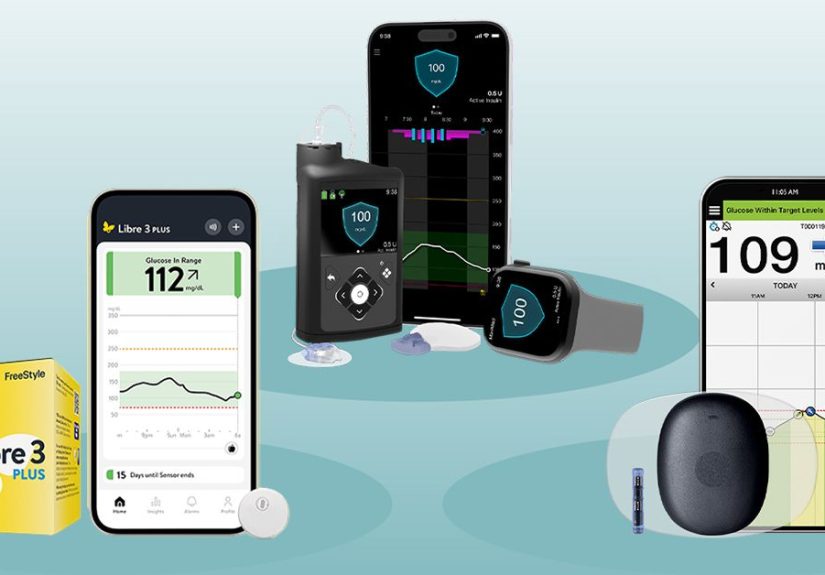
Below are three of the strongest options on the U.S. market right now: Dexcom G7, FreeStyle Libre 3 Plus, and Stelo. Each one can reduce or eliminate routine finger sticks for the right user, but they shine in different ways.
What “Without Finger Pricks” Really Means
Before we get to the lineup, let’s clear up one important point. These devices are generally continuous glucose monitors, or CGMs, not traditional one-time blood glucose meters. Instead of waiting for you to test manually, they use a sensor worn on the body to measure glucose in interstitial fluid throughout the day and night. That gives you trends, patterns, and alerts instead of a single isolated number.
Why does that matter? Because blood sugar is not a still photograph. It is a movie. A regular meter shows one frame. A CGM shows whether your glucose is steady, climbing after lunch, dropping during a workout, or heading south at 2 a.m. like it just got bad news. That trend information is often the most useful part.
Still, “no finger pricks” is not a magic phrase that means “forget your backup plan forever.” If your symptoms do not match the reading, if a device throws an error, or if your healthcare team tells you to confirm a number, a traditional finger-stick meter may still matter. Think of these devices as major upgrades, not permission slips to throw all your strips into the sun.
Quick Snapshot: The 3 Best No-Finger-Prick Options
1. Dexcom G7
Best for: People who want robust alerts, fast setup, and strong diabetes-management features.
2. FreeStyle Libre 3 Plus
Best for: People who want a tiny sensor, real-time readings, and longer wear time.
3. Stelo
Best for: Adults not on insulin who want an over-the-counter glucose biosensor without needing a prescription.
1. Dexcom G7
If the Dexcom G7 were a student in class, it would be the one who already did the homework, color-coded the notes, and somehow also brought snacks. It is one of the most complete no-finger-prick glucose monitoring options in the U.S. right now.
The Dexcom G7 is a prescription CGM indicated for people with diabetes ages 2 and older. It is designed to replace finger-stick blood glucose testing for diabetes treatment decisions, and it is factory calibrated, which means you do not have to do routine calibration finger sticks. It also sends readings automatically to a compatible device, and its alert system is one of its biggest strengths.
Why Dexcom G7 Stands Out
The G7 appeals to people who want a more proactive experience. It delivers real-time glucose readings automatically, offers customizable alerts, and is known for a fast warm-up compared with other systems. If you want a monitor that feels like it is actively looking out for you, Dexcom has a strong case.
Another reason people gravitate to Dexcom is ecosystem compatibility. It works with a broad range of connected tools and can fit neatly into tech-heavy diabetes management. For someone using insulin, paying close attention to highs and lows, or sharing data with family members or a care team, that connectivity is a real advantage.
Who It Is Best For
Dexcom G7 is especially appealing for:
- People with type 1 diabetes who want strong alerts and trend visibility.
- People with insulin-treated diabetes who need actionable real-time data.
- Parents and caregivers who want easier sharing and monitoring.
- Anyone who values automatic readings without scanning.
Potential Drawbacks
The G7 is excellent, but it is not perfect. It is still a wearable sensor, so you have to change it regularly. Insurance coverage varies. Some users love alerts; some feel like their phone has become a very judgmental life coach. And while it reduces finger sticks dramatically, you may still need a meter if symptoms and readings do not line up.
Bottom line: If you want the most full-featured, real-time, treatment-focused option in this group, Dexcom G7 is one of the easiest choices to recommend.
2. FreeStyle Libre 3 Plus
If Dexcom G7 is the overachiever, the FreeStyle Libre 3 Plus is the sleek minimalist who somehow still gets everything done. It is tiny, discreet, and built for people who want continuous glucose data without turning their arm into a billboard for medical technology.
The FreeStyle Libre 3 Plus is a prescription CGM for people with diabetes ages 2 and older. It is intended to replace blood glucose testing for treatment decisions in most day-to-day use, and it does not require finger-stick calibration. The sensor can be worn for up to 15 days, which is a meaningful convenience upgrade for people who are tired of frequent sensor changes.
Why FreeStyle Libre 3 Plus Stands Out
The biggest selling point is balance. The Libre 3 Plus gives you real-time readings, optional alarms, and a small form factor that many people find easier to live with. It is the kind of device that works best when you want the benefits of CGM without feeling like your gadget is auditioning for the lead role in your daily routine.
Abbott’s system also emphasizes simplicity. The sensor is small, the app is straightforward, and the overall feel is less “mission control” and more “quiet competence.” For a lot of users, that matters. A good monitor is not just accurate; it is something you will actually keep wearing.
Who It Is Best For
FreeStyle Libre 3 Plus is a smart fit for:
- People who want a smaller, more discreet sensor.
- People who prefer a 15-day wear time.
- Users who like real-time data but do not want an overly complicated experience.
- Families looking for a diabetes CGM option for children ages 2 and up.
Potential Drawbacks
The Libre 3 Plus still depends heavily on the app experience and phone setup if you want alarms and easy visibility. And while it supports treatment decisions without routine finger sticks, that does not erase the occasional need for backup confirmation. As with any CGM, it also makes sense to check for current safety notices and product updates before buying or refilling.
Bottom line: If you want a tiny, modern CGM that feels simple and low-drama while still offering real-time data, FreeStyle Libre 3 Plus is one of the strongest contenders available.
3. Stelo
Stelo is the wildcard in the best possible way. It is not a prescription-only diabetes CGM like the first two. It is an over-the-counter glucose biosensor designed for adults ages 18 and older who do not use insulin. That means it opens the door to people who want glucose data without scheduling a prescription detour first.
Stelo is especially interesting because it serves a different slice of the market. Maybe you have type 2 diabetes and are not on insulin. Maybe you have prediabetes. Maybe you simply want to understand how meals, workouts, sleep, and stress affect your glucose patterns. Stelo is built for that kind of visibility.
Why Stelo Stands Out
The main draw is access. No prescription means fewer barriers, which is a huge deal for adults who want to start tracking without turning the process into a scavenger hunt through insurance rules, pharmacy logistics, and doctor portal messages.
Stelo also gives people a way to connect daily choices to glucose changes. That can be powerful. A lot of healthy-sounding habits look different once you see how your body responds in real time. Your “light lunch” may be a stealth sugar cannon. Your innocent smoothie may have the blood sugar behavior of a fireworks show. Data has a way of ending arguments with your own assumptions.
Who It Is Best For
Stelo may be a good fit for:
- Adults 18 and older who are not on insulin.
- People with type 2 diabetes who want easier access to continuous glucose data.
- People with prediabetes who want to learn how food and activity affect them.
- Health-focused users who want pattern insight rather than prescription-level diabetes tech.
Potential Drawbacks
This is where you need to be honest with yourself. Stelo is not trying to be Dexcom G7 in a fake mustache. According to its FDA summary, it is meant for adults not on insulin, and its app experience is different. It does not provide glucose or system alerts the way treatment-focused CGMs do. That means if you need aggressive high/low warnings, insulin-dosing support, or a more medical-management-oriented tool, this may not be your best option.
Bottom line: Stelo is a compelling over-the-counter choice for adults who want a no-finger-prick glucose monitor without the prescription hurdle, as long as they understand it is built for insight and awareness rather than intensive diabetes management.
How to Choose the Right Monitor for Your Life
If all three sound appealing, here is the easiest way to sort them out.
Choose Dexcom G7 if…
You want the most treatment-focused experience, stronger alerts, faster data flow, and a system built for serious daily diabetes management.
Choose FreeStyle Libre 3 Plus if…
You want a prescription CGM that is small, sleek, relatively simple, and able to go longer between sensor changes.
Choose Stelo if…
You are an adult not on insulin and you want over-the-counter access to continuous glucose data without dealing with the prescription process.
Another key factor is lifestyle. If you hate frequent changes, wear time matters. If you hate noise, alerts matter. If you hate friction, prescription status matters. If you hate guessing what breakfast did to your glucose, all three will feel like a major step up from the old finger-stick-only approach.
500+ Words on Real-World Experience With No-Finger-Prick Glucose Monitors
The most interesting thing about using a no-finger-prick glucose monitor is not the sensor itself. It is the way your relationship with food, exercise, sleep, stress, and routine starts to change once you can actually see what is happening in near real time.
Many people begin with one simple emotion: relief. Not because a CGM makes diabetes easy, but because it removes some of the friction that made monitoring feel like a chore. With a traditional meter, each reading can feel like an event. You wash your hands, find the strips, do the finger stick, hope you got enough blood, and wait for the number. With a modern glucose monitor, the information is already there. That shift matters more than it sounds. When the barrier to checking drops, people often look more often, learn more, and feel less in the dark.
Then comes the surprise phase. This is when users start noticing patterns they did not fully appreciate before. Breakfast is a classic example. A person may swear that a bowl of cereal is “light” until the graph says otherwise. Someone else may discover that a walk after dinner smooths out a rise better than expected. Another person may find that poor sleep wrecks their next morning numbers more dramatically than dessert ever did. These moments are not just informative; they can be behavior-changing because the feedback is immediate and personal. It is one thing to hear that exercise helps blood sugar. It is another thing to watch your own curve calm down after a 20-minute walk.
There is also an emotional learning curve. Continuous data can feel empowering, but it can also feel intense at first. Some people become temporarily obsessed with every rise and dip, as if each graph were a courtroom drama. Over time, most users learn that the value of CGM is not perfection. It is pattern recognition. A single spike is not the end of civilization. A repeated pattern is useful. The best experience tends to happen when people use the data as information, not as a personality test.
Another common experience is better timing. People often get more strategic about meals, workouts, medications, and even sleep once they can see trends instead of guessing. Rather than waiting until they “feel off,” they can notice a rise, a drop, or a trend arrow and respond sooner. That can lead to fewer unpleasant surprises and a stronger sense of control. For caregivers and families, it can also reduce some of the mental load because the data is more continuous and easier to review.
There are still annoyances, of course. Sensors have to be applied, replaced, and worn. Adhesive can be annoying for some users. Alerts can be helpful or mildly dramatic, depending on the day. Apps can be brilliant one minute and needy the next. But even with those frustrations, many people report that going back to finger sticks alone feels like going from GPS to a paper map and a shrug.
In the end, the experience of using one of these monitors is less about avoiding a finger prick and more about gaining context. You are no longer checking glucose only when you think of it. You are seeing how your body behaves across real life: meals, meetings, workouts, late nights, stress, travel, and ordinary Tuesday chaos. For many users, that context is the real breakthrough.
Final Thoughts
If you are looking for blood sugar monitors without finger pricks, the best current options are not one-size-fits-all. Dexcom G7 is excellent for people who want a full-featured prescription CGM with strong alerts and serious diabetes-management muscle. FreeStyle Libre 3 Plus is a top pick for people who want a tiny, discreet, 15-day sensor with real-time data and a simpler feel. Stelo is the standout over-the-counter option for adults not on insulin who want easy access to glucose insights without the prescription obstacle course.
The biggest takeaway is simple: modern glucose monitoring has moved far beyond the era of constant finger sticks. These devices do more than reduce pokes. They reveal patterns, improve awareness, and help turn blood sugar management from a series of isolated guesses into something much more informed. And honestly, fewer finger pricks is not just convenient. It is a deeply persuasive sales pitch for your fingertips.