Table of Contents >> Show >> Hide
- Before You Start: The 5-Minute Setup That Makes Everything Easier
- Way #1: The “No-Makeup Makeup” Look (Barely There, But Better)
- Way #2: The Classic Everyday Face (Polished, Balanced, Office-to-Dinner)
- Step-by-step
- 1) Base: light-to-medium foundation (or buildable coverage)
- 2) Conceal + brighten (without the “reverse raccoon”)
- 3) Set strategically (powder is a spice, not a side dish)
- 4) Warmth + shape: bronzer (optional, but flattering)
- 5) Blush (yes, even if you’re shy about blush)
- 6) Simple eyes: one-and-done shadow
- 7) Mascara + brows
- 8) Finish: setting spray (optional, but it helps)
- Way #3: The 10-Minute “Camera-Ready” Routine (Fast, Fresh, Won’t Betray You on Zoom)
- Common Beginner Mistakes (And How to Fix Them Without Starting Over)
- Shade Shortcuts (Because Choosing “Beige 7” Is Not a Real System)
- Quick Hygiene Notes (Because Eye Infections Are Not a Beauty Trend)
- Real-Life Experiences: What Beginners Commonly Run Into (And How They Get Past It)
- Conclusion
“Basic makeup” sounds like it should come with a starter pack and a tiny instruction manual. Spoiler: it doesn’t. But it can be simplelike, “I still recognize myself in the mirror” simple. Below are three beginner-friendly ways to apply basic makeup, depending on how much time you have and how much you want to look like you slept eight hours (even if you absolutely did not).
Each method follows the same core idea: prep the skin, keep layers thin, and place product only where it helps. You’ll get fewer cakey moments, fewer “why is my foundation separating like a dramatic couple?” moments, and more “oh… wait… this is cute.”
Before You Start: The 5-Minute Setup That Makes Everything Easier
1) Skin prep (non-negotiable, sorry)
- Cleanse (even a quick rinse can help remove excess oil that makes makeup slide).
- Moisturize (hydrated skin = smoother base, less patchiness).
- Sunscreen (AM)broad-spectrum SPF is part of “basic,” even if your makeup claims it has SPF. Let it set for a minute or two before you start makeup.
2) Primer (optional, but useful)
Think of primer as the “double-sided tape” of makeupespecially if you get oily, live somewhere humid, or your face tends to eat foundation by lunchtime. Choose based on your main issue:
- Oily / pores: blurring or oil-control primer (mostly on the T-zone).
- Dry / texture: hydrating primer (thin layer; don’t overdo it).
- Makeup won’t last: a “grippy” primer under base products.
3) Tools that make beginner life easier
- Damp makeup sponge (great for natural blending).
- Small concealer brush (precision = fewer product piles).
- Fluffy powder brush (prevents “flour face”).
- Spoolie / brow brush (because brows are basically punctuation).
Quick pro tip: if something looks heavy, don’t panic-add more makeup. Usually the fix is blending (with a clean sponge) or less product next time. Your face is not a drywall project.
Way #1: The “No-Makeup Makeup” Look (Barely There, But Better)
This is for days when you want to look refreshed without looking “done.” The goal is real skinjust a little more even, a little more awake, and a little less “I answered emails at 2 a.m.”
Step-by-step
1) Sheer base: tint, not blanket
- Use a tinted moisturizer, BB/CC cream, or skin tint.
- Apply a pea-sized amount, starting in the center of your face and blending outward.
- Use fingers for speed or a damp sponge for the most natural finish.
2) Spot conceal like you’re editing, not repainting
- Dot concealer only where needed: under eyes (inner corner and outer corner), around the nose, and on any redness or blemishes.
- Blend edges so the center stays covered but the transition disappears. (This is the difference between “natural” and “mask.”)
3) Add life back: cream blush
- Smile slightly and tap cream blush on the upper apples of your cheeks.
- Blend upward toward temples for a lifted look.
- If you’re unsure on shade: peach is usually safe; rose feels classic; berry pops beautifully on deeper tones.
4) Soft definition: brows + lashes
- Brush brows up with a spoolie, then set with tinted or clear brow gel.
- Curl lashes (yes, it matters), then apply one light coat of mascara.
- If mascara always smudges: try a tubing mascara or set your under-eye concealer with a touch of powder.
5) Lips: “I’m hydrated” energy
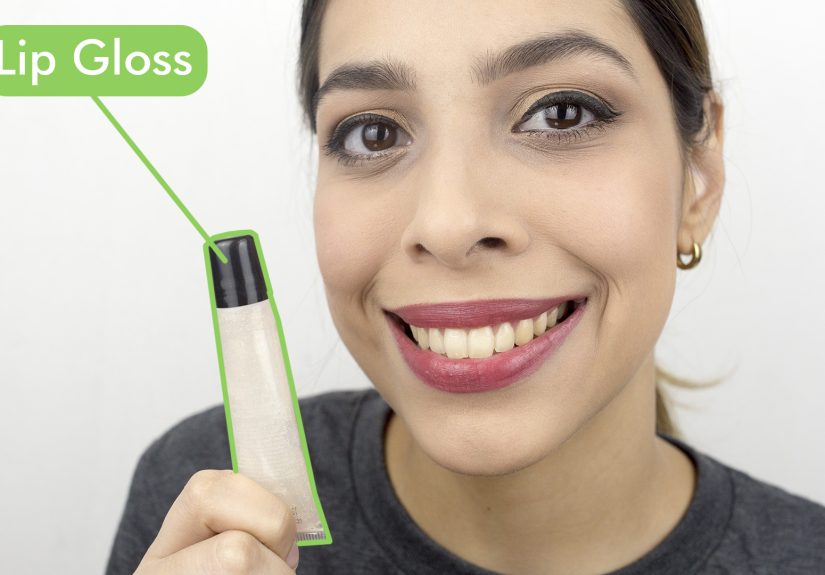
- Finish with a tinted balm, gloss, or sheer lipstick.
- If your lips are dry, a tiny dab of balm first prevents the “flaky heartbreak” effect.
Best for: beginners, dry-to-normal skin, minimalists, and anyone who likes compliments that start with “You look so well-rested!” (even if you’re running on caffeine and vibes).
Way #2: The Classic Everyday Face (Polished, Balanced, Office-to-Dinner)
This is the “put-together” basic look: even skin, subtle definition, and features that look intentional. Still beginner-friendlyjust a few extra steps for a more consistent finish.
Step-by-step
1) Base: light-to-medium foundation (or buildable coverage)
- Use a foundation with a natural finish (not ultra-matte if you’re newmatte can get tricky fast).
- Start with one pump or less.
- Apply in thin layers: center of face first, blend outward.
- If you need more coverage, add a little more only where needed.
2) Conceal + brighten (without the “reverse raccoon”)
- Pick a concealer that matches your skin for blemishes.
- For under eyes, go 1 shade lighter (not 3). You’re brightening, not installing headlights.
- Tap to blend; don’t drag the skin.
3) Set strategically (powder is a spice, not a side dish)
- Dust translucent powder on the T-zone and under eyes if you crease.
- Leave cheeks more natural if you want a healthy glow.
4) Warmth + shape: bronzer (optional, but flattering)
- Use a fluffy brush and apply bronzer lightly to the perimeter: temples, hairline, under cheekbone (softly), jawline.
- Blend until you’re sure it’s gone… then stop. (That’s the sweet spot.)
5) Blush (yes, even if you’re shy about blush)
- Powder blush goes on after powder; cream blush goes on before powder.
- Tap on, blend up. If you overdo it, diffuse with a clean sponge or a touch of leftover foundation on your sponge.
6) Simple eyes: one-and-done shadow
- Pick a neutral shade close to your skin tone (taupe, soft brown, warm beige).
- Sweep across the lid and blend the edge in the crease with a fluffy brush.
- Add a tiny shimmer to the center lid if you want “awake” without “party.”
7) Mascara + brows
- Two thin coats of mascara beat one thick coat that clumps and ruins your day.
- Fill sparse brow areas with light strokes, then set with gel.
8) Finish: setting spray (optional, but it helps)
- If you used powder, a few sprays can melt layers together so everything looks more skin-like.
Best for: normal-to-oily skin, work/school, photos where you want your face to read clearly (without screaming “glam”).
Way #3: The 10-Minute “Camera-Ready” Routine (Fast, Fresh, Won’t Betray You on Zoom)
This method is for busy mornings and last-minute invites. It’s faster than a full face, but more defined than no-makeup makeup. The trick is using cream products and keeping everything where the camera cares: under eyes, cheeks, brows, lashes, lips.
Step-by-step
1) Grip + blur (pick one, or mix zones)
- Use a grippy primer where makeup fades (usually around the nose and cheeks).
- Use a blurring primer on the T-zone if you shine.
2) Quick base: conceal + sheer coverage
- Skip heavy foundation. Use a skin tint or apply foundation only where needed.
- Conceal under eyes and around the nose. Blend with a damp sponge for speed.
3) Cream blush + (optional) cream bronzer
- Cream blush instantly reads “alive” on camera.
- If you look flat on screen, add a whisper of bronzer at temples and cheekbones.
4) Brows: quick lift
- Brush up and set with gel.
- If you need filling, focus on the tail end (it frames the face most on camera).
5) Eyes: tight, clean definition
- Curl lashes.
- Apply mascara (top lashes minimum).
- If you want extra definition fast: smudge a soft brown pencil along the upper lash line and blend with a fingertip.
6) Lock it in (lightly)
- Set under eyes and T-zone with a touch of powder.
- Finish with setting spray if you want longer wear and less “powdery” texture.
Best for: video calls, errands, quick dates, and anyone who wants “effortless” results while putting in… a very specific amount of effort.
Common Beginner Mistakes (And How to Fix Them Without Starting Over)
Problem: Foundation looks patchy or clings to dry spots
- Fix: more moisturizer (give it a minute), less foundation, and press with a damp sponge.
- Next time: exfoliate gently the night before; avoid piling powder on dry areas.
Problem: Makeup pills (little rolled-up bits)
- Fix: stop rubbing. Pat with a sponge to smooth.
- Next time: use thinner layers, wait between skincare and makeup, and avoid mixing too many silicone-heavy products at once.
Problem: Concealer creases under the eyes
- Fix: blend, then set with a tiny amount of powder.
- Next time: use less product; concentrate concealer at the inner corner and outer corner instead of coating the entire under-eye.
Problem: Mascara smudges by noon
- Fix: set under eyes with powder; use a tubing mascara; avoid heavy eye cream right before mascara.
Shade Shortcuts (Because Choosing “Beige 7” Is Not a Real System)
Foundation
- Match to your neck/jawline, not your hand.
- If between shades: choose the slightly lighter one and warm it with bronzer.
- Undertone hint: green-ish veins often read warm; blue/purple often read cool; mixed can be neutral. (Not perfect, but helpful.)
Concealer
- Spot concealing: match your foundation shade.
- Under-eye brightening: 1 shade lighter (and consider peachy tones for dark circles).
Blush
- Warm undertones often love peach/coral.
- Cool undertones often love rosy pinks.
- Deeper skin tones can look incredible with berry, terracotta, and richer rose shades.
Quick Hygiene Notes (Because Eye Infections Are Not a Beauty Trend)
- Don’t share mascara or eyeliner (your eyes deserve boundaries).
- Replace mascara regularlyespecially if it smells off, gets clumpy, or you’ve had an eye infection.
- Wash brushes/sponges routinely to reduce breakouts and product buildup.
- If a product changes smell, color, or textureretire it. Respectfully.
Real-Life Experiences: What Beginners Commonly Run Into (And How They Get Past It)
When people start learning basic makeup, the funniest part is realizing the “hard” part isn’t eyeliner wingsit’s everything that happens before eyeliner wings. Beginners often report that the first few tries feel like assembling furniture with instructions translated through five languages: technically possible, mildly confusing, and somehow you have three extra screws.
One of the most common early experiences is using too much product. It’s not because beginners are recklessit’s because most people expect makeup to behave like paint: “If I cover the whole area, it’ll look even.” In reality, makeup behaves more like seasoning. A little makes the whole thing better; too much and you can’t un-salt the soup. The “aha” moment usually happens when someone tries applying half as much foundation and suddenly their skin looks more like skin. Thin layers are the cheat code.
Another frequent experience: the great shade mismatch. Many people start by testing foundation on their hand (which is almost never the same color as their face) and then wonder why their face looks like it’s wearing a different shirt than their neck. Once they switch to matching on the jawline and checking in natural light, everything clicks. A simple trick beginners love is taking a quick phone photo near a windowcameras are brutally honest in a way bathroom lighting refuses to be.
Then there’s texture panic. The first time someone notices foundation sitting on dry patches or settling into lines, they assume they “have bad skin.” Most of the time, it’s just product sitting on product: skincare not fully absorbed, too much powder, or a foundation finish that doesn’t match their skin type. Beginners who succeed long-term usually learn to adjust one variable at a timeswap to a hydrating primer, use a damp sponge, set only the T-zoneuntil they find the combo that behaves.
People also commonly experience makeup migration: concealer creasing, mascara smudging, blush disappearing. The fix is almost always a smarter placement strategy. Under-eye creasing improves when you use less concealer and set lightly. Mascara smudging improves when you keep eye cream away from the lash line and add a tiny dusting of powder under the eyes. Blush that disappears often needs either a cream formula or a slightly more saturated shade than you thinkbecause your natural face warmth “eats” softer colors.
Finally, beginners often report the most important experience of all: confidence lag. You can do everything “right” and still feel weird seeing yourself with makeup at first. That’s normal. The people who end up loving their routine usually start with the smallest winsbrows + mascara + tinted lip balmand expand from there. Basic makeup isn’t a test you pass; it’s a toolkit you customize. And once you find your three-minute version, you’ll wonder how you ever lived without it (or at least how you ever survived fluorescent office lighting without concealer).
Conclusion
Basic makeup doesn’t have to be complicated or expensive or look like you’re auditioning for a reality show reunion episode. Choose the method that fits your day: No-makeup makeup for fresh and effortless, classic everyday for polished and balanced, and camera-ready for fast definition that holds up on screen. Start small, keep layers thin, and remember: you can always add moreremoving more is where the drama lives.