Table of Contents >> Show >> Hide
There are a few moments in life when your brain turns into a full-time alarm system. One of them is that awful instant when you start wondering, Is this person following me? Maybe they appeared outside the grocery store, then again at the gas station, then somehow managed to be right behind you when you changed direction. Suddenly your iced coffee tastes like adrenaline.
Here’s the important thing: you do not need courtroom-level proof before taking your safety seriously. If your gut says something feels off, that feeling deserves attention. People often talk themselves out of reacting because they don’t want to seem dramatic, rude, or paranoid. But when it comes to personal safety, being a little “overcautious” is usually far smarter than being politely underprepared.
If you think you’re being followed, your goal is not to win an argument, impress anyone with your bravery, or turn into the star of an action movie. Your goal is simple: increase safety, reduce isolation, and get help fast. The smartest response is usually a calm, practical one.
Below are three effective ways to avoid an attack if you think you’re being followed, plus real-world-style examples, common mistakes to avoid, and a longer section of experiences related to this situation so the advice sticks in your head when you need it most.
1. Move Toward People, Light, and Help Immediately
The first and most important move is to get out of isolation. If someone is following you, your safest advantage is visibility. A follower usually has more confidence when you are alone, distracted, or easy to corner. That confidence tends to shrink in bright, public, staffed places where other people can see what’s happening.
Trust your instincts before your inner skeptic talks you out of it
Many people waste precious time trying to be “fair” to the suspicious person. They think maybe they’re imagining it, maybe it’s a coincidence, maybe it would be embarrassing to react. Meanwhile, the situation keeps developing. Personal safety is not a debate club. If you feel unsafe, act like it matters.
You do not need to wait until someone grabs your arm, blocks your path, or says something threatening. Repeated presence, unusual mirroring of your movements, someone appearing in places they should not logically be, or a vehicle that keeps circling near you can all be reasons to change course and seek help.
Go somewhere public and preferably staffed
The best destination is not just “anywhere with people.” It is somewhere with people and some chance of intervention. Good examples include:
- a busy store or pharmacy
- a hotel lobby
- a hospital entrance
- a police station or fire station
- a coffee shop with staff at the counter
- a gas station with attendants or customers around
If possible, walk directly to an employee, security guard, receptionist, cashier, or manager and say clearly, “I think I’m being followed and I need help.” Be direct. This is not the time for vague small talk. You are allowed to be inconvenient. In fact, this is one of those rare life moments when becoming a loud administrative problem is an excellent idea.
Do not go home
One of the biggest mistakes people make is heading straight home because home feels safe. But if a suspicious person is following you, leading them to your address creates a new and possibly ongoing risk. The same goes for parking in a dark lot, ducking into a quiet alley, or trying to “lose them” by going somewhere empty. Isolation helps the wrong person.
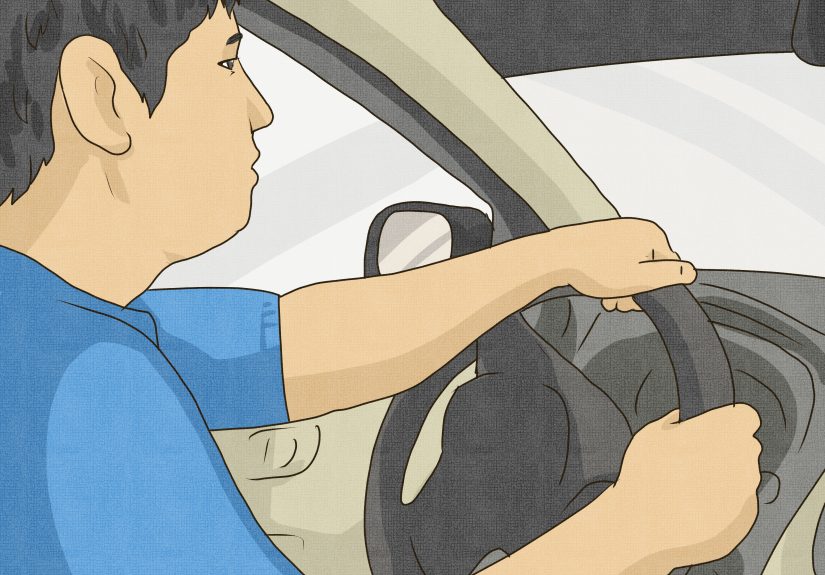
If you’re walking, cross into a business or other public place. If you’re driving, stay on main roads and head to a well-lit public location or a police or fire station if one is nearby. Keep your doors locked and avoid stopping in an isolated area just to confirm your suspicion.
Call emergency services when danger feels immediate
If the person is closing distance, trying to block you, attempting to enter your car, threatening you, or continuing after you have clearly tried to get to safety, call 911 right away. Give your location, describe the person or vehicle, and say plainly that you believe you’re being followed and fear for your safety.
If speaking feels unsafe, try to get to a staffed public place and ask someone nearby to call. Even a short, direct sentence can help: “Please stay with me and call 911. I think that man is following me.” People are much more likely to help when they know exactly what you need.
2. Make Yourself Harder to Track and Easier to Protect
Once you’ve handled the immediate moment, the next step is to reduce predictability and build a safety buffer around your routine. A person who follows someone often depends on patterns: the same route, same store, same workout time, same parking space, same casual social media habits. The less predictable you are, the harder you are to monitor.
Change your routine in smart, simple ways
You do not need to turn life into a spy thriller with fifteen disguises and a dramatic train station scene. Start with practical adjustments. Take a different route home. Use another entrance at work. Switch up where you grab coffee. Change workout times when possible. Park in a different, well-lit area. Ask someone to walk with you to your car.
The point is not chaos. The point is to remove easy patterns. If someone has been watching your schedule, small changes can break that rhythm and give you more control.
Use the buddy system like it’s finally getting the respect it deserves
Safety gets stronger when other people know what’s happening. If you have concerns, tell trusted friends, family, neighbors, coworkers, school staff, or building security. Give them a photo or description if you have one. Ask for check-ins. Arrange walks to your car. Let your workplace receptionist know not to share your schedule or location. Tell neighbors not to buzz in strangers.
If the risk is ongoing, create a code word or phrase that means “I need help now.” That way, if you send a quick text or make a brief call, trusted people know not to assume it’s casual. They know to call you, come get you, contact security, or call emergency services depending on the plan you’ve already agreed on.
Keep your phone useful, not just decorative
Your phone is one of your best tools in this situation, but only if it is ready to help you. Keep it charged. Save emergency contacts. Memorize at least one or two important numbers in case your phone dies or becomes unavailable. Carry a backup charger or battery if you can. Tiny object, huge hero energy.
Before you need help, decide who you would contact first: a friend nearby, a parent, a partner, building security, or emergency services. Having a plan in advance removes the mental fog that often shows up in stressful moments.
Review your digital footprint
Being followed is not always purely physical. Sometimes it is helped along by technology. Real-time location sharing, tagged photos, predictable posting habits, delivery app histories, and public event check-ins can make someone’s job much easier. If you’re worried about stalking or repeated unwanted contact, review your privacy settings and be careful about sharing your location in real time.
A good rule is simple: post later, not live. Share the brunch photo after you’ve left the brunch. Share the concert memory after you’re home. That turns your social media from a tracking device back into what it should be: a place for oversharing your appetizer, not your exact coordinates.
Think ahead about vulnerable transition points
People are often most vulnerable in between places: walking to a car, waiting for a ride, entering an apartment building, leaving a shift late at night, stepping off public transit, or carrying bags that limit movement. These are moments worth planning for.
Use well-lit entrances. Avoid distractions like scrolling while walking. Keep keys accessible before you reach your car or door. Ask for an escort if your school, workplace, or building offers one. Stand near other people while waiting for transportation. Small habits create a surprisingly strong layer of protection.
3. Turn Suspicion Into a Safety Plan, Not Just a Stress Spiral
If you think you’re being followed more than once, or if the situation includes repeated unwanted contact, messages, appearances, or monitoring, do not treat it as “just a weird vibe.” A pattern matters. The smartest next step is to create a record and a response plan.
Document what happens
Write down incidents as soon as you can. Include the date, time, location, what happened, what the person looked like, whether there was a vehicle, and who else may have seen it. Save screenshots of messages, missed calls, voicemails, social media contact, or location-related evidence. If something happened at work or school, note who you told.
This kind of documentation helps in two ways. First, it helps you see the pattern more clearly. Second, it gives law enforcement, security staff, advocates, or attorneys something concrete to work with if you choose to report it.
Report what makes you fear for your safety
People often hesitate to report because they worry the behavior “isn’t enough yet.” But if someone’s repeated behavior causes fear or concern for your safety, that matters. Reporting does not have to mean every situation ends in dramatic sirens and courtroom speeches. It can mean creating a record, getting professional advice, alerting workplace security, or learning what legal options exist where you live.
If the person is an ex, acquaintance, coworker, classmate, or neighbor, reporting can be especially important because repeat access often increases the risk. You may also want to ask about protective orders or other local safety resources if the behavior continues.
Build a personalized safety plan
A strong safety plan is not one-size-fits-all. Someone who lives alone will need different steps than someone in a dorm, someone with children, or someone whose main concern is workplace harassment. The best plan fits your routine and your risks.
Your plan might include:
- trusted contacts and emergency numbers
- safe places you can go quickly
- transportation backups
- code words for immediate help
- privacy setting changes
- workplace or campus security notifications
- a log of incidents and screenshots
If you’re dealing with someone persistent, an advocate or hotline can help you think through details you might miss when stressed. That outside perspective can be incredibly useful, especially when fear starts making everything feel foggy and disorganized.
What not to do
Some responses feel emotionally satisfying but can increase risk. Avoid confronting the person in a secluded place. Avoid leading them to your home just to “confirm” your suspicion. Avoid announcing your whole plan online. Avoid dismissing repeated incidents because no single one seems dramatic enough on its own.
Also, try not to carry the whole problem alone. Silence is convenient for the wrong person. Safety gets stronger when other people know what’s happening.
Common Scenarios Where These 3 Ways Matter Most
When you’re on foot
Head toward a busy, staffed place. Do not go home. Do not put in earbuds and pretend it’s fine. Call someone, alert staff, and stay where others can see you.
When you’re driving
Keep doors locked, stay on major roads, and drive to a public place or law enforcement facility if practical. If the situation feels urgent, call 911 hands-free if possible. Do not pull over in an empty place to investigate.
When the person knows you
This can be harder emotionally because it is easier to second-guess yourself. But known people can still create real danger. If an ex, coworker, neighbor, or acquaintance keeps showing up, contacting you repeatedly, or tracking your routine, treat the pattern seriously and start documenting it.
When technology is part of it
If someone seems to know your location too well, review who has access to your devices, location sharing, accounts, and social posts. Change passwords from a safer device if needed, and be thoughtful about whether your phone or computer could be monitored.
Experience-Based Examples and Lessons From Realistic Situations
Experience 1: The parking lot moment. A woman leaves a grocery store at dusk and notices the same man who had been standing near the entrance now walking two rows behind her in the parking lot. At first she tells herself it’s probably nothing. Then she changes direction toward the cart return, and he changes direction too. Instead of getting into her car, she turns around, goes straight back into the store, and tells the cashier she thinks she’s being followed. A manager walks her to the service desk, another employee watches the parking lot, and the man leaves. The big lesson: the safest move was not speed, pride, or pretending. It was re-entering a public place and involving staff immediately.
Experience 2: The “maybe it’s coincidence” drive. A college student notices the same SUV behind her through several turns after leaving campus. She tests nothing risky; she simply stops heading home. She stays on main roads, calls a friend on speaker, and drives to a well-lit gas station near a busy intersection. When the SUV slows and waits nearby instead of continuing on, she calls 911. The situation never becomes physical, but her choice matters because she avoids leading the vehicle to her apartment. The lesson here is simple and powerful: if you think you’re being followed in a car, your destination should become safety, not habit.
Experience 3: The ex who “just happens” to show up. A man starts seeing his former partner in places that feel a little too convenient: outside his gym, near his office, at the coffee shop he always visits on Tuesdays. None of the individual moments seems dramatic enough to report, but together they form a pattern. He starts logging dates, times, screenshots, and witness names. He tells building security, asks coworkers not to share his schedule, and changes a few routines. Two weeks later, when the ex leaves repeated messages and appears outside his workplace again, he already has documentation ready. The lesson: patterns become visible when you write them down.
Experience 4: The social media breadcrumb trail. A young woman feels unsettled because someone keeps appearing where she is, but she cannot figure out how. Then a friend points out that she posts almost everything in real time: the yoga studio, the café, the dog park, the exact table by the window because apparently the latte deserved natural light. She stops posting live locations, tightens privacy settings, reviews who can see her stories, and turns off unnecessary location sharing. The strange “coincidences” drop off. The lesson is not that social media is bad; it is that real-time visibility can accidentally become a map.
Experience 5: The workplace safety net. An employee working late notices a person lingering outside the office entrance over multiple evenings. Instead of leaving alone and hoping for the best, she tells her supervisor and front desk staff, arranges for a coworker to walk out with her, and changes where she parks. Security is alerted with a description, and the team agrees on a simple code phrase if she feels unsafe. Nothing cinematic happens, but that is exactly the point. Good safety planning often looks boring from the outside. It is a quiet stack of smart decisions that prevent a dangerous moment from developing into something worse.
Final Thoughts
If you think you’re being followed, the smartest response is not heroic; it is strategic. Get visible. Get help. Get a plan. Those three moves can change the outcome fast.
To recap, the most effective ways to avoid an attack if you think you’re being followed are:
- Move immediately toward public, staffed, well-lit places and ask for help.
- Make yourself harder to track by changing routines, involving trusted people, and reviewing digital safety.
- Document patterns and build a personalized safety plan so fear turns into action.
No one earns extra points for downplaying danger. If something feels wrong, respond early. Personal safety is one of the few parts of life where trusting your gut can save you a lot more than just embarrassment.