Table of Contents >> Show >> Hide
- Why French Bulldogs Need a Little Extra Ear TLC
- Before You Start: Supplies + Safety Checklist
- Quick Health Check: When Not to Clean and Call the Vet
- Method 1: The “Weekly Wipe” (Gentle Maintenance Clean)
- Method 2: The “Fill, Massage, Shake” Ear-Rinse Clean (Standard Deep Clean)
- Method 3: The Vet-Guided “Problem-Ear” Clean (For Recurring Yeast/Allergy Issues)
- Make Ear Cleaning Easier: Frenchie-Proof Training Tricks
- FAQ: Common Questions Frenchie Owners Ask
- Owner Experiences: Real-World Lessons From Cleaning French Bulldog Ears (Extra Tips + Stories)
- Conclusion
French Bulldogs are basically tiny comedians with bat earsequal parts cute and “how did you hear me open a cheese wrapper from across the house?” Those iconic upright ears are great for listening, but they can still collect wax, pollen, dust, and moisture. And because Frenchies are prone to allergies and ear trouble, ear care is one of those “small habit, big payoff” grooming routines.
In this guide, you’ll get three safe, practical ways to clean a French Bulldog’s earsfrom a quick weekly wipe to a deeper rinse method, plus a vet-guided approach for dogs who get recurring infections. I’ll also show you what not to do (spoiler: cotton swabs aren’t ear wizards; they’re ear chaos), what supplies help the most, and how to turn ear cleaning into a calm, treat-powered event instead of a wrestling match.
Why French Bulldogs Need a Little Extra Ear TLC
Even though Frenchies have upright ears (which can help airflow compared to floppy-eared breeds), they can still be prone to ear problems for a few reasons:
- Allergies are common (environmental and food), and ear inflammation often tags along for the ride.
- Narrower ear canals can make it harder for debris and moisture to escape naturally.
- Moisture + warmth can create a yeast-and-bacteria party you did not RSVP forespecially after baths, humid weather, or swimming.
The goal of cleaning isn’t to make your Frenchie’s ears smell like a spa candle. It’s to keep the ear canal clean and dry enough that wax and debris don’t build up, and to help prevent irritation that can lead to infection.
Before You Start: Supplies + Safety Checklist
Gather everything first. Ear cleaning goes best when you’re not rummaging through drawers while your Frenchie plots an escape route.
What you’ll want
- Vet-approved dog ear cleaner (not human ear drops; not DIY kitchen chemistry unless your vet specifically okays it).
- Cotton balls, cotton rounds, or gauze pads (gauze is great because it grips wax without leaving fuzz behind).
- A towel (for the shake-off momentyour walls will thank you).
- Treats (this is non-negotiable; payment must be made in snacks).
- Optional: a small flashlight/headlamp to peek inside, and a second towel for lap protection.
What to avoid
- Cotton swabs/Q-tips in the ear canal (they can push debris deeper and risk injury).
- Rubbing alcohol, hydrogen peroxide, witch hazel or harsh household products (they can irritate and dry out tissues).
- Over-cleaning (yes, you can clean “too much” and cause more inflammation and wax production).
Quick Health Check: When Not to Clean and Call the Vet
Cleaning is for maintenance and mild buildup. If your Frenchie’s ears look painful or infected, cleaning can make things worse (and can be very uncomfortable). Contact your vet if you notice:
- Strong odor that’s new or persistent
- Redness, swelling, heat, or the ear looks “angry”
- Yellow/green discharge, bloody discharge, or thick black gunk
- Head shaking, pawing at ears, whining, or sensitivity when touched
- Head tilt, balance issues, or seeming dizzy (urgent)
If you suspect an ear infection, your vet may need to look in the ear with an otoscope and check a sample (cytology) to identify yeast, bacteria, mites, or inflammation. That matters because the “right” cleaner or medication depends on the cause.
Method 1: The “Weekly Wipe” (Gentle Maintenance Clean)
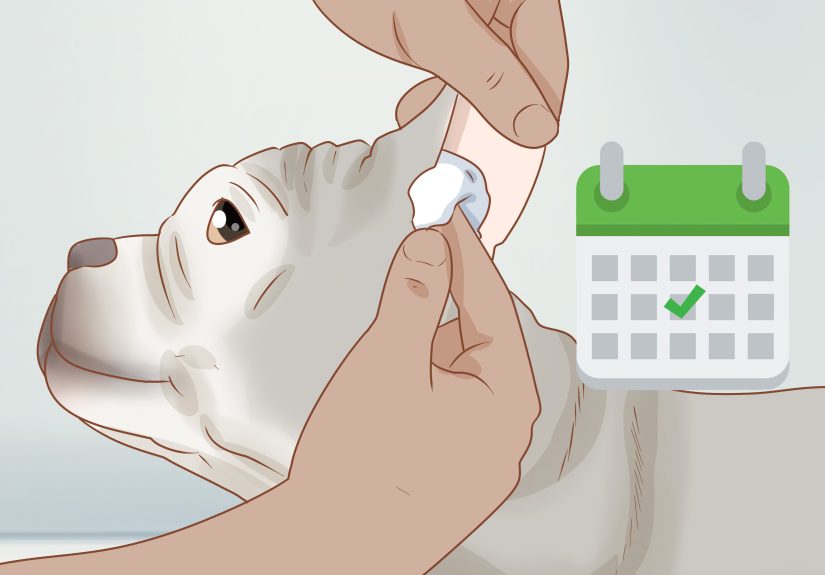
This is your simplest optionperfect for Frenchies who get a little dusty, have mild wax, or need routine upkeep. Think of it like wiping the rim of a coffee cup. You’re cleaning what you can see, not spelunking into the ear canal.
Best for
- Light wax or debris
- Weekly grooming routines
- Frenchies who hate liquid ear cleaner
Step-by-step
- Choose a calm moment. After a walk or meal is ideal. A tired Frenchie is a cooperative Frenchie.
- Lift the ear flap. Look for mild wax (tan/light brown) versus anything thick, smelly, or colorful (call the vet if you see that).
- Wipe the outer ear and entrance. Use a cotton round or gauze pad to gently wipe the inner ear flap (pinna) and the area you can reach comfortably with your fingerno deeper.
- Use small motions and fresh pads. If the pad looks dirty, swap it out. Don’t “repaint” the ear with the same dirty cotton.
- Reward immediately. Treat, praise, then repeat on the other ear.
How often?
Many dogs do well with a once-a-week wipe. If your Frenchie has allergies or gets waxy faster, you might do it a bit more oftenbut if you find yourself wiping constantly, it’s worth asking your vet if inflammation or infection is brewing.
Method 2: The “Fill, Massage, Shake” Ear-Rinse Clean (Standard Deep Clean)
This is the classic vet-recommended technique for cleaning dog ears when there’s moderate wax or post-bath moisture. The ear canal is shaped like an “L,” so the goal is to let the cleaning solution loosen debris, then allow your dog to shake it up and bring it out where you can wipe safely.
Best for
- Moderate wax buildup
- After baths or water exposure (with a vet-approved cleaner, sometimes with a drying agent if recommended)
- Frenchies who can tolerate liquids (with treats and patience)
Step-by-step
- Set the scene. Choose a bathroom, laundry room, or anywhere easy to wipe down. Place a towel under your dog.
- Hold the ear up. Gently lift the ear flap so you can see the opening.
- Add the ear cleaner. Carefully squeeze the cleaner into the ear canal until it’s comfortably filled (follow label instructions). Avoid touching the ear with the bottle tip to prevent contamination.
- Massage the base of the ear. Use your fingers at the base (where the ear meets the head) and massage for about 20–30 seconds. You’ll often hear a “squish” soundthis is normal and slightly hilarious.
- Let the shake happen. Step back. Your Frenchie will shake like they’re auditioning for a shampoo commercial. That shake helps move loosened debris outward.
- Wipe what comes out. Use cotton balls or gauze to wipe the visible areas and the entrance of the ear canalagain, only as far as your finger naturally fits.
- Repeat if needed. If there’s still a lot of debris, you can do a second round. If it takes multiple rounds every time, talk to your vet.
- Reward generously. Treats, praise, maybe a toy. Make it a “good things happen” ritual.
How often?
For many French Bulldogs, a deeper rinse every 2–4 weeks is plentysometimes less. Some dogs with allergies may need more frequent cleaning, but it should be vet-guided because over-cleaning can inflame the ear canal and increase wax production.
Pro tips for Frenchies
- Warm the bottle in your hands for a minute. Cold liquid can trigger instant drama.
- Don’t rush the massage. That’s the step that actually loosens wax.
- Stop if your dog seems painful. Pain is a vet visit, not a “push through it” moment.
Method 3: The Vet-Guided “Problem-Ear” Clean (For Recurring Yeast/Allergy Issues)
Some French Bulldogs get recurring ear problemsoften connected to allergies, chronic inflammation, or repeated yeast/bacterial overgrowth. In those cases, your vet may recommend a specific cleaning schedule and possibly a medicated ear cleanser (and/or medicated drops).
Important: Don’t guess. The wrong product can irritate an already inflamed ear, and some medications shouldn’t be used if the eardrum is compromised. This method starts with a vet exam.
Best for
- Frenchies with frequent ear infections
- Allergy-prone dogs with recurring inflammation
- Cases where your vet recommends medicated cleaners or ear drops
Step-by-step (general vet-guided routine)
- Get the diagnosis first. Your vet may check for yeast, bacteria, mites, foreign material, and the degree of inflammation.
- Clean before medicating (if instructed). Many ear medications work better when wax and debris are removed first.
- Use the prescribed cleanser exactly as directed. Follow timing (daily, every other day, weekly), and use only the amount recommended.
- Wait if needed before drops. Some vets recommend waiting a short period after cleaning so the canal isn’t too wet before applying medication.
- Apply medication properly. Place the drops into the canal, then massage the base of the ear to distribute.
- Track progress. If odor, redness, or discharge persists, or symptoms return quickly, your vet may need to reassess the cause (often allergies or chronic skin disease).
Why this works better for “repeat offenders”
Recurring otitis often has an underlying triggerespecially allergies. A targeted plan (sometimes including allergy management, diet trials, or topical therapy) can reduce flare-ups. In other words: you’re not just cleaning; you’re breaking the cycle.
Make Ear Cleaning Easier: Frenchie-Proof Training Tricks
French Bulldogs are smart, stubborn, and extremely food-motivateda perfect combo for turning grooming into a game. Try these:
- Start with “ear touches”: touch the ear, treat. Lift the flap, treat. Hold a cotton pad near the ear, treat.
- Use a lick mat with a thin smear of dog-safe peanut butter or canned food during cleaning.
- Keep sessions short: even 30–60 seconds of success is a win.
- Pair cleaning with a routine: “After bath = ear rinse + treats.” Dogs love predictability.
FAQ: Common Questions Frenchie Owners Ask
How do I know if I’m cleaning too often?
If the ears look more red, dry, irritated, or your dog starts producing more wax shortly after cleaning, you may be overdoing itor there may be underlying inflammation. Check with your vet to confirm the right schedule and product.
Is head shaking after cleaning normal?
Yesmost dogs shake right after liquid ear cleaner goes in. But persistent head shaking, pain, or continued scratching afterward can signal irritation or infection.
Can I use baby wipes or household wipes?
For a quick outer-ear wipe, a pet-safe grooming wipe can be fine, but avoid fragranced household wipes inside or near the canal. When in doubt, use gauze with a vet-approved cleaner.
What about vinegar, alcohol, or peroxide?
These are common “internet hacks,” but they can irritate sensitive tissueespecially if the ear is already inflamed. Stick with products made for dog ears and approved by your vet.
Owner Experiences: Real-World Lessons From Cleaning French Bulldog Ears (Extra Tips + Stories)
If you’ve ever tried to clean a French Bulldog’s ears, you already know there are two versions of the plan: your plan and your Frenchie’s plan. The good news is that many Frenchie owners run into the same challengesand the same “aha!” moments that make ear care easier and safer.
One common experience is the “I cleaned too much because I was trying to be responsible” phase. Owners often start with great intentions, cleaning every few days, especially if they see wax. But then the ears look redder, the dog becomes more sensitive, and wax seems to come back faster. What’s happening is usually irritation: frequent cleaning can dry or inflame the ear canal, which can prompt more wax production. The lesson most owners learn is simple: use a schedule, not anxiety. Weekly wipes and occasional deeper cleans work for many Frenchieswhile allergy-prone dogs do best with a vet-guided plan.
Another classic Frenchie story: the post-bath shake explosion. Owners often describe the first time they used an ear rinse without a towel shield. The dog shakes, the cleaner hits the mirror, and suddenly it looks like a tiny bubble party happened in your bathroom. The takeaway is practical: always have a towel ready, do it in an easy-clean space, and embrace the shake as part of the process. That shake is actually helpfulit’s how loosened debris moves outward so you can wipe it away safely.
Allergy season brings its own set of “Frenchie ear” experiences. Many owners notice flare-ups in spring and fall: more head shaking, more wax, and that musty smell that makes you suspicious. The pattern often becomes predictablepollen up, ears cranky. Owners who manage these seasons well tend to combine gentle cleaning with a bigger strategy: vet-approved allergy support, consistent skincare, and quick action when symptoms start rather than waiting for a full-blown infection.
Then there’s the lesson learned the hard way: don’t go digging. Frenchies can be wiggly, and many owners admit they once tried a cotton swab “just to get that one spot.” It usually ends with a startled jerk, a guilty feeling, and a promise to never do it again. The safer habit is what vets repeat: clean the visible area, use an ear rinse if needed, and let the dog’s shake do the heavy lifting.
Finally, a lot of owners describe a turning point after a vet visit where the vet tech demonstrates technique: how much cleaner to use, where to massage, how to wipe without pushing debris deeper, and how to tell “normal wax” from “this needs medical attention.” If you’ve never had that demo, it’s worth asking for it at your next appointment. Many people say it instantly changed the routine from stressful to simpleand their Frenchie started tolerating cleaning much better once the process got faster, gentler, and more predictable.
The big theme across these experiences is encouraging: you don’t need perfect ears or a perfect dog. You just need a safe method, the right supplies, a little consistency, and the confidence to call your vet when something looks off. Frenchies will still be dramatic (it’s their brand), but ear care becomes just another normal part of lifelike snoring and stealing your seat.
Conclusion
Cleaning your French Bulldog’s ears doesn’t have to feel like a high-stakes mission. Start with the Weekly Wipe for routine upkeep, use the Fill, Massage, Shake method when you need a deeper clean, and rely on a vet-guided plan for recurring infections or allergy-driven ear trouble. Keep it gentle, skip cotton swabs, avoid harsh liquids, and watch for signs that need a professional exam. Your Frenchie’s earsand your future selfwill appreciate it.