Table of Contents >> Show >> Hide
- Before You Start: Prepare the Fleece Like a Pro
- Way 1: Make a No-Sew Fringe, Tie, or Braided Edge
- Way 2: Sew a Clean Hem, Zigzag Edge, or Self-Binding Border
- Way 3: Add a Blanket Stitch, Crochet Edge, or Decorative Border
- How to Choose the Best Fleece Blanket Edge Finish
- Common Mistakes to Avoid
- Experience Notes: What Actually Helps When Finishing Fleece Blanket Edges
- Conclusion
Fleece blankets are the comfort food of the craft world: soft, forgiving, warm, and surprisingly hard to mess up unless you involve dull scissors and too much confidence. Whether you are making a baby shower gift, a couch throw, a pet blanket, or a “this was supposed to take one hour but now I am emotionally invested” weekend project, learning how to finish the edges of a fleece blanket is what turns a rectangle of fabric into something that looks intentional.
The good news is that fleece is beginner-friendly because it does not fray the way many woven fabrics do. That means you do not always need a traditional hem. You can leave the edge simple, tie it, braid it, stitch it, bind it, or dress it up with crochet. The best finish depends on the look you want, the tools you have, and how much patience is available before snack time.
Below are three reliable ways to finish fleece blanket edges: a no-sew fringe or braided edge, a sewn edge, and a decorative crochet or blanket-stitch edge. Each method has its own personality. One is fast and cozy, one is neat and durable, and one says, “Yes, I absolutely brought yarn to this fabric party.”
Before You Start: Prepare the Fleece Like a Pro
Before choosing an edge finish, give your fleece a clean foundation. Lay the fabric flat on a large table or clean floor. Smooth out wrinkles with your hands, but avoid stretching the material. Fleece has some give, and if you pull too hard while cutting, your blanket may end up with edges that look like they made poor life choices.
Tools You May Need
- Sharp fabric scissors or a rotary cutter
- Cutting mat
- Clear ruler or measuring tape
- Sewing machine, if sewing the edge
- Ballpoint or universal needle, depending on fleece thickness
- Thread, yarn, embroidery floss, or crochet cotton
- Clips or pins
- Washable fabric marker
Trim off selvage edges, uneven factory cuts, and any curled or stiff sections. If you are using two layers of fleece, stack them with the wrong sides together and make sure both pieces are the same size. For single-layer fleece blankets, squaring the corners is still important because a clean cut makes every finish look better.
Way 1: Make a No-Sew Fringe, Tie, or Braided Edge
The no-sew finish is the classic fleece blanket edge for a reason. It requires no sewing machine, no advanced skills, and no dramatic relationship with bobbin tension. It is ideal for beginners, kids’ craft days, charity blanket projects, dorm room throws, and quick gifts.
Best For
This method works best for double-layer fleece blankets because the edge treatment joins the top and bottom layers together. It creates a soft, casual, cozy finish that feels handmade in the best possible way.
How to Make a Tied Fringe Edge
- Place two pieces of fleece on top of each other with wrong sides together.
- Trim the edges so both layers match perfectly.
- Cut a square from each corner. A 3- to 4-inch square is common for a tied edge.
- Cut strips around all four sides, about 1 inch wide and 3 to 4 inches deep.
- Tie each top strip to the matching bottom strip using a double knot.
- Work around the blanket, keeping the knots snug but not so tight that the edge puckers.
The trick is consistency. If one strip is skinny and the next is chunky, the blanket will still work, but the edge may look uneven. Use a ruler for the first side, then let that spacing guide the rest. If your blanket is for a child or pet, check each knot after washing to make sure it stays secure.
How to Make a Braided Edge Without Knots
A braided edge is a slightly fancier cousin of the tied fleece blanket. It has less bulk than knots and gives the blanket a smoother, more polished border. To make it, cut shorter fringe strips, usually about 2 inches long and 1 inch wide. Then cut a small slit near the end of each strip. Pull the next strip through the previous slit, repeating around the blanket like a soft chain. At the end, secure the final loop by tying or stitching it discreetly.
This method is excellent when you want the ease of a no-sew fleece blanket but dislike bulky knots. It also lies flatter on couches and beds. The trade-off is that it takes a little more attention than basic ties. Put on a podcast, settle in, and try not to feel too powerful when the braid starts looking professional.
Pros and Cons of No-Sew Edges
The biggest advantage of a no-sew edge is accessibility. You can finish a fleece blanket with very few tools, and the result is warm, washable, and giftable. The downside is bulk. Tied edges can feel lumpy, especially on smaller baby blankets. Braided edges solve some of that issue, but they require careful cutting and patience.
Choose no-sew fringe if you want a casual, plush finish. Choose a braided edge if you want something cleaner but still beginner-friendly.
Way 2: Sew a Clean Hem, Zigzag Edge, or Self-Binding Border
If you want your fleece blanket to look more finished, a sewn edge is the way to go. This method is especially useful for single-layer fleece throws, thick anti-pill fleece, sherpa fleece, or blankets that will be washed often. A sewn edge can be simple, elegant, and strong enough to survive real life, including kids, pets, and that one person who steals every blanket during movie night.
Option A: Simple Folded Hem
A folded hem is one of the easiest sewn finishes. Fold the edge to the wrong side by about 1/2 inch to 1 inch, clip or pin it in place, and stitch around the blanket. A straight stitch works for many fleece blankets, but a narrow zigzag can be better if the fleece has stretch. Use a longer stitch length so the seam does not compress the fabric too much.
For a smoother result, do not iron fleece with high heat. Polyester fleece can melt or flatten if treated like cotton. If you need to press a fold, use low heat, a pressing cloth, and caution. Honestly, clips and patience are safer than turning your blanket edge into shiny plastic regret.
Option B: Zigzag or Serger Edge
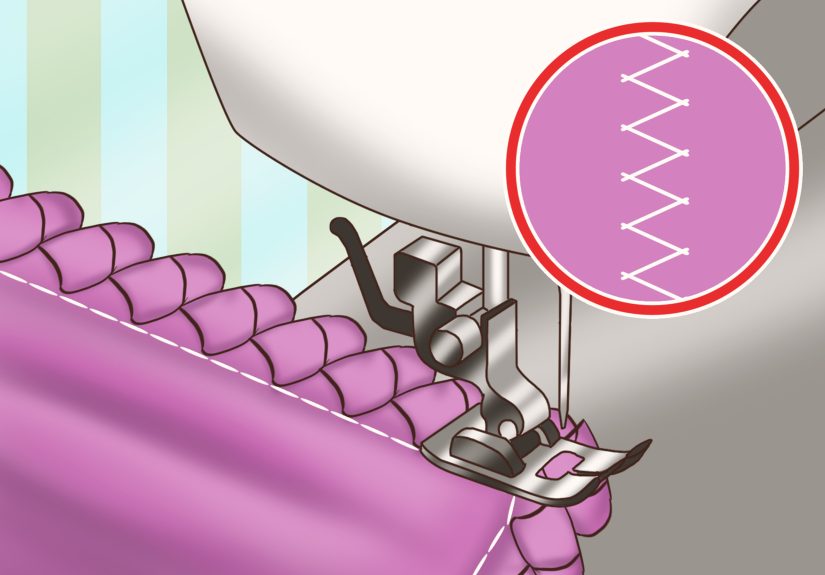
A zigzag stitch along the raw edge gives fleece a sporty, practical finish. It is fast and works well for utility blankets, pet blankets, camping throws, and quick household projects. If you own a serger, you can serge the edge for a clean, professional-looking border. Serging is not required because fleece does not unravel easily, but it can make the edge look tidy and consistent.
One important tip: fleece creates lint. After sewing fleece, clean your machine around the feed dogs, bobbin case, and needle plate. Your sewing machine deserves a spa day after eating that much fuzz.
Option C: Self-Binding Edge
A self-binding edge looks polished and cozy. It is often used when one backing layer, such as sherpa fleece, is cut larger than the top layer. The larger backing is folded over the front edges and stitched down, creating a built-in border. This method is beautiful for baby blankets, winter throws, and gifts because it looks store-bought without losing the handmade charm.
To make a self-binding fleece blanket, cut the backing several inches larger than the front layer on all sides. Center the top fabric on the backing. Fold the backing edge over once, then fold again so it covers the raw edge of the top fabric. Miter or fold the corners neatly, clip everything in place, and topstitch close to the inner folded edge.
The self-binding method takes more measuring than a tied edge, but the final look is worth it. It is also a smart choice when combining fleece with cotton, flannel, or another fabric. The border frames the blanket and gives it structure.
Pros and Cons of Sewn Edges
Sewn edges are durable, washable, and neat. They are less bulky than tied fleece edges and better suited for a refined look. The main drawback is that sewing thick fleece can be awkward. Use clips instead of pins when possible, support the blanket’s weight while sewing, and avoid pulling the fabric through the machine. Let the feed dogs do their job. They trained for this.
Way 3: Add a Blanket Stitch, Crochet Edge, or Decorative Border
If the first method is casual and the second is practical, this third method is where your fleece blanket gets dressed up for company. A blanket stitch, crochet border, or decorative yarn edge can transform plain fleece into a charming handmade keepsake. This is a great choice for baby gifts, memorial blankets, holiday throws, and anyone who appreciates a border with personality.
Blanket Stitch Edge
The blanket stitch is a traditional hand-sewing technique used to finish and decorate edges. On fleece, it works beautifully because the fabric is soft, thick, and stable. You can use embroidery floss, pearl cotton, yarn, or even fleece yarn for a chunky look.
To make a blanket stitch edge, trim the fleece evenly. If desired, fold the edge under about 1/2 inch and clip it in place. Thread a large-eye needle, knot the end, and bring the needle up from the back. Insert the needle a short distance away, then loop the thread under the needle before pulling it through. Repeat around the blanket, keeping the stitches evenly spaced.
The blanket stitch is slower than machine sewing, but it is relaxing once you find the rhythm. It also gives you a lot of creative freedom. Use contrasting thread for a playful look or matching thread for subtle texture.
Crochet Edge
A crochet edge is another beautiful way to finish fleece. First, create evenly spaced holes around the blanket edge using a skip-stitch blade, awl, rotary punch, or sharp crochet hook, depending on the fabric and tool you prefer. Then crochet into the holes with yarn. A simple single crochet border is enough to make the blanket look finished, but you can add scallops, shells, picots, or other decorative stitches if you know your way around a hook.
The most important step is spacing. If the holes are too close, the edge may ripple. If they are too far apart, the border may pull tight. Practice on a scrap piece of fleece before committing to the whole blanket. Think of the scrap as the rehearsal dinner before the wedding.
Decorative Yarn or Fleece-Yarn Border
For a rustic, handmade look, you can use yarn or strips of fleece to create a stitched border. Some crafters cut fleece into narrow strips, stretch them slightly so they curl, and use them like soft yarn. This creates a chunky edge that matches the blanket perfectly. It is especially cute on children’s blankets or cozy cabin-style throws.
Pros and Cons of Decorative Edges
Decorative borders offer the most personality. They can look sweet, elegant, whimsical, or heirloom-inspired. The downside is time. A crochet or hand-stitched edge takes longer than a no-sew fringe or machine hem. But if the blanket is meant to be a keepsake, the extra time adds value. It says, “I made this for you,” not “I panic-crafted this 40 minutes before the party,” although both are valid lifestyles.
How to Choose the Best Fleece Blanket Edge Finish
The best edge depends on how the blanket will be used. For a child’s blanket, durability and softness matter most. For a baby gift, avoid long fringe that tiny fingers can tug constantly. For a pet blanket, choose a simple zigzag or serged edge because pets have no respect for decorative labor. For a couch throw, a braided edge or self-binding border gives a cozy but attractive finish.
Choose No-Sew Fringe If…
You want a quick, beginner-friendly project with minimal tools. This is perfect for group crafting, charity blankets, and casual gifts.
Choose a Sewn Edge If…
You want a flatter, cleaner, more durable blanket. This is ideal for frequent washing, adult throws, and blankets that need a polished look.
Choose a Decorative Edge If…
You want the blanket to feel special. Blanket stitch and crochet borders are wonderful for handmade gifts, memory blankets, and projects where the edge is part of the design.
Common Mistakes to Avoid
Using Dull Scissors
Dull scissors chew fleece instead of cutting it. The result is fuzzy, uneven, and frustrating. Use sharp fabric scissors or a rotary cutter for clean edges.
Cutting Fringe Too Narrow
Very thin fringe can stretch, tear, or look stringy. Around 1 inch wide is a practical target for tied fleece edges.
Pulling the Fabric While Sewing
Stretching fleece as you sew can cause wavy edges. Guide the fabric gently and support the blanket’s weight so it does not drag.
Skipping a Test Scrap
Always test stitches, thread tension, crochet-hole spacing, and edge depth on a scrap. Five minutes of testing can save an entire blanket from looking like it lost an argument.
Experience Notes: What Actually Helps When Finishing Fleece Blanket Edges
After making several fleece blankets, the biggest lesson is that the edge finish controls the whole personality of the project. The same fabric can look playful, polished, rustic, or fancy depending on how you finish the border. A tied fleece blanket feels casual and cuddly, like something you would grab for a movie marathon. A self-bound fleece blanket feels more tailored, like a gift you planned ahead instead of assembling under deadline pressure with coffee and hope.
One practical experience worth remembering is that fleece moves more than you expect. When two layers are stacked, the bottom layer can creep out of alignment while you cut. To avoid this, smooth both layers from the center outward and use clips around the edges before cutting. Do not stretch the fleece to make the corners match. If the fabric is slightly uneven, trim it. Stretching only postpones the problem, and it usually returns later as a wavy edge.
For no-sew blankets, cutting is the real work. Tying the strips is easy, but uneven strips can make the finished blanket look messy. A ruler or masking tape guide helps keep the fringe depth consistent. If you are making the blanket with kids, pre-marking the cutting lines can prevent creative interpretations such as “modern abstract fringe.” Also, double knots are useful for blankets that will be washed often, but they should not be yanked tight enough to distort the edge.
With sewn fleece blankets, stitch length matters more than beginners realize. A tiny stitch can sink into thick fleece and make the edge stiff. A slightly longer stitch usually looks smoother. If the machine struggles over bulky corners, slow down and use the handwheel for control. A walking foot can help, but it is not always necessary. The secret is to avoid rushing. Fleece is forgiving, but it does not appreciate being shoved through the machine like a grocery receipt in a purse.
For decorative edges, patience is the magic ingredient. Blanket stitch looks best when the spacing stays even, so marking dots along the edge can help. Crochet borders also need consistent holes. If the first side starts to ripple, the stitches may be too close together or too tight. If the edge curls inward, the stitches may be too far apart or the yarn tension may be too firm. Testing on scraps is not optional if you want a clean result.
The most satisfying finish for gifts is often the one that matches the recipient. A sports-print fleece blanket with a simple tied edge feels fun and practical. A soft pastel baby blanket with a blanket stitch feels thoughtful and sweet. A sherpa-backed throw with self-binding feels cozy and upscale. There is no single “best” fleece blanket edge. The best finish is the one that suits the fabric, the purpose, and the amount of time you can spend without questioning your hobbies.
Conclusion
Finishing the edges of a fleece blanket does not have to be complicated. Because fleece is soft, warm, and resistant to fraying, it gives you more options than many other fabrics. You can keep things simple with a no-sew fringe or braided edge, create a clean and durable result with a sewn hem or self-binding border, or add charm with blanket stitch or crochet edging.
If you are new to fleece blankets, start with a no-sew method. If you want a sleeker look, try a folded hem or zigzag edge. If you enjoy slow, decorative crafting, a blanket stitch or crochet border can turn a simple blanket into a keepsake. Whichever method you choose, measure carefully, cut cleanly, and let the fleece do what it does best: become something warm, useful, and deeply nap-friendly.