Table of Contents >> Show >> Hide
- Before You Play: Understand What African Dwarf Frogs Actually Need
- Way 1: Turn Feeding Time into a Gentle Game
- Way 2: Create an Enrichment Playground Inside the Aquarium
- Way 3: Build a Calm Observation and Routine Game
- What Not to Do When Playing with an African Dwarf Frog
- Tank Conditions That Make Play Safer
- Extra Experience Section: Real-Life Tips for Enjoying Your African Dwarf Frog
- Conclusion: Play Gently, Watch Closely, and Let Your Frog Be a Frog
- SEO Tags
African dwarf frogs are tiny underwater comedians. They float like noodles, kick like miniature scuba divers, and sometimes stare at food with the intensity of a detective solving a cold case. But “playing” with an African dwarf frog is not the same as playing fetch with a dog or dangling a feather toy for a cat. These frogs are delicate, fully aquatic amphibians, so the best kind of play is gentle, water-safe enrichment that lets them behave naturally without stress.
If you are hoping to bond with your frog, the secret is simple: keep your hands mostly out of the tank, keep the environment interesting, and turn feeding time into a safe little adventure. African dwarf frogs are not pets to cuddle, chase, or scoop up for fun. They breathe air at the surface, spend much of their time near the bottom, rely heavily on smell and movement to find food, and have sensitive skin that can be harmed by rough handling or chemicals. In other words, they are charming roommates, not pocket-sized bath toys.
This guide explains three safe, enjoyable ways to play with your African dwarf frog while protecting its health. You will learn how to use target feeding, aquarium enrichment, and calm observation routines to make life more interesting for your aquatic buddy. The goal is not to make your frog perform tricks like a tiny circus star. The goal is to create a routine where your frog feels secure, curious, and well cared for.
Before You Play: Understand What African Dwarf Frogs Actually Need
Before adding games, toys, or enrichment, make sure the basics are solid. African dwarf frogs need a properly sized aquarium, dechlorinated freshwater, stable temperature, gentle filtration, hiding spots, and food that reaches the bottom where they spend most of their time. A playful frog is usually a comfortable frog. If the tank is too small, too bright, too dirty, too deep, or full of aggressive tank mates, your frog will not be in the mood for fun. It will be busy surviving, which is a terrible hobby.
African dwarf frogs are fully aquatic, meaning they live their entire lives in water. However, they still have lungs, so they must swim to the surface to breathe. This is why a secure lid matters and why extremely deep tanks can be stressful. They are also slow, slightly awkward eaters. Fish may steal their food before they even realize dinner has arrived. A frog that consistently misses meals can become weak, so feeding games should always help your frog eat better, not make mealtime harder.
Play Should Never Mean Handling
The most important rule is this: do not handle your African dwarf frog for entertainment. Amphibians have delicate skin and a protective slime layer that can be damaged by dry hands, soap residue, lotions, oils, or rough contact. Handling can also stress the frog and increase health risks for people, because amphibians and their habitats may carry germs such as Salmonella. Wash your hands before and after aquarium maintenance, and use aquarium-safe tools instead of grabbing your frog.
Safe play happens inside the tank. Think of yourself as the stage manager, not the main character. You set up the environment, offer food in thoughtful ways, and watch your frog explore. Your frog gets the fun. You get the front-row seat.
Way 1: Turn Feeding Time into a Gentle Game
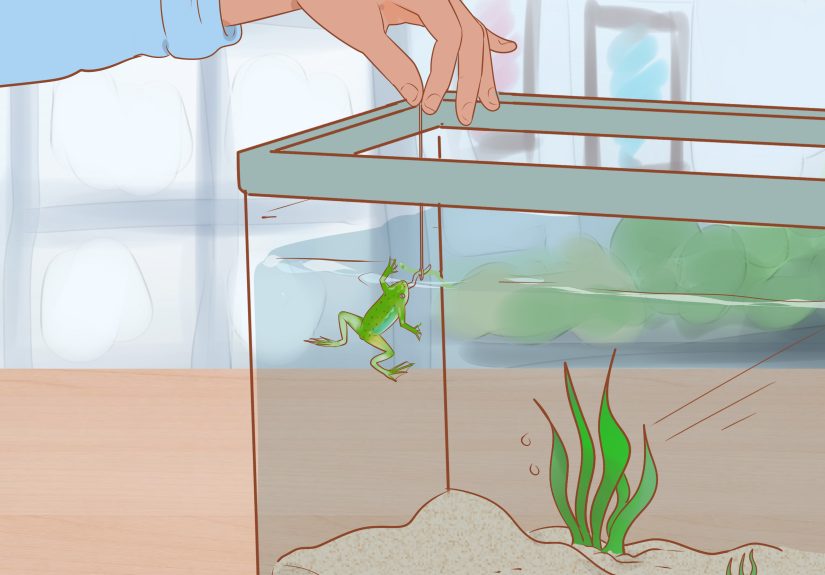
The easiest and most useful way to play with your African dwarf frog is through target feeding. This means placing food directly near the frog with a turkey baster, feeding pipette, long aquarium tweezers, or feeding dish. Done correctly, target feeding becomes a predictable, low-stress routine. Your frog learns that food appears in a certain place, and you get to watch its adorable “sniff, wiggle, pounce” routine.
African dwarf frogs are often slow eaters. They may need extra time to notice food, especially if they share the aquarium with fish. Because they hunt by smell and movement, foods such as thawed frozen bloodworms, brine shrimp, blackworms, daphnia, tubifex worms, or sinking frog pellets can work well when used appropriately. Variety is helpful, but avoid overfeeding. Uneaten food can pollute the water quickly, and poor water quality can lead to stress and illness.
How to Play the “Dinner Target” Game
Choose one feeding spot in the tank, such as a small smooth dish, flat stone, or open patch of substrate. At feeding time, thaw frozen foods in a separate cup of tank water if needed. Then use a pipette or turkey baster to gently place a small amount of food near your frog’s nose. Do not blast the food at your frog like a confetti cannon. A soft squeeze is enough.
Over time, your frog may learn that the feeding tool means dinner is coming. Some African dwarf frogs will swim toward the usual feeding area when they notice movement. Others will remain beautifully clueless until the food is practically wearing a name tag. Both responses are normal. The point is to make feeding reliable, not to force instant genius from a creature with legs like wet spaghetti.
Try a Food Trail, Not a Food Chase
For a more enriching version, place two or three tiny food portions a short distance apart near the bottom of the tank. This encourages your frog to forage naturally. Keep the trail short and easy. Your frog should not have to cross the entire aquarium while tank mates steal the buffet. If fish are present, consider feeding fish first on the opposite side of the tank, then target feed the frog once the fish are distracted.
Always watch how much your frog actually eats. A rounded belly after feeding is normal, but a constantly swollen body, floating, loss of appetite, cloudy eyes, sores, or unusual skin changes are warning signs. If something looks wrong, test the water quality and contact an aquatic or exotic veterinarian.
Way 2: Create an Enrichment Playground Inside the Aquarium
The second way to play with your African dwarf frog is to make the tank more interesting. These frogs enjoy hiding, resting on broad leaves, exploring the bottom, and surfacing for air. A bare tank may be easy to clean, but it is not very exciting. Imagine living in an empty apartment with one chair and a suspicious pellet falling from the sky twice a day. Even a frog deserves better interior design.
A good African dwarf frog tank includes safe hiding places, smooth decorations, live or silk plants, gentle filtration, and open swimming space. Hides help your frog feel secure. Plants provide resting platforms. Smooth caves, driftwood-style aquarium décor, and broad leaves allow the frog to explore without scraping its skin. Avoid sharp plastic plants, rough ornaments, tiny gravel that could be swallowed, and décor with holes small enough for a frog to get stuck.
Build a Frog-Safe Exploration Zone
Start with one or two hides near the bottom of the aquarium. These can be smooth aquarium caves, rounded ceramic decorations made for fish tanks, or small terra-cotta-style aquarium-safe shelters. Add plants with leaves at different heights so your frog can rest partway up before swimming to the surface. African dwarf frogs often like to perch like tiny underwater philosophers, especially when the leaves are broad and stable.
You can also create a gentle “foraging corner” by placing a small feeding dish in a quiet area. The dish keeps food from sinking deep into the substrate and helps your frog associate that area with meals. This is especially useful because leftover food trapped in gravel can foul the water. Cleaner tank, happier frog, less mysterious swamp smell. Everybody wins.
Rotate Decorations Carefully
Changing the aquarium layout can provide enrichment, but do it slowly. Do not rearrange the entire tank every week like a reality-show makeover. Sudden changes may stress your frog. Instead, rotate one item at a time, such as moving a plant slightly, adding a new smooth hide, or changing the position of a resting leaf. Watch your frog’s behavior afterward. If it hides constantly, refuses food, or seems frantic, the change may have been too much.
All new décor should be aquarium-safe and rinsed with dechlorinated water before use. Never wash aquarium items with soap or household cleaners. Even tiny chemical residues can harm amphibians. When in doubt, choose simpler, smoother, easier-to-clean items.
Way 3: Build a Calm Observation and Routine Game
The third way to play with your African dwarf frog is through routine-based interaction. African dwarf frogs may not come when called like dogs, but they can become familiar with predictable patterns. A consistent light schedule, feeding routine, and calm presence near the tank can help your frog feel secure. Over time, you may notice your frog becoming more active when you approach at feeding time.
This kind of play is subtle. It is more like birdwatching than a video game. You observe, respond gently, and learn your frog’s habits. Does it rest under the same plant? Does it float near the top after feeding? Does it “sing” or hum, especially if it is male? Does it do the famous African dwarf frog zen pose, floating motionless with limbs out like it just discovered spa culture? These moments are part of the fun.
Use a Predictable Feeding Cue
You can create a simple cue before feeding, such as turning on the room light, gently approaching the tank, or placing the feeding tool in the same spot. Avoid tapping hard on the glass. Loud vibrations can startle aquatic animals. A soft visual routine is enough. For example, feed at the same time each day or every other day depending on your care plan, use the same feeding dish, and offer food with the same tool.
Eventually, your frog may associate the cue with food. This is not exactly “training” in the dramatic movie-montage sense, but it is a form of routine learning. The reward is practical: your frog eats more reliably, you can monitor appetite, and both of you get a little daily ritual.
Watch for Natural Behaviors
Healthy African dwarf frogs often swim actively, hide often, eat with enthusiasm, and have clear eyes and smooth skin. They may spend plenty of time resting near the bottom, then suddenly shoot to the surface for air like a tiny submarine with urgent business. They may also forage around plants and décor, especially when food scent is in the water.
Observation helps you notice changes early. If your frog stops eating, floats constantly, develops cloudy eyes, has red patches, shows cottony growths, or struggles to swim, do not treat it like a funny quirk. Test the water, check temperature, and seek qualified veterinary advice. Good play starts with good care.
What Not to Do When Playing with an African Dwarf Frog
Some activities may look fun online but are not safe for your frog. Do not remove your frog from water for photos, do not let children hold it, do not chase it with nets, do not tap the glass repeatedly, and do not put random toys in the aquarium. Avoid mirrors as a regular activity because they may cause stress or confusion. Do not add floating bath toys, painted decorations, metal objects, shells that change water chemistry, or anything not designed for aquarium use.
Also avoid overfeeding in the name of bonding. Food is a great enrichment tool, but too much food can create dirty water and unhealthy frogs. Remove leftovers when possible and keep up with partial water changes. Your frog does not need a five-course tasting menu every night. It needs clean water, safe food, and a calm environment.
Tank Conditions That Make Play Safer
Safe enrichment depends on a healthy aquarium. A 10-gallon or larger habitat is often recommended because it provides more stable water conditions and more room for hides, plants, and gentle exploration. Some care sheets allow smaller setups for one or two frogs, but bigger is usually easier to maintain and more forgiving for beginners. The tank should have a secure lid because African dwarf frogs can jump or escape, and they cannot survive long outside water.
Keep the water dechlorinated and filtered. A sponge filter or gentle filter is often a good choice because African dwarf frogs are not powerful swimmers. If your frog is being pushed around by the current like a leaf in a storm drain, the flow is too strong. Check temperature regularly, maintain stable water quality, and avoid overcrowding. Stable water is not glamorous, but it is the foundation of every happy frog moment.
Good Tank Mates Matter
African dwarf frogs can sometimes live with peaceful community fish, but tank mates must be chosen carefully. Aggressive fish may nip at frogs, large fish may try to eat them, and fast fish may steal their food. Many keepers prefer species-only tanks because feeding and monitoring are easier. If you keep fish with your frog, make sure the frog is actually getting enough food and has quiet hiding places.
Other African dwarf frogs can be good companions when the tank is large enough and properly maintained. These frogs are often social, and watching two frogs float, forage, and occasionally stack themselves in ridiculous positions can be surprisingly entertaining. Just remember: more frogs mean more waste, more feeding attention, and more responsibility.
Extra Experience Section: Real-Life Tips for Enjoying Your African Dwarf Frog
One of the best experiences with African dwarf frogs is learning to enjoy their personality at their speed. They are not flashy pets. They do not wag tails, chirp greetings, or bring you a toy. Instead, they offer small, funny, strangely peaceful moments. You might see one resting on a plant leaf with its nose pointed upward. You might watch it miss a bloodworm three times, then grab it with the confidence of a champion. You might catch it floating completely still and panic for two seconds, only for it to blink, kick, and drift away like nothing happened.
A helpful routine is to create a “frog watching” window each evening. African dwarf frogs are often more active in low light or later in the day, so evening observation can be rewarding. Turn off harsh room lights, keep the aquarium light gentle, and sit nearby without tapping or hovering. After a few days, you may start recognizing patterns. One frog may be the bold explorer. Another may be the cave manager who believes every hide belongs to them. A third may be the dramatic surface breather who launches upward like a tiny rocket.
Feeding time is usually the richest bonding experience. Many owners find that a small glass or ceramic feeding dish changes everything. Instead of scattering food around the tank, place thawed food in the dish with a pipette. At first, your frog may wander past the food as if it has never heard of dinner. Be patient. The scent will spread, the frog will investigate, and eventually it may learn that the dish is the restaurant. Once that happens, mealtime becomes easier to monitor and much more fun to watch.
Another experience-based tip is to keep a simple frog journal. This does not need to be fancy. Write down feeding days, favorite foods, water test results, water changes, and behavior notes. For example: “Tuesday: ate bloodworms quickly, rested on anubias leaf, active after lights dimmed.” These notes help you notice health changes early. They also turn frog keeping into a more mindful hobby. You are not just staring at a tank; you are learning the rhythm of a small aquatic world.
When adding enrichment, less is usually more. A new plant, a smoother hide, or a feeding dish can be exciting enough. If you add too many decorations at once, your frog may hide more because the familiar map of the tank has changed. Think of enrichment as gentle variety, not chaos. The best aquarium playground is one where the frog can choose: hide, rest, explore, surface, or forage.
Children can enjoy African dwarf frogs too, but they need clear rules. The frog stays in the water. Hands stay out unless an adult is doing maintenance. Nobody taps the glass. Nobody feeds extra “because it looked hungry.” Children can help by watching for behaviors, naming favorite hiding spots, or checking whether the frog comes to the feeding dish. This makes the pet interactive without putting the animal at risk.
Finally, accept that your frog may be weird. That is part of the charm. African dwarf frogs sometimes wedge themselves into plants, float in yoga-like positions, or appear to forget where food is while standing directly on it. As long as the frog is eating, breathing normally, swimming well, and living in clean water, these quirks are usually what make the hobby delightful. Playing with your African dwarf frog is really about creating a safe environment where those quirks can shine.
Conclusion: Play Gently, Watch Closely, and Let Your Frog Be a Frog
Playing with your African dwarf frog should always respect what this animal is: a small, fully aquatic amphibian with delicate skin, slow feeding habits, and a love for hiding, foraging, and surfacing for air. The safest ways to play are target feeding, aquarium enrichment, and calm routine-based observation. These activities give your frog mental stimulation without handling, chasing, or stress.
When you build a frog-friendly tank, use feeding games wisely, and observe your pet’s natural behavior, you get something better than tricks. You get trust, routine, and a front-row view of one of the aquarium world’s funniest little creatures. Your frog may never fetch your slippers, but it might paddle over to its feeding dish with the enthusiasm of a tiny underwater goblin. Honestly, that is more than enough.
Note: This article is for educational pet-care content only and is not a substitute for advice from a qualified aquatic or exotic animal veterinarian.