Table of Contents >> Show >> Hide
- Before You Store Anything: The 60-Second Pasta Safety Checklist
- Way #1: Refrigerate Fully Sauced Pasta (The “Lunch-Ready” Method)
- Way #2: Store Pasta and Sauce Separately (The “Best Texture” Method)
- Way #3: Freeze Leftover Pasta (The “Future Dinner” Method)
- Common Leftover Pasta Mistakes (And How to Avoid Them)
- Quick FAQ: Leftover Pasta Storage Questions People Google at 1 a.m.
- Final Takeaway: Pick the Storage Method That Matches Your Pasta
- Real-World Pasta Storage Experiences ( of “Been There, Ate That”)
Leftover pasta is one of life’s underrated luxuries. It’s dinner’s encore performancealready dressed, already cooked, and just waiting to save you from a “cereal again?” kind of night. But leftover pasta can also turn into a gluey, dried-out, weirdly crunchy tragedy if you store it like an afterthought. (Pasta remembers. Pasta judges.)
The good news: you don’t need fancy gadgets, a culinary degree, or a magic wand made of Parmesan. You just need the right storage method for the kind of pasta you have. Below are three practical, food-safe ways to store leftover pasta, plus the “why it works” details, common mistakes to avoid, and a few reheating tips so tomorrow’s lunch tastes like you planned it.
Before You Store Anything: The 60-Second Pasta Safety Checklist
Let’s do the boring-but-important part up front, so the rest can be delicious. Leftovers are safest and tastiest when you handle them like you actually want to eat them later (wild concept, I know).
1) Don’t leave pasta sitting out
If your pasta has been hanging out on the counter for hours while everyone “just grabs a bite,” you’re playing leftovers roulette. Get it into the fridge promptly. If you want to be extra smart, portion it sooner rather than later.
2) Cool it down fast (without turning your fridge into a sauna)
Large, hot pasta piles take forever to cool, which means the center stays warm longer than you think. Transfer leftovers into shallow containers so they chill quickly and evenly. This helps keep both texture and food safety on your side.
3) Label it like Future-You matters
A little piece of tape with “Pasta Tue” can prevent Friday-you from sniffing a container like a suspicious raccoon. Dating leftovers also helps you stick to safer storage times.
Way #1: Refrigerate Fully Sauced Pasta (The “Lunch-Ready” Method)
This is the easiest route when your pasta is already mixed with saucethink spaghetti marinara, penne vodka, creamy pesto, or that baked ziti you heroically made in a dish the size of a canoe.
Best for
- Most sauced pastas (tomato, oil-based, meat sauces)
- One-pot pasta dishes
- When you want grab-and-go portions for lunch
How to store it (step-by-step)
- Portion it while it’s still easy to scoop. Divide into single servings or small meal-sized portions.
- Use airtight containers. Less air = less drying out and less fridge odor absorption (no one wants “pasta à la onion”).
- Keep it shallow. A flatter layer cools faster and reheats more evenly.
- Refrigerate promptly. Don’t let it linger on the counter during the post-dinner daze.
How long does it keep?
In general, refrigerated leftovers are best eaten within a few days. If you know you won’t get to it soon, skip the “hope and pray” approach and freeze it instead (Way #3).
How to reheat without turning it into pasta cement
- Stovetop is your best friend for most sauced pasta: add a splash of water or broth and warm gently, stirring often.
- Microwave smart: cover the container or bowl to trap steam, and stir halfway through for even heating.
- For delicate creamy/cheesy sauces: lower heat and gentle stirring help prevent separating.
Example: Spaghetti with marinara
Store it in a shallow container, refrigerate, then reheat in a skillet with a small splash of water. Stir until the sauce loosens and the pasta warms through. You’re aiming for “saucy again,” not “sauce evaporated into the atmosphere.”
Way #2: Store Pasta and Sauce Separately (The “Best Texture” Method)
If you want leftover pasta to taste closest to “freshly made,” this is the move. Storing pasta and sauce separately helps prevent noodles from soaking up all the sauce overnight and turning soft, bloated, or oddly sticky. It also lets you reheat each component in the way that makes sense.
Best for
- Long noodles (spaghetti, linguine, fettuccine)
- Light sauces that disappear into pasta overnight
- Any pasta you want to keep pleasantly al dente
How to store it (step-by-step)
- Drain pasta well. Excess water = soggy leftovers.
- Prevent sticking (choose one):
- Option A: Toss with a small spoonful of sauce (best for flavor + texture).
- Option B: Toss with a tiny drizzle of olive oil (helps clumping, but can make sauce cling less later).
- Store pasta in one airtight container and sauce in another.
- Refrigerate promptly and label both containers.
How to reheat for “restaurant leftovers” energy
Here’s the secret: reheat the sauce first, then warm the pasta in a way that restores its texture.
- Quick refresh trick: place pasta in a colander and pour hot water over it briefly to loosen strands.
- Or warm pasta gently: microwave for a short burst just to remove the chill.
- Finish together in a pan: toss pasta into warm sauce and stir until glossy and coated.
Example: Fettuccine Alfredo (high-maintenance leftovers)
Creamy sauces can split if overheated. Warm the sauce gently (low heat, frequent stirring). Refresh the pasta quickly, then combine. If it looks tight, add a spoonful of milk or water and stir like you mean it.
Way #3: Freeze Leftover Pasta (The “Future Dinner” Method)
Freezing is the best option when you know you won’t eat the leftovers in the next few daysor when you made enough pasta to feed a small marching band. Done right, frozen pasta becomes a legit meal-prep asset instead of a mysterious freezer brick.
Best for
- Baked pasta (lasagna, baked ziti, pasta casseroles)
- Thicker sauces (meat sauce, marinara, many tomato-based sauces)
- Portioning meals ahead for busy weeks
Two freezer approaches (pick your vibe)
A) Freeze as “meal portions” (easy + fast)
- Cool pasta first (don’t put steaming-hot food in the freezer).
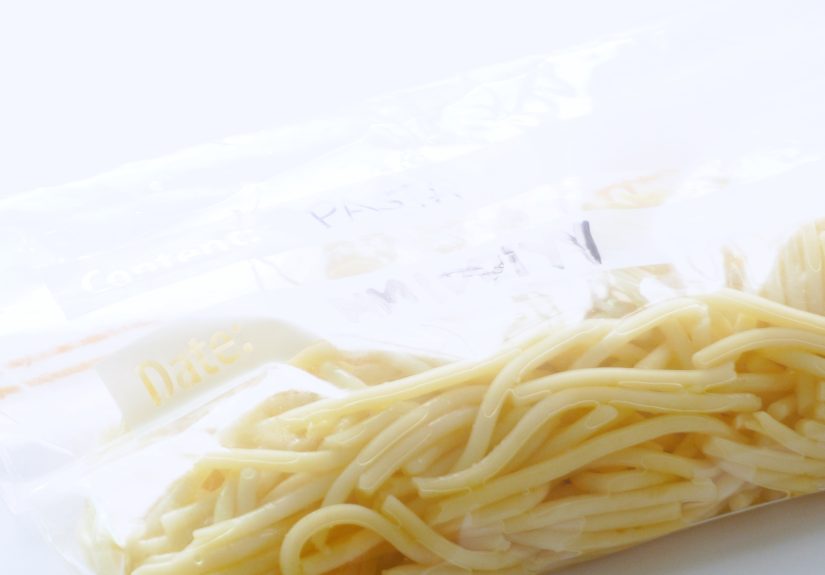
- Portion into freezer-safe containers or bags. Flatten bags so they stack neatly and thaw faster.
- Remove excess air. Less air = less freezer burn.
- Label with the date and type of sauce. “Red sauce” is not a personality.
B) Flash-freeze plain pasta (for flexible weeknight building blocks)
- Toss drained pasta with a small amount of sauce or a tiny drizzle of oil to prevent sticking.
- Spread on a baking sheet in a loose layer.
- Freeze until firm, then transfer to a freezer bag or container.
How to thaw and reheat frozen pasta
- Thaw overnight in the fridge for best texture.
- Reheat gently with a splash of water or sauce to bring back moisture.
- Baked pasta wins the freezer Olympics: reheat covered so it doesn’t dry out, then uncover near the end for a better top.
What freezes “okay” vs “amazing”
- Amazing: baked ziti, lasagna, stuffed shells, meat-sauced pasta
- Usually okay: plain pasta (best if you’ll reheat in sauce), pesto pasta (may darken but still tasty)
- Trickier: very creamy or cheese-heavy sauces (can separategentle reheating helps)
Common Leftover Pasta Mistakes (And How to Avoid Them)
Mistake #1: Storing pasta uncovered
Pasta dries out fast in the fridge. If your leftovers look like they’ve been wandering the desert, it’s usually an airtight-container problem, not a “pasta is bad” problem.
Mistake #2: One giant container of steaming-hot pasta
It cools too slowly, reheats unevenly, and makes it hard to portion later. Smaller, shallow containers are the move.
Mistake #3: Overheating on reheat day
Most leftover pasta fails in the reheating stage: high heat + no moisture = dry noodles and separated sauce. Think gentle, covered, and hydrated.
Quick FAQ: Leftover Pasta Storage Questions People Google at 1 a.m.
Should I rinse pasta before storing it?
Usually norinsing washes off surface starch that helps sauce cling later. If you’re storing plain pasta and it’s already clumping, you’re better off tossing with a small amount of sauce or a tiny bit of oil than giving it a cold shower.
Can I store pasta in its cooking water?
Not ideal. Pasta sitting in water continues to soften, and you’ll end up with noodles that feel waterlogged. Store drained pasta, then add moisture back during reheating if needed.
How do I know leftover pasta is bad?
Trust obvious signs: off smells, visible mold, slimy texture, or anything that makes you say, “Hmm.” When in doubt, throw it outyour stomach deserves better than a science experiment.
Final Takeaway: Pick the Storage Method That Matches Your Pasta
If you want the easiest leftover life, store sauced pasta in airtight portions (Way #1). If you’re chasing the best texture, store pasta and sauce separately (Way #2). If you’re planning for future-you, freeze it like a meal-prep champion (Way #3).
Leftover pasta doesn’t have to be a sad desk lunch. With the right container, a little moisture, and a reheating method that respects the noodle, it can be shockingly close to freshminus the dishes, plus the smug satisfaction.
Real-World Pasta Storage Experiences ( of “Been There, Ate That”)
There’s a special kind of optimism that happens when you make pasta. You start by thinking, “I’ll cook enough for dinner,” and end by feeding six people, three imaginary friends, and still somehow producing two containers of leftovers. The next day, you open the fridge and discover your pasta has evolved into a single, unified organism. Congratulations: you accidentally created the Spaghetti Blob.
The most common real-life scenario goes like this: you stored leftover spaghetti without sauce because you wanted “options.” In theory, that’s smart. In practice, the noodles fuse together overnight like they’re auditioning for a role as industrial rope. The fix most home cooks land on is simple: don’t store plain noodles bone-dry. Even a small spoonful of sauce tossed through the pasta gives it a protective coating, keeps strands more separated, and makes reheating less of a rescue mission.
Then there’s the “creamy sauce heartbreak” experience. Alfredo, mac and cheese, and anything involving dairy can reheat like a diva: it wants gentle heat, patience, and emotional support. Many people learn the hard way that blasting creamy pasta on high power creates a greasy, broken sauce situation that looks like it lost a fight with itself. The home-kitchen upgrade is to reheat slowly, add a splash of milk or water, and stir like you’re trying to bring peace back to the relationship.
Another classic moment: leftover pasta that tastes fine but feels dry. You might assume it’s doomed, but it’s usually just missing moisture. Lots of cooks swear by a tiny splash of water and a covered reheaton the stovetop or in the microwavebecause steam is basically a spa day for noodles. If you’re reheating in a skillet, the “aha” moment is realizing you’re not just warming pastayou’re rebuilding the sauce-and-noodle harmony that existed the night before.
Freezer stories are their own genre. People either freeze pasta like prosor toss a whole container in the freezer, forget it exists, and rediscover it months later like an archaeological artifact. The biggest improvement is portioning. When you freeze leftovers in single servings, you can pull out exactly what you need without thawing a mega-block the size of a paperback novel. And if you flatten freezer bags, they stack nicely and thaw fasterfuture-you will feel weirdly respected.
Finally, there’s the humble “labeling win.” It sounds boring until you’ve stared at two identical containersone pesto pasta, one something that used to be pesto pastaand tried to remember which day you made them. A quick date label turns “mystery meal” into “confident lunch,” and honestly, confidence pairs beautifully with carbs.