Table of Contents >> Show >> Hide
- Design First: Make the Room Work Like a Mini “Service Kitchen”
- 35 Utility Room Ideas (With Real-World Payoff)
- 1) Build a Folding Counter That’s Actually Comfortable
- 2) Go Vertical With Upper Cabinets
- 3) Add Open Shelves Where You Need Speed
- 4) Install a Hanging Rod for Air-Dry Items
- 5) Try a Wall-Mounted Drying Rack
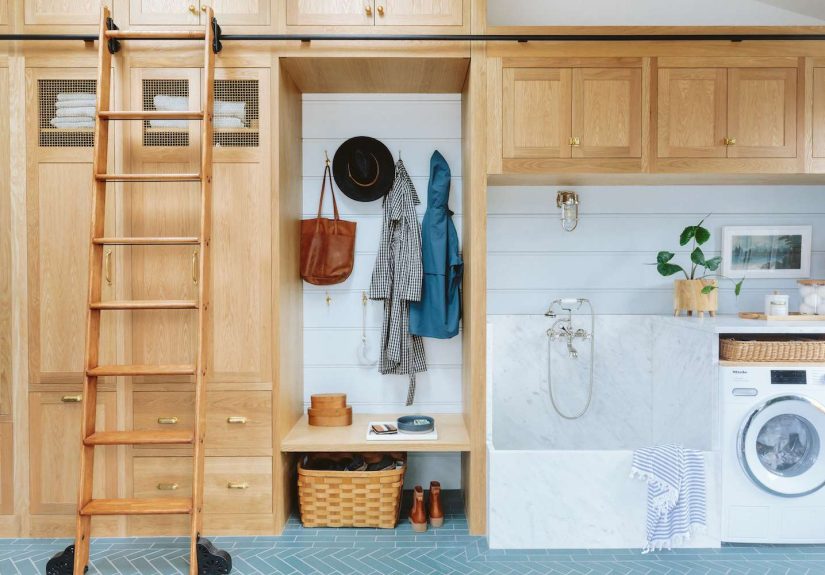
- 6) Add a Utility Sink (Your Future Self Will Send Thanks)
- 7) Choose a Faucet That Matches How You Clean
- 8) Create a “Drop Zone” Bench for Shoes and Bags
- 9) Use Cubbies or Lockers for Each Person
- 10) Install Pegboard for Tools and Small Supplies
- 11) Hide Cleaning Tools in a Tall Broom Cabinet
- 12) Use Pull-Out Hampers for Sorting
- 13) Build a Vertical Basket Organizer
- 14) Add a Rolling Cart for Supplies
- 15) Create a Stain-Treatment Station
- 16) Add a Built-In Ironing Board (Or a Fold-Down One)
- 17) Put a Small Trash + Recycling Center in Here
- 18) Upgrade Lighting to “I Can See What I’m Doing”
- 19) Use Durable, Water-Resistant Flooring
- 20) Add a Backsplash That’s Easy to Wipe
- 21) Paint It a Real Color (Not “Builder Beige Fatigue”)
- 22) Try Wallpaper Where It Won’t Get Splashy
- 23) Swap Hardware for an Instant Upgrade
- 24) Use Matching Containers (Decant + Label)
- 25) Add a “Laundry Schedule” Spot (Yes, Really)
- 26) Include a “Clean Linen” Shelf With Baskets
- 27) Add a Door-Mounted Organizer
- 28) Use Under-Sink Storage That Actually Works
- 29) Add a Pet Washing or Feeding Station
- 30) Put Out a Basket for “Single Socks”
- 31) Use a Sorting Shelf for “Needs a Home” Items
- 32) Consider Pocket Doors or Sliding Doors
- 33) Add Sound Control If Machines Are Loud
- 34) Make Room for Bulk Storage (But Keep It Contained)
- 35) Add One “Joy” Detail So You Like Being Here
- How to Choose the Best Ideas for Your Space
- Extra: 500+ Words of Practical “Been-There” Experiences (Without the Regret)
- Conclusion
The utility room is the unsung hero of your house: it cleans the mess, hides the mess, and somehow becomes the mess. If your current setup feels like “laundry roulette” (spin the basket, trip over a mop, lose a sock to the shadow realm), it’s time for a glow-up that actually makes chores easier.
The goal isn’t to create a showroom where no one is allowed to breathe. It’s to build a hardworking space that looks good while it works: smarter storage, better workflow, durable finishes, and a few style moves that make you want to keep the door open on purpose (wild, I know).
Design First: Make the Room Work Like a Mini “Service Kitchen”
Before you buy cute baskets that will absolutely become “decor clutter,” map your utility room around three things: zones, vertical space, and daily habits. A great utility room supports how you livelaundry, cleaning supplies, pet care, overflow pantry storage, recycling, muddy shoes, all of itwithout turning into a game of Tetris.
- Zones: washing/drying, folding, hanging/drying, cleaning tools, drop zone (shoes/bags), and “gross tasks” (mud/pets).
- Vertical wins: walls and the space above machines are prime real estate.
- Habits: if you always forget stain remover, store it where stains happennot where it looks pretty.
35 Utility Room Ideas (With Real-World Payoff)
1) Build a Folding Counter That’s Actually Comfortable
Add a countertop over front-load machines or along a wall so you can fold immediately (instead of migrating piles to the couch). Choose a surface that can handle heat, moisture, and the occasional “oops, bleach.”
2) Go Vertical With Upper Cabinets
Upper cabinets keep detergents, backups, and “mystery cleaning bottles” out of sight. Bonus: fewer labels screaming at your eyeballs. If your ceilings are tall, take cabinets close to the top to avoid dust-collecting dead space.
3) Add Open Shelves Where You Need Speed
Open shelving is for the stuff you grab constantly: stain spray, lint roller, clothespins, small baskets. Use matching containers so it looks intentionalnot like a supply closet at summer camp.
4) Install a Hanging Rod for Air-Dry Items
A simple rod (or two) saves your delicates and your sanity. Put it above the counter, below a shelf, or suspended from the ceiling if wall space is tight.
5) Try a Wall-Mounted Drying Rack
Fold-down racks are clutch in small utility rooms: they pop out when needed and disappear when not. Great for sweaters, workout gear, and that one shirt you refuse to put in the dryer because it’s “vintage” (translation: fragile).
6) Add a Utility Sink (Your Future Self Will Send Thanks)
A deep sink handles hand-wash items, muddy shoes, paintbrushes, and “what even is this?” messes. If you’ve got pets or kids, it’s basically a life upgrade disguised as plumbing.
7) Choose a Faucet That Matches How You Clean
A pull-down sprayer is practical. A wall-mounted faucet can free up counter space. Either way, go for easy-to-clean finishes and enough height for big buckets.
8) Create a “Drop Zone” Bench for Shoes and Bags
If your utility room connects to the garage or backyard, treat it like a mudroom. Add a bench with shoe storage underneath and hooks above. It keeps the chaos contained instead of spreading through your entire house like glitter.
9) Use Cubbies or Lockers for Each Person
Individual cubbies reduce clutter drama. Each person gets a spot for backpacks, hats, and “I’ll put it away later” itemswithout it becoming your problem.
10) Install Pegboard for Tools and Small Supplies
Pegboard isn’t just for garages. It’s perfect for scissors, measuring spoons (for detergent, not cookies), small brushes, lint rollers, and cleaning gloves.
11) Hide Cleaning Tools in a Tall Broom Cabinet
A tall cabinet corrals brooms, mops, vacuums, and the mop bucket you pretend doesn’t exist. Add interior hooks for dusters and refills.
12) Use Pull-Out Hampers for Sorting
A double (or triple) pull-out hamper system turns laundry sorting into a one-step habit. Label by person, color, or “delicates vs. everything else.” It’s the closest thing to laundry automation without a robot.
13) Build a Vertical Basket Organizer
Store multiple baskets in a tall cubby unit so you’re not stacking them in a corner like modern art called “Oops.” This works especially well for family laundry sorting.
14) Add a Rolling Cart for Supplies
A slim rolling cart is great when storage is limited. Keep daily essentials on it and roll it where you’re workingthen tuck it away. This is ideal for small laundry nooks and tight rooms.
15) Create a Stain-Treatment Station
Give stain removers a dedicated home: a small tray or bin near the sink/counter with a brush, cloth, and spray. When it’s easy, you’ll actually do it right away.
16) Add a Built-In Ironing Board (Or a Fold-Down One)
Wall-mounted fold-down boards or pull-out cabinet boards save space and keep ironing from taking over your life. Even if you iron twice a year, it’s nice not to hunt for the board like it’s a lost artifact.
17) Put a Small Trash + Recycling Center in Here
Utility rooms are perfect for a trash/recycling hub, especially near the garage. Use pull-out bins to keep it tidy and easy to clean.
18) Upgrade Lighting to “I Can See What I’m Doing”
Good lighting is functional and flatteringyes, even for folding towels. Use bright overhead lighting plus task lighting under cabinets or shelves so you can spot stains before they survive the wash.
19) Use Durable, Water-Resistant Flooring
Laundry rooms are spill zones. Choose flooring that handles moisture and cleans easily (tile, sealed concrete, quality vinyl). Add a washable rug runner for comfort and style.
20) Add a Backsplash That’s Easy to Wipe
A simple tile backsplash behind the sink or counter protects walls from splashes and makes the room feel finishedlike you planned it, not like you accidentally ended up here with a basket.
21) Paint It a Real Color (Not “Builder Beige Fatigue”)
Utility rooms can handle bolder color because they’re usually smaller. Deep blue, sage green, or warm white instantly makes the space feel designed. If you’re nervous, paint just the cabinets or an accent wall.
22) Try Wallpaper Where It Won’t Get Splashy
Wallpaper adds personality fast. Put it on a wall away from the sink, or use moisture-resistant options. It’s a low-effort way to turn utilitarian into “cute.”
23) Swap Hardware for an Instant Upgrade
Cabinet pulls and knobs are small but powerful. Choose finishes that match nearby spaces (kitchen, mudroom) so the utility room feels connected, not like an afterthought.
24) Use Matching Containers (Decant + Label)
Decant powders and pods into clear containers and label them. It looks cleaner and helps you spot when you’re running low. Also: fewer half-empty boxes trying to collapse in a cabinet.
25) Add a “Laundry Schedule” Spot (Yes, Really)
A small whiteboard or chalkboard can reduce household confusion. Assign days, track dry-clean-only items, or leave notes like “DO NOT DRY THIS SWEATER.” (The sweater will still try to betray you, but at least you warned everyone.)
26) Include a “Clean Linen” Shelf With Baskets
Dedicate a shelf to clean towels, sheets, or rags. Use baskets for categories. It keeps folded items from roaming the house like they’re looking for a new family.
27) Add a Door-Mounted Organizer
The back of the door is sneaky storage: hang organizers for small tools, lint rollers, stain sticks, and spare clothespins. Great for narrow rooms where wall space is limited.
28) Use Under-Sink Storage That Actually Works
Under the sink can become a black hole. Add a shelf riser or pull-out trays for sponges, brushes, and cleaning refills. Make the space easy to access, or it becomes “out of sight, out of mind, out of control.”
29) Add a Pet Washing or Feeding Station
If you have dogs, a utility sink can double as a quick rinse station. Or add a tucked-in feeding nook with storage for food and leashes. This keeps pet stuff contained and off your kitchen floor.
30) Put Out a Basket for “Single Socks”
A small basket for orphan socks saves time and arguments. Once a week, do a quick match-up. If they don’t find a partner after a month… consider a memorial service.
31) Use a Sorting Shelf for “Needs a Home” Items
Create a small shelf or bins labeled “Kitchen,” “Bedrooms,” “Donate,” “Return.” It prevents the utility room from becoming a permanent holding facility for random stuff.
32) Consider Pocket Doors or Sliding Doors
If the utility room opens into a main area, a pocket or sliding door saves space and hides visual clutter. It’s a smart move for small homes and open layouts.
33) Add Sound Control If Machines Are Loud
If the laundry setup is near living areas, use a solid-core door, a rug, or simple acoustic-friendly finishes to reduce noise. Your movie night will thank you.
34) Make Room for Bulk Storage (But Keep It Contained)
Utility rooms often become overflow storage for paper towels, pet food, and cleaning refills. Put bulk items in bins, label them, and store them low so you’re not wrestling a 24-pack of anything above your head.
35) Add One “Joy” Detail So You Like Being Here
A small plant, a framed print, a fun runner, a cute pendant lightsomething that makes the room feel human. When a space looks good, you’re more likely to keep it functional. That’s not magic. That’s psychology with a throw rug.
How to Choose the Best Ideas for Your Space
You don’t need all 35 ideas. Pick the ones that solve your biggest friction points: no folding space, nowhere to hang, supplies everywhere, or muddy entry chaos. The most effective utility rooms are boring in the best way: everything has a place, and it’s fast to reset.
- If your room is small: prioritize vertical storage, wall-mounted drying, and a rolling cart.
- If you share the space: add personal zones (cubbies, labeled bins, pull-out sorting).
- If it’s a mudroom combo: start with hooks + bench + durable flooring.
- If you want “style” fast: paint, lighting, hardware, and matching containers do the heavy lifting.
Extra: 500+ Words of Practical “Been-There” Experiences (Without the Regret)
People usually think a utility room makeover is about aestheticsuntil they live in one that’s designed around real habits. The biggest “aha” moment tends to be this: the room doesn’t need more space, it needs fewer decisions. When detergent has a home, when there’s a clear folding zone, when the drying rack is already mounted, you stop negotiating with yourself every time you do laundry. And laundry is basically a recurring subscription you can’t cancel.
A common experience: homeowners spend time and money making the room “pretty,” then realize they still hate doing laundry because the workflow is clunky. The basket lands on the floor. The stain spray is across the room. There’s no place to set down a pile. So the clothes travel to the bed, to the sofa, to the chair that becomes a part-time closet. That’s why folding counters and sorting systems feel like tiny miracles. They reduce the number of trips and the number of piles. Piles are sneaky: they start as “temporary” and then apply for permanent residency.
Another real-world lesson: open shelves are a lifestyle choice. If you love visual calm, mix open and closed storage. Keep daily items in neat bins on open shelves, and hide backups behind cabinet doors. People who go all-open often report the same thing: it looked amazing for two weeksthen reality showed up with its friends (random bottles, unmatched socks, spare lightbulbs). Closed cabinets forgive you. They’re like the utility room’s version of “no worries, I got you.”
If your utility room doubles as a mudroom, the lived experience is even clearer: hooks and a bench aren’t “nice-to-haves,” they’re survival gear. Families quickly learn that without a drop zone, shoes migrate. Backpacks multiply. Jackets become floor decor. A bench gives you the simple power to sit down and remove shoes like a civilized person instead of doing a one-foot hop while clinging to the doorframe. Add cubbies and suddenly everyone has a place to land their stuffso you’re not playing detective with car keys and permission slips.
The underrated hero is the utility sink. People who install one often say the same thing: they didn’t realize how many gross little tasks they were doing in the kitchen sink (and how much they hated that). Rinsing paintbrushes, soaking stained clothes, washing a muddy pet paw, cleaning a mop head the utility sink becomes the “yes, do it here” zone. And because it’s built for mess, you worry less about splashes and more about getting things done.
Lastly: the “joy detail” matters more than you’d expect. A fun rug, a bold paint color, a good light fixturethese don’t just look nice, they help you treat the space like part of your home instead of a punishment closet. When the room feels intentional, you reset it faster. You put things back. You keep the counter clear. Not because you became a new person overnight, but because the room finally supports the person you already are. That’s the real marriage of style and functionality: less effort, better results, and fewer socks lost to the shadow realm.
Conclusion
A great utility room isn’t about perfectionit’s about momentum. When your storage matches your habits, your lighting helps you spot problems, your surfaces are durable, and your layout makes sense, the room starts working with you. Pick a handful of upgrades that remove friction, add one or two style moves that make you smile, and you’ll end up with a utility room that feels less like a chore cave and more like a calm, capable command center.