Table of Contents >> Show >> Hide
- Lesson 1: Preparedness Is Not a Binder on a Shelf
- Lesson 2: Digital Care Is Real CareWhen It Is Designed Well
- Lesson 3: Health Equity Is Not OptionalIt Is Infrastructure
- Lesson 4: Health Care Workers Are the System
- What These Lessons Mean for the Future of Health Care
- Additional Experiences: What the Pandemic Felt Like Inside Health Care
- Conclusion: Remember the Lessons Before the Next Crisis
- SEO Tags
Health care learned the hard way that “business as usual” is not a disaster plan, a staffing strategy, or a magic wand in a lab coat. The COVID-19 pandemic stretched hospitals, clinics, public health agencies, researchers, insurers, supply chains, and patients to their limits. It exposed weak spots that had been hiding in plain sight: exhausted workers, fragile medical supply chains, unequal access to care, outdated data systems, and a health care model that often waited for people to become very sick before meeting them where they were.
But the pandemic also proved something powerful: health care can move fast when urgency, funding, science, and collaboration point in the same direction. Telehealth expanded almost overnight. Vaccine research accelerated at historic speed. Hospitals redesigned workflows in days instead of years. Communities organized testing, food support, outreach, transportation, and trusted messaging. In other words, the system did not simply break; it bent, adapted, improvised, and occasionally surprised everyoneincluding itself.
The real question now is not, “What happened?” We have enough documentaries, dashboards, and group-text trauma for that. The better question is, “What should health care never forget?” Here are four major lessons the pandemic has taught health careand why they matter for patients, providers, hospitals, policymakers, and anyone who has ever tried to schedule a doctor’s appointment before the next ice age.
Lesson 1: Preparedness Is Not a Binder on a Shelf
Before COVID-19, many health care organizations had emergency plans. Some were thorough. Some were dusty. Some were probably sitting in a three-ring binder labeled “Pandemic Plan” behind a printer that had not worked since 2014. The pandemic revealed that preparedness cannot be treated as a document. It has to be a living system.
Hospitals Need Flexible Capacity, Not Just More Beds
One of the clearest pandemic lessons for health care is that capacity is more than counting beds. A bed without nurses, respiratory therapists, physicians, pharmacists, cleaning teams, oxygen, protective equipment, and working technology is basically furniture with better branding. During COVID-19 surges, many hospitals could create physical space faster than they could staff it safely.
Health systems learned that surge capacity must include cross-trained teams, clear redeployment plans, regional coordination, and staffing models that can expand without burning out the very people expected to save the day. Some hospitals converted recovery rooms, operating rooms, parking structures, and conference areas into care spaces. That creativity mattered, but improvisation should not be the permanent strategy.
Supply Chains Are Part of Patient Safety
The pandemic made medical supply chains famous for all the wrong reasons. Personal protective equipment, ventilator components, testing materials, medications, and basic supplies became hard to find at different points in the crisis. Health care learned that supply chain resilience is not a back-office issue; it is a frontline safety issue.
When clinicians do not have proper masks, gowns, gloves, testing supplies, or essential devices, risk rises for everyone. Patients face delays. Workers feel unsafe. Hospitals make difficult choices. The lesson is not that every facility must stockpile an entire warehouse until the roof begs for mercy. The lesson is that health care needs better visibility into supply risks, diversified sourcing, smarter inventory systems, domestic and regional manufacturing capacity where appropriate, and stronger coordination between government, suppliers, and providers.
Public Health and Clinical Care Must Work as One Team
The pandemic also showed that public health and medical care cannot operate like two neighbors who wave politely but never share tools. Hospitals needed public health data. Public health agencies needed hospital reporting. Primary care practices needed clear guidance. Patients needed consistent answers. When these systems were disconnected, confusion moved faster than the virus.
A stronger future requires real-time data sharing, interoperable systems, modernized public health infrastructure, and communication channels that work before a crisis begins. Health care preparedness should include local health departments, hospitals, clinics, pharmacies, schools, long-term care facilities, community organizations, emergency responders, and patient advocates. In a crisis, the best time to exchange phone numbers was six months ago.
Lesson 2: Digital Care Is Real CareWhen It Is Designed Well
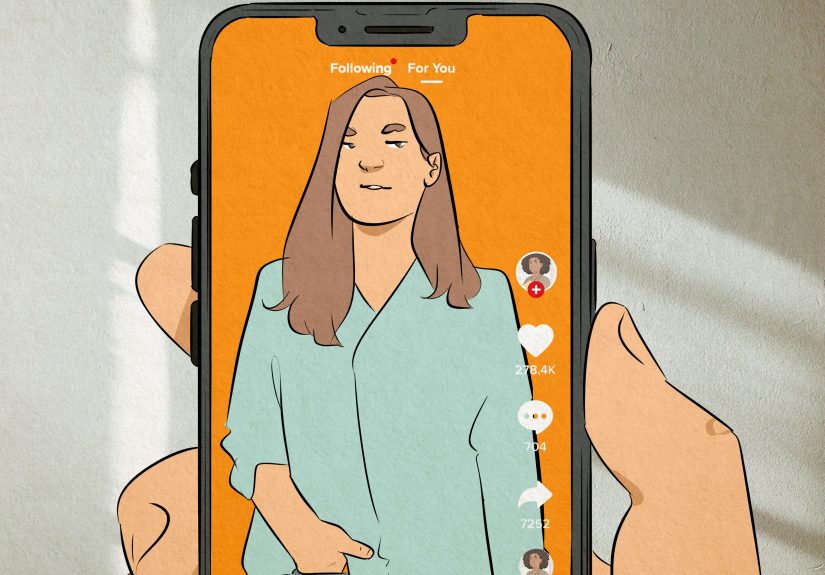
Before the pandemic, telehealth was often treated as a side dish: useful, but not exactly the main course. COVID-19 changed that quickly. As in-person visits became risky or restricted, virtual visits became a practical bridge between patients and clinicians. For many people, telehealth was not a luxury. It was the difference between getting care and delaying care indefinitely.
Telehealth Expanded Access in a Hurry
During the pandemic, telehealth use increased dramatically across the United States, especially after temporary policy changes allowed broader coverage and easier access. Medicare telehealth visits rose sharply in 2020, and health systems that had been slowly “exploring digital transformation” suddenly transformed at the speed of a panicked IT department with coffee.
Patients used virtual care for primary care check-ins, behavioral health visits, chronic disease management, medication follow-ups, urgent questions, and specialist consultations. For people with transportation barriers, mobility limitations, caregiving responsibilities, rural access problems, or immune risks, telehealth offered a more flexible way to receive care.
But Digital Health Can Also Create New Gaps
The pandemic taught health care that digital care is not automatically equitable. A video visit is not very helpful if a patient lacks broadband, a private room, a smartphone, digital literacy, language support, or trust in the platform. Audio-only visits became essential for many patients, especially older adults, people in rural areas, and those without reliable internet access.
Health care organizations must avoid building a future where convenience improves only for people who already have resources. Digital health equity requires user-friendly platforms, multilingual support, accessible design, privacy protections, device access, broadband investment, and reimbursement policies that recognize different patient needs.
The Best Model Is Hybrid, Not Digital-Only
The pandemic did not prove that every visit should happen through a screen. Nobody wants a virtual appendectomy, and if they do, please close that browser tab immediately. Instead, COVID-19 showed that health care needs a smarter hybrid model. Some problems require hands-on exams, imaging, lab work, procedures, or urgent in-person care. Other needs can be handled safely and effectively by video, phone, remote monitoring, secure messaging, or home-based services.
The future of health care should match the type of care to the patient’s situation. Routine medication reviews, mental health therapy, post-discharge check-ins, diabetes coaching, blood pressure monitoring, and some follow-up visits can often be done remotely. Complex diagnoses, physical exams, acute symptoms, and procedures may require in-person care. The lesson is simple: care should be built around clinical need and patient convenience, not around old habits.
Lesson 3: Health Equity Is Not OptionalIt Is Infrastructure
COVID-19 did not create health disparities in the United States, but it put them under a giant spotlight and refused to turn the brightness down. Communities already facing barrierssuch as limited access to primary care, crowded housing, unstable employment, lower insurance coverage, language barriers, transportation challenges, and higher rates of chronic illnesswere often hit harder.
Risk Was Not Distributed Equally
The pandemic showed that medical vulnerability is shaped by more than biology. A person’s job, neighborhood, housing, income, insurance status, language, disability, and access to reliable information can affect exposure, testing, treatment, vaccination, and outcomes. Essential workers could not always work from home. Many families lived in multigenerational households. Some communities had fewer testing sites, fewer pharmacies, fewer clinicians, and less access to paid sick leave.
Health care learned that if equity is addressed only after a crisis begins, the response will always be late. Equity has to be built into preparedness, data collection, outreach, treatment access, clinical trials, vaccine distribution, and communication from the start.
Trust Is a Health Intervention
Another lesson: facts matter, but messengers matter too. During the pandemic, health care organizations discovered that information does not become trusted simply because it appears on an official website. Communities often turned to local physicians, nurses, faith leaders, neighborhood organizations, community health workers, pharmacists, teachers, and family networks for guidance.
Trust is built before emergencies, not during press conferences. Health systems that had strong community relationships were often better positioned to support testing, vaccination, education, and follow-up care. In future crises, health care must partner with trusted local voices early, listen to concerns without condescension, and provide information that is clear, culturally relevant, and available in multiple languages.
Data Must Show Who Is Being Left Out
The pandemic also made one thing painfully clear: if health care does not measure disparities, it cannot fix them. Data by race, ethnicity, age, disability, geography, income, language, and insurance status can help reveal where access breaks down. Without that information, inequity hides behind averages.
For example, a hospital may report strong overall vaccination outreach, but neighborhood-level data might show that certain communities are still underserved. A telehealth program may look successful by total visit count, while missing patients who lack internet access. Equity-focused data helps health care leaders move from “We think we’re doing fine” to “Here is exactly where we need to improve.” That shift is uncomfortable, but so are hospital gowns. Necessary discomfort can still be useful.
Lesson 4: Health Care Workers Are the System
Hospitals do not run on slogans. Clinics do not run on inspirational posters. Health care runs on people: nurses, physicians, therapists, pharmacists, aides, social workers, technicians, cleaners, food service teams, ambulance crews, administrators, public health workers, and countless others. The pandemic taught health care that workforce well-being is not a “nice-to-have.” It is a core requirement for safe, reliable care.
Burnout Became Impossible to Ignore
Health care burnout existed long before COVID-19, but the pandemic turned a serious problem into a five-alarm fire. Workers faced long hours, fear of infection, rapidly changing protocols, moral distress, staffing shortages, patient surges, public frustration, and repeated exposure to grief. Many also worried about bringing infection home to their families.
Burnout affects more than worker morale. It can contribute to turnover, staffing gaps, reduced patient satisfaction, increased errors, and weakened team performance. When experienced professionals leave, the system loses knowledge that cannot be replaced quickly. A hospital cannot simply order three senior ICU nurses with overnight shipping. Workforce development takes time, support, and respect.
Administrative Burden Is a Patient Care Problem
The pandemic also forced health care to rethink unnecessary bureaucracy. When urgency was high, some organizations temporarily simplified paperwork, expanded team-based care, changed licensing rules, adjusted documentation requirements, and allowed clinicians to focus more directly on patients. Not every temporary change should become permanent, but the experience raised an important question: if a rule can disappear during a crisis and care still works, was the rule helping in the first place?
Reducing administrative burden is not about making work easier in a lazy way. It is about removing low-value tasks so clinicians can spend more time doing high-value work. Better technology, smarter documentation, team-based workflows, and policy reform can help. If health care wants to retain workers, it must stop treating their time like an unlimited natural resource.
Team-Based Care Is Stronger Than Hero Culture
The pandemic produced many stories of heroism, and those stories deserve respect. But “hero” language can sometimes hide a dangerous assumption: that extraordinary sacrifice should compensate for ordinary system failure. Health care workers should not need to be superheroes to get through a shift safely.
The better lesson is that team-based care works. Interdisciplinary teams, flexible roles, clear communication, psychological support, peer networks, and strong leadership all helped organizations adapt. The future should focus less on celebrating exhaustion and more on preventing it. Applause is lovely, but safe staffing, mental health support, fair pay, functional equipment, and humane schedules are much better at paying the mortgage.
What These Lessons Mean for the Future of Health Care
The pandemic has taught health care that resilience is not one thing. It is a combination of preparedness, technology, equity, workforce support, public trust, and learning systems. A resilient health system can absorb shocks without collapsing. A learning health system can change based on evidence instead of clinging to tradition like it is the last clean N95 mask in the drawer.
For hospitals, this means investing in flexible staffing, supply chain planning, infection prevention, data infrastructure, and worker well-being. For clinics, it means integrating telehealth wisely, strengthening chronic care management, and building stronger community connections. For policymakers, it means modernizing public health funding, supporting equitable insurance coverage, improving emergency preparedness, and making sure payment rules reward value rather than volume alone.
For patients, the lessons are personal. People want care that is accessible, affordable, respectful, understandable, and coordinated. They want the option to use virtual care when appropriate and in-person care when necessary. They want health systems that communicate clearly and treat them as partners. They want science without arrogance, technology without confusion, and compassion without a six-month waitlist.
COVID-19 was not the last public health crisis the United States will face. Future threats may include new infectious diseases, climate-related emergencies, cyberattacks, medication shortages, natural disasters, or chronic disease surges. The point is not to live in permanent alarm. The point is to prepare intelligently, invest consistently, and remember what the pandemic revealed when the pressure was highest.
Additional Experiences: What the Pandemic Felt Like Inside Health Care
Beyond policies, dashboards, and official reports, the pandemic created a human experience that health care should never file away as “old news.” In hospitals, many teams remember the early months as a blur of changing guidance, improvised workflows, and constant uncertainty. A nurse might begin a shift with one protocol and end it with another. A physician might call a patient’s family on a tablet because visitors were restricted. A respiratory therapist might move from room to room knowing that every alarm could mean someone’s condition had changed quickly. These experiences were not abstract. They were daily, emotional, and exhausting.
Primary care practices had a different but equally important experience. Many had to convert appointments to phone or video almost overnight. Staff members became part clinician, part tech support, part detective. “Can you hear me?” became the unofficial national greeting of modern medicine. Yet these visits also revealed something hopeful. Patients who struggled to take time off work could check in during a break. Older adults with transportation challenges could speak with a clinician from home. Behavioral health appointments became easier for some people to attend privately and consistently. The experience showed that flexibility can improve access when it is designed around real life.
Public health workers experienced the pandemic as a marathon run at sprint speed. They tracked cases, explained guidance, organized vaccination clinics, answered public questions, and handled criticism from every direction. Their work reminded health care that prevention is often invisible until it fails. When public health systems are underfunded, outdated, or politically ignored, everyone eventually feels the consequences. The experience made clear that community health departments are not background scenery. They are essential infrastructure, like roads, water systems, and Wi-Fi that actually works during an important meeting.
Patients and families also carried lasting lessons. Many delayed screenings, surgeries, dental care, chronic disease visits, or mental health support. Some avoided hospitals out of fear. Others lost loved ones without the normal rituals of presence and goodbye. People living with long-term symptoms after infection learned how frustrating it can be when medicine does not yet have easy answers. Their experience should push health care to take post-viral illness, rehabilitation, mental health, disability support, and patient listening more seriously.
There were also encouraging experiences. Communities organized rides to vaccine sites. Pharmacies became crucial access points. Researchers shared data at unusual speed. Hospitals collaborated with competitors. Medical schools, professional societies, technology teams, and government agencies found ways to solve problems faster than usual. The lesson is not that crisis is good; crisis is terrible and has terrible taste in timing. The lesson is that health care can change when the mission is clear and the barriers are questioned.
The most important experience may be this: people saw health care as both heroic and fragile. They saw brilliance in science, compassion in caregiving, and creativity in crisis response. They also saw inequity, confusion, exhaustion, and preventable weakness. A mature health care system must hold both truths at once. Pride should not erase accountability. Criticism should not erase gratitude. The pandemic gave health care a painful education. The final exam is whether the system uses those lessons before the next emergency begins.
Conclusion: Remember the Lessons Before the Next Crisis
The four lessons the pandemic has taught health care are not temporary observations. They are a roadmap. Preparedness must be active, funded, and practiced. Digital care must be integrated thoughtfully and equitably. Health equity must be treated as essential infrastructure. Health care workers must be protected, supported, and heard.
COVID-19 revealed that health care can innovate quickly, but it also showed that speed without trust, technology without access, and heroism without support are not enough. The future of health care should be more resilient, more humane, more connected, and more honest about where the system falls short. That is not just a pandemic lesson. It is a patient care lesson, a leadership lesson, and, frankly, a common-sense lesson wearing a stethoscope.
Note: This article is based on synthesized information from reputable U.S. health care, public health, policy, medical, and research sources, including federal agencies, medical associations, hospital organizations, academic journals, and nonpartisan health policy institutions.