Table of Contents >> Show >> Hide
- Why This List Skips the CBD Hype Train
- 1. Topical Diclofenac Gel
- 2. Menthol or Menthol-Based Cooling Gels
- 3. Lidocaine Creams and Patches
- 4. Capsaicin Creams and Patches
- How to Choose the Right Topical Pain Relief Option
- How to Use Topicals Without Making Things Worse
- When Pain Needs More Than a Cream
- Experience Section: What Pain Relief Often Feels Like in Real Life
- Final Takeaway
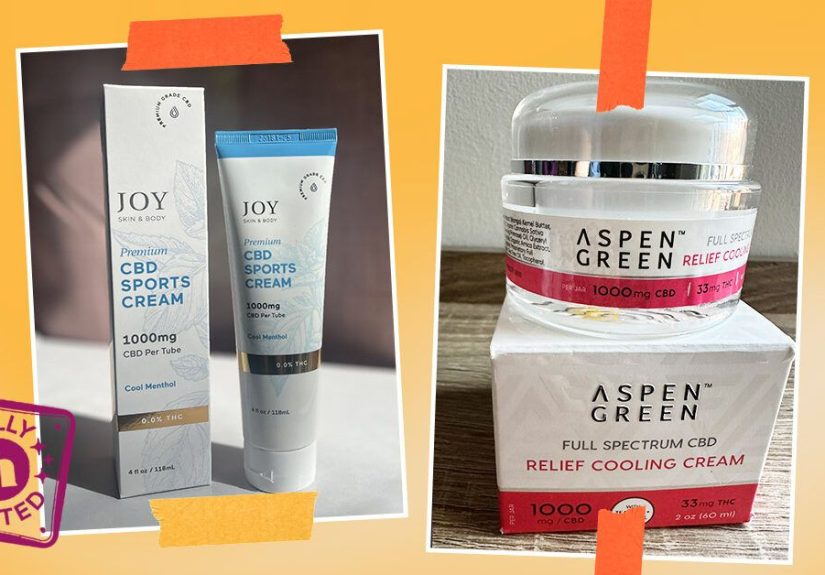
If you came here hunting for a miracle cream that would swagger in, punch pain in the nose, and leave without questions, welcome. Pain relief in real life is usually less action movie, more “smart choices, good habits, and reading the label like an adult.” In 2025, the conversation around pain relief is shifting away from hype and toward options that are easier to understand, more consistent, and often backed by clearer guidance. That is exactly why many people are comparing CBD creams with more familiar topical pain relief options.
This article is not about chasing trendy buzzwords. It is about finding practical, topical approaches that may help with sore muscles, cranky joints, workout aftermath, weekend-yard-work regret, and the kind of neck tension that appears after seven hours of staring at a screen like it owes you money. We will walk through four smarter alternatives people are using instead of CBD creams, explain what each one is best for, and help you figure out which option may fit your situation.
Why This List Skips the CBD Hype Train
CBD products are everywhere online, which is exactly part of the problem. The marketing is often louder than the evidence, the labels can be confusing, and shoppers are sometimes left guessing about strength, purity, and what they are actually rubbing onto their skin. That uncertainty is not ideal when your shoulder already feels like it lost an argument with a barbell.
Instead of playing product roulette, many people are focusing on topical pain relief options with more familiar ingredients and more straightforward directions. These alternatives are not magic. They are simply easier to evaluate, easier to compare, and often easier to use responsibly.
Before we get into the list, one quick reality check: if your pain is severe, unexplained, keeps getting worse, comes with weakness or numbness, or hangs around like an unwelcome houseguest for days on end, it may be time to talk with a clinician instead of buying another tube.
1. Topical Diclofenac Gel
Best for: Arthritis-style joint pain and inflammation-focused aches
If pain had a spreadsheet, diclofenac gel would be the organized coworker who color-codes everything. This topical NSAID is often the first choice for people dealing with joints that feel stiff, achy, and generally offended by stairs. Knees, hands, wrists, and elbows are common trouble spots.
Why do people like it? Because it targets pain right where it hurts without relying only on an oral medication. For some people, that can feel like a more focused approach. It is especially popular when the issue feels inflammatory, like osteoarthritis discomfort rather than simple muscle fatigue after carrying groceries like a champion for no reason.
That said, “topical” does not mean “carefree.” Diclofenac is still an NSAID, which means label directions matter. This is not the moment for freestyle dosing, creative layering, or slapping it on every grumpy body part at once. If you already use other NSAIDs, have certain stomach, kidney, or heart concerns, or take blood thinners, you need to be extra careful and check with a clinician or pharmacist.
Who may like it most: adults with knee or hand arthritis, repetitive-use aches, or mild-to-moderate joint discomfort that flares with movement.
Who should pause first: anyone with complicated medical history, anyone already taking NSAID medicines, and anyone tempted to use “a little extra” because that is not how safer pain relief works.
2. Menthol or Menthol-Based Cooling Gels
Best for: Muscle soreness, post-workout discomfort, and “my back is mad at me” moments
Menthol products are the show-offs of the pain relief aisle. You put them on, and they immediately announce themselves with that icy-hot, cool-breeze-meets-gym-locker smell. If you have ever wanted your skin to feel like it joined a polar expedition for ten minutes, this category understands you.
Cooling gels, roll-ons, and creams with menthol are popular because they create a noticeable sensation fast. That can be especially satisfying when the pain is muscular, surface-level, or tied to temporary soreness. Think tight calves after a long walk, shoulders after a tense workday, or a lower back that filed a complaint after helping a friend move furniture.
Some products combine menthol with other ingredients, such as methyl salicylate. Translation: more label-reading required. These formulas can be useful, but they are not meant to be piled on with heat wraps, heating pads, or enthusiastic overapplication. This is pain relief, not a chemistry experiment.
Why people keep buying it: it works quickly on sensation, feels satisfying, and is easy to apply before or after activity.
Best use case: everyday muscle soreness, minor strains, or tension that feels better with a cooling or warming distraction.
Watch-outs: do not apply to broken skin, avoid eyes and sensitive areas, and do not combine with direct heat unless the label clearly says it is safe.
3. Lidocaine Creams and Patches
Best for: Small, specific areas of surface pain
Lidocaine is the quiet introvert of topical pain relief. It does not arrive with a dramatic scent or a fiery “look at me” sensation. It simply aims to numb the area a bit and mind its business. That makes it appealing for people who want less theatrics and more targeted relief.
When people choose lidocaine, it is often because the discomfort is localized. Maybe there is a stubborn spot in the neck, a small patch of shoulder pain, or an irritated area in the upper arm or leg. Patches can be especially convenient when creams feel messy or when you do not want your hands smelling like a mint factory for the rest of the day.
This category feels simple, but it still has rules. More is not better. Longer is not smarter. And if you are using patches, wearing too many at once or keeping them on too long is not a clever shortcut. It is a bad idea wearing a confident face.
Why it stands out: targeted relief, low-drama application, and a good option for people who dislike strong cooling or heating sensations.
Best fit: minor, localized pain in a limited area rather than broad, full-body soreness.
Important note: always follow the package directions carefully, especially with patches and timing.
4. Capsaicin Creams and Patches
Best for: Recurrent aches when you can tolerate a warming, spicy feeling
Capsaicin comes from chili peppers, which is your first clue that this ingredient is not here to whisper. It works differently from cooling products. Instead of creating that icy blast, it creates warmth and can gradually reduce pain signaling in the treated area over time. In plain English: it may help, but it is not usually love at first application.
Capsaicin can be a solid option for recurring muscle and joint aches, especially when someone is willing to use it consistently and patiently. This is not the category for people who hate tingling, hate warmth, or hate surprises. Capsaicin basically asks, “Would you like your pain relief with a tiny side quest?”
The biggest rookie mistake is using too much or forgetting to wash hands thoroughly. Touch your eyes after applying capsaicin and you will instantly unlock a new life lesson. Also, avoid using it on broken or irritated skin, and keep it away from heating devices. Your body does not need that kind of drama.
Why some people swear by it: it may become more useful with repeated use, especially for familiar, stubborn aches.
Best fit: people who want a non-cooling option and do not mind a warm, active sensation.
Not ideal for: very sensitive skin, impatient people, or anyone who thinks handwashing is optional.
How to Choose the Right Topical Pain Relief Option
If all four options sound decent, that is because pain relief is rarely one-size-fits-all. The better question is not “Which one is best?” but “Which one makes sense for my type of pain?”
- Choose diclofenac gel if your pain feels joint-based, stiff, or inflammation-related.
- Choose menthol products if you want quick, sensory relief for sore muscles or tension.
- Choose lidocaine if the pain is in one small area and you want a more neutral feel.
- Choose capsaicin if you are dealing with recurring aches and do not mind a warming sensation.
Also think about your lifestyle. If you are heading to work, a patch may be easier than a greasy cream. If you exercise often, you may prefer a gel that dries quickly. If you have sensitive skin, heavily scented or strongly warming formulas may be a terrible romance.
How to Use Topicals Without Making Things Worse
Topical pain relief sounds simple, but simple things become complicated the moment humans get creative. Here are the common-sense rules worth following:
- Read the label every time, even if you think you already know it.
- Do not apply to broken, irritated, or infected skin.
- Wash your hands after application unless the product is specifically for your hands.
- Do not layer multiple pain products just because you are impatient.
- Avoid eyes, mouth, nose, and other areas that will make you regret your choices.
- Be cautious with heat. Heating pads plus certain topicals can be a bad combo.
- If the pain gets worse, the skin gets angry, or the symptoms stick around, stop and reassess.
And remember, topical products can be part of a plan, not the entire plan. Ice, heat, rest, gentle movement, stretching, sleep, and physical therapy-style exercise all matter more than many people want to admit. Annoying, yes. True, also yes.
When Pain Needs More Than a Cream
Sometimes the right move is not a new product. It is a medical opinion. If pain lasts more than a few days, feels severe for no clear reason, comes with redness or swelling, causes weakness, or shows up with numbness or trouble moving normally, it is time to stop guessing.
The same goes for pain after a serious injury, pain with fever, or anything that affects breathing, balance, or your ability to use a limb. There is a difference between “I slept weird” pain and “my body is sending a formal complaint” pain. Learn that difference. Your future self will be grateful.
Experience Section: What Pain Relief Often Feels Like in Real Life
Let us talk about the part shopping guides usually skip: the actual human experience. Not the glossy marketing version where someone applies a cream, smiles into the distance, and immediately goes kayaking at sunset. Real pain relief is more ordinary, more specific, and frankly more relatable.
Picture the weekend athlete. They played basketball like they were still eighteen, woke up on Sunday like they were suddenly ninety-two, and now every staircase feels personal. In that situation, a cooling menthol gel often feels emotionally satisfying because it announces relief right away. The sensation itself can make the person feel like something useful is happening. That matters more than people think. Sometimes relief starts with consistency and confidence, not just chemistry.
Then there is the desk worker with a neck and shoulder knot the size of a small grudge. They do not need a dramatic full-body product. They need something targeted, easy to apply, and not too messy before a video meeting. That is where a lidocaine patch or a simple cream often feels practical. The experience is not flashy. It is more like, “Ah, okay, I can get through the afternoon without arguing with my trapezius.” Practical relief counts.
Now imagine the person with achy knees who keeps making the same mistake: feeling better for two days and then deciding this means they should deep-clean the garage, reorganize the patio, and maybe repaint something while they are at it. Joint pain often teaches the same lesson over and over: relief works better when paired with pacing. In real life, people who do best with topical diclofenac are often the ones who also adjust activity, wear better shoes, move regularly, and stop treating pain relief like a permission slip to overdo everything.
Capsaicin users often have the most “it grew on me” stories. The first experience is usually cautious. The second is more confident. By the third time, they understand the warming sensation, stop touching their face with reckless abandon, and start figuring out whether the routine actually helps. This category rewards patience, which is unfortunate because pain often makes people deeply un-patient.
There is also the underrated experience of combining topical relief with better habits. A person with recurring back tension may get more benefit when they use a topical product and also get up from the chair every hour, stretch the hips, adjust their workspace, and sleep like a human instead of a folded lawn chair. The cream matters, but the surrounding habits matter more than the label would like to admit.
What many people discover in 2025 is that pain relief is rarely about finding one perfect product. It is about matching the right type of topical support to the right type of pain, then using it consistently and sensibly. The people who get the most out of these options are usually not the people chasing miracle cures. They are the ones paying attention, respecting directions, and making small changes that actually stick.
That may not sound as exciting as a miracle jar with a trendy ingredient and a futuristic label, but it is more honest. And when your shoulder, knee, neck, or lower back is already having a rough week, honest is a pretty good place to start.
Final Takeaway
If you are comparing pain relief options in 2025, the smartest move is not chasing the loudest product trend. It is choosing an option that matches your kind of pain, fits your routine, and has instructions you can actually follow without needing a chemistry degree. For joint pain, diclofenac often makes the most sense. For sore muscles, menthol products are a familiar favorite. For a small, specific trouble spot, lidocaine is the practical pick. For recurring aches and patient users, capsaicin can be worth considering.
In other words, pain relief does not need to be trendy to be useful. Sometimes the boringly sensible option wins. And honestly, that is kind of beautiful.