Table of Contents >> Show >> Hide
- What Healthy Money Tree Leaves Should Look Like
- 1. Overwatering Is Suffocating the Roots
- 2. Underwatering or Inconsistent Watering Is Drying It Out
- 3. Low Humidity Is Browning the Tips
- 4. Too Much Direct Sun Is Scorching the Leaves
- 5. Temperature Shock and Drafts Are Stressing the Plant
- 6. Salt Buildup From Fertilizer or Tap Water Is Burning the Roots
- How to Tell Which Problem You Actually Have
- Should You Cut Off Brown Money Tree Leaves?
- How to Prevent Brown Leaves in the Future
- Real-World Experience: What Brown Money Tree Leaves Usually Look Like in Everyday Homes
- Conclusion
Few houseplants have better branding than the money tree. It has a braided trunk, shiny green leaves, and a name that sounds like it should pay rent. So when those leaves start turning brown, it feels less like a gardening problem and more like a rude financial forecast.
The good news is that brown money tree leaves usually mean your plant is stressed, not doomed. In most cases, your Pachira aquatica is reacting to one of a handful of common care issues: too much water, too little water, dry air, harsh sun, temperature swings, or a buildup of salts in the soil. Translation: this is fixable. Your plant is waving a leafy little flag and saying, “Please adjust literally one or two things.”
In this guide, we’ll break down the six most common reasons money tree leaves turn brown, how to identify the real culprit, and what to do next. You’ll also get practical money tree care tips, real-life examples, and a longer experience-based section at the end for growers who want the full story, not just the emergency instructions.
What Healthy Money Tree Leaves Should Look Like
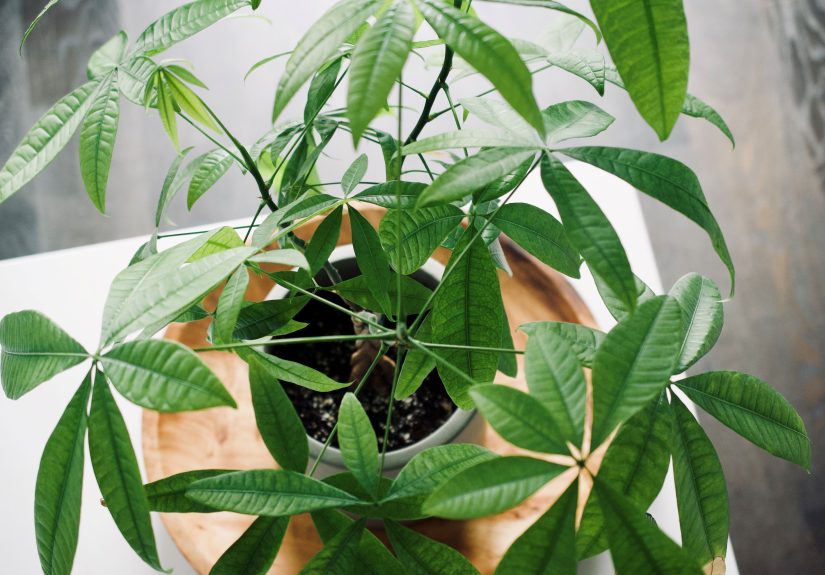
Before diagnosing the drama, it helps to know the baseline. Healthy money tree leaves are usually glossy, green, and slightly soft but not limp. New growth may emerge lighter green and deepen in color over time. A healthy plant also tends to hold its leaves upright and produce steady growth during the warmer, brighter parts of the year.
If the leaves are turning crispy, patchy, spotted, or uniformly brown, your plant is telling you something about its environment. The pattern matters. Brown tips suggest one problem. Brown patches suggest another. Brown leaves plus soggy soil? That’s a completely different soap opera.
1. Overwatering Is Suffocating the Roots
If I had a dollar for every overwatered money tree, I could probably buy another money tree. This is one of the most common reasons brown money tree leaves show up indoors.
How it happens
Money trees like evenly moist soil, but they do not want to sit in swampy potting mix forever just because they come from tropical wetlands in the wild. Indoors, roots need oxygen. When the soil stays soggy for too long, the roots struggle, rot can set in, and the leaves begin to yellow, droop, and eventually brown.
Signs this is the problem
- Soil stays wet for days and feels heavy
- Leaves yellow before they turn brown
- Lower leaves drop off
- Trunk or stems may feel soft near the base
- The pot has poor drainage or no drainage hole
How to fix it
First, stop watering on autopilot. Check the top 1 to 2 inches of soil before adding more water. If it still feels damp, wait. If the plant is in a decorative cachepot, empty any standing water after watering. If the pot has no drainage hole, your money tree is basically living in a bathtub, and it would prefer not to.
If root rot seems likely, slide the plant out of the pot and inspect the roots. Healthy roots are firm and pale. Rotten roots are dark, mushy, and sad-looking. Trim damaged roots with clean scissors, then repot into fresh, well-draining potting mix in a container with drainage.
2. Underwatering or Inconsistent Watering Is Drying It Out
On the opposite end of the care spectrum, a money tree that goes bone-dry too often may develop brown edges, curled leaves, and crisp tips. This is especially common when people swing wildly between “I forgot for two weeks” and “I dumped in a gallon to make up for it.” Plants do not appreciate guilt watering.
How it happens
When the root ball dries out too much, the plant can’t move enough moisture to the leaves. The tips and edges are often the first to show it. Repeated dry spells stress the plant and can lead to browning, leaf drop, and stunted growth.
Signs this is the problem
- Brown, crispy tips or margins
- Leaves curl inward or droop
- Soil pulls away from the edge of the pot
- The pot feels very light
- New growth looks small or weak
How to fix it
Water thoroughly until excess drains out the bottom. Do not just splash the surface and walk away like you’ve solved a mystery. Let water fully moisten the root ball. After that, settle into a more consistent rhythm: check the soil weekly and water when the top layer feels dry, not according to a fixed calendar.
If the soil has become hydrophobic and water runs right through, soak the root ball more slowly by watering in stages or bottom-watering for a short period, then let it drain well.
3. Low Humidity Is Browning the Tips
Money trees are tropical plants. Your living room in winter, with forced air heat and the moisture level of a cracker, is not tropical. Low humidity is one of the most common reasons money tree leaf tips turn brown.
How it happens
Dry indoor air causes moisture loss from the leaves faster than the plant can comfortably replace it. The result is often brown, crispy tips or edges, while the rest of the leaf may still look mostly green.
Signs this is the problem
- Mainly the tips are brown, not the whole leaf
- Browning gets worse in winter
- The plant sits near heat vents or a drafty window
- Soil moisture seems otherwise reasonable
How to fix it
Move the plant away from heating vents, radiators, fireplaces, and drafty windows. Increase humidity with a room humidifier, group tropical plants together, or place the plant in a naturally more humid room with bright indirect light. Pebble trays can help a little, but a humidifier does the heavy lifting.
Misting is often treated like a magical cure, but it usually offers only temporary relief. Think of it as a tiny spa moment, not a climate solution.
4. Too Much Direct Sun Is Scorching the Leaves
Money trees love bright, indirect light. The keyword there is indirect. Harsh afternoon sun can scorch foliage and leave you with dry brown patches that look like your plant lost an argument with a laser beam.
How it happens
Indoor tropical plants adapted to filtered light can burn if placed in intense direct sun, especially in a west-facing window or outdoors without a gradual adjustment period. Browning from sun scorch often shows up as bleached, tan, or crispy patches on the side facing the light.
Signs this is the problem
- Brown patches rather than just brown tips
- Damage appears on leaves facing the window
- The plant recently moved to a sunnier spot
- Leaves may look faded before turning brown
How to fix it
Move the plant a few feet back from the window or filter the light with a sheer curtain. East-facing windows are often a great fit. Bright rooms are excellent; direct afternoon sun is less charming.
Damaged areas won’t turn green again, but new growth should look healthy once the light is corrected. Rotate the pot every week or two so the plant grows evenly and doesn’t start leaning like it’s eavesdropping.
5. Temperature Shock and Drafts Are Stressing the Plant
Money trees prefer stable indoor conditions. They do not enjoy being blasted by cold air from a door, hot air from a vent, or random temperature swings that feel like weather roulette.
How it happens
Cold drafts, hot dry air, and sudden environmental changes can stress the plant enough to trigger browning and leaf drop. Even a healthy money tree may react if it is moved from one extreme to another too quickly.
Signs this is the problem
- Brown leaves appear suddenly after a move
- The plant is close to a heater, AC vent, or exterior door
- Leaves drop along with browning
- No obvious watering mistake is present
How to fix it
Keep your money tree in a warm room with steady temperatures and away from direct blasts of hot or cold air. Avoid putting it where it gets chilled at night from glass or sun-baked during the day near a heater. In short, don’t place it in the indoor equivalent of a bus stop.
6. Salt Buildup From Fertilizer or Tap Water Is Burning the Roots
This cause sneaks up on a lot of plant owners. You may be watering “correctly,” but the leaves still get brown tips and edges. Why? Because the issue is not the amount of water. It’s what’s left behind in the soil.
How it happens
Fertilizer salts can accumulate in potting mix over time, especially if you fertilize heavily or more often than the label suggests. In some homes, mineral-heavy or softened tap water can also contribute to buildup. Too many salts interfere with the roots’ ability to take up water, and the leaves can respond with scorched-looking tips and margins.
Signs this is the problem
- Brown tips despite decent watering habits
- A white crust on the soil surface or pot rim
- Symptoms worsen after feeding
- The plant hasn’t been repotted in a long time
How to fix it
Flush the soil by watering deeply several times so excess salts wash out through the drainage hole. Let the pot drain completely. Cut back fertilizer frequency and strength. During active growth, a diluted balanced houseplant fertilizer is plenty. More is not more. More is often just crispy.
If salt buildup has been going on for a while, repot into fresh mix. If your tap water is especially hard or softened, try filtered water for a while and watch how the new growth responds.
How to Tell Which Problem You Actually Have
Because brown leaves can have overlapping causes, diagnosis matters. Here’s the quick cheat sheet:
- Crispy tips + dry soil: likely underwatering or low humidity
- Yellowing first + soggy soil: likely overwatering or root issues
- Brown patches on sun-facing leaves: likely scorch from direct light
- Sudden browning after a move: likely temperature or environmental stress
- Brown tips + white crust on soil: likely fertilizer or mineral salt buildup
If you also notice sticky residue, tiny webs, cottony clusters, or small bumps on stems, check for pests such as spider mites, mealybugs, or scale. While pests are not in today’s official top six, they absolutely deserve suspicion if the plant looks rough and your care routine seems normal.
Should You Cut Off Brown Money Tree Leaves?
Yes, but with restraint. Brown tissue won’t turn green again, so trimming can improve the plant’s appearance. Use clean scissors and trim just the dead brown part, following the natural shape of the leaf. If a leaf is mostly brown, remove the whole thing at the base of the stem.
Just don’t go full hedge-trimmer mode. If you remove too many leaves at once, you’ll add more stress to a plant that is already filing complaints.
How to Prevent Brown Leaves in the Future
- Give your money tree bright, indirect light
- Water when the top inch or two of soil dries out
- Use a pot with drainage and a loose potting mix
- Keep humidity moderate, especially in winter
- Avoid heaters, AC vents, and cold drafts
- Fertilize lightly during active growth, not aggressively year-round
- Flush the soil occasionally to reduce salt buildup
- Inspect leaves for pests before a small problem becomes a whole production
Real-World Experience: What Brown Money Tree Leaves Usually Look Like in Everyday Homes
Here’s what tends to happen in real life, which is usually much messier than the neat little bullet points in plant care cards. Someone buys a money tree because it looks polished, lucky, and low-maintenance. It gets placed in a pretty corner. Everyone admires it for two weeks. Then normal life happens.
One common scenario is the “weekend overachiever.” A person waters every Saturday no matter what. Rain, shine, vacation recovery, emotional support watering, all of it. At first, the plant seems fine. Then the lower leaves start yellowing, a few turn brown, and the owner assumes the plant must be thirsty because the leaves look unhappy. So they water more. This is how a minor moisture issue becomes a root problem. The fix, almost every time, is to stop using the calendar as the boss and start checking the soil first.
Another classic pattern is the “I forgot and now I feel terrible” cycle. The soil gets very dry. The leaves develop crispy edges. The owner panics, drenches the pot, and promises to become a better person. Then the plant sits wet for too long. Now the money tree is dealing with both drought stress and soggy roots, which is honestly unfair. When people switch to checking the soil once a week and watering thoroughly only when needed, the plant usually stabilizes fast.
Winter is when money trees reveal every household flaw with brutal honesty. The heater kicks on, the air gets dry, and suddenly the leaf tips look toasted. A lot of people think this means they need to water more, but the real problem is often the air, not the soil. Move the plant away from the vent, raise the humidity, and the new growth often comes in clean again. The old damaged tips stay brown, but the future improves, which is all any of us can ask for.
Then there’s the bright-window trap. A money tree in a dim room may survive, but when someone finally tries to “help” by putting it in direct afternoon sun, the leaves can scorch. The browning looks dramatic, often in patches, and it can happen faster than people expect. Money trees want brightness, not punishment. Filtered light is the sweet spot.
Salt buildup is another issue that surprises people because it doesn’t feel obvious. The owner may be doing everything mostly right, but they fertilize a little too enthusiastically or use mineral-heavy water month after month. Then the leaf tips begin to brown for no clear reason. Once they flush the soil, ease up on fertilizer, or repot into fresh mix, the plant starts acting normal again. It is one of those problems that feels mysterious until it suddenly doesn’t.
The biggest lesson from long-term money tree care is that plants respond better to consistency than heroics. You do not need a dozen products, a spreadsheet, or a whispering ritual at sunrise. You need decent light, measured watering, drainage, stable conditions, and the willingness to notice patterns. A money tree with brown leaves is not a failure. It is feedback. Sometimes slightly rude feedback, yes, but still useful.
If your plant has only a handful of brown leaves, don’t assume the worst. Correct the environment, be patient, and watch the new growth. That’s the part that tells the truth. Houseplants rarely recover overnight, but they often recover beautifully when their basic needs finally line up.
Conclusion
If your money tree leaves are turning brown, the solution usually comes down to detective work, not desperation. Start with the basics: feel the soil, check the light, think about humidity, and look around for vents, drafts, or fertilizer crust. In most homes, the cause is something ordinary and fixable. The sooner you spot the pattern, the easier it is to get your plant back on track.
And remember: a money tree does not need perfect care. It needs steady care. That’s a much easier budget to manage.