Table of Contents >> Show >> Hide
When people think about cancer risk, they usually picture the usual suspects: smoking, too much sun, family history, and maybe that mysterious hot dog at a gas station that has been rotating since 2009. But there is another category that deserves attention: viruses that can cause cancer.
Before your inner panic alarm starts tap dancing, take a breath. Most viral infections do not lead to cancer. A cold virus is not secretly plotting to become a tumor. The flu is rude, but it is not usually that ambitious. Cancer-related viruses matter because certain infections can persist in the body, weaken immune defenses, inflame tissues for years, or interfere with normal cell-growth controls. Over time, that may raise the risk of specific cancers.
The good news? Many virus-related cancer risks can be reduced. Vaccines, screening, testing, safer sex, not sharing needles, and medical treatment can make a real difference. In other words, this is not a doom-and-gloom story. It is a “know the enemy, wash your hands, get your shots, and stop sharing razors” story.
How Can a Virus Cause Cancer?
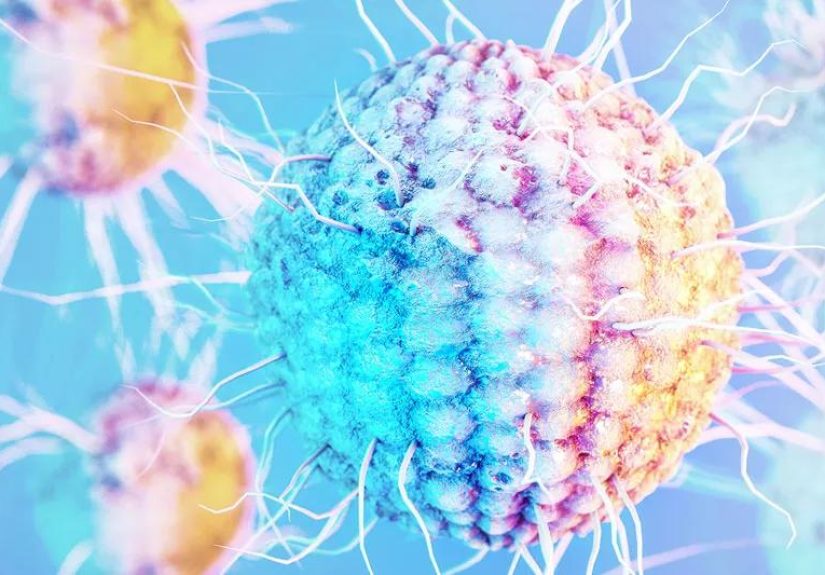
Viruses are tiny biological troublemakers that enter cells and use those cells to make more copies of themselves. Some leave quickly. Others hang around like a guest who “just needs the couch for one night” and is still there three years later.
Cancer can develop when cells grow out of control. Certain viruses may contribute to that process in several ways. Some can affect genes that tell cells when to divide or stop dividing. Some create long-term inflammation, which keeps tissues in a state of repair and stress. Others weaken the immune system, making it harder for the body to find and remove abnormal cells before they become dangerous.
It is important to understand the word “risk.” A virus linked with cancer does not mean every infected person will develop cancer. In fact, most people with these infections never do. Cancer usually takes more than one factor: the virus, genetics, immune health, smoking, alcohol use, other infections, age, and plain old biological bad luck can all play supporting roles.
The 6 Viruses That Can Cause Cancer
The six viruses commonly highlighted in medical discussions of virus-related cancer risk are Epstein-Barr virus, hepatitis B virus, hepatitis C virus, human herpesvirus 8, human immunodeficiency virus, and human papillomavirus. Let’s unpack them without making your brain feel like it accidentally opened a medical textbook during lunch.
1. Epstein-Barr Virus (EBV)
Epstein-Barr virus, or EBV, is extremely common. It is best known for causing mononucleosis, often called “mono.” If mono had a slogan, it would be: “Congratulations, you are exhausted for weeks.” EBV spreads mainly through saliva, which is why mono is sometimes nicknamed the “kissing disease,” though sharing drinks, utensils, or toothbrushes can also spread it.
After infection, EBV usually stays in the body for life. Most of the time, it causes no ongoing problems. Your immune system keeps it under control, like a strict librarian shushing a noisy student.
In rare cases, EBV is linked with certain cancers. These include some lymphomas, such as Burkitt lymphoma and Hodgkin lymphoma, and nasopharyngeal cancer, which affects the upper part of the throat behind the nose. EBV has also been studied in relation to some stomach cancers.
There is currently no routine vaccine for EBV. Prevention focuses on basic hygiene habits: do not share toothbrushes, avoid sharing drinks or eating utensils when someone is sick, and be mindful of saliva exposure. That may sound less glamorous than a futuristic medical breakthrough, but prevention often wears sneakers, not a cape.
2. Hepatitis B Virus (HBV)
Hepatitis B virus affects the liver. Some people clear the infection, while others develop chronic hepatitis B, meaning the virus stays in the body for the long haul. Chronic infection can lead to liver inflammation, scarring known as cirrhosis, and a higher risk of liver cancer.
HBV spreads through blood and certain body fluids. Transmission can happen through sexual contact, sharing needles or injection equipment, childbirth, and exposure to infected blood. Because the liver is basically the body’s chemical processing plant, long-term inflammation there is not something to ignore. If the liver had an HR department, chronic hepatitis would generate a very serious complaint.
The best protection against hepatitis B is vaccination. The hepatitis B vaccine is a major cancer-prevention tool because preventing HBV infection helps lower the risk of HBV-related liver cancer. Testing is also important because many people with chronic hepatitis B may not feel sick for years.
People diagnosed with chronic hepatitis B should work with a healthcare provider for monitoring and treatment decisions. Antiviral medicines may help control the virus and reduce liver damage, even if they do not always eliminate the infection completely.
3. Hepatitis C Virus (HCV)
Hepatitis C virus also targets the liver and can cause chronic infection. Left untreated, chronic HCV may lead to cirrhosis, liver failure, and liver cancer. The sneaky part is that many people do not know they have hepatitis C because symptoms can be mild, delayed, or absent.
HCV spreads mainly through blood. In the United States, sharing needles or injection equipment is a major route. It can also spread through less common exposures involving infected blood. Modern blood screening has made transfusion-related HCV rare in the U.S., but people exposed before widespread screening may still need testing.
Unlike hepatitis B, there is no vaccine for hepatitis C. But here is the excellent news: hepatitis C is often curable with direct-acting antiviral medications. That is a big deal. Treating HCV can reduce liver inflammation and lower the long-term risk of serious liver disease.
Because hepatitis C can be quiet for years, testing matters. Adults should ask their healthcare provider about HCV screening, especially if they have any history of possible blood exposure. Your liver is not dramatic. It will not always send a formal invitation titled “Please Notice I Am Struggling.” Testing helps catch problems before they become harder to treat.
4. Human Herpesvirus 8 (HHV-8)
Human herpesvirus 8, also called Kaposi sarcoma-associated herpesvirus, is linked to Kaposi sarcoma and certain rare lymphomas. Kaposi sarcoma can cause abnormal growths in the skin, mouth, lymph nodes, or internal organs.
HHV-8 does not usually cause disease in healthy people. The risk becomes much higher when the immune system is weakened, especially in people with advanced HIV or people taking strong immune-suppressing medications after organ transplantation.
HHV-8 can spread through saliva, sexual contact, and blood exposure. In many cases, infection is silent. That silence is part of what makes immune health so important. A strong immune system often keeps HHV-8 from causing trouble, but when immune defenses drop, the virus may get an opportunity to cause disease.
There is no widely used vaccine for HHV-8. Prevention includes safer sex practices, avoiding shared needles, and managing HIV effectively when present. For people with HIV, antiretroviral therapy can strengthen immune function and reduce the risk of Kaposi sarcoma.
5. Human Immunodeficiency Virus (HIV)
HIV is different from some of the other viruses on this list because it does not typically cause cancer directly by turning a normal cell into a cancer cell. Instead, HIV weakens the immune system. When immune defenses are low, the body has a harder time controlling cancer-linked viruses such as HPV, EBV, and HHV-8.
People living with HIV have a higher risk of several cancers, including Kaposi sarcoma, certain lymphomas, cervical cancer, anal cancer, liver cancer, and some head and neck cancers. The risk is strongly influenced by immune function, access to treatment, co-infections, and lifestyle factors such as smoking.
HIV spreads through blood, semen, vaginal fluids, rectal fluids, and breast milk. It does not spread through casual contact like hugging, sharing a classroom, using the same toilet seat, or standing near someone in line while both of you silently judge the slow cashier.
Modern HIV treatment is highly effective. Antiretroviral therapy can reduce the amount of virus in the body, protect the immune system, and greatly lower the risk of HIV-related complications. HIV prevention tools also exist, including condoms, not sharing needles, routine testing, and preventive medications for people at higher risk.
6. Human Papillomavirus (HPV)
Human papillomavirus, or HPV, is one of the most common sexually transmitted infections. There are many types of HPV. Some cause warts. Others are considered high-risk because persistent infection can lead to cancer.
High-risk HPV can cause cervical cancer, anal cancer, penile cancer, vaginal cancer, vulvar cancer, and oropharyngeal cancer, which affects areas such as the back of the throat, base of the tongue, and tonsils. Most HPV infections clear on their own within a couple of years. The problem is persistent infection. When high-risk HPV stays active for many years, it can cause cell changes that may become precancerous and eventually cancerous.
The HPV vaccine is one of the strongest tools for preventing HPV-related cancers. It works best when given before exposure to the virus, which is why it is commonly recommended for preteens, teens, and young adults according to medical guidance. Adults who missed earlier vaccination should ask a healthcare provider whether it makes sense for them.
Cervical cancer screening is also essential. Pap tests and HPV tests can detect abnormal changes before cancer develops. That is prevention with receipts. It is much easier to deal with precancerous changes early than to wait until cancer shows up wearing steel-toed boots.
Why These Viruses Do Not Affect Everyone the Same Way
One person may get a virus and never know it. Another may develop a chronic infection. A third may develop long-term complications years later. Biology is not always fair, tidy, or interested in our schedule.
Several factors influence whether a cancer-linked virus becomes dangerous. The strength of the immune system matters. So does age at infection, viral type, viral load, smoking, alcohol use, nutrition, other infections, genetics, and access to healthcare. For example, HPV-related cancer risk rises when high-risk HPV persists. Hepatitis-related liver cancer risk increases when liver inflammation continues for years. HIV-related cancer risk rises when immune suppression is untreated.
This is why prevention and regular medical care are so powerful. You cannot control every risk factor, but you can control more than you might think.
Practical Ways to Reduce Virus-Related Cancer Risk
Get Recommended Vaccines
The HPV vaccine can prevent infections with HPV types that cause many HPV-related cancers. The hepatitis B vaccine helps prevent HBV infection and therefore lowers the risk of hepatitis B-related liver cancer. These are not just “infection vaccines.” They are cancer-prevention vaccines, which sounds like something science deserves a standing ovation for.
Ask About Testing
Testing can detect infections before symptoms appear. Hepatitis B, hepatitis C, HIV, and HPV-related cervical changes can often be identified through appropriate medical testing. Early knowledge gives you options: monitoring, treatment, lifestyle changes, and steps to protect others.
Use Safer Sex Practices
Condoms and dental dams can reduce the risk of many sexually transmitted infections, though they do not eliminate risk completely because some viruses can infect areas not covered by barriers. Limiting exposure, discussing testing with partners, and getting vaccinated where appropriate all help lower risk.
Do Not Share Needles or Injection Equipment
Blood exposure is a major route for HBV, HCV, and HIV. Avoiding shared needles, syringes, razors, and other items that may carry blood is a direct way to reduce infection risk.
Take Treatment Seriously
Hepatitis C can often be cured. HIV can be controlled with antiretroviral therapy. Hepatitis B can often be managed with monitoring and medication when needed. Treatment is not just about feeling better today. It can reduce long-term complications tomorrow.
When Should You Talk to a Doctor?
Talk with a healthcare provider if you have concerns about exposure to hepatitis B, hepatitis C, HIV, HPV, or other infections linked to cancer. You should also seek medical advice if you notice unusual symptoms such as unexplained weight loss, persistent swollen lymph nodes, unusual bleeding, long-lasting fatigue, yellowing of the skin or eyes, persistent throat symptoms, new skin lesions, or ongoing abdominal discomfort.
These symptoms do not automatically mean cancer. In fact, they usually have other explanations. But persistent symptoms deserve attention. Your body is not a spam folder; do not ignore every message it sends.
Experience-Based Insights: What This Topic Teaches in Real Life
One of the most important experiences around virus-related cancer risk is how often people underestimate quiet infections. Many people imagine that a serious infection must feel dramatic: fever, pain, flashing warning lights, maybe a tiny marching band. In reality, hepatitis B, hepatitis C, HPV, and HIV can remain silent for years. That silence can create a false sense of safety.
In everyday life, the people who benefit most are often the ones who treat prevention like routine maintenance rather than emergency repair. Think about the difference between changing the oil in a car and waiting until smoke pours from the hood. Vaccination, screening, and testing are the health equivalent of checking the dashboard before the engine gives up and starts writing its resignation letter.
Another real-world lesson is that stigma gets in the way of prevention. Because several of these viruses can spread through sexual contact or blood exposure, people sometimes avoid testing because they feel embarrassed. That is understandable, but it is also unfair to the person needing care. Viruses are not moral judges. They do not check your character references before infecting cells. Medical testing is not a confession booth; it is a tool.
Families also play a role. Parents who vaccinate their children against HPV and hepatitis B are not encouraging risky behavior. They are preventing future disease. A seat belt does not encourage car crashes; it protects people in case life gets messy. The same logic applies here. Cancer prevention works best before risk arrives.
For adults, the experience is often about catching up. Some people missed vaccines when they were younger. Some never got tested for hepatitis C. Some have not had recommended cervical cancer screening in years. The helpful move is not self-blame. It is action. A simple appointment can answer questions that worry alone cannot solve.
Healthcare providers see this pattern all the time: patients feel nervous before testing, then relieved once they have a plan. Even a positive result is not the end of the story. Hepatitis C treatment can cure many infections. HIV treatment can protect immune health. Abnormal cervical screening results can often be managed before cancer develops. Knowledge can be uncomfortable for a moment, but ignorance can be expensive for years.
The biggest takeaway from the Cleveland Clinic topic is not “be afraid of viruses.” It is “respect the ones that matter.” Most viruses will never cause cancer. But the ones that can deserve smart prevention. Vaccines, testing, safer habits, and treatment are not tiny details. They are the difference between hoping everything is fine and actually checking.
Conclusion
Viruses that can cause cancer may sound frightening, but the story is more hopeful than scary. EBV, hepatitis B, hepatitis C, HHV-8, HIV, and HPV are linked to specific cancer risks, yet most infections do not lead to cancer. The real power is in prevention: HPV vaccination, hepatitis B vaccination, hepatitis testing, HIV testing and treatment, safer sex, avoiding shared needles, and routine screening.
Modern medicine has made many virus-related cancers more preventable than ever. The trick is using the tools available before problems become serious. Your immune system does a lot, but it appreciates backup. Give it vaccines, testing, treatment, and fewer questionable life choices to clean up after.