Table of Contents >> Show >> Hide
- Quick Newborn Puppy Care Checklist (Print This in Your Brain)
- 1) Create a Safe, Warm “Puppy Nursery” (Because Heat = Survival)
- 2) Make Sure They’re Getting Milk (Colostrum, Nursing, or Safe Supplementing)
- 3) Track Weight Daily (Your Scale Is Now the Main Character)
- 4) Keep the Whelping Area Clean (And Keep Mom Healthy, Too)
- 5) Help Them “Go Potty” (If Mom Isn’t Doing It) and Watch Hydration
- 6) Follow a Smart Growth Timeline (Weaning, Deworming, Vet Visits, Vaccines)
- Real-World Experiences: What Caring for Newborn Puppies Actually Feels Like (Extra )
- Conclusion
Newborn puppies are basically tiny, squeaky potatoes with very big needs and absolutely zero ability to
“figure it out.” For the first couple of weeks, they can’t regulate body temperature well, can’t walk,
can’t see, and (rude but true) can’t even potty without help. The good news? If you handle the basics
like warmth, milk, hygiene, and monitoring, you can dramatically improve their odds of thriving.
This guide focuses on practical, vet-aligned newborn puppy carewhether mom is doing most of the work
(ideal) or you’re supporting a litter that needs extra help. You’ll get specific examples, a simple
schedule, and the “call the vet now” signs people often miss because they’re busy Googling at 2 a.m.
(We’ve all been there. The internet is loud at night.)
Quick Newborn Puppy Care Checklist (Print This in Your Brain)
- Warmth first (cold puppies can’t nurse well).
- Milk on schedule (mom’s milk or a proper puppy milk replacernever cow’s milk).
- Weigh daily and write it down (tiny changes matter).
- Stimulate potty if mom isn’t doing it (until ~3 weeks).
- Clean bedding + calm environment (newborns don’t need chaos or visitors).
- Vet plan for deworming and vaccines as they grow.
1) Create a Safe, Warm “Puppy Nursery” (Because Heat = Survival)
If newborn puppies had a motto, it would be: “If I’m cold, I’m in trouble.” Puppies rely on mom,
littermates, and the environment to stay warmespecially during the first weeks. Your job is to make
sure the whelping area is safe, steady, and warm without turning it into a toaster oven.
What a good setup looks like
- A whelping box or pen that’s easy to clean, draft-free, and large enough for mom to stretch out.
-
Safe heat source (heat lamp or heating pad designed for pets), positioned so there’s a warm zone
and a cooler escape zone. - Non-slip bedding (soft but not slippery). Think washable fleece over absorbent pads, not loose strings.
-
Crush protection like a “pig rail” (a small ledge/rail inside the box) to reduce the risk of mom accidentally
pressing a puppy against the wall.
Temperature tips (simple and realistic)
Aim for a warm nursery during week 1, then gradually reduce the temperature as puppies develop better
heat control. If you’re using a heat lamp or pad, always create a cooler corner. Puppies should be able
to scoot away from heatbecause they’re not great at negotiating.
How to “read” puppy comfort
- Too cold: puppies cry a lot, pile tightly, feel cool, and struggle to latch.
- Too hot: puppies spread out, pant (older pups), and try to crawl away from the heat source.
- Just right: quiet, sleepy puppies who nurse, then conk out like they worked a double shift.
Example: If you walk in and the whole litter is screaming like a tiny choir of complaints, don’t assume
“they’re hungry.” Check warmth first. A chilled puppy may refuse to eat or eat poorly, which creates a
scary spiral.
2) Make Sure They’re Getting Milk (Colostrum, Nursing, or Safe Supplementing)
Milk is more than caloriesit’s hydration, energy, and in the first day, a major immune boost.
Ideally, puppies nurse from mom, starting soon after birth. If that’s happening smoothly, your job is
mostly traffic control: confirm everyone gets a turn at the “good seats” and no one is being pushed out
of the milk bar.
The first 24 hours: colostrum matters
Colostrum (the early milk) contains antibodies that help protect puppies when their immune systems are
immature. The window is time-sensitive, so early nursing is important.
How to tell nursing is going well
- Puppies latch and suck rhythmically.
- Bellies look gently rounded after nursing (not hard or bloated).
- Puppies settle and sleep between sessions.
- Daily weights trend upward after the first day.
If mom’s milk seems low (or the litter is large)
Sometimes mom is exhausted, stressed, or simply outnumbered. In that case, vets often recommend
supplemental feeding. Use a commercial puppy milk replacer (not homemade recipes and not cow’s milk).
Warm it to body temperature per product guidance and feed carefullyoverfeeding and overly fast feeding
can cause regurgitation or aspiration.
Feeding schedule (general): For very young puppies who are orphaned or not nursing well, feedings are
frequentoften every 2–4 hours in the first week, then gradually less often as they grow. Exact volumes
depend on puppy size and the milk replacer used, so follow the label and your veterinarian’s instructions.
Important safety note: If a puppy is weak, chilled, or not swallowing well, don’t guess your way through.
Seek veterinary help. Some interventions (like tube feeding) can be dangerous if you’re not trained.
3) Track Weight Daily (Your Scale Is Now the Main Character)
Newborn puppy care is one part snuggles, one part spreadsheets. Daily weight checks are one of the
simplest ways to spot trouble earlyoften before symptoms get dramatic.
What “normal” weight gain looks like
- After a possible small early dip, puppies should gain steadily.
- Many healthy newborn puppies gain roughly 5–10% of body weight per day.
- Most puppies double birth weight in about a week (breed and litter conditions matter).
How to do it (without turning it into a wrestling match)
- Use a digital kitchen scale (grams are your friend).
- Weigh at the same time daily (morning works well).
- Record each puppy’s weight with an ID (collar color, nail polish dot, or a simple mark).
- Watch the trend, not a single number.
Red flags your scale can catch early
- Weight plateau (no gain) for a day in a very young puppy.
- Weight loss after the first day.
- One “small” puppy consistently falling behind littermates (may need supplemental feeds).
Example: If Puppy A gains 12 grams daily for three days, then gains 0 grams on day four and cries more,
that’s your early warning. Don’t wait for the dramatic collapse. A quick vet call can prevent a crisis.
4) Keep the Whelping Area Clean (And Keep Mom Healthy, Too)
Clean doesn’t mean sterile. It means “not damp, not smelly, not a bacteria theme park.” Newborn puppies
have immature immune defenses, so hygiene mattersespecially when there’s milk dribble, poop accidents,
and general chaos happening at floor level.
Best practices for cleanliness
- Change bedding regularly (daily or more if it’s wet).
- Spot-clean so puppies stay drydampness steals heat fast.
- Use gentle cleaners and rinse well; avoid strong fumes in a small enclosed area.
- Wash hands before handling puppies, especially if you’ve been around other dogs.
Don’t forget mom: she’s the life-support system
A nursing mother needs extra calories and water to produce milk. Many veterinary shelter medicine guides
note that nursing dogs may require significantly more food than maintenance levels. If mom is underfed,
stressed, or ill, milk supply and puppy care can suffer.
- Provide a high-quality, calorie-dense diet (your vet can recommend options).
- Keep fresh water available at all times.
- Give mom quiet breaks and a calm environment (stress can mess with nursing behavior).
Umbilical cord and skin checks
Most umbilical stumps dry and fall off on their own. Your role is to watch for swelling, foul odor,
discharge, or redness around the belly button areasigns that deserve a vet check.
5) Help Them “Go Potty” (If Mom Isn’t Doing It) and Watch Hydration
Here’s the part nobody puts on cute puppy calendars: newborn puppies usually need stimulation to urinate
and defecate until they’re older (often close to 3 weeks). Normally, mom handles this by licking the
anogenital area after nursing. If she’s absent, inexperienced, or overwhelmed, you may need to step in.
How stimulation works (gentle and consistent)
Use a warm, damp cotton ball or soft cloth and gently rub the puppy’s anogenital area after feeding
until they urinate and/or pass stool. Be gentleoverzealous scrubbing can irritate delicate skin.
Hydration warning signs
- Weakness, persistent crying, or poor nursing
- Dry mouth, tacky gums (in older pups), or reduced urination
- Diarrhea (can cause dehydration quickly)
Example: A puppy that suddenly becomes quieter than usual can be just as concerning as a puppy that
won’t stop crying. “Too sleepy to complain” is not a personality type in newbornsit can be a symptom.
6) Follow a Smart Growth Timeline (Weaning, Deworming, Vet Visits, Vaccines)
Newborn care isn’t just about the first week. The “newborn” phase flows into early developmenteyes open,
ears open, mobility improves, and eventually, the milk-only era ends. Planning ahead keeps you from
scrambling later.
Weaning: when milk-only starts to change
Many puppies begin exploring softened food around 3–4 weeks (often as teeth emerge and curiosity kicks in).
Weaning is a process, not a single day. Start with a warm, mushy gruel (puppy food softened with water)
and expect spectacular mess. Puppies learn by stepping in it. Repeatedly.
Deworming: “early and often” is common guidance
Intestinal parasites are common in puppies. Many veterinary parasite guidelines recommend starting
broad-spectrum deworming around 2 weeks of age and repeating at regular intervals in early life.
Your veterinarian can tailor the plan to your region, the mother’s history, and fecal testing.
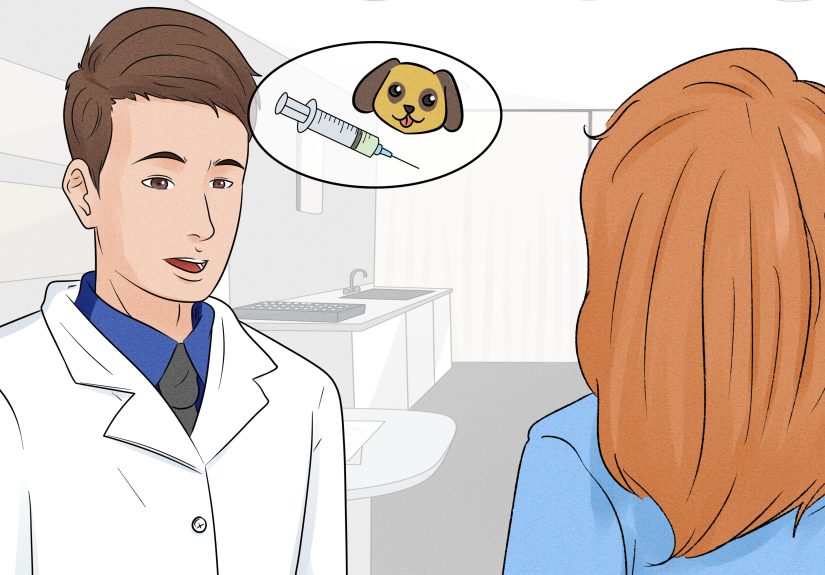
Vaccines and the first vet visit
Puppies often see a veterinarian around 6–8 weeks for a wellness exam and to start core vaccinations and parasite
preventives. Core vaccine series are typically given every few weeks until at least 16 weeks, depending on
veterinary guidance and risk.
Simple timeline (general guide)
- Birth–2 weeks: warmth + nursing/supplementing + daily weights + hygiene + stimulation
- 2–3 weeks: continued weight tracking; potty independence begins near the end of this window
- 3–4 weeks: start weaning with softened food; keep sanitation tight (food + puppies = chaos)
- 6–8 weeks: vet visit, vaccinations begin, ongoing parasite plan
When to call the vet urgently
- Puppy is cold, limp, or too weak to nurse
- Repeated weight loss or failure to gain
- Labored breathing, persistent diarrhea, or bloated abdomen
- Constant crying that doesn’t improve with warmth and feeding
- Foul-smelling discharge, swelling, or signs of infection
Newborn puppies can decline fast. If something feels “off,” you’re not overreactingyou’re doing the job.
Real-World Experiences: What Caring for Newborn Puppies Actually Feels Like (Extra )
People expect newborn puppy care to be all heart-melting yawns and tiny paws. It is thatsometimes. But
it’s also a crash course in routine, observation, and learning to celebrate extremely small wins, like
“everyone ate and nobody screamed the song of their people for 45 minutes.”
One of the most common experiences caregivers describe is how quickly you become obsessed with
temperature. At first, you set up the whelping box, place the heat source, and feel proud… and then you
realize you’re basically running a microclimate. You start thinking in zones: warm corner, cool corner,
“mystery draft corner” that appears out of nowhere. You catch yourself doing the hand-hover test over
bedding like you’re checking cookies in the oven. (“Are you done? No? Five more minutes.”)
The second big shift is your relationship with the scale. People who have never tracked newborn weights
might assume it’s optional. Then you watch how a single puppy can lag behind while looking “mostly fine.”
That’s when daily weigh-ins become comforting rather than stressful. It feels like switching from guessing
to knowing. Many caregivers end up with a little notebook that reads like sports stats: “Blue collar: +9g,
Green collar: +12g, Tiny chaos gremlin: +2g (supplement tonight).” It’s nerdy, but it works.
If you’re supporting an orphaned litter or supplementing, the feeding routine can feel intense. You may
notice that the puppies don’t just eatthey perform. Some latch like professionals. Some act like the
bottle is suspicious. Some fall asleep mid-meal with the confidence of someone who pays no bills. Over
time, you learn their patterns: who eats faster, who needs extra patience, and who is perfectly fine but
dramatic about it.
Then there’s the “unpopular but necessary” task: stimulation for potty. Caregivers often report that this
is the moment they realize they have fully crossed into Responsible Adult Territory. You’re tired, it’s
late, and you’re gently helping a puppy poop like it’s the most normal thing in the worldbecause, for
now, it is. The upside is that this hands-on care builds confidence. By the time puppies begin to potty
on their own, you feel like you’ve graduated from “newborn support staff” to “early childhood teacher.”
The most emotional experience people mention is how quickly things can changeboth good and bad. One day,
a puppy is smaller and quieter, and with warmth, extra feeding support, and a vet check, they bounce back.
Another day, a puppy can decline quickly, which is why caregivers emphasize acting early and not waiting
for “proof” that something is wrong. The best caregivers aren’t the ones who never worry; they’re the ones
who notice small changes and respond quickly.
And finally, there’s the sweet payoff: the first time eyes open, the first wobbly steps, the first playful
tumble that looks like a baby giraffe trying roller skates. At that point you realize: all the schedule
alarms, laundry piles, and worry were building toward thishealthy puppies who can finally do more than
eat, sleep, and complain. It’s exhausting. It’s messy. It’s also incredibly worth it.
Conclusion
Caring for newborn puppies comes down to six repeatable priorities: keep them warm, get milk into them
safely and consistently, track weight like it’s your job (because for now, it is), maintain hygiene,
support normal potty habits, and follow a smart timeline for weaning, parasite control, and veterinary care.
If you do those thingsand act early when a puppy seems “off”you give the litter the best possible start.