Table of Contents >> Show >> Hide
- First: A 10-Minute Triage Checklist (Do This Before You Panic-Google Meds)
- 1) Fix Water Quality Fast (Because “Bad Water” Is the #1 Betta Villain)
- 2) Stabilize Temperature (Cold Water Turns Bettas Into Sad, Slow Burritos)
- 3) Reduce Stress Like It’s Your Second Job (Because Stress Is a Disease Magnet)
- 4) Correct Feeding (Underfeeding Won’t Kill Your Filter, Overfeeding Might)
- 5) Treat the Right Illness (Not Every Problem Needs a Potion)
- 6) Build a 30-Day Comeback Plan (So You’re Not Repeating This Episode Next Week)
- Quick FAQ
- Real-World Experiences: “Betta ER” Stories (500+ Words)
- Case File #1: The Cup Rescue That Went Sideways
- Case File #2: The “My House Is Warm Enough” Myth
- Case File #3: Overfeeding Out of Love
- Case File #4: Fin Rot That Was Really a Decor Problem
- Case File #5: “White Spots!” (Ich… or Not?)
- Case File #6: The “Everything Was Fine Until I Cleaned Everything” Crash
- Conclusion: Your Betta’s Comeback Plan
When a betta looks “done with life” (lethargic, clamped fins, not eating, hiding like it owes someone money),
the problem is usually less “mystery illness” and more “something is off in the tank.” The good news: bettas are
surprisingly resilient once you fix what’s stressing them. The bad news: they’re also very good at suffering silently
until one day they dramatically flop onto a leaf like a tiny opera singer.
This guide walks you through a smart, practical rescue planstarting with the fastest life-saving moves and ending with
long-term fixes that stop the same crisis from happening again. No fluff, no fear-mongering, and no “just love him harder.”
(Your betta appreciates affection, but he’d prefer ammonia-free water.)
First: A 10-Minute Triage Checklist (Do This Before You Panic-Google Meds)
Step 1: Look for “emergency” symptoms
If your betta is gasping at the surface nonstop, can’t stay upright, has severe swelling, is rapidly deteriorating,
or you’ve had sudden multiple fish issues, treat this like an emergency. Stabilize the environment immediately and
consider contacting an aquatic veterinarian or an experienced fish professional.
Step 2: Test the water (or assume it’s the water until proven innocent)
In a true betta emergency, your best “medicine” is often a test kit. Check:
ammonia, nitrite, nitrate, and temperature. If you can only do one thing right now, do a partial water change with
dechlorinated, temperature-matched water.
Step 3: Do an immediate partial water change
- Change 25–50% if your fish is in distress (especially if ammonia/nitrite are detectable).
- Match temperature as closely as you can to avoid shock.
- Always use a water conditioner/dechlorinator for tap water (chlorine/chloramine can harm fish quickly).
- Gently remove uneaten food and obvious waste.
Now that your tank is less like a swampy science experiment, let’s get into the six best ways to save a dying betta fish.
1) Fix Water Quality Fast (Because “Bad Water” Is the #1 Betta Villain)
Bettas can breathe air at the surface, but that doesn’t make them immune to dirty water. In fact, poor water quality is the
most common reason a betta becomes lethargic, stops eating, or develops infections (fin rot, fungus, parasites taking advantage
of stress). Think of it like this: water is your betta’s air. If it’s polluted, your fish is basically living inside a bad decision.
What “good” water looks like (the practical version)
- Ammonia: 0
- Nitrite: 0
- Nitrate: kept low with maintenance (exact “safe” ranges vary, but lower is generally better)
- Stable temperature: warm, steady tropical range
Rapid rescue actions for bad readings
- Do partial water changes daily until ammonia/nitrite return to 0.
- Cut feeding back (or pause briefly). Less food = less waste = less toxic buildup.
- Increase biological support by ensuring your filter is running and not over-cleaned. The beneficial bacteria
that process waste live on surfaces (filter media, gravel, decorations), not floating magically in the water. - Vacuum the substrate if you can do so gently. Rotting debris is basically ammonia’s favorite snack.
- Watch pH and temperature because ammonia becomes more dangerous depending on water chemistry. (Translation:
“a little ammonia” can hit harder than you’d expect.)
Example: The “new tank surprise”
You set up a cute little tank, add your betta, and within days he’s sulking. You test the water andboomammonia.
That’s a classic “uncycled tank” moment. The nitrogen cycle takes time because beneficial bacteria need weeks to establish.
During that period, your job is to keep toxins diluted through partial water changes and consistent maintenance.
Bottom line: if you fix the water, you fix the foundation. And foundations are kind of a big deal unless you enjoy watching
things collapse.
2) Stabilize Temperature (Cold Water Turns Bettas Into Sad, Slow Burritos)
Bettas are tropical fish. When the water is too cold, their metabolism slows, digestion drags, immunity dips, and they
become more vulnerable to disease. When the temperature swings up and down, stress increases. Either way, your betta pays
the priceusually by looking like he’s reconsidering every choice that led him into your home.
What to aim for
- Target range: mid-to-upper 70s Fahrenheit, staying steady (many keepers aim around 78–80°F).
- Stability matters: avoid big daily fluctuations. Consistency beats perfection.
Quick fixes that actually work
- Add a reliable heater sized for your tank and use a thermometer to verify it’s doing its job.
- Move the tank away from windows, AC vents, exterior doors, and direct sun.
- Adjust gradually if the tank is far off. Sudden changes can shock fish.
- Check at nightmany “mystery betta illnesses” are really “my room gets cold after midnight.”
Pro tip: if your betta suddenly perks up after you correct temperature, congratulationsyou just solved a case without buying
a single bottle labeled “Miracle Cure.”
3) Reduce Stress Like It’s Your Second Job (Because Stress Is a Disease Magnet)
Stress doesn’t just make your betta moody. It weakens immune defenses and makes it easier for bacteria, fungus, and parasites
to take advantage. Many betta problems are “secondary infections”meaning the real cause was stress from poor conditions, and the
infection was the opportunist that kicked the door in afterward.
Stress triggers to eliminate immediately
- Strong currents: long fins + strong flow = your betta getting tossed around like laundry.
- No hiding spots: give cover (caves, plants, safe decor) so your fish can rest.
- Sharp plastic plants: they can tear fins and create openings for infection.
- Bright lights all day: reduce intensity and provide a normal day/night rhythm.
- Inappropriate tankmates: nippy fish and aggressive neighbors can stress a betta nonstop.
Upgrade the habitat without turning it into a renovation show
- Go bigger if possible: larger tanks are more stable (many hobbyists recommend at least 5 gallons).
- Use gentle filtration: sponge filters or adjustable-flow filters are fin-friendly.
- Keep a lid: bettas can jump, especially when stressed.
- Resting spots: broad leaves or a betta hammock near the surface can help weak fish breathe and rest.
Also: don’t rely on “letting water sit overnight” to make it safe. Some tap water contains disinfectants that don’t
evaporate the way people assume. A proper water conditioner is the easy, consistent move.
4) Correct Feeding (Underfeeding Won’t Kill Your Filter, Overfeeding Might)
When a betta is sick, appetite often drops. Many owners respond by adding more food “to tempt them,” which often backfires:
uneaten food decomposes, water quality worsens, and stress rises. It’s like trying to help someone with a stomach bug by tossing
pizza into their bed. Generous. Not effective.
Emergency feeding rules
- If water quality is unstable: feed less until your parameters are stable.
- If your betta is bloated or constipated: pause feeding briefly, then resume with small portions and
high-quality, easily digestible foods. - Remove uneaten food within a few minutes to protect water quality.
What to feed for recovery
- High-quality betta pellets (fresh, stored properly).
- Occasional frozen foods like brine shrimp or daphnia can help picky eaters and add variety.
- Avoid random “human food hacks” unless you’re confident they’re appropriate for a carnivorous fish.
Example: The “he stopped eating” spiral
A common pattern: the tank is a little cold, digestion slows, your betta eats less, you keep feeding the usual amount,
food rots, ammonia rises, and now your betta feels even worse. The fix is surprisingly simple: warm the tank, reduce feeding,
clean up waste, and let the fish recover without turning the water into soup.
5) Treat the Right Illness (Not Every Problem Needs a Potion)
Here’s the tough love moment: medicating blindly is one of the fastest ways to waste money and stress your fish more.
Many medications also impact your biological filter or require careful dosing and water-change routines. Your best bet is to:
(1) fix the environment, (2) identify the likely issue, and (3) treat in a controlled wayoften in a simple hospital tank.
Set up a simple hospital tank
- Clean container/tank with conditioned water
- Heater (stable warmth is huge for recovery)
- Gentle aeration or mild filtration (depending on treatment)
- Minimal decor (easy to monitor waste and symptoms)
Common betta issues and what they often look like
Fin rot (often tied to stress + water problems)
- Signs: frayed, ragged fins; discoloration at edges; worsening over time.
- First response: improve water quality and reduce stressors (sharp decor, strong currents).
- Escalation: if severe or worsening, consider fish-appropriate antibacterial treatment and/or veterinary guidance.
Ich (white spot disease)
- Signs: tiny white dots like salt grains; scratching/flashing; rapid breathing.
- Response: confirm it’s truly ich (some conditions mimic it), then use a proven ich treatment per label directions.
- Important: treatments often require repeated dosing and partial water changes; consistency matters.
Velvet (often looks like dusting or “gold sheen”)
- Signs: fine dusty appearance, clamped fins, lethargy, sensitivity to light.
- Response: quarantine and treat appropriatelydon’t assume it’s ich just because “spots happened.”
Swim bladder/buoyancy trouble
- Signs: floating, sinking, rolling, trouble staying level.
- Common causes: constipation/overfeeding, temperature issues, stress, or underlying disease.
- Response: correct temperature, reduce feeding, keep water pristine, and monitor closely.
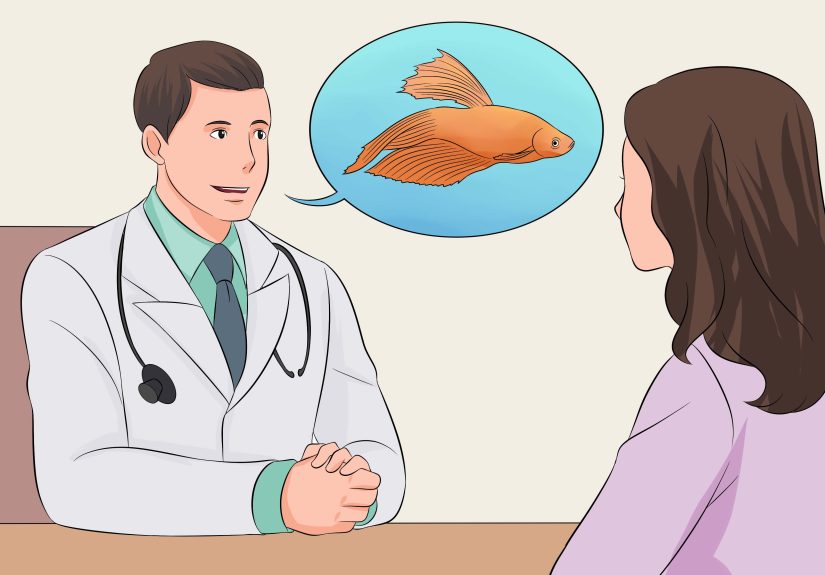
When to involve a pro
If your betta is getting worse quickly, has severe swelling, shows major breathing difficulty, or doesn’t improve after
you stabilize water and temperature, it may be time to consult an aquatic veterinarian. Even a short consultation can
prevent weeks of trial-and-error treatments.
6) Build a 30-Day Comeback Plan (So You’re Not Repeating This Episode Next Week)
Saving a betta isn’t just about todayit’s about preventing the next crash. The strongest long-term “treatment” is a stable,
cycled tank with consistent maintenance.
Week 1: Stabilize
- Test water frequently (especially if the tank is new or recently disrupted).
- Do partial water changes as needed to keep toxins down.
- Keep temperature stable and reduce stress (gentle flow, hiding, calm lighting).
Weeks 2–4: Strengthen
- Maintain a consistent cleaning schedule (small, regular water changes beat dramatic “full resets”).
- Don’t over-clean filter mediabeneficial bacteria are your silent employees.
- Feed modestly and consistently; remove uneaten food.
- Adjust habitat: safer plants, smoother decor, better rest areas, calmer current.
Long-term: Keep it boring (boring tanks are healthy tanks)
The healthiest aquariums are the ones where nothing exciting happens. No sudden parameter swings, no surprise ammonia,
no “I changed everything at once and now my fish hates me.” Boring is beautiful.
Quick FAQ
Should I do a 100% water change to save my betta?
Usually, no. A full change can remove beneficial bacteria and shock your fish with sudden parameter shifts. Multiple partial
changes are typically safer and more effective for emergencies.
My betta is in a tiny bowl. Can I still save him?
Yesbut bowls are unstable, so problems happen fast. If you can move to a filtered, heated tank (often 5+ gallons recommended),
you’ll dramatically improve the odds of recovery and long-term health.
Do I need medication every time my betta looks sick?
Not always. Fix water and temperature first. Many “illness” symptoms are stress responses. If symptoms persist or clearly match
a disease pattern (ich, fin rot worsening, velvet), then treat specifically.
Real-World Experiences: “Betta ER” Stories (500+ Words)
Below are common rescue scenarios betta keepers reportshared here as practical “what it looked like” examples, not as medical
guarantees. Think of them like case files from the world’s smallest, grumpiest emergency room.
Case File #1: The Cup Rescue That Went Sideways
A betta comes home from a store cup looking roughpale, clamped fins, barely moving. The owner drops him into a brand-new tank
and assumes “fresh water = instant happiness.” Two days later, the fish is worse. The real issue? The tank wasn’t cycled, so
ammonia started building fast. The turnaround happens when the owner switches to daily partial water changes, uses conditioner
every time, reduces feeding, and adds gentle filtration. Within a week, the betta starts exploring againstill dramatic, but
now with purpose.
Case File #2: The “My House Is Warm Enough” Myth
Another classic: the tank sits in a room that feels comfortable to humans, so no heater is used. The water drifts cooler than
expected, especially overnight. The betta becomes sluggish and stops eating, and the owner suspects disease. Once a heater and
thermometer go in, the fish perks up within days. No medicinejust proper tropical warmth and stable temperature.
Case File #3: Overfeeding Out of Love
The betta “looks sad,” so extra food is offered. The fish eats some, ignores the rest, and soon the tank develops a cloudy look.
Water tests reveal rising toxins. The owner’s emotional support pellets created a water-quality crisis. The fix is boring but
effective: remove uneaten food, do partial water changes, feed smaller portions, and keep the filter media intact. Once the
water stabilizes, appetite returns. The betta’s mood improves toostill judgey, but less funeral-themed.
Case File #4: Fin Rot That Was Really a Decor Problem
A betta’s fins start shredding. The owner assumes it’s purely bacterial fin rot and immediately buys a medication shelf big
enough to qualify as a pharmacy. But the root cause is a sharp plastic plant and strong filter output. The fish keeps tearing
fins, stress stays high, and healing stalls. Once the plant is replaced with silk/live options and the current is reduced, the
fins stop worsening. With clean water and less stress, regrowth becomes visible over time. Medication may still be needed in
severe casesbut without fixing the “fin shredder,” treatment is like mopping during a rainstorm.
Case File #5: “White Spots!” (Ich… or Not?)
White dots show up and panic begins. The owner raises temperature too quickly and dumps in multiple treatments at once.
The fish becomes more stressed, and the tank’s balance wobbles. A calmer approach works better: confirm the pattern over a short
observation window, treat with a proven ich medication according to directions, keep oxygenation adequate, and follow the
water-change/dose schedule consistently. The spots disappearbut only after the full course is completed, because parasites can
outwait half-hearted treatment like tiny villains with excellent patience.
Case File #6: The “Everything Was Fine Until I Cleaned Everything” Crash
The owner does a deep clean: full water replacement, scrubs the decor, rinses filter media under tap water, and feels
accomplished. A day or two later, the betta is stressed, breathing hard, and acting ill. What happened? The beneficial bacteria
population took a hit, and the tank temporarily lost its biological stability. The fix: partial water changes, careful re-seeding
of beneficial bacteria (or simply letting the filter re-establish), and resisting the urge to sterilize the entire ecosystem.
Many keepers learn this lesson once. Many. (Some learn it twice. We don’t judge. Much.)
These experiences share one theme: when you correct the environmentwater quality, temperature, stress, and routinebettas often
recover impressively. Most “miracle” success stories are actually “I finally got the basics right” stories in disguise.
Conclusion: Your Betta’s Comeback Plan
If your betta looks like he’s auditioning for a tiny tragedy, don’t start with random medicine. Start with the fundamentals:
clean, conditioned water; stable tropical temperature; gentle filtration; low stress; smart feeding; and targeted treatment only
when you’re confident about the diagnosis. Most importantly, keep changes steady and consistent. A calm, stable tank is the
closest thing to a superpower in betta fish emergency care.