Table of Contents >> Show >> Hide
- Why Swap Rice in the First Place?
- 1. Quinoa: The Tiny Overachiever
- 2. Farro: Chewy, Nutty, and Seriously Satisfying
- 3. Barley: Cozy, Budget-Friendly, and Underrated
- 4. Bulgur: The Weeknight Hero
- 5. Millet: Mild, Fluffy, and Surprisingly Versatile
- 6. Buckwheat: Bold Flavor, Big Texture
- 7. Lentils: Not a Grain, Still a Genius Swap
- 8. Cauliflower Rice: The Light and Speedy Stand-In
- How to Choose the Best Rice Alternative for Your Meal
- Easy Flavor Tricks That Make Any Rice Swap Better
- What I Learned From Actually Swapping Rice More Often
- Conclusion
Rice is great. Reliable. Comforting. Always ready to show up with curry, stir-fry, burrito bowls, and whatever leftovers are hanging out in your fridge like uninvited but lovable guests. But sometimes you want a change of pace. Maybe you want more texture, more fiber, more protein, fewer carbs, or just something that does not feel like the same white-rice rerun for the fifth time this week.
That is where rice alternatives come in. And no, this is not a sad list of “healthy substitutes” that taste like a compromise and disappointment. These swaps can be genuinely delicious, easy to cook, and flexible enough to work in weeknight dinners, meal prep lunches, and fancy-ish bowls you eat while pretending you are on a cooking show.
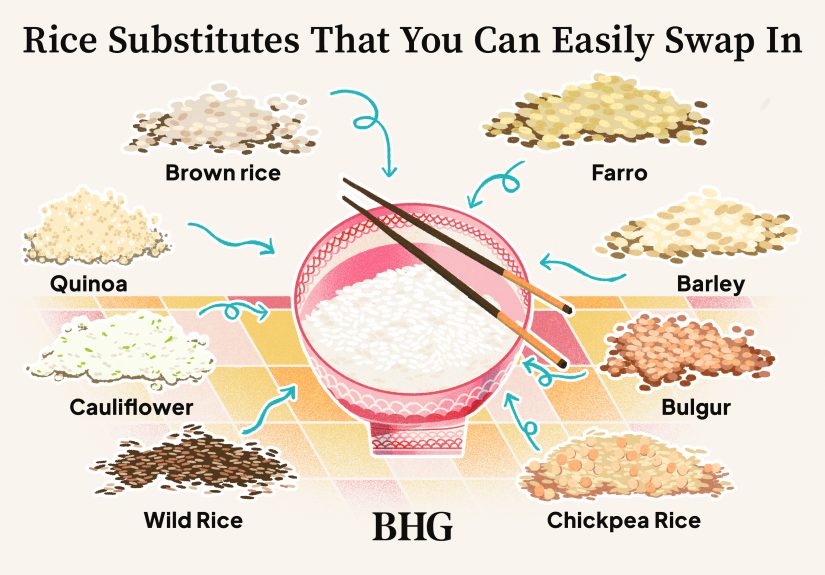
Below are eight delicious rice alternatives you can easily swap in, plus tips on flavor, texture, and the best ways to use each one. Some are hearty whole grains, some are speedy pantry staples, and one is the vegetable world’s answer to “I’d like my stir-fry lighter, please.”
Why Swap Rice in the First Place?
There is nothing wrong with rice. But rotating in other grains, seeds, legumes, and vegetables can make meals more interesting and help you diversify the nutrients on your plate. Different rice alternatives bring different strengths to the table. Some offer a nutty chew, some cook in a flash, some bring more protein and fiber, and some soak up sauces so well they deserve a standing ovation.
In other words, swapping rice is not about breaking up with it. It is about expanding your options so dinner stops feeling like copy-paste cuisine.
1. Quinoa: The Tiny Overachiever
Why it works
Quinoa is one of the easiest and most popular rice alternatives for good reason. It cooks fairly quickly, has a light fluffy texture, and brings a slightly nutty flavor that plays nicely with everything from roasted vegetables to grilled chicken to black beans and avocado.
If white rice is the plain white T-shirt of side dishes, quinoa is the smart-casual upgrade. It still goes with everything, but it looks like it has hobbies.
Best uses
Use quinoa in grain bowls, stuffed peppers, salads, soups, and taco-inspired meals. It is especially good when tossed with herbs, lemon juice, olive oil, or a spoonful of pesto. If you want it to taste less “earnest” and more “exciting,” cook it in broth instead of water and finish with garlic, scallions, or toasted nuts.
Swap tip
Start with quinoa anywhere you would usually use rice under saucy dishes. It holds up well and does not turn mushy the second dinner gets interesting.
2. Farro: Chewy, Nutty, and Seriously Satisfying
Why it works
Farro has a pleasantly chewy bite that makes a meal feel hearty and substantial. If you love rice but wish it had a little more texture and personality, farro may be your new pantry favorite. It is warm, nutty, and just rustic enough to make even a simple roasted vegetable bowl feel like something from a trendy café with Edison bulbs.
Best uses
Farro is fantastic in grain bowls, warm salads, mushroom dishes, and Mediterranean-style meals. Pair it with roasted squash, feta, chickpeas, arugula, tomatoes, or chicken thighs. It also works beautifully in meal prep because it stays pleasantly chewy instead of giving up on life in the fridge.
Swap tip
Use farro when you want a rice alternative that feels substantial enough to anchor a meal. It is ideal for fall and winter dinners, but it also shines in lemony salads during warmer months.
3. Barley: Cozy, Budget-Friendly, and Underrated
Why it works
Barley deserves more attention than it gets. It is affordable, versatile, and wonderfully chewy, with a mild flavor that works in both savory bowls and soups. It also brings a comforting, old-school vibe, like the food equivalent of a handwritten recipe card.
One important note: if you are aiming for a whole-grain option, look for hulled barley rather than pearled barley. Pearled barley is still tasty, but it is more processed.
Best uses
Barley shines in soups, stews, grain salads, and risotto-style dishes. It is especially good with mushrooms, onions, spinach, beef, roasted carrots, or lemon and dill. You can also mix it with beans and herbs for a satisfying lunch that will not leave you raiding the snack drawer at 3 p.m.
Swap tip
Choose barley for cozy meals that need some chew and structure. It is not as quick as some other rice swaps, but the payoff is worth it.
4. Bulgur: The Weeknight Hero
Why it works
Bulgur is one of the easiest grains to love because it cooks fast and has a light, tender texture. Since it is made from cracked wheat that has been parboiled, it is often quicker than traditional rice and is basically built for busy nights when you want dinner now, not in an hour.
Its flavor is mild and slightly nutty, which makes it a natural partner for herbs, vegetables, and bold dressings. It does not fight for attention. It just makes the whole meal better.
Best uses
Use bulgur in tabbouleh-style salads, grain bowls, stuffed vegetables, or simple side dishes with olive oil and herbs. It pairs especially well with parsley, mint, cucumbers, tomatoes, lemon, chickpeas, and grilled meats.
Swap tip
If you want something quicker than brown rice but more interesting than couscous, bulgur is a smart move.
5. Millet: Mild, Fluffy, and Surprisingly Versatile
Why it works
Millet does not always get the spotlight, but it should. This small grain has a mild flavor and a soft, fluffy texture when cooked, making it an easy substitute for rice in all kinds of dishes. It is also naturally gluten-free, which is helpful for people who need to avoid gluten-containing grains.
Millet is a little like the quiet person at the party who turns out to be incredibly cool once you start talking to them.
Best uses
Millet works in grain bowls, savory porridge-style meals, pilafs, and vegetable-based dinners. Try it with roasted cauliflower, sautéed greens, curry, or a runny egg on top. It can also go slightly creamy if you cook it with more liquid, which makes it useful for breakfast-style bowls too.
Swap tip
Toast millet briefly before cooking to deepen its flavor. That small step makes a big difference and gives it more of a nutty edge.
6. Buckwheat: Bold Flavor, Big Texture
Why it works
Despite the name, buckwheat is not wheat. It is a gluten-free seed with a robust, earthy flavor and a distinct texture. If your main complaint about rice is that it can be bland, buckwheat comes in with a stronger personality.
Toasted buckwheat groats, often called kasha, are especially flavorful and make a great base for savory meals. They are nutty, warm, and just a little dramatic in the best possible way.
Best uses
Buckwheat works well with mushrooms, caramelized onions, cabbage, roasted root vegetables, and tangy sauces. It is also excellent in hearty vegetarian bowls and cold salads with mustardy vinaigrettes.
Swap tip
If you are brand new to buckwheat, pair it with ingredients that have strong flavor, like garlic, herbs, roasted vegetables, or feta. It is not shy, so let it sing.
7. Lentils: Not a Grain, Still a Genius Swap
Why it works
Lentils are not trying to be rice, and honestly, good for them. They bring their own thing: earthy flavor, satisfying texture, and a combination of fiber and plant protein that can make a meal feel especially filling.
When cooked properly, lentils can replace rice in bowls, stuffed vegetables, soups, and meal-prep containers. Green and brown lentils hold their shape best, while red lentils tend to soften more quickly.
Best uses
Try lentils in taco bowls, curry dishes, roasted vegetable plates, or warm salads with vinaigrette. They pair beautifully with tomatoes, cumin, lemon, spinach, roasted carrots, and yogurt-based sauces. They are also excellent with eggs, which means breakfast bowls are suddenly on the table.
Swap tip
If you want a heartier, more protein-rich option than rice, lentils are a strong choice. They can be used alone or mixed with grains like quinoa or farro for even more texture.
8. Cauliflower Rice: The Light and Speedy Stand-In
Why it works
Cauliflower rice is the obvious choice when you want something lighter, lower in carbs, or faster to cook. It is not going to fool anyone into thinking it is jasmine rice, but that is not really the point. The point is that it gives you a neutral, veggie-based base for saucy dishes, stir-fries, burrito bowls, and meal prep.
And when cooked well, meaning not steamed into sadness, it can be genuinely delicious.
Best uses
Use cauliflower rice with stir-fry, curry, taco bowls, salmon bowls, or skillet meals. Sauté it quickly over medium-high heat with olive oil, garlic, onion, or spices to keep it from going watery. It is particularly good with bold flavors like ginger, soy sauce, lime, cilantro, curry paste, or chipotle.
Swap tip
Do not overcook it. Cauliflower rice is best when tender but not mushy. Think “light and fluffy,” not “vegetable confetti in distress.”
How to Choose the Best Rice Alternative for Your Meal
The best rice alternative depends on what you want the final dish to do. If you want something fluffy and quick, quinoa or millet is a strong choice. If you want a chewy, hearty base, go for farro or barley. If speed matters most, bulgur gets dinner on the table without drama. If you want more protein and fiber, lentils pull their weight. And if you want something lighter and vegetable-forward, cauliflower rice is the easy winner.
Texture matters, too. Some swaps absorb sauce beautifully, while others add chew and contrast. A Thai-style curry may work best with quinoa or cauliflower rice, while a roasted vegetable bowl with tahini dressing practically begs for farro, barley, or lentils.
Easy Flavor Tricks That Make Any Rice Swap Better
- Cook grains in broth instead of plain water.
- Add garlic, shallots, scallions, or onion while cooking.
- Finish with acid like lemon juice or vinegar.
- Use fresh herbs for brightness and freshness.
- Top with crunch, such as toasted nuts, seeds, or crispy chickpeas.
- Do not forget salt. Bland grains are usually under-seasoned, not cursed.
What I Learned From Actually Swapping Rice More Often
The funny thing about trying rice alternatives is that it usually starts with good intentions and ends with accidental obsession. You begin by saying, “Maybe I’ll try quinoa once.” Two weeks later, you are lecturing your family about the textural superiority of farro like you are defending a doctoral thesis in grain studies.
My first real swap was quinoa, mostly because it seemed approachable and did not require a scavenger hunt through three specialty stores. I used it under roasted vegetables and a lemony chicken dinner, expecting it to be fine and forgettable. Instead, it turned out fluffy, slightly nutty, and surprisingly satisfying. It did not just replace rice. It changed the whole mood of the meal. Suddenly dinner felt fresher and less heavy, like the culinary equivalent of opening a window.
Farro was next, and that one felt like a revelation for cold-weather meals. Rice can be comforting, sure, but farro has a chew that makes every bite feel more substantial. I made a bowl with roasted mushrooms, spinach, and a little Parmesan, and it was one of those meals that makes you sit down and go quiet for a second because your fork is too busy doing important work.
Barley surprised me the most. I had unfairly filed it under “soup ingredient from another era,” but once I started using it in warm salads and savory bowls, I understood the appeal. It is budget-friendly, deeply comforting, and weirdly elegant when paired with lemon, herbs, and roasted vegetables. It is the kind of ingredient that makes you feel sensible and delicious at the same time.
Bulgur became the weeknight lifesaver. On nights when I was too tired to do anything complicated, bulgur stepped in like a reliable friend who does not need a lot of attention. Add hot water, a little olive oil, some chopped cucumber and tomato, maybe leftover chicken or chickpeas, and dinner is handled. No drama. No 45-minute starch commitment.
Lentils took longer for me to appreciate as a rice swap because mentally I had put them in the soup category. But once I started using them in bowls with roasted carrots, yogurt sauce, and herbs, I got it. They made meals feel more complete. Not heavier, exactly, just more grounded. Like they had actual staying power instead of leaving me hungry again an hour later and eyeing crackers with reckless intent.
And then there is cauliflower rice, which really depends on how you treat it. The first time I made it, I overcooked it into a soggy mess and blamed the cauliflower, which was unfair. The second time I cooked it hot and fast with garlic, ginger, and sesame oil, and it worked beautifully under a quick stir-fry. Lesson learned: sometimes the ingredient is fine; the technique just needs fewer tragic decisions.
What these swaps taught me is that variety matters. Not because rice is bad, but because eating the same base all the time can make meals feel repetitive. Once I started rotating grains, legumes, and vegetables more intentionally, dinners felt more interesting without becoming harder. Some nights called for chewy and hearty. Others needed light and fast. Having options made cooking feel less like a routine and more like a toolkit.
So if you are curious about trying rice alternatives, start with one. Pick the option that best matches how you actually cook. If you love quick bowls, try bulgur or quinoa. If you want cozy meal prep, go for farro or barley. If you want lighter dinners, make friends with cauliflower rice. Pretty soon, you may find yourself with a pantry full of grains and absolutely no regrets.
Conclusion
Rice may always have a place at the table, but it does not need to do all the work. Quinoa, farro, barley, bulgur, millet, buckwheat, lentils, and cauliflower rice each bring something different to the party, whether that is chew, fluff, speed, protein, or a lighter vegetable-based base. The best rice alternative is the one that fits your meal, your taste, and your schedule.
Try one this week. Then try another next week. Before long, you will have a rotation of rice swaps that make dinner more interesting, more flavorful, and a lot less repetitive. Your stir-fries, grain bowls, and leftovers will thank you. Your spoon may even send a formal letter of appreciation.