Table of Contents >> Show >> Hide
- Before Anything: What Are Soya Chunks, Exactly?
- The One Prep Step That Makes Oil-Free Cooking Actually Work
- 1) Broth-Sauté Skillet “Stir-Fry” (No Oil, Still Sizzles)
- 2) Oven Roasting on Parchment (Crispy Edges, Zero Grease)
- 3) Air Fryer Crunch (Fast, Loudly Delicious)
- 4) Sauce-Braising (Tender, Flavor-Soaked, Curry-Friendly)
- 5) Soup & Stew Simmer (Let the Pot Do the Work)
- 6) Steaming (The “Clean Texture” Method)
- 7) Dry-Toast Then Rehydrate (Deeper Flavor Without Oil)
- 8) Microwave Steam + Quick Sauce Finish (Dorm-Room Approved)
- Flavor “Cheat Codes” for Oil-Free Soya Chunks
- Quick FAQ
- Conclusion
- My Real-Life Oil-Free Soya Chunk Experiences (So You Don’t Have to Learn the Hard Way)
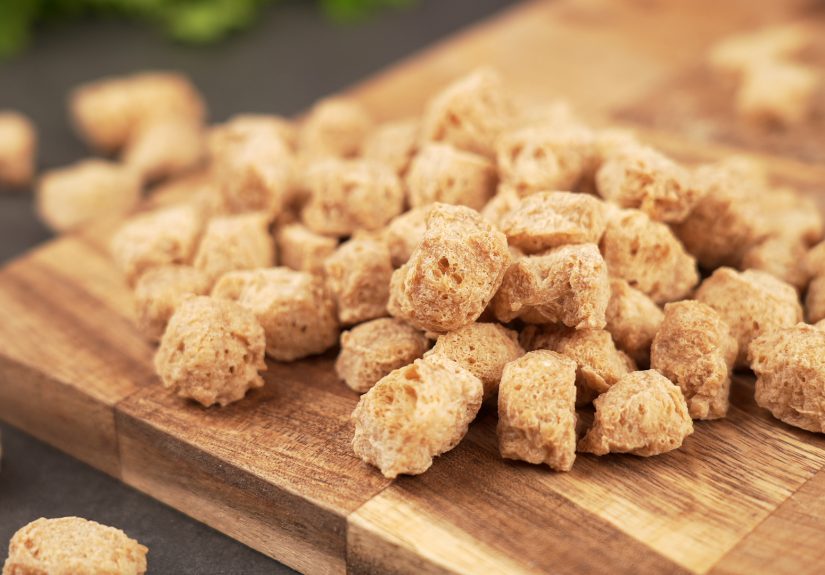
Soya chunks (aka “TVP chunks,” “textured soy protein,” ordepending on shape“soy curls”) are the unsung heroes of the pantry: shelf-stable, budget-friendly, and ready to impersonate whatever flavor you throw at them. The only downside? If you cook them like you’re speed-running dinner, they can turn out bland, spongy, or mysteriously… squeaky.
The good news: you don’t need oil to make soya chunks taste legit. You just need the right moisture strategyrehydrate, drain, season, then cook with techniques that build flavor through heat, steam, and sauces. Below are eight oil-free methods that deliver tender bites, chewy “meaty” texture, and enough flavor to make your fridge leftovers feel emotionally supported.
Before Anything: What Are Soya Chunks, Exactly?
Soya chunks are a dehydrated, high-protein soy product that becomes edible (and enjoyable) once rehydrated. Think of them like edible sponges with a PhD in flavor absorption. They’re usually made from defatted soy flour or soy protein, shaped, and dried which is why the “add water, become dinner” magic works so well.
The One Prep Step That Makes Oil-Free Cooking Actually Work
If you skip this, your chunks may taste like they were seasoned by a ghost. Do this once, and every cooking method below gets easier.
Oil-free “rehydrate + squeeze + season” (the game-changer)
- Rehydrate in something flavorful: Cover soya chunks with boiling water or hot vegetable broth. Soak until plump (typically 5–10 minutes).
- Drain well: Pour into a colander and press gently.
- Squeeze (yes, squeeze): Grab handfuls and squeeze out excess liquid. This fixes soggy texture and helps seasoning stick.
- Season while warm: Toss with soy sauce/tamari, vinegar or lemon, garlic, spices, and a spoon of sauce if you like.
Why it matters: Oil-free cooking depends on controlling water. Too much water = steaming (soft, pale chunks). The squeeze step makes room for bolder marinades, better browning, and sauces that cling instead of sliding off like a bad first date.
1) Broth-Sauté Skillet “Stir-Fry” (No Oil, Still Sizzles)
This is the classic oil-free move: use small splashes of hot broth or water to prevent sticking while letting the pan do the browning.
How to do it
- Preheat a nonstick or well-heated stainless skillet.
- Add rehydrated, squeezed chunks and let them sit 30–60 seconds to develop color.
- When they start sticking, add 1–2 tablespoons hot broth, scrape, and keep tossing.
- Add aromatics (garlic, ginger, scallions), then vegetables, then a sauce (teriyaki, chili-lime, or peanut-style).
Best for: Weeknight “takeout” vibesthink veggie stir-fry, fried-rice-style bowls, or lettuce wraps.
2) Oven Roasting on Parchment (Crispy Edges, Zero Grease)
Roasting is your oil-free cheat code: dry heat concentrates flavor and creates browning without needing a slick of fat.
How to do it
- Heat oven to 425°F. Line a baking sheet with parchment or a silicone mat.
- Toss squeezed chunks with spices (smoked paprika, cumin, black pepper), plus a splash of soy sauce and a little vinegar.
- Spread in a single layer. Roast 15–20 minutes, flipping once.
- Finish with a sticky sauce (BBQ, buffalo, gochujang-style) for the last 3–5 minutes.
Best for: Tacos, salads, grain bowls, and snacking straight off the tray “for quality control.”
3) Air Fryer Crunch (Fast, Loudly Delicious)
Air fryers were basically invented for people who want crisp results without oil. Soya chunks love that high-heat circulation.
How to do it
- Preheat air fryer to 380–400°F.
- Toss chunks with seasonings and a spoonful of sauce (not too wet).
- Air fry 8–12 minutes, shaking halfway.
- If you want “sticky,” toss in sauce after cooking and return for 1–2 minutes.
Best for: “Chicken” bites, wraps, and quick protein for meal prep.
4) Sauce-Braising (Tender, Flavor-Soaked, Curry-Friendly)
Braising is oil-free comfort food: simmer chunks in a sauce until they drink up flavor like it’s their job (because it is).
How to do it
- Start with a sauce base: crushed tomatoes, salsa, curry simmer sauce, or a simple mix of broth + soy sauce + spices.
- Add squeezed chunks and simmer gently 10–15 minutes.
- Finish with acid (lime/lemon) and herbs (cilantro, basil) to brighten.
Best for: Curry bowls, pasta sauce “meat,” chili, and anything eaten with a spoon when life is a lot.
5) Soup & Stew Simmer (Let the Pot Do the Work)
If your dish is already liquidysoups, stews, chiliyou can use soya chunks as a drop-in protein. They rehydrate as they simmer and thicken the broth slightly (in a good way).
How to do it
- Add chunks to simmering soup or stew during the last 10–15 minutes (or longer for softer texture).
- Season the broth boldly: smoked paprika, chili powder, garlic, and a dash of soy sauce can be magic.
- Let it rest 5 minutes off heat so flavors settle.
Best for: Chili, minestrone-style soups, lentil stews, and cozy Sunday batches.
6) Steaming (The “Clean Texture” Method)
Steaming keeps chunks tender and prevents that “fried” flavor profileperfect when you want them to taste like the sauce, not the pan.
How to do it
- Rehydrate and squeeze chunks, then place in a steamer basket.
- Steam 5–7 minutes.
- Toss immediately with a punchy sauce: ginger-soy, garlic-lime, or a spicy peanut-style dressing.
Best for: Dumpling fillings, noodle bowls, and light lunches where you still want serious protein.
7) Dry-Toast Then Rehydrate (Deeper Flavor Without Oil)
This one feels like a cooking trick because it is: lightly toasting dry chunks before soaking builds a nutty, roasted note.
How to do it
- Toast dry chunks in a dry skillet over medium heat for 2–4 minutes, stirring often.
- Then rehydrate in hot broth (not plain water if you can help it).
- Squeeze, season, and finish using any method here (stir-fry, roast, braiseyou pick).
Best for: “Ground meat” style dishes and anything smoky or barbecue-adjacent.
8) Microwave Steam + Quick Sauce Finish (Dorm-Room Approved)
Yes, the microwave can be a real cooking tool. It’s basically a steam chamber with buttons.
How to do it
- Add chunks and hot broth to a microwave-safe bowl. Cover (a plate works).
- Microwave 3–5 minutes, stir once, then let stand 2 minutes.
- Drain, squeeze, and toss with sauce. Optional: finish in a hot pan with splashes of broth for 2 minutes.
Best for: Fast lunches, meal-prep protein, and anyone who wants dinner with minimal dishes.
Flavor “Cheat Codes” for Oil-Free Soya Chunks
Oil usually carries flavor and helps browning. When you skip it, you replace it with bold seasoning and smart acidity. Try these combos:
- BBQ Bite: smoked paprika + garlic powder + pepper + BBQ sauce + splash of apple cider vinegar
- Taco Night: cumin + chili powder + oregano + lime + salsa
- Teriyaki-ish: soy sauce + ginger + garlic + a touch of maple or brown sugar + rice vinegar
- Buffalo-style: hot sauce + paprika + garlic + a little tomato paste for body
- Indian-ish Curry: garam masala + turmeric + cumin + tomatoes + lemon
Quick FAQ
Do soya chunks need to be boiled?
Not necessarily. They need to be rehydrated, which can be done with boiling water or hot broth. After that, you’re really just cooking for texture and flavor.
How do I avoid rubbery chunks?
Don’t overcook them dry. Use the squeeze step, then choose either quick browning (roast/air fry) or gentle simmering (braise/soup).
Are soya chunks “healthy”?
They’re generally high in protein and low in fat, but they’re also a processed soy product. The healthiest move is to pair them with vegetables, whole grains, beans, and flavorful sauces that aren’t sodium bombs.
Conclusion
Oil-free soya chunks aren’t a punishmentthey’re a power move. Rehydrate with flavor, squeeze like you mean it, and pick a method that matches your mood: crisp (roast/air fry), cozy (braise/soup), or fast (broth-sauté/microwave). Once you nail the basics, soya chunks become the easiest “protein blank canvas” in your kitchenno oil required, no sadness allowed.
My Real-Life Oil-Free Soya Chunk Experiences (So You Don’t Have to Learn the Hard Way)
The first time I cooked soya chunks without oil, I assumed the universe would reward me for my noble intentions. It did not. I rehydrated them in plain hot water, drained them for roughly two seconds, tossed them into a pan, and waited for magic. What I got was a batch of pale, squeaky nuggets that tasted like they’d heard of seasoning but never met it personally.
Here’s what changed everything: I started treating moisture like a dial, not a switch. If the chunks are too wet, they steam. If they’re too dry, they go tough. The “squeeze step” felt silly until I realized it’s the difference between sauce that coats and sauce that slides off. Now I squeeze them like I’m wringing out a tiny edible towel, and suddenly the marinade actually sticks around for the party.
I also learned that oil-free doesn’t mean “flavor-free.” Oil can hide a lot of sinsskip it, and your seasoning has to show up on time and do the work. My go-to rescue kit is: soy sauce (or tamari), something acidic (lime, vinegar), something aromatic (garlic/ginger), and something smoky (smoked paprika or chipotle). That combo makes soya chunks taste intentional instead of accidental.
Roasting was the biggest surprise. I assumed no oil meant “no crisp,” but parchment + high heat proved me wrong. The trick is spacing: overcrowd the pan and you basically create a sauna. Give them room and they brown at the edges like they’re trying to impress you. Air frying is even more dramaticsuddenly your kitchen sounds like it’s hosting a tiny tornado, and the chunks come out with that snackable chew that makes you “test” five… then eight… then somehow you’re short a serving.
For meal prep, braising is undefeated. I’ll simmer chunks in a spicy tomato sauce or curry-style broth, then store them in the sauce so they keep absorbing flavor overnight. Day two tastes better than day one, which is honestly the dream. If I want variety, I cook a neutral batch (broth + garlic + salt), then split it into containers and add different sauces later: BBQ for wraps, taco spices for bowls, and ginger-soy for noodles. One protein, three personalities.
The last lesson: don’t chase perfectionchase the method that fits your day. If you’re tired, microwave-steam is valid. If you want crispy, roast or air fry. If you want comfort, braise or soup-simmer. Oil-free cooking isn’t about deprivation; it’s about technique. And once you get it, soya chunks become the kind of pantry staple that quietly saves you from ordering overpriced takeout because you “have nothing to cook.” Spoiler: you do. It’s in the cupboard.