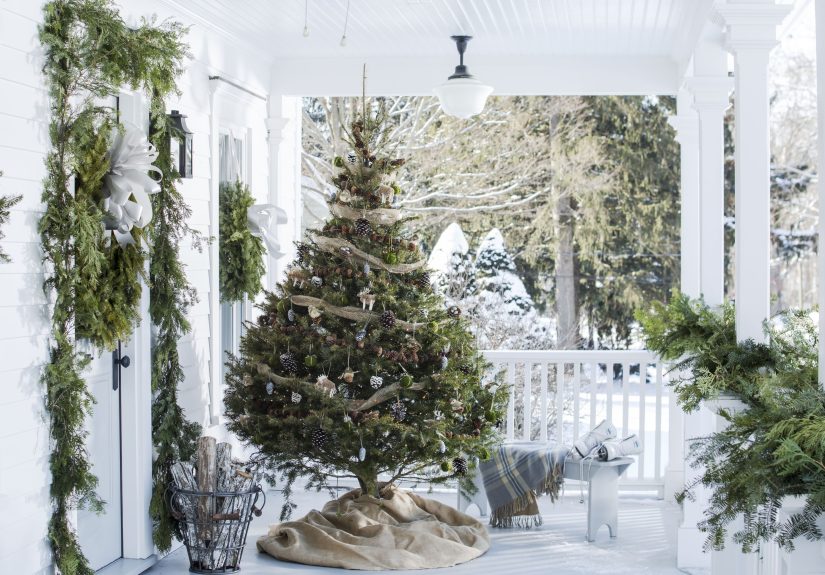
Table of Contents >> Show >> Hide
- What Makes Greenery “Hardy” for Outdoor Holiday Decor?
- The 9 Hardiest Types of Greenery for Outdoor Holiday Decor
- How to Choose the Best Greenery for Your Display
- Greenery to Use With Caution Outdoors
- How to Keep Outdoor Holiday Greenery Looking Fresh Longer
- Best Design Combinations to Try
- Experience: What Fresh Outdoor Greenery Teaches You After a Few Holiday Seasons
- Conclusion
- SEO Tags
If your outdoor holiday decor usually starts out looking like a postcard and ends up looking like a pile of tired salad, you are not alone. Fresh greenery is beautiful, fragrant, and timeless, but not every branch is built for life on a windy porch in December. Some greens keep their needles, shape, and color through cold snaps and winter sun. Others wave a tiny white flag by the second week and start dropping bits everywhere like they are filing a formal complaint.
That is why choosing the right greenery matters. The best outdoor holiday decor is not just pretty. It is durable. It can survive front-door drafts, frosty mornings, porch-pot duty, mailbox swag duty, and that one relative who insists on adjusting the wreath every time they visit. Below are nine of the hardiest types of greenery for outdoor holiday decor, plus practical tips on how to use them, where they shine, and which ones deserve a starring role in your winter displays.
What Makes Greenery “Hardy” for Outdoor Holiday Decor?
When decorators call a green “hardy,” they usually mean it holds up well after cutting. That includes strong needle or leaf retention, resistance to browning, decent flexibility for wreaths and garlands, and enough toughness to handle cold air, wind, and occasional moisture loss. For outdoor holiday decorating, you want greenery that looks fresh in lower temperatures and does not immediately shed or curl once it leaves the tree or shrub.
In general, conifers with good needle retention are the all-stars. Thick, leathery broadleaf evergreens can also perform well, especially on covered porches and doors. Texture matters too. Soft greens create movement and fullness, while stiffer greens provide structure and help keep wreaths, swags, and porch pots from collapsing into a droopy winter puddle.
The 9 Hardiest Types of Greenery for Outdoor Holiday Decor
1. Fraser Fir
Fraser fir is one of the most dependable choices for outdoor holiday decorating. It has excellent needle retention, a classic deep green-to-blue-green tone, and that crisp, nostalgic evergreen fragrance people associate with the holidays. The needles are relatively short and attached in a way that gives branches a full, plush appearance without becoming unruly.
Use Fraser fir when you want a wreath or garland that looks lush and polished. It is especially good for front doors, stair rails, porch railings, and window boxes where you want a full, luxurious look without constant maintenance. It also blends beautifully with pinecones, red berries, dried citrus, velvet ribbon, and bronze bells. In short, if holiday greenery had a reliable leading actor, Fraser fir would already have an agent.
2. Noble Fir
Noble fir is another premium choice and a favorite for wreaths and garlands because it is sturdy, long-lasting, and naturally elegant. The needles curve upward, which gives the foliage a layered, slightly architectural look. Its branches are also strong enough to support heavier decorative elements, making it ideal for statement pieces.
If you are creating an outdoor arrangement with ornaments, oversized bows, lantern accents, or chunky pinecones, noble fir is a smart foundation. It holds its shape well and looks expensive even when the rest of the decor budget says, “Maybe let us reuse last year’s ribbon and act confident.”
3. White Pine
White pine is softer, looser, and more graceful than fir, which makes it perfect for roping, swagging, and filling in large outdoor displays. Its long, flexible needles create movement and softness, so it is especially useful when you want decor that feels abundant rather than stiff or formal.
Because white pine has good needle retention, it can last well through the season outdoors. It is a lovely choice for draping across porch railings, wrapping around columns, or fluffing up large urns. Pair it with stiffer greenery like spruce or fir to get the best of both worlds: softness plus structure.
4. Scotch Pine
Scotch pine is known for outstanding needle retention. It is one of those overachiever plants that seems determined to stay neat even after drying. That makes it a practical option for homeowners who want outdoor holiday decor that can go up early and still look good deep into the season.
Visually, Scotch pine has a brighter green color and a somewhat more rugged character than Fraser or noble fir. It works well in rustic wreaths, farmhouse-style swags, mailbox toppers, and large outdoor bundles tied to lantern posts or fence gates. If durability is your top priority, Scotch pine deserves a very close look.
5. Eastern Red Cedar
Eastern red cedar brings feathery texture, a rich evergreen color, and a softer, more natural shape to holiday arrangements. It is often used in centerpieces and mixed designs, but it also performs beautifully in outdoor decor where cold temperatures help preserve freshness.
The texture is what makes this greenery special. Cedar adds drape and softness without becoming flimsy, so it is excellent for garlands, porch pots, wreath accents, and layered swags. It also looks fantastic with magnolia, pine, juniper berries, and natural wood elements. If fir is the tailored wool coat of holiday greenery, cedar is the chunky knit scarf that makes everything look more inviting.
6. Juniper
Juniper earns its place on this list because it brings fragrance, fine texture, and color variation all at once. Some varieties have silvery or bluish tones, and many offer the bonus of blue berry-like cones, which add instant winter charm without requiring extra embellishment.
Juniper is excellent in mixed outdoor arrangements, especially porch pots, wreaths, and mailbox swags. It helps break up the visual heaviness of fir and pine, while contributing a wilder, more natural feel. It is also a smart choice if you like decor that looks a little woodland-inspired instead of perfectly symmetrical and overly polished.
7. Blue Spruce
Blue spruce is prized for its stiff branches, short sharp needles, and striking color. The powdery blue or blue-green cast instantly makes an arrangement look more layered and interesting. Among spruces, blue spruce is one of the better options for needle retention, which is important because some other spruces can drop needles more quickly.
This greenery is ideal when you need structure. Use it in porch pots, upright urn arrangements, substantial wreaths, or pieces that need to stand up to weather and still look intentional. A little blue spruce goes a long way. Too much, and your decor may look like it is wearing armor. Used strategically, though, it is outstanding.
8. Magnolia Leaves
Southern magnolia leaves are a holiday decorating superstar, especially in warmer regions and sheltered outdoor spots. They are glossy on top, velvety brown underneath, and thick enough to hold up beautifully without water. That leathery texture makes them a favorite for wreaths, swags, and front-door displays.
Magnolia has a very different look from needle greens, which is exactly why it works. It adds broadleaf drama, color contrast, and a refined, Southern-style elegance. A magnolia wreath with a simple ribbon can look stunning on its own, while magnolia mixed with fir or cedar creates a richer, more layered design. If you want outdoor holiday decor that looks both classic and a little elevated, magnolia is a brilliant pick.
9. Holly
Holly is one of the most traditional holiday greens for a reason. The glossy leaves and bright berries instantly say “holiday season” without needing much help from ornaments or ribbon. In mild winter conditions or protected outdoor locations, holly can be beautiful in wreaths, swags, and mixed container arrangements.
That said, holly does come with a caveat: once cut, it can darken or blacken after a hard freeze. So it is best used outdoors in sheltered areas, in milder climates, or as an accent rather than the entire base of a design. When conditions are right, though, holly adds texture, shine, and that unmistakable festive color pop that makes everything feel more celebratory.
How to Choose the Best Greenery for Your Display
For wreaths
Choose Fraser fir, noble fir, blue spruce, magnolia, or holly accents. These materials create a wreath that looks full, structured, and elegant from the curb. Magnolia is especially strong for a classic Southern look, while noble fir and blue spruce are better for fuller, more dimensional designs.
For garlands and railings
Use white pine, cedar, and fir together. White pine gives you softness and movement, cedar adds feathery volume, and fir keeps the whole thing from looking like it melted down the banister. A mixed garland almost always looks richer than a single-species garland.
For porch pots and urns
Start with blue spruce or fir for structure, then layer in juniper, cedar, and magnolia for texture. Add dogwood twigs, pinecones, berries, or decorative branches for height and contrast. Porch pots are where hardy greenery really shines because cold weather helps preserve the display.
For mailbox swags and gate decor
Choose Scotch pine, cedar, juniper, or fir. You want greenery that can handle exposure and movement without looking tired after a week. Mailbox decor has a hard life. It deserves the plant equivalent of a winter parka.
Greenery to Use With Caution Outdoors
Not every evergreen is a long-distance runner. Boxwood is gorgeous and useful, but cut stems can discolor in freezing weather. Arborvitae can look great at first, but some gardeners find it browns or fades faster than sturdier favorites. If longevity is the goal, save those materials for protected spots or short-term displays.
Also remember that some popular holiday plants, including holly and yew, can be toxic if eaten by pets or children. If your decor is going near a front walkway, porch floor, or anywhere berries or clippings might fall, place those materials thoughtfully and clean up loose pieces regularly.
How to Keep Outdoor Holiday Greenery Looking Fresh Longer
- Harvest or buy greenery after a hard frost when possible.
- Use clean, sharp pruners and make proper cuts rather than tearing branches.
- Do not remove too much from a single tree or shrub.
- Keep cut greenery cool and out of direct sun until you are ready to decorate.
- Place stems in water or mist them lightly before arranging.
- Build mixed displays so stronger greenery supports softer materials.
- Use protected locations for delicate broadleaf greens like holly.
The colder the outdoor temperatures, the better your greenery usually lasts. That is one of the rare holiday miracles that asks for no shopping, no wrapping, and no batteries.
Best Design Combinations to Try
Classic front-door wreath: Fraser fir, magnolia, holly, and a velvet ribbon.
Rustic porch pots: Blue spruce, Scotch pine, juniper, red dogwood stems, and pinecones.
Soft and natural garland: White pine, cedar, and a little noble fir for support.
Elegant Southern look: Magnolia leaves, cedar, and berry accents.
Textured woodland mix: Juniper, Eastern red cedar, fir, and natural cones.
Experience: What Fresh Outdoor Greenery Teaches You After a Few Holiday Seasons
One of the most interesting things about decorating with fresh greenery outdoors is that experience changes your taste. In the beginning, many people choose greenery the same way they choose cookies at a holiday party: by what looks pretty first. And honestly, that is not a terrible place to start. But after a few winters, you begin to notice patterns. Some wreaths stay handsome for weeks. Some porch pots keep their shape through wind, sleet, and two separate neighborhood package-delivery stampedes. Others start out spectacular and then slowly transform into a crunchy, uneven science experiment by New Year’s Day.
That is usually when the practical side of holiday decorating kicks in. You learn that fir is often worth the extra money because it behaves well. You learn that white pine looks dreamy and soft, but it needs a sturdier partner if you want a container arrangement that still has definition after a storm. You learn that blue spruce is gorgeous in moderation and that magnolia can make even a simple front door look like it belongs on a magazine cover. You also learn, sometimes the hard way, that not every glossy green leaf appreciates a deep freeze after being cut.
Another real-world lesson is that outdoor decor looks best when it does not try too hard. The most memorable arrangements often combine just two or three greens with one strong accent, such as red berries, pinecones, or colorful twigs. When everything is competing for attention, nothing really wins. But when a strong base of fir or pine is paired with cedar for softness and magnolia for contrast, the arrangement suddenly feels full, intentional, and expensive. That kind of visual balance is hard to understand in theory and very easy to appreciate when you see it on your own porch every morning.
There is also something deeply satisfying about using greenery from your own landscape, when that is possible. It makes the decorating process feel less like unpacking holiday stuff and more like responding to the season itself. A clipped branch of juniper, a few pine boughs, or some magnolia leaves can make the whole house feel more connected to winter. The decor is not just seasonal. It is local. It belongs to the place.
Perhaps the biggest takeaway is this: hardy greenery gives you freedom. When you trust the materials, you can decorate earlier, worry less, and enjoy the display more. You are not constantly fluffing, replacing, or apologizing for a sad-looking wreath. Instead, you get a front entry that feels alive, welcoming, and genuinely festive through the coldest part of the season. And in a month filled with enough chaos already, that kind of reliability is more than decoration. It is a holiday gift.
Conclusion
If you want outdoor holiday decor that lasts, start with greenery that knows how to handle winter. Fraser fir, noble fir, white pine, Scotch pine, Eastern red cedar, juniper, blue spruce, magnolia, and holly each bring something different to the party, from strong needle retention and fragrance to texture, color, and classic seasonal charm. The best approach is usually a mix: choose one sturdy base green, add one softer filler, and finish with a standout accent. Do that, and your porch, door, railing, or mailbox can look cheerful and polished long after less durable decor has called it a season.