Table of Contents >> Show >> Hide
- What Is Charcoal Dried Fennel, Exactly?
- Why Fennel Works So Well as a Dried Botanical
- Charcoal Dried Fennel vs. Culinary Fennel
- Why the Charcoal Color Is Such a Big Deal
- How to Style Charcoal Dried Fennel at Home
- How to Care for Charcoal Dried Fennel
- Can You DIY the Look?
- Who Should Buy Charcoal Dried Fennel?
- Mistakes to Avoid
- Why Charcoal Dried Fennel Has Lasting Appeal
- The Experience of Living With Charcoal Dried Fennel
- Conclusion
Some décor trends whisper. Charcoal dried fennel strolls in wearing black linen and somehow makes the whole room look more expensive. If you have ever spotted a dramatic, airy, almost sculptural stem in a ceramic vase and thought, “What is that elegant plant skeleton, and why do I suddenly want three of them?” there is a good chance you were looking at charcoal dried fennel.
This moody botanical has become a favorite in modern floral styling because it does something many decorative elements fail to do: it adds shape, movement, and texture without begging for attention like a sequined throw pillow. It is wild-looking, architectural, slightly mysterious, and surprisingly versatile. In plain English, it is the plant equivalent of excellent cheekbones.
If you are curious about what charcoal dried fennel actually is, how it differs from edible fennel, where it works best, how to style it, and how to keep it looking dramatic instead of dusty and defeated, this guide has you covered.
What Is Charcoal Dried Fennel, Exactly?
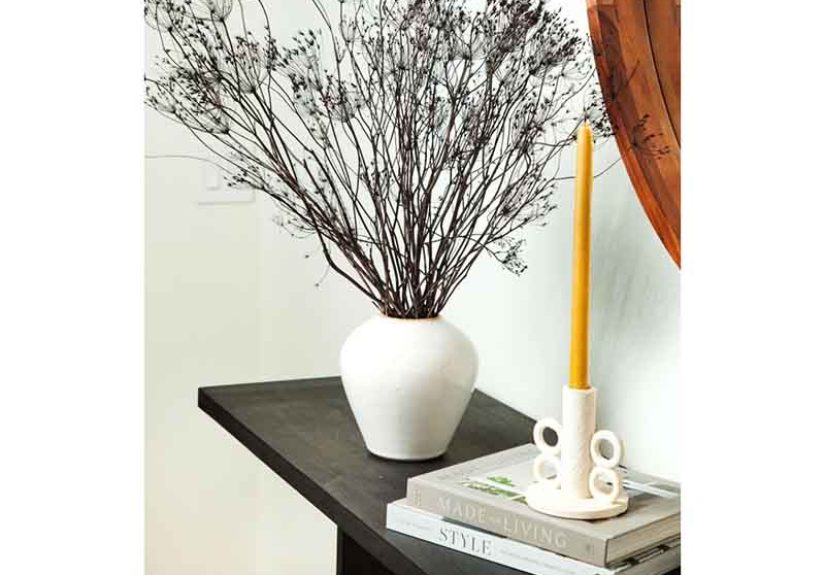
Charcoal dried fennel is typically a decorative fennel stem that has been dried and then finished in a deep charcoal or warm black tone. In retail and design settings, it is often sold as a preserved or dried botanical for vases, arrangements, wreaths, and seasonal styling. The appeal comes from its naturally airy structure: tall stems, branching heads, and a cloud-like silhouette that looks organic rather than stiff.
The word charcoal in this context usually describes the color, not the drying fuel or some smoky culinary treatment. That distinction matters because people searching the term sometimes assume it refers to a food product. In most home décor use, it does not. It is a design material, not a seasoning jar waiting beside the salt.
Why Fennel Works So Well as a Dried Botanical
Fennel is already a fascinating plant before it ever becomes décor. It belongs to the carrot family and produces feathery foliage, hollow stems, and small yellow flowers arranged in compound umbels. Once those flower heads mature and dry, the plant takes on a light, lacy structure that feels both delicate and bold. That rare combination is exactly why designers love it.
Unlike dense blooms that can feel visually heavy, dried fennel creates negative space. You do not just see the stem; you see the air around it. That makes it especially useful in interiors that need texture without clutter. A single bunch can soften a hard-lined room, while still keeping the clean, restrained look that modern styling often aims for.
It also has a naturally untamed personality. Even when placed in a simple vase, it refuses to look overly formal. Charcoal coloring amplifies that effect by giving the plant more visual weight and turning a familiar garden herb into something that feels sculptural, editorial, and slightly edgy.
Charcoal Dried Fennel vs. Culinary Fennel
This is where things get interesting. Fresh fennel is a multitasker in the kitchen. The bulb can be sliced into salads or roasted until sweet and tender. The fronds can be used like an herb. The seeds can be crushed for tea, breads, or savory dishes. Fresh fennel has a mild licorice-like flavor that works with seafood, pork, lemon, garlic, and other aromatic ingredients.
Charcoal dried fennel, however, belongs in the styling category, not the sauté pan. Once fennel is dried and sold as a decorative stem, especially if it has been dyed for a charcoal finish, it should be treated as ornamental. Think vase, shelf, mantle, tablescape, wreath. Do not think soup. A dramatic centerpiece is lovely. Accidentally seasoning dinner with décor is less lovely.
Understanding this difference helps both shoppers and readers. The same plant can have culinary and ornamental value, but the finished product called charcoal dried fennel is typically intended for visual use.
Why the Charcoal Color Is Such a Big Deal
Natural dried botanicals are beautiful, but charcoal coloring gives fennel a completely different personality. Instead of reading rustic or farmhouse-only, it suddenly feels contemporary. The darker tone emphasizes the branching silhouette and makes the plant stand out against pale walls, limewashed plaster, warm woods, glass, stone, and neutral textiles.
Charcoal also behaves almost like a neutral in interior styling. It pairs easily with cream, beige, rust, olive, camel, terracotta, brass, and muted green. In minimalist rooms, it adds contrast. In moodier rooms, it deepens the palette. In seasonal decorating, it works from late summer through fall, winter, and even early spring because it does not scream one holiday or one exact theme.
That versatility explains why charcoal dried fennel can look equally good in a modern apartment, a cottage-inspired living room, a gallery-style office, or a dining space trying very hard to look effortlessly curated.
How to Style Charcoal Dried Fennel at Home
The single-vase approach
If you like calm, uncluttered styling, place a small bunch in a narrow ceramic or smoked-glass vase and let the stems do the work. Because fennel has branching heads and strong lines, it does not need a lot of floral backup singers. It is perfectly capable of performing a solo.
Mixed dried arrangements
Charcoal dried fennel plays well with other preserved materials such as bunny tails, bleached ruscus, dried grasses, preserved eucalyptus, lunaria, and seed pods. Use it as the airy, architectural layer that keeps the arrangement from turning into a dense haystack with commitment issues.
Seasonal decorating
For fall, pair it with warm neutrals, amber glass, and textured linen. For winter, combine it with evergreen branches, dark candles, and matte ceramics. For spring, contrast it with pale blossoms or fresh branches. Because the color is restrained, it adapts without looking out of place.
Wreaths and swags
Dried materials are often used in wreaths, garlands, and swags, and fennel’s branching structure is especially good for adding movement to those designs. A little of it can keep a wreath from looking too round, too tidy, or too “craft aisle on a Saturday afternoon.”
Shelf and table styling
On bookshelves, charcoal dried fennel works best when there is enough breathing room around it. On dining tables or consoles, choose lower, wider vessels if you want the arrangement to read soft and expansive, or tall narrow vases if you want drama and height. Either way, avoid crowding it with too many small objects. Fennel has flair, but it needs elbow room.
How to Care for Charcoal Dried Fennel
The good news is that charcoal dried fennel is low-maintenance. The slightly less glamorous news is that “low-maintenance” does not mean “invincible.” Dried botanicals last far longer than fresh flowers, but they still prefer a sensible environment.
Keep them out of direct sunlight if you want the color to last. Strong sun can fade dried materials over time, and once the dramatic charcoal finish starts looking washed out, the effect shifts from moody design object to “possibly found behind the garage.”
Keep them away from humidity. Moisture can soften dried stems, encourage mold, and shorten their lifespan. Bathrooms are usually not ideal unless yours is less spa and more museum storage archive. Dry rooms are better.
Handle them gently. Dried fennel can be brittle, especially around the branching heads. If it gets dusty, use a very soft brush, a feather duster, or a cool, low stream of air. Do not treat it like a houseplant. No watering. No misting. No motivational speeches required.
Finally, remember that dried plant material is flammable. Keep it away from open flames, high heat, fireplaces, and very hot light fixtures. Moody styling is great. Actual combustion is a terrible design choice.
Can You DIY the Look?
If you grow fennel, you can absolutely appreciate why it lends itself to drying. Mature fennel develops seed heads that dry beautifully, and gardeners often harvest fennel when the heads turn brown and the seeds are mature. Traditional drying methods rely on a cool, dark, well-ventilated place, gentle handling, and enough time for the stems to harden without molding.
That said, recreating the exact charcoal finish at home is trickier than simply hanging stems upside down and hoping for fashion. Professionals may use preservation and coloring methods that produce a more even tone and better long-term display quality. If your goal is a polished, editorial look, buying a finished bunch can be easier than embarking on a one-person botanical laboratory experiment in the laundry room.
Who Should Buy Charcoal Dried Fennel?
It is a smart pick for people who like natural materials but do not want the upkeep of fresh flowers every week. It also suits anyone who prefers interiors with texture, movement, and a little bit of drama, but not a lot of fuss. If you love modern organic décor, quiet luxury, rustic minimalism, or creative seasonal styling, charcoal dried fennel fits right in.
It is also useful for people who struggle with floral arranging because the stem itself already looks designed. Some flowers demand talent. Charcoal dried fennel is more forgiving. Put it in a good vase, step back, and let it pretend you know exactly what you are doing.
Mistakes to Avoid
The biggest mistake is treating it like a filler instead of a feature. This material has real presence. If you cram it into a vase with too many competing stems, the airy structure disappears. Another mistake is placing it somewhere damp, sunny, or high-traffic, where it will fade, soften, or get bumped into submission.
It is also worth avoiding containers that are too small or too decorative. Fennel already has visual complexity, so the best vase choices are usually simple and grounded. Let the stem be the interesting part. The vase should support the story, not try to steal the lead role.
Why Charcoal Dried Fennel Has Lasting Appeal
Some décor pieces are trendy for five minutes and then suddenly feel like a time capsule from an internet shopping spree. Charcoal dried fennel has a better chance of staying relevant because its appeal is rooted in shape, texture, and natural form. Those qualities age well.
It brings together several things people want from home styling right now: sustainability-minded longevity, botanical character, low maintenance, and flexible color. It can feel earthy or elegant, rustic or modern, depending on what surrounds it. That range is rare, and it is exactly why this dried stem continues to stand out.
The Experience of Living With Charcoal Dried Fennel
Decorating with charcoal dried fennel is less like adding flowers to a room and more like adding atmosphere. The first thing most people notice is not the plant itself, but the shape it casts into the space. It creates a soft, branching silhouette that changes with the light, which means it feels slightly different in the morning, late afternoon, and evening. In daylight, it can look airy and sculptural. At night, especially beside a lamp or candlelight kept safely at a distance, it becomes moodier and more dramatic.
There is also a strange satisfaction in how little it asks from you. Fresh flowers are beautiful, but they come with a clock ticking in the background. You trim stems, change water, remove drooping leaves, and quietly begin preparing for heartbreak by day five. Charcoal dried fennel removes that cycle. It is calm. It is patient. It is the introvert of floral décor, and sometimes that is exactly what a room needs.
In daily life, the experience is mostly about subtle visual pleasure. You walk past a console table and notice that the arrangement still looks intentional. You catch the contrast between the dark stems and a pale wall. You see how the branching heads soften a row of books or balance a stack of pottery. It does not dominate the room, but it keeps rewarding you for looking at it. That is a very different kind of beauty from bright, fresh bouquets, and many people end up preferring it for that reason.
Charcoal dried fennel also changes the emotional tone of a space. In a bright room, it adds depth. In a neutral room, it adds edge. In a small room, it can create height without bulk. Even in workspaces, it tends to feel thoughtful rather than distracting. A desk with one good vase of charcoal dried fennel says, “I appreciate beauty,” but also, “I still plan to answer emails.”
Seasonally, it is one of the easiest decorative pieces to live with because it never looks wildly out of sync. In autumn, it feels earthy and dramatic. In winter, it feels elegant and spare. In spring, it adds contrast to softer colors. In summer, it can look like a dry, windswept field translated into modern design language. That year-round flexibility makes it feel less like a temporary accent and more like part of the home’s visual vocabulary.
Perhaps the best part of the experience is that charcoal dried fennel makes ordinary corners feel composed. A hallway table looks more finished. A shelf feels less flat. A bedroom dresser gains a little shape and shadow. It is a quiet transformation, but a real one. And that is probably the secret behind its charm: it does not try too hard, yet it makes everything around it look like it did.
Conclusion
Charcoal dried fennel is proof that a humble herb can have an unexpectedly glamorous second act. What begins in the garden as feathery fennel can end up in the home as a sculptural, charcoal-toned statement piece that adds texture, shape, and mood without demanding much in return. It bridges natural and modern styles beautifully, works across seasons, and delivers that elusive “designer touched this” feeling with very little effort.
If you want décor that lasts longer than fresh flowers, looks more interesting than faux stems, and brings a little wild elegance into your space, charcoal dried fennel is an easy yes. Just remember the golden rules: keep it dry, keep it out of harsh sun, keep it away from flames, and give it enough room to show off. It has earned that space.