Table of Contents >> Show >> Hide
- What Is a Microgrid, Really?
- Why Disaster Zones Need Local Power
- How Microgrids Work During an Emergency
- Solar, Batteries, and Backup Generators: The Disaster Power Trio
- Real-World Examples of Microgrids in Action
- Microgrids and Hospitals: Power Is Patient Safety
- Community Resilience Hubs: The New Town Square During Outages
- Microgrids vs. Traditional Backup Generators
- The Benefits of Microgrids in Disaster Zones
- The Challenges: Cost, Complexity, and Policy
- How Communities Should Plan a Disaster-Ready Microgrid
- Experiences and Lessons From the Field
- Conclusion: Microgrids Are Not the Whole Answer, But They Are a Bright One
When a hurricane flattens power lines, a wildfire forces utilities to shut off electricity, or floodwater turns substations into very expensive bathtubs, one question becomes urgent: who still has power? In disaster zones, electricity is not just a comfort. It keeps ventilators running, phones charged, insulin cold, water pumps moving, emergency radios alive, and community shelters from turning into dark rooms full of anxious people and lukewarm coffee.
That is where microgrids come in. A microgrid is a smaller, local energy system that can connect to the main electric grid during normal times and disconnect when trouble hits. Once separated, it can operate on its own using local energy resources such as solar panels, batteries, generators, fuel cells, wind turbines, or combined heat and power systems. Think of it as a neighborhood-level power team with a very useful survival skill: when the big grid goes down, it can “island” itself and keep serving critical loads.
The main keyword here is microgrids in disaster zones, but the real story is bigger than technology. Microgrids are changing how communities prepare for extreme weather, aging infrastructure, public safety power shutoffs, and long recovery periods. They are not magic boxes, and they are not cheap plug-and-play gadgets. But when designed well, they can turn a powerless emergency into a managed disruption instead of a full-blown crisis.
What Is a Microgrid, Really?
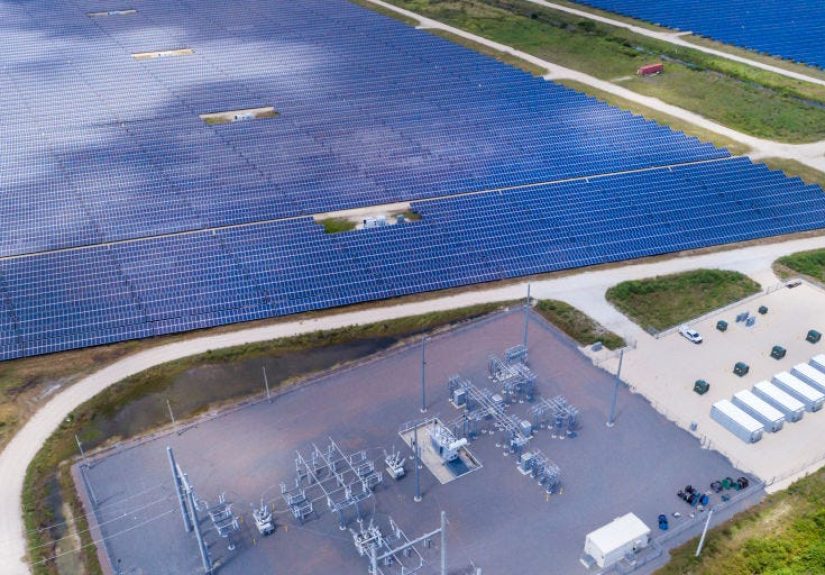
A microgrid is a self-contained power system serving a defined area, such as a hospital campus, military base, island community, school, fire station, water treatment plant, shelter, or downtown district. It includes three basic ingredients: local power generation, energy storage or backup resources, and a control system that manages how power flows.
During everyday conditions, a microgrid may operate while connected to the utility grid. It can buy power, sell excess energy, reduce demand during expensive peak hours, and help lower operating costs. But during an outage, the microgrid can disconnect from the larger grid and switch into island mode. In plain English, it stops waiting for the main grid to recover and starts taking care of its own people.
The Islanding Advantage
Islanding is the feature that makes microgrids especially valuable during disasters. Traditional rooftop solar systems often shut down automatically during a grid outage to protect utility workers from back-fed electricity. A properly designed microgrid, however, includes the controls and protection equipment needed to safely separate from the grid and continue delivering power to selected buildings or circuits.
This matters because disasters rarely damage everything equally. A downed transmission line miles away can black out a hospital that was not physically harmed. A wildfire threat can trigger a planned shutoff even before flames reach town. A hurricane can take down the regional grid while a school, clinic, or emergency operations center remains structurally sound. Microgrids help local facilities avoid being held hostage by distant failures.
Why Disaster Zones Need Local Power
Modern emergency response runs on electricity. Search-and-rescue teams need communications. Hospitals need lighting, oxygen systems, refrigeration, monitors, elevators, and electronic records. Water systems need pumps and controls. Families need working phones to contact relatives, receive alerts, and locate resources. Even charging stations become lifelines when power outages stretch from hours into days.
In a disaster zone, the electrical grid faces multiple threats at once. High winds can snap poles. Floods can damage underground equipment. Heat waves can overload demand. Wildfires can destroy lines or force utilities to shut them off for safety. Earthquakes can disrupt substations and fuel delivery routes. The traditional grid was built for broad delivery, not always for fast local survival after extreme events.
Microgrids help by moving part of the energy supply closer to the people and services that need it most. Instead of depending entirely on long-distance transmission and centralized generation, a community can keep a local pocket of power alive. That pocket may not run every air conditioner, dishwasher, and giant inflatable holiday decoration in town, but it can support the loads that matter most.
How Microgrids Work During an Emergency
When a disaster causes the main grid to fail, a microgrid controller detects the problem. If the system is designed for automatic islanding, it opens the connection to the utility grid and begins balancing local supply and demand. Batteries may respond first because they can deliver power almost instantly. Solar panels may continue generating during daylight. Backup generators may start if more power is needed or if the outage lasts longer than the battery can support.
The controller acts like the conductor of a very practical orchestra. Solar output rises and falls. Battery charge levels change. Buildings turn equipment on and off. Medical and emergency loads must be prioritized. The controller keeps voltage and frequency stable so equipment does not flicker, trip, or fail. In a crisis, that quiet electronic coordination is the difference between “we still have power” and “someone find a flashlight.”
Critical Loads Come First
Most disaster-ready microgrids are not designed to power everything as usual. Instead, they serve critical loads. These may include emergency lighting, refrigeration, communications, medical devices, water pumps, security systems, heating and cooling for shelters, and essential kitchen equipment. The goal is not luxury. The goal is continuity.
For example, a community center with a solar-plus-storage microgrid might become a resilience hub during a heat wave or wildfire outage. Residents can cool down, charge phones, use Wi-Fi, store medicine, receive emergency information, and access basic services. A hospital microgrid may prioritize operating rooms, intensive care units, laboratories, and emergency departments. A fire station microgrid may keep dispatch, bay doors, radios, and fuel pumps working.
Solar, Batteries, and Backup Generators: The Disaster Power Trio
The most resilient microgrids often combine multiple energy sources. Solar panels can provide clean daytime electricity, batteries can store energy and respond instantly, and generators can provide long-duration backup when weather is poor or demand is high. This hybrid design avoids putting all the eggs in one basket, especially when the basket is sitting in hurricane season.
Solar power is valuable because sunlight does not need a fuel truck. After disasters, diesel deliveries can be delayed by blocked roads, damaged ports, fuel shortages, or safety restrictions. Batteries help stretch fuel by reducing generator run time and absorbing solar energy when production exceeds immediate demand. Generators still play an important role, especially for long outages and heavy loads, but microgrids can make them more efficient and less vulnerable to fuel logistics.
Why Batteries Matter
Batteries are not just oversized phone chargers with better public relations. In microgrids, they provide fast response, stabilize power, store solar energy, and reduce the need to run generators constantly. During a sudden outage, batteries can bridge the gap while other resources come online. During normal operation, they can also help reduce peak demand costs and provide grid services.
Battery size matters. A small battery may support lights and communications for a few hours. A larger battery system may help keep a clinic, shelter, or municipal building operating overnight. The right size depends on the facility, expected outage duration, solar capacity, weather risk, budget, and which loads must stay online no matter what.
Real-World Examples of Microgrids in Action
Microgrids are not just engineering diagrams hiding in government PDFs. They are already serving communities, campuses, and critical facilities across the United States and its territories. Their most persuasive argument is simple: when the grid fails, some of them keep working.
Blue Lake Rancheria: A Resilience Model in California
Blue Lake Rancheria in Northern California is one of the most cited examples of a successful community-scale microgrid. Its system integrates solar power, battery storage, controls, and backup generation. During regional outages and wildfire-related power disruptions, the site has supported emergency services, provided shelter functions, and helped the surrounding community maintain access to critical resources.
The lesson from Blue Lake Rancheria is not that every town needs the exact same setup. The lesson is that a microgrid can become more than an energy project. It can become a community resilience platform. When power stays on at a trusted local facility, people know where to go, responders know where to coordinate, and essential services have a fighting chance.
Borrego Springs: Islanding a Desert Community
Borrego Springs, a remote desert community in California, has been associated with microgrid demonstrations designed to improve reliability in a hard-to-serve area. Remote communities often face special grid challenges because they may depend on long distribution lines exposed to heat, wind, fire risk, and difficult terrain. When those lines fail, repairs can take time.
A local microgrid can reduce that vulnerability by allowing the community or selected circuits to operate independently during outages, tests, or maintenance. For disaster planning, this is especially important in places where distance is not just a map feature but an emergency-response obstacle.
Puerto Rico: From Grid Fragility to Community Resilience
Puerto Rico has become a powerful case study in why localized power matters. Hurricanes, aging infrastructure, and repeated outages have shown the limits of depending on a fragile centralized grid. Solar-plus-storage systems, community energy projects, and resilience hubs have gained attention because they can support clinics, public housing, community centers, and essential services when broader power restoration is slow.
For island communities, microgrids can be especially valuable because disaster recovery logistics are harder. Fuel, equipment, crews, and replacement parts may need to arrive by sea or air. Local renewable generation paired with storage can reduce dependence on long supply chains and give communities more control during emergencies.
Microgrids and Hospitals: Power Is Patient Safety
Hospitals have backup generators, but disasters expose the weaknesses of relying on one layer of protection. Generators need maintenance, fuel, transfer switches, trained staff, and safe operating conditions. If fuel deliveries are delayed or mechanical problems occur, the risk rises quickly.
A healthcare microgrid can combine generators with solar, batteries, and advanced controls. Instead of waiting for a generator to carry the full burden, the facility can use batteries for instant response, solar to reduce fuel consumption, and controls to prioritize the most important medical loads. This is not only about comfort. It is about protecting patients who cannot simply “come back when the power is on.”
Disaster-ready healthcare microgrids are especially important for dialysis centers, rural hospitals, emergency departments, nursing facilities, and clinics serving medically vulnerable populations. Keeping these facilities powered can reduce evacuations, prevent medication losses, and support continuity of care when the surrounding region is under stress.
Community Resilience Hubs: The New Town Square During Outages
A resilience hub is a trusted public place that can provide services before, during, and after disasters. It might be a library, school, recreation center, faith-based facility, municipal building, or community center. Add a microgrid, and that building becomes far more useful when the grid goes dark.
During an outage, a powered resilience hub can offer phone charging, internet access, cooling or heating, refrigeration for medicines, emergency information, basic medical support, and a safe place to gather. In normal times, the same solar panels and batteries can help reduce energy bills or provide grid services. That dual-use benefit is one reason microgrids are increasingly attractive for cities and towns.
The best resilience hubs are planned with community input. A technically perfect microgrid at a building nobody trusts is like a lifeboat hidden behind a locked door. Successful projects ask practical questions: Who will use the hub? How will people get there? What languages should alerts use? Which medical needs are common? Who maintains the system? Who opens the doors at 2 a.m.?
Microgrids vs. Traditional Backup Generators
Backup generators are familiar, useful, and still necessary in many settings. But they have limitations. They usually sit idle until an outage, require fuel delivery, create emissions, and may fail if not maintained. A microgrid can include generators, but it adds more intelligence and flexibility.
Unlike a standalone generator, a microgrid can operate during normal conditions, manage multiple energy resources, store renewable power, reduce electricity costs, and transition between grid-connected and islanded modes. That makes it more than an emergency appliance. It becomes an everyday energy asset that is also trained for disaster duty.
The Maintenance Reality
Here is the unglamorous truth: resilience depends on maintenance. A microgrid that no one tests is just expensive optimism. Batteries need monitoring. Switchgear needs inspection. Software needs updates. Generators need fuel checks and exercise runs. Staff need training. Emergency plans need drills.
Communities should treat microgrids like fire alarms, not decorative tech trophies. They must be tested before disaster season, integrated into emergency plans, and assigned clear operating responsibilities. The middle of a blackout is a terrible time to discover that the password for the controller left with someone who retired three years ago.
The Benefits of Microgrids in Disaster Zones
The first benefit is obvious: microgrids keep power flowing where it matters most. But the broader advantages go deeper.
Microgrids can reduce recovery pressure by keeping critical services online while utilities repair the main grid. They can protect vulnerable residents by supporting cooling centers, medical equipment, elevators, and communications. They can reduce fuel use by combining batteries and renewable energy with generators. They can improve energy independence for remote communities. They can also support decarbonization goals when built around solar, storage, and other clean energy sources.
For local governments, microgrids can turn selected public buildings into dependable emergency assets. For utilities, they can improve reliability in hard-to-serve areas. For businesses, they can reduce downtime. For residents, they can mean the difference between being isolated and having a powered place to go.
The Challenges: Cost, Complexity, and Policy
Microgrids are powerful tools, but they are not simple. Upfront costs can be high, especially for large batteries, controls, switchgear, engineering, and interconnection work. Financing can be complicated because microgrids deliver multiple types of value: avoided outage costs, energy savings, emissions reductions, public safety benefits, and grid services. Not all of those benefits are easy to monetize.
Technical complexity is another challenge. A microgrid must safely coordinate with the utility grid, protect workers, maintain power quality, and prioritize loads. Regulatory rules may affect who can own, operate, or sell power from a microgrid. Permitting and interconnection timelines can slow projects. Community trust can also be an issue if residents feel decisions are made without them.
Still, the direction is clear. As extreme weather events become more expensive and outages become harder to ignore, microgrids are moving from “interesting pilot project” to “serious resilience strategy.”
How Communities Should Plan a Disaster-Ready Microgrid
The smartest microgrid projects begin with people, not equipment. A community should first identify critical services and vulnerable populations. Which facilities must stay powered? How long should they operate without the grid? What loads are truly essential? Which disasters are most likely? Who will operate the system? What funding sources are available?
Next comes technical design. Engineers assess energy use, critical loads, solar potential, battery needs, generator capacity, electrical infrastructure, and islanding requirements. The design should match realistic emergency scenarios. Overbuilding can waste money. Underbuilding can create false confidence. The sweet spot is a system that supports priority services for the expected outage duration while remaining financially sustainable.
Design Questions That Matter
Before installing a microgrid, communities should ask several practical questions. Can the system start without grid power? Can it operate during smoke, storms, or extreme heat? Are solar panels and batteries placed above flood risk? Is there a fuel plan for long outages? Are critical circuits separated from nonessential loads? Is cybersecurity addressed? Are local staff trained? Are emergency managers involved?
The goal is not just to build a microgrid. The goal is to build a microgrid that works when everyone is tired, roads are blocked, phones are buzzing with alerts, and the weather has decided to behave like a villain in a disaster movie.
Experiences and Lessons From the Field
One of the most important experiences from microgrid projects is that resilience is local. A coastal hospital, a mountain fire station, a desert town, and an island community do not have the same risks. A cookie-cutter design may look neat on paper, but disaster zones are not neat. The best microgrids are shaped by local hazards, local people, and local priorities.
In communities affected by wildfires, the experience is often about planned outages as much as actual fire damage. Public safety power shutoffs can leave residents without electricity during high-wind conditions, even when flames are not nearby. In those moments, a powered community center or tribal facility can become the place where people charge phones, receive updates, cool medical devices, and gather reliable information. The emotional value is enormous. When everything feels uncertain, a lit building feels like civilization politely refusing to give up.
In hurricane-prone areas, the experience is different. The challenge may be long-duration outages, damaged roads, fuel delivery delays, and widespread infrastructure failure. Solar-plus-storage microgrids can help because they produce energy locally after the storm passes. But planners must also harden equipment against wind, flooding, salt air, and debris. A solar panel is only useful after a hurricane if it is still attached to something that is not floating away.
Healthcare facilities offer another lesson: critical load planning must be ruthless. During an emergency, not every plug can be treated like a VIP. Hospitals and clinics need clear decisions about what stays on, what can cycle, and what must shut down. This planning is uncomfortable but necessary. A microgrid that tries to power everything may run out too quickly. A microgrid that protects the right loads can keep lifesaving services available much longer.
Another field lesson is that community education matters. Residents need to know what the microgrid can and cannot do. A resilience hub may not power every home. It may not provide overnight lodging for everyone. It may have limits on refrigeration, charging, or medical support. Clear expectations prevent confusion. Good signage, multilingual notices, practice drills, and local outreach can make the system far more effective when disaster arrives.
Maintenance is the lesson that never stops raising its hand. Communities sometimes focus on ribbon cuttings, press photos, and shiny equipment, but long-term success depends on budgets, service contracts, inspections, software updates, battery health checks, and trained operators. A neglected microgrid is like a gym membership in January: full of promise, short on follow-through. The communities that get the most value treat microgrids as living infrastructure, not one-time construction projects.
Financing also shapes real-world outcomes. Some projects work because they stack benefits. During normal days, the microgrid may lower utility bills, reduce peak demand charges, or participate in programs that support the grid. During emergencies, it becomes a resilience asset. This dual identity helps justify investment. The more useful a microgrid is on ordinary Tuesdays, the easier it is to keep it funded for extraordinary disasters.
Finally, the strongest experience across disaster zones is that microgrids build confidence. They do not eliminate every hardship. They do not stop storms, fires, or earthquakes. They do not replace the need for a stronger main grid. But they give communities a practical layer of control. In a blackout, control is rare and precious. A working microgrid says, “We planned for this. We have a place to go. We can keep essential services running.” That message is more powerful than any brochure.
Conclusion: Microgrids Are Not the Whole Answer, But They Are a Bright One
Microgrids keep the lights on in disaster zones by doing something beautifully practical: they bring power closer to the people and services that need it most. With islanding controls, local generation, battery storage, backup resources, and smart management, they can support hospitals, shelters, water systems, emergency responders, and community hubs when the wider grid fails.
They are not a replacement for modernizing the main electric grid. They are not a reason to ignore maintenance, fuel planning, equity, or emergency training. But they are one of the most useful tools available for energy resilience. As disasters become more frequent, expensive, and disruptive, communities that invest in well-designed microgrids are not just buying equipment. They are buying time, safety, continuity, and a little peace of mind when the sky gets dramatic.
In the end, the best disaster power plan is not one big solution. It is layers: a stronger grid, cleaner local energy, batteries, backup generation, trained operators, trusted public spaces, and community planning. Microgrids fit into that strategy perfectly. They may not make headlines every day, but when the lights stay on after the rest of the map goes dark, nobody asks whether resilience is worth it.