Table of Contents >> Show >> Hide
- What Is “Black Fungus”?
- Edible Black Fungus Nutrition: What’s Actually in It?
- Potential Benefits of Eating Black Fungus
- How to Buy, Prep, and Cook Black Fungus (Without Regret)
- Food Safety: What You Need to Know
- What About “Black Fungus” InfectionSymptoms and When to Worry
- Bottom Line: Is Black Fungus “Good” for You?
- Real-World Experiences: Cooking, Shopping, and Safety Lessons (Extra)
“Black fungus” is one of those phrases that can mean two totally different things depending on who’s saying it.
In the kitchen, it usually means an edible mushroomoften called wood ear or cloud earthat adds a satisfying crunch to soups, stir-fries, and salads.
In medical headlines, “black fungus” is sometimes used to describe mucormycosis, a rare but very serious fungal infection.
So yes: one “black fungus” is delicious. The other is a medical emergency. Let’s separate the two, talk benefits (the edible kind),
and cover safety so your dinner doesn’t accidentally audition for a CDC case study.
What Is “Black Fungus”?
Black fungus as food: Wood ear / cloud ear mushrooms
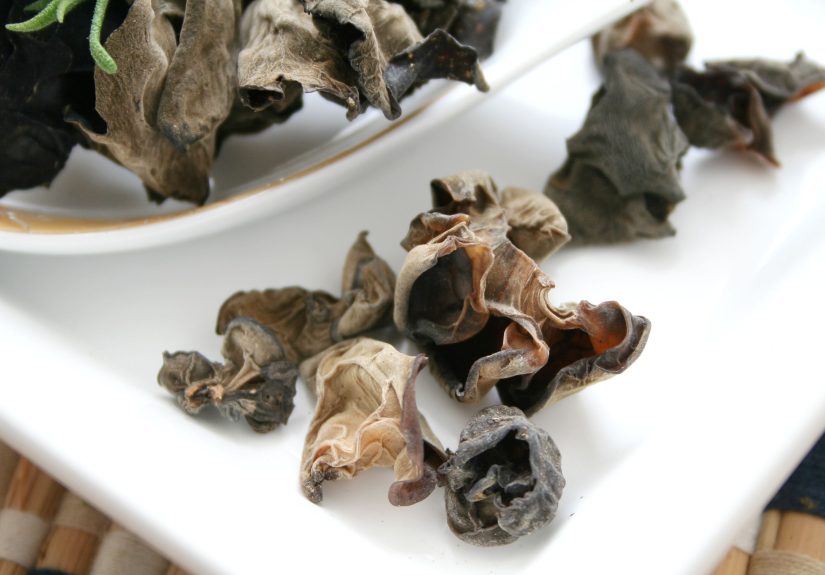
In most grocery stores and recipes, black fungus refers to dried wood ear or cloud ear mushrooms
(often labeled as mu’er or kikurage). These fungi are prized less for bold flavor and more for their
springy, slightly crunchy texture. Think of them as the “boba pearls” of savory cookingexcept they won’t sabotage your straw.
You’ll typically find them dried. Once rehydrated, they expand dramatically (a little goes a long way), and they play nicely in
hot-and-sour soup, ramen, pho-style broths, stir-fries, dumpling fillings, and cold marinated salads.
“Black fungus” as an infection: Mucormycosis
Mucormycosis is a rare but serious infection caused by molds found in the environment.
It most often affects people with weakened immune systems or certain medical conditions (like uncontrolled diabetes).
It can involve the sinuses, lungs, skin, and other areassometimes spreading quickly.
Important: mucormycosis has no “benefits”. If you see the phrase “black fungus” used in that context,
it’s about illness, not nutrition. If symptoms suggest mucormycosis, it’s urgent medical care timenot “let’s Google more.”
Edible Black Fungus Nutrition: What’s Actually in It?
Wood ear/cloud ear mushrooms are known for being very high in fiber relative to their calories, plus they offer
small amounts of minerals like iron, potassium, and more.
Nutrition varies by brand and how you measure a serving (and whether the listing refers to dried vs. rehydrated),
but a cup of dried cloud ears can come in at roughly ~80 calories with a standout amount of
dietary fiber. That fiber density is a big reason black fungus shows up in “light-but-filling” meal plans.
Why the texture matters for satisfaction
A sneaky “benefit” that doesn’t get enough love: chew. Crunchy, chewy foods can make a meal feel more substantial,
even when the calorie load is modest. Adding rehydrated black fungus to noodles or veggie stir-fries is an easy way to make
the bowl feel bigger, more interesting, and less like you’re eating “sad health food.”
Potential Benefits of Eating Black Fungus
Let’s keep this honest and science-friendly: black fungus is nutritious, and it contains compounds being studied (especially polysaccharides).
But it’s not a magical superfood that cancels out your third cookie. Here’s what research and nutrition logic support most strongly.
1) Supports gut health (thanks, fiber)
The biggest practical advantage is fiber. Diets higher in fiber are associated with better digestive regularity and can support a healthier gut microbiome.
Since dried black fungus is fiber-dense, it’s an easy add-in for people trying to nudge their daily fiber up without changing their whole personality.
Example: If your lunch is a basic ramen bowl, adding rehydrated wood ear plus spinach and a protein turns it into
a more balanced meal with better texture and likely better satiety.
2) May help with feeling full on fewer calories
Fiber + chewiness can promote fullness. That’s not a weight-loss promisejust basic “my stomach notices this meal” math.
If you tend to snack after dinner because dinner felt flimsy, adding black fungus to soups and stir-fries can make meals more satisfying.
3) Antioxidant-related compounds are being studied
Wood ear mushrooms contain bioactive compounds, including polysaccharides and other components that researchers study for antioxidant-related activity.
The key phrase is “being studied.” Many findings are from lab or animal research, which doesn’t always translate directly to humans.
Still, as part of a varied diet, edible mushrooms are a smart, nutrient-conscious choice.
4) Heart-health angles (promising, but not definitive)
Some studies (including animal research) have looked at extracts or dietary inclusion of Auricularia species and found improvements in cholesterol-related markers.
That’s interesting, but it’s not the same as proving that eating black fungus a few times a week will lower LDL in every human.
The best real-world takeaway: black fungus is a low-fat, high-fiber food that fits well into heart-supportive eating patterns
(like meals built around vegetables, legumes, whole grains, and lean proteins).
5) A “quietly useful” mineral boost
Depending on portion and product, black fungus can contribute small-to-moderate amounts of minerals like iron and potassium.
It won’t replace a balanced diet, but it can help round out nutrient intakeespecially if you’re trying to rely less on ultra-processed foods.
How to Buy, Prep, and Cook Black Fungus (Without Regret)
Buying tips
- Look for intact, dry pieces with a clean smell (not musty).
- Choose reputable brands and retailers and pay attention to recalls or safety notices.
- Check the label for alternate names: wood ear, cloud ear, kikurage, mu’er, dried black fungus.
Rehydrating: the “small step” that makes a big difference
Most people rehydrate black fungus by soaking it in water until it becomes plump and flexible.
After soaking, rinse wellthese mushrooms love hiding grit in their folds like it’s their full-time job.
- Use clean water and a clean bowl.
- Don’t soak forever at room temperature. Rehydrated foods can become a growth-friendly environment for bacteria if mishandled.
- Cook when appropriate. Many recipes call for blanching or stir-frying after soaking.
Cooking ideas that actually taste good
- Hot-and-sour soup: the classic home for wood ear’s crunch.
- Stir-fries: toss in after rehydratingpairs well with garlic, ginger, soy sauce, and sesame.
- Noodle bowls: ramen, udon, rice noodlesblack fungus adds texture without heaviness.
- Cold salad: blanched wood ear with vinegar, chili crisp, cucumber, and sesame oil.
- Dumplings: finely chopped wood ear adds springiness to pork, chicken, or veggie fillings.
Food Safety: What You Need to Know
Because black fungus is often sold dried and imported, food safety matters. There have been investigations and recalls linked to
Salmonella associated with dried wood ear mushrooms in the past.
That doesn’t mean “never eat them.” It means treat them like any dried food product: buy smart and handle carefully.
Simple safety checklist
- Wash hands before and after handling dried mushrooms.
- Rinse after soaking and discard the soaking water.
- Use clean tools and don’t let rehydrated mushrooms sit out for long periods.
- Cook thoroughly when the recipe calls for it (stir-frying, boiling, blanching).
- When in doubt, throw it out: slimy texture or off smells are deal-breakers.
What About “Black Fungus” InfectionSymptoms and When to Worry
If you’re here because you saw scary headlines: totally fair. Mucormycosis is rare, but it can be severe.
It generally affects people with weakened immune systems or certain high-risk conditions.
Common risk factors
- Uncontrolled diabetes (especially diabetic ketoacidosis)
- Immune suppression (for example, certain cancer treatments or transplant medications)
- Severe illness or prolonged hospitalization in some contexts
Symptoms depend on where the infection is
- Sinus/brain area: facial pain or swelling, sinus congestion, headache, fever, vision changes
- Lungs: fever, cough, chest pain, shortness of breath
- Skin: painful, worsening skin lesions or ulcers (especially after injury)
If someone has major risk factors and develops concerning symptomsespecially facial swelling, vision changes,
severe headache, or rapidly worsening illnessthis needs urgent medical evaluation.
Bottom Line: Is Black Fungus “Good” for You?
Edible black fungus (wood ear/cloud ear) can be a smart, tasty addition to a balanced diet:
high in fiber, low in calories, and excellent for adding texture and satisfaction to meals.
Mucormycosis (the infection sometimes called “black fungus”) is rare but serious and has no benefits
it’s a medical condition, not a wellness trend.
If you’re using black fungus as food, focus on: safe sourcing, proper rehydration, good kitchen hygiene, and cooking it well.
Then enjoy the crunch like you planned it that way all along.
Real-World Experiences: Cooking, Shopping, and Safety Lessons (Extra)
In real kitchens, black fungus tends to show up in two moods: “I’m making a comforting soup” and “I’m trying to make vegetables interesting again.”
People who fall in love with wood ear mushrooms often describe the first bite the same way: surprise. Not because the flavor is intense,
but because the texture is unexpectedly funspringy, crisp, and almost… playful. If you’ve ever wished your soup had a little more personality,
black fungus is basically a low-calorie extrovert.
A common beginner experience goes like this: you buy a small bag of dried black fungus, open it, and wonder if you’ve been scammed because it looks
like a pouch of tiny, wrinkled black leaves. Then you soak a handful andboomyour bowl fills up like the mushrooms just got a promotion.
That expansion surprises a lot of first-timers, and it’s one reason experienced cooks recommend measuring with restraint.
It’s not a food you “pour freely while distracted,” unless you enjoy feeding a small village.
In meal prep circles, wood ear mushrooms have a quiet fan club because they keep their texture better than many vegetables once mixed into a dish.
People add them to stir-fries with broccoli and chicken, or to tofu-and-vegetable bowls, and report that the crunch survives reheating more gracefully
than, say, zucchini (which can go from “tender” to “sad sponge” in record time). Black fungus also plays well with bold saucesgarlic, ginger,
soy sauce, vinegar, chili crispbecause it doesn’t fight for attention. It just adds structure, like the beams in a house: you don’t always notice
them until they’re missing.
On the shopping side, many cooks learn a practical lesson after seeing occasional safety news about dried mushrooms:
they start buying from brands and stores with higher turnover and clearer sourcing. Some people keep a simple habit:
when they open a new bag, they transfer it to an airtight container, label it with the date, and store it somewhere cool and dry.
It’s not glamorous, but it’s the same kind of “grown-up kitchen behavior” that keeps spices aromatic and prevents pantry items from turning into
accidental science experiments.
Safety-wise, the most shared experience is discovering that soaking is not a “set it and forget it” situation.
Plenty of people have done the overnight soak on the counter because a recipe blog said soand then they find newer guidance warning against long,
room-temperature soaking. That moment usually triggers a new routine: shorter soaks, cleaner bowls, a good rinse, and either cooking right away
or refrigerating briefly if timing gets messy. The vibe becomes: “I’m still making my favorite salad, I’m just not letting it marinate in the danger zone.”
Finally, there’s the “headline confusion” experience: people hear “black fungus” and assume it’s all bad. Then they realize the edible mushroom
in their soup is not the same thing as the rare infection in medical reports. Once that clicks, the anxiety drops, and the curiosity returns:
“Okayso this crunchy mushroom is a food, and the scary thing is a completely different topic.” That clarity is a benefit on its own.
Because the best kitchen confidence is knowing what you’re actually dealing withbefore you season it.