Table of Contents >> Show >> Hide
- Why Your Bird of Paradise Is Not Blooming
- Step 1: Make Sure You Have the Right Plant
- Step 2: Give It More Light Than You Think It Needs
- Step 3: Be PatientMaturity Matters
- Step 4: Keep It Slightly Pot-Bound
- Step 5: Water Smart, Not Constantly
- Step 6: Feed It RegularlyBut Do Not Turn It Into a Leaf Factory
- Step 7: Keep Conditions Warm and Stable
- Step 8: Move It Outdoors in Warm Weather
- Step 9: Prune Lightly and Remove Old Growth
- Step 10: Eliminate Stress Factors That Quietly Prevent Blooming
- Indoor vs. Outdoor Blooming Expectations
- Common Mistakes That Delay Flowers
- How Long Until You See Flowers?
- Grower Experiences: What People Learn the Hard Way About Getting a Bird of Paradise to Bloom
- Conclusion
If your bird of paradise has been serving “lush tropical drama” for monthsor yearswithout producing a single flower, you are not alone. This plant is famous for its bold leaves and even more famous for making gardeners wait for the floral grand finale. The good news is that a bird of paradise usually does not bloom out of spite. It blooms when a few key conditions finally line up: enough light, enough maturity, the right watering rhythm, smart feeding, and a pot situation that is just a little snug, not wildly oversized.
In other words, this is not a mysterious diva. It is a picky overachiever with standards.
If you want to know how to get a bird of paradise to bloom, the first step is understanding that not every bird of paradise behaves the same way. The classic orange-and-blue flowering type, Strelitzia reginae, is the one most likely to reward you with blooms indoors or in containers. The giant white bird of paradise, Strelitzia nicolai, is often grown for foliage and may take much longer to flowerif it flowers at all in ordinary indoor conditions. That single detail explains a lot of heartbreak.
Why Your Bird of Paradise Is Not Blooming
Before fixing the problem, identify it. In most cases, a bird of paradise fails to flower for one of five reasons: it is too young, it is not getting enough light, it has been overpotted, it is receiving the wrong fertilizer routine, or it has been stressed by inconsistent watering or poor drainage.
Many people assume a big leafy plant is a mature plant. Not necessarily. Bird of paradise can look impressively tropical long before it is ready to bloom. A plant grown from seed may need several years before it reaches flowering age. If the plant was recently divided, repotted too aggressively, or moved around constantly, it may focus on recovery and root growth instead of producing flowers.
Step 1: Make Sure You Have the Right Plant
If your goal is flowers, species matters. The orange bird of paradise, Strelitzia reginae, is the best candidate for reliable blooming. It stays smaller, adapts better to containers, and is the type most people picture when they think of those crane-shaped orange and blue blooms.
The white bird of paradise, Strelitzia nicolai, is beautiful too, but it is often sold as a dramatic foliage plant. Indoors, it may grow tall and handsome without ever getting around to flowering. So if you have a giant green monster in the corner and no blooms after years of care, the problem may be identity rather than failure.
Step 2: Give It More Light Than You Think It Needs
If there is one major secret to getting a bird of paradise to bloom, it is light. Not “bright-ish.” Not “it can see the sun from across the room.” Actual strong light.
A mature orange bird of paradise typically needs at least 4 to 6 hours of sun or the indoor equivalent of very intense bright light to bloom well. A south- or west-facing window is usually your best indoor option. If your home is dim, a grow light can make a real difference. Outdoors, summer sun often gives container plants the boost they needbut only if you acclimate them gradually so the leaves do not scorch.
Think of light as the plant’s blooming budget. Without enough of it, your bird of paradise spends all its energy making leaves and none on flowers.
Best Light Setup for Blooming
Place indoor plants in your sunniest room, as close to the window as practical. Rotate the pot every week or two for even growth. If you move the plant outdoors in warm weather, start it in bright shade, then transition it slowly into more sun over a week or two. That gentle shift helps prevent leaf burn while still increasing the total light exposure that encourages flower production.
Step 3: Be PatientMaturity Matters
Bird of paradise is not a speed bloomer. A young plant may take 3 to 5 years, and sometimes longer, before it is mature enough to flower. Seed-grown plants can take even more time. If you bought a smaller specimen recently, the answer may simply be: not yet.
This is annoying, of course. We live in an age of same-day delivery and instant streaming. Bird of paradise missed that memo. It blooms on plant time.
If you divided a mature plant, expect another delay. Division can reset the flowering clock because the plant redirects energy into rebuilding roots and foliage. So if your bird of paradise used to bloom and then suddenly stopped after repotting or dividing, that is not unusual.
Step 4: Keep It Slightly Pot-Bound
One of the most overlooked bloom triggers is a comfortably crowded root system. Bird of paradise often flowers better when it is slightly pot-bound. That does not mean you should trap it in a tiny container forever, but it does mean you should resist the urge to repot at the first sign of roots.
A too-large pot can backfire. Instead of putting energy into blooms, the plant starts exploring all that extra soil with fresh roots. Meanwhile, you wait. And wait.
Repot only when the plant truly needs itsuch as when roots are circling heavily, pushing up out of the soil, or cracking the pot. When you do repot, move up just one size, not three. Use a pot with excellent drainage and a rich, well-draining mix.
Step 5: Water Smart, Not Constantly
Bird of paradise likes regular moisture during active growth, but it does not want to sit in soggy soil. During spring and summer, water thoroughly, then allow the upper layer of soil to dry slightly before watering again. In fall and winter, reduce watering frequency as growth slows.
Overwatering is one of the fastest ways to derail flowering. Wet, stale soil leads to root stress and sometimes root rot. Underwatering can also cause problems, especially when a plant is in strong light and actively growing. The goal is steady moisture with good drainage, not a swamp and not a desert survival challenge.
How to Tell If Watering Is Off
Yellowing leaves, mushy roots, and a sour smell point toward overwatering. Crispy edges, curling leaves, and rapid drying may suggest the plant is too dry or root-bound enough to need closer monitoring. Adjust based on the season, temperature, pot size, and amount of light the plant receives.
Step 6: Feed It RegularlyBut Do Not Turn It Into a Leaf Factory
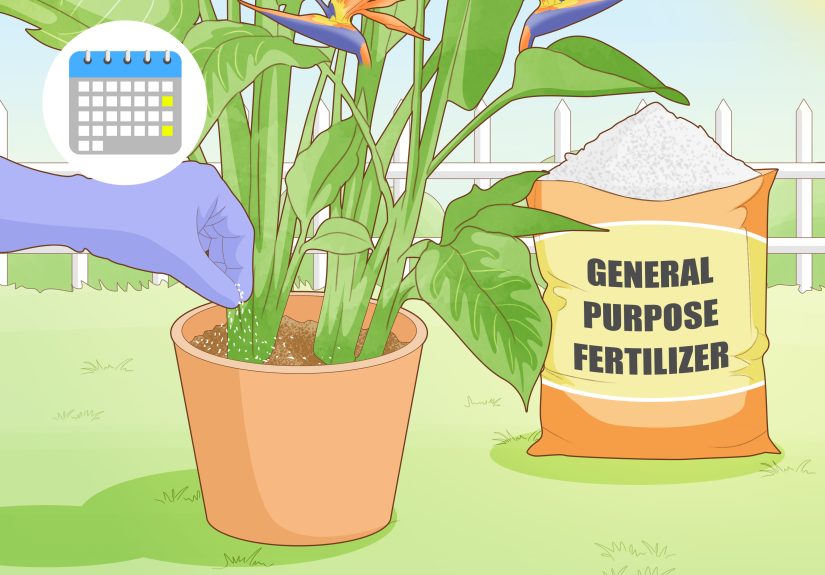
Bird of paradise is a hungry plant during the growing season. Regular feeding helps support the energy demands of large leaves and future flowers. A balanced fertilizer, slow-release product, or general-purpose plant food can work well, depending on your setup. Many growers fertilize during spring and summer, then ease off in fall and stop in winter.
But here is the catch: overfertilizing can create a gorgeous jungle of foliage with little or no flowering. Too much nitrogen is especially likely to encourage leaves over blooms. So yes, feed your plant. No, do not treat fertilizer like hot sauce.
If your bird of paradise is healthy, leafy, and aggressively green but bloomless, review your fertilizer label and routine. A steady, moderate feeding schedule is more helpful than random feast-or-famine applications.
Step 7: Keep Conditions Warm and Stable
Bird of paradise prefers warmth. It is happiest when daytime temperatures are comfortably warm and nighttime temperatures stay mild. Cold drafts, chilly windows, and sudden temperature swings can slow growth and reduce the likelihood of flowering.
Indoor plants also appreciate moderate humidity, especially in dry homes during winter. You do not need to turn your living room into a tropical cloud forest, but a humidifier, pebble tray, or grouping plants together can help. Stable conditions keep the plant growing instead of sulking.
Step 8: Move It Outdoors in Warm Weather
For many indoor growers, the turning point comes when the plant spends summer outside. Outdoor light is usually far stronger than indoor light, even near a bright window. Putting the plant outdoors in late spring or summer can build strength, improve leaf quality, and help trigger future blooms.
The key is gradual transition. Start in bright shade, then move toward more sun over time. Keep an eye on watering, because container plants dry faster outdoors. Also check for pests before bringing the plant back inside.
A bird of paradise that summers outdoors often returns indoors looking healthier, sturdier, and much closer to blooming age. Sunlight is a powerful motivator.
Step 9: Prune Lightly and Remove Old Growth
You do not need to prune bird of paradise heavily, but you should remove dead leaves, damaged foliage, and spent flower stalks. This keeps the plant tidy, improves air circulation, and reduces the chance of fungal problems.
Do not shear it into submission. This is not a hedge. Always cut old stalks cleanly at the base. If the center of the plant is healthy and actively producing new leaves, keep your pruning simple and surgical.
Step 10: Eliminate Stress Factors That Quietly Prevent Blooming
Even when the basics look fine, a few hidden issues can stop flowering. Common troublemakers include poor drainage, low light in winter, repeated repotting, pest infestations, and chronic root disturbance. Mealybugs, scale, and spider mites may not always cause dramatic damage at first, but they can weaken the plant over time.
Inspect leaves regularly, especially undersides and leaf stems. Wipe dust off the foliage so the plant can use available light more efficiently. Good airflow, clean leaves, and a stable routine can make more difference than people expect.
Indoor vs. Outdoor Blooming Expectations
Outdoors in warm climates, bird of paradise blooms much more readily because it gets stronger light, more root room, and a longer growing season. Indoors, blooming is still possibleespecially with Strelitzia reginaebut it usually requires near-ideal light and patience.
If your plant lives indoors year-round, your best bloom strategy is to maximize every controllable factor: strongest window, seasonal feeding, careful watering, slight root restriction, and summer outdoor time if possible. Indoor blooming is not a myth, but it is not automatic either.
Common Mistakes That Delay Flowers
- Growing the plant in a dim room and hoping for miracles
- Repotting too often or using an oversized container
- Assuming every bird of paradise variety flowers easily indoors
- Overfeeding with high-nitrogen fertilizer
- Keeping the soil constantly wet
- Dividing the plant too frequently
- Expecting a young plant to bloom on command
How Long Until You See Flowers?
If your plant is mature and healthy but simply missing one bloom triggerusually lightyou may see improvement within one growing season after correcting the issue. If the plant is still juvenile, the timeline may be longer. Think in seasons, not weekends.
Once blooming begins, flowers typically emerge from a boat-shaped bract and can last a surprisingly long time. That is part of what makes the wait worthwhile. Bird of paradise does not hand out tiny apology blossoms. It shows up with theatrical flair.
Grower Experiences: What People Learn the Hard Way About Getting a Bird of Paradise to Bloom
One of the most common experiences bird of paradise growers describe is realizing that a “bright room” is not the same thing as bloom-worthy light. A plant may survive in a cheerful living room for years, producing beautiful leaves and looking perfectly healthy, yet still refuse to flower. Then it gets moved closer to a sunnier window or spends one summer outdoors, and suddenly the plant starts acting like it finally got the memo. This is why light is so often the missing piece. The plant is not dying in lower light, but it is not thriving enough to put energy into flowers either.
Another common lesson is that size can be misleading. Many growers assume a tall, leafy bird of paradise is mature enough to bloom. Sometimes that is true, but sometimes the plant is simply large and comfortable, not reproductively ready. This happens a lot with white bird of paradise or with plants that were divided too recently. People often report that once they stop fussing with the roots, stop repotting every year, and let the plant settle in, growth becomes steadier and blooming becomes more realistic.
Watering is another area where experience changes habits. New growers often either water too often because the plant looks tropical, or not enough because they fear root rot. Over time, they learn the sweet spot: water deeply, let the mix drain well, and allow a bit of drying between waterings depending on season and light. Plants grown outdoors in summer can need surprisingly frequent watering, while the same plant indoors in winter may need much less. A fixed schedule usually loses this argument.
Fertilizer also teaches humility. It is easy to think more food equals more flowers, but experienced growers often notice the opposite. Too much fertilizer can create giant leaves and fast growth with no blooms in sight. The better results usually come from a moderate, steady feeding routine during the active season, followed by restraint when the plant slows down.
Perhaps the biggest real-world takeaway is that blooming bird of paradise is usually the result of consistency rather than a single magic trick. Growers who succeed tend to do the boring things well: good light, smart watering, moderate feeding, stable warmth, and patience. Then one day a stiff flower stalk appears, rising like the plant has decided to reward all that persistence. It feels dramatic because it is dramatic. And after a long stretch of handsome leaves and zero flowers, that first bloom really does feel like a tropical standing ovation.
Conclusion
If you want your bird of paradise to bloom, focus on the factors that matter most: grow the right species, give it strong light, let it mature, keep it slightly pot-bound, feed it sensibly, and avoid soggy soil. Most bloom failures come down to one simple truth: the plant has not yet received the conditions it needs to feel ready. Fix those conditions, stay patient, and your bird of paradise has an excellent chance of graduating from “beautiful foliage plant” to “show-off with flowers.”