Table of Contents >> Show >> Hide
- Why Fish Smell Sticks to Your Hands in the First Place
- 1. Wash Strategically With Soap First
- 2. Rub Your Hands With Lemon Juice or White Vinegar
- 3. Make a Baking Soda Paste for a Gentle Deodorizing Scrub
- 4. Rub Your Hands on Stainless Steel Under Running Water
- Bonus Tips to Prevent Fish Smell From Sticking in the First Place
- Which Method Works Best?
- Final Thoughts
- Extra Experiences: What Actually Happens When You Try to Get Fish Smell off Your Hands
- SEO Metadata
If you’ve ever cleaned salmon, peeled shrimp, filleted trout, or wrestled a particularly opinionated mackerel, you already know the truth: fish smell does not politely leave when dinner prep is over. It clings. It lingers. It follows you around the kitchen like a tiny invisible seafood parade. One minute you’re making a healthy meal, and the next your hands smell like the back room of a dockside bait shop.
The good news is that you do not need a complicated product lineup or a science lab sink to fix it. In most cases, the best ways to remove fish smell from hands are already sitting in your kitchen. The trick is understanding why regular hand soap sometimes falls short. Fishy odor often comes from compounds that cling to skin oils and settle around your fingertips, nails, and cuticles. So if you only do a quick wash and call it a day, the smell may hang around like it paid rent.
In this guide, you’ll learn four practical, effective ways to get fish smell off your hands, why they work, when to use each one, and how to keep the odor from coming back. Whether you’re a home cook, a weekend angler, or just someone who touched raw fish once and now regrets every life choice that led to that moment, these tips will help.
Why Fish Smell Sticks to Your Hands in the First Place
Before we get into the solutions, it helps to know what you’re up against. Fish odor is often linked to compounds that create that unmistakable sharp, marine, slightly funky smell. Those compounds can settle into the natural oils on your skin, especially around your fingertips and under your nails. That is why a rushed rinse with hand soap may reduce the smell without fully removing it.
Think of it this way: if fish smell were glitter, soap alone might remove the obvious sparkle, but a few stubborn flecks would still be hanging around your cuticles, refusing to leave the party. The best odor-removal methods either neutralize those compounds, lift them off the skin, or physically scrub away the residue.
1. Wash Strategically With Soap First
Why this is step one, not the whole plan
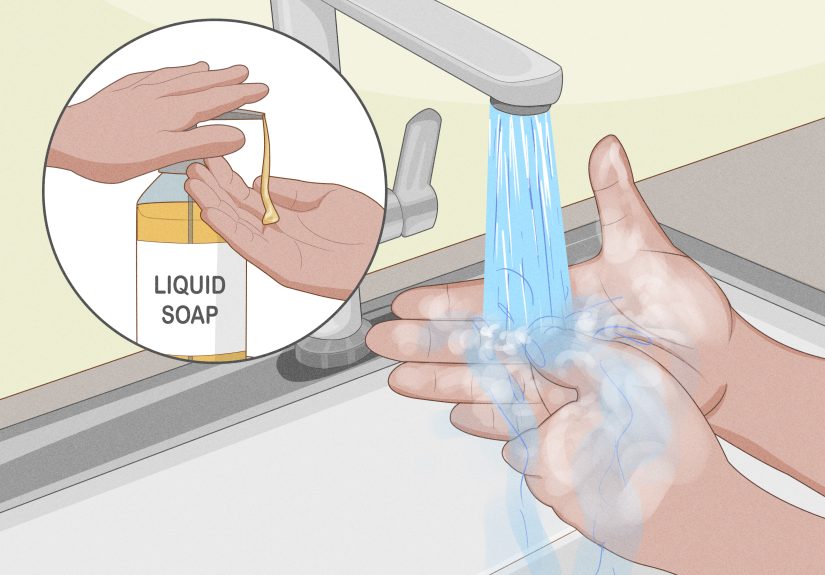
Let’s start with the least glamorous but most important move: wash your hands thoroughly with soap before trying anything else. A lot of people skip straight to lemon, vinegar, or some dramatic sink-side ritual involving stainless steel. But if fish oils and residue are still sitting on your skin, the next remedy has to work harder.
Use a generous amount of hand soap or dish soap and wash for at least 20 seconds. Focus on your fingertips, around your nails, between your fingers, and the backs of your hands. If you handled fish directly, especially oily fish like salmon, sardines, or mackerel, wash twice. A nail brush can help if the smell is hanging on under your nails.
Best way to do it
- Wet hands with lukewarm water.
- Apply soap and lather well.
- Scrub palms, fingers, nail beds, and thumbs.
- Rinse fully.
- Repeat if your hands still smell even remotely suspicious.
This step alone may solve the issue if you only handled fish briefly. If not, move on to one of the odor-busting methods below. Think of soap as the cleanup crew and the next methods as the specialists.
2. Rub Your Hands With Lemon Juice or White Vinegar
Why acidic ingredients work so well
If your hands still smell fishy after washing, reach for lemon juice or white vinegar. These are two of the most reliable home remedies for removing fish smell from hands because they help neutralize odor-causing compounds instead of simply covering them up. Lemon also brings a fresh scent, which is a nice emotional reward after handling something that smelled like low tide.
Lemon is usually the more pleasant option. Vinegar is extremely practical, but it does announce itself with a bold little speech before it fades away. The upside is that the vinegar smell usually disappears quickly, taking the fish odor with it.
How to use lemon
- Cut a fresh lemon in half.
- Squeeze the juice onto your hands or rub the cut side directly over your skin.
- Pay special attention to fingertips and nails.
- Let it sit for 30 to 60 seconds.
- Rinse and wash lightly with soap if needed.
How to use vinegar
- Pour a small amount of white vinegar into your palms.
- Rub hands together thoroughly for about 30 seconds.
- Rinse with water.
- Follow with a gentle soap wash if you do not want your hands smelling like a salad dressing commercial.
One note of caution: if your skin is cracked, freshly shaved, or irritated, lemon and vinegar can sting. In that case, use a gentler option like baking soda or skip straight to moisturizer after rinsing. Effective odor control is great. Feeling like your hands are on fire is less great.
3. Make a Baking Soda Paste for a Gentle Deodorizing Scrub
Why baking soda earns a permanent spot in the kitchen
Baking soda is one of those household overachievers that somehow helps with baking, fridge odors, sink smells, and now your fishy fingers. It works well because it acts as a mild deodorizer and also gives you a bit of gentle physical scrubbing power. That means it can help lift lingering residue from the skin without being as harsh as some gritty cleaners.
It is especially useful when the smell is faint but stubborn. You washed. You used soap. You thought you won. Then you lifted your hand to your face and got hit with a weird little cod reminder. That is baking soda territory.
How to use it
- Mix 1 to 2 teaspoons of baking soda with a little water to form a paste.
- Rub the paste all over your hands for 30 to 60 seconds.
- Focus on fingertips, nail edges, and any dry spots where odor may cling.
- Rinse thoroughly.
- Wash with mild soap if needed.
If your skin is sensitive, do not scrub like you are sanding a table. Gentle pressure is enough. You want to remove odor, not polish your fingerprints off.
What not to do
A common mistake is mixing baking soda with lemon juice or vinegar and assuming that combining two popular remedies must create some kind of superhero paste. In reality, once they react with each other, they lose much of the separate benefit that made them useful in the first place. Keep it simple. Use baking soda as its own scrub, or use lemon or vinegar on their own.
4. Rub Your Hands on Stainless Steel Under Running Water
The famous kitchen trick
This method has a near-mythical reputation. Ask ten home cooks how to get rid of fish smell from hands, and at least three of them will point dramatically toward the sink faucet and whisper, “Stainless steel.” The idea is simple: rub your hands over a stainless steel surface under running water for about 30 seconds.
You can use a stainless steel sink, faucet, spoon, or one of those stainless steel “soap bars” sold for odor removal. It is a popular trick for fish, garlic, and onion smells.
How to do it
- Wet your hands with cool or lukewarm water.
- Rub your fingers, palms, and fingertips over a stainless steel surface.
- Keep rubbing for 20 to 30 seconds.
- Rinse and smell-check.
Does it always work?
Not always, and that is worth saying honestly. Some people swear by it. Others say it helps a little but not enough on its own. The safest way to think about stainless steel is this: it is a handy, low-effort method that is worth trying, especially after a soap wash, but it may not beat lemon or baking soda for every person or every fish.
If your hands still smell like halibut after the stainless steel trick, do not take it personally. Just move on to lemon, vinegar, or baking soda. Even the mighty faucet has limits.
Bonus Tips to Prevent Fish Smell From Sticking in the First Place
Wear disposable gloves
The easiest way to remove fish smell from your hands is to not let it move in at all. If you prep seafood often, keep a box of food-safe disposable gloves nearby. Nitrile gloves are a great option for messy kitchen jobs and help block strong odors from settling into your skin.
Use one wet hand and one dry hand
If you are breading or filleting fish, designate one hand for wet ingredients and one hand for dry ingredients. This reduces buildup on your skin and cuts down on the amount of fish residue you need to wash away later.
Clean under your nails immediately
Fish smell loves to hide under nails. If you skip this step, the rest of your hand can smell clean while your fingertips quietly betray you. A nail brush, an orange stick, or even careful soap scrubbing can make a big difference.
Moisturize afterward
Odor-removal tricks can be drying, especially if you use lemon, vinegar, or repeated washing. Apply hand lotion afterward to keep your skin from becoming dry and irritated. Smooth, hydrated hands are a lot more pleasant than fishy, flaky ones.
Which Method Works Best?
If you want the short answer, here it is:
- Best overall: Lemon juice
- Best budget option: White vinegar
- Best for lingering odor: Baking soda paste
- Best quick kitchen hack: Stainless steel under running water
In real life, the best method often depends on what you have on hand and how strong the smell is. For a light odor, soap plus stainless steel may be enough. For a stronger fishy smell, lemon or vinegar usually gets better results. For stubborn residue after cleaning several pounds of seafood, baking soda is a smart follow-up.
Final Thoughts
Fish is delicious. Fish smell on your hands, less so. Fortunately, you do not need fancy products or a complicated routine to fix the problem. A smart wash with soap, followed by lemon juice, vinegar, baking soda, or stainless steel, can take your hands from “fresh catch” back to “normal human” pretty quickly.
The key is not just washing randomly and hoping for the best. Start by removing surface oils, then use a method that neutralizes or lifts the odor. If you cook seafood regularly, keep a lemon, a box of baking soda, or a pair of gloves nearby. Your future self will appreciate the upgrade, and so will anyone standing within conversational distance.
Because let’s be honest: the goal is not merely to cook a beautiful fish dinner. The goal is to enjoy it without wondering why your hands still smell like a tuna biography two hours later.
Extra Experiences: What Actually Happens When You Try to Get Fish Smell off Your Hands
Anyone who cooks fish regularly has a story. Usually it starts with confidence. You buy a beautiful fillet, season it like a champion, maybe even tell yourself this is the night you finally become one of those effortlessly competent seafood people. Then the prep is done, dinner is in the pan, and you notice your hands smell like the ocean lost an argument.
One of the most common experiences is realizing that regular hand soap works, but only halfway. At first, your hands smell clean. Then ten minutes later, you touch your face, pick up a glass, or sit down to eat, and there it is again. Not a huge smell. Just enough to make you suspicious of your own fingers. This is why so many home cooks end up becoming devoted lemon people. Once they try rubbing lemon over their hands after washing, they finally get that “okay, now it’s really gone” feeling.
Vinegar tends to win people over in a different way. Nobody gets excited to pour vinegar on their hands. It is not glamorous. It does not feel luxurious. It feels like a practical decision made by someone who is serious about results. But it often works shockingly well, especially after cleaning multiple fish or handling shellfish. The funny part is that for a brief moment, you trade fish smell for pickle energy. Then the vinegar fades, and your hands smell normal again. That is a solid bargain.
Baking soda usually becomes the favorite of people who do a lot of cooking and keep finding new uses for the same orange box. It is the dependable friend of the kitchen. If you have ever had fish odor stubbornly stuck around your nails or fingertips, a baking soda paste feels satisfying because it does something soap alone does not. It scrubs without being extreme. It is a quiet overachiever. No drama, just results.
Stainless steel is where the stories get interesting. Some people use it once and become instant believers. They rub their hands on the faucet, sniff, and declare kitchen magic to be real. Other people try it and stare at the sink like it has personally failed them. The truth is probably somewhere in the middle. In everyday cooking, many people find it helpful, especially for mild lingering odor. But when the smell is strong, stainless steel is often better as a backup than a grand finale.
Then there is the prevention crowd, who learned the hard way and now keep gloves in a drawer like seasoned professionals. These are the people who have cleaned enough shrimp, filleted enough fish, or made enough crab cakes to know that avoiding the smell is sometimes easier than battling it later. They are not being dramatic. They are being experienced.
What most people discover over time is that no single method is perfect for every situation. Light fish handling may only require soap and stainless steel. A long seafood prep session may call for soap, then lemon, then moisturizer. And if you forget to clean under your nails, you may be haunted for hours no matter how heroic your hand washing seems.
That is really the takeaway from real kitchen experience: fish smell is beatable, but it responds best to a smart method, not wishful thinking. Once you find your go-to fix, the whole ordeal becomes less annoying. You stop panicking, stop rewashing your hands every seven minutes, and start cooking seafood with a lot more confidence. Which is great, because fish should make dinner better, not turn your fingertips into a long-term memory.