Table of Contents >> Show >> Hide
- Why TOAST blankets feel different from the average throw
- The TOAST lineup: throws, quilts, and the “blanket-as-accessory” mindset
- How to choose the right TOAST blanket (without overthinking it… too much)
- How to style TOAST blankets so your room looks “effortless” (not “over-controlled”)
- Care and keeping: how to make nice blankets last longer than your phone
- Sustainability and value: the “buy once, cry once” math
- Where TOAST blankets fit in the U.S. market (and who they’re for)
- of real-life experiences (the kind you actually care about)
- Conclusion
Let’s get one thing out of the way: we’re talking about TOAST (the clothing-and-home brand), not the snack you forgot in the toaster for six minutes and then tried to pass off as “rustic.” These are TOAST blankets and throwsthe kind of home accessories that make your living room look like it reads hardcover books and owns exactly one very photogenic ceramic mug.
In the world of cozy, a blanket can be a background extra… or it can be the main character. TOAST leans hard into the “main character” approach with natural fibers, craft-forward details, and patterns that look collectednot grabbed at the checkout aisle. This guide breaks down what makes TOAST blankets special, how to choose the right one for your space (and your laundry habits), and how to style them so they look effortlessly lived-in rather than “I just staged this for an internet stranger.”
Why TOAST blankets feel different from the average throw
The quickest way to describe TOAST blankets is functional homeware with a point of view. Their throws and quilts aren’t trying to be the softest fleece on earth (though they can be very soft). They’re aiming for something longer-lasting: timeless design, natural materials, and craftsmanship that’s visible in the weave, stitch, or print.
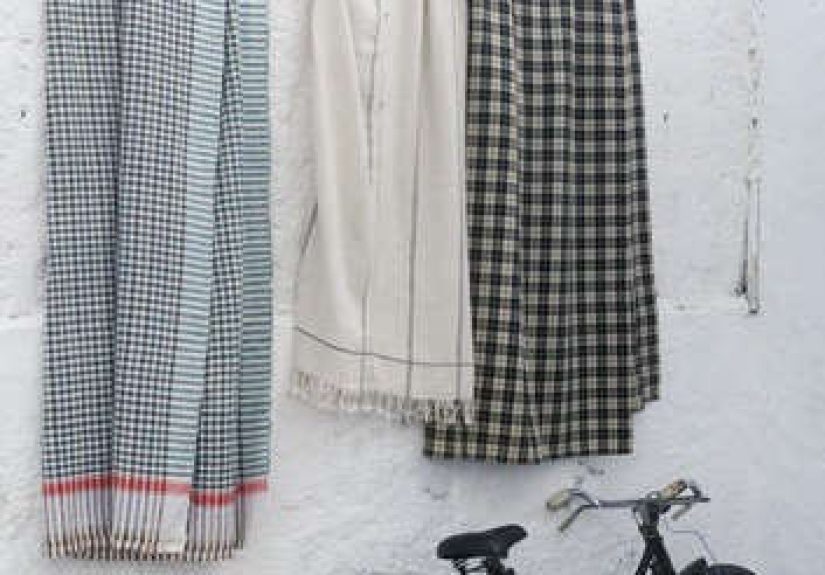
On TOAST’s U.S. storefront, the blanket category is framed as “soft throws and blankets for cocooning,” spanning block-printed and handwoven ikat quilts, lambswool blankets, and hand-quilted velvet throws. That range matters: TOAST isn’t a single-material brand. It’s a “pick your cozy personality” brand.
Another signature: TOAST talks openly about materials, durability, and responsibilitydown to how they weigh sourcing decisions and why they favor natural fibers for longevity, breathability, and end-of-life impact. Translation: your blanket is meant to be used, kept, and repairedrather than replaced the second it pills.
The TOAST lineup: throws, quilts, and the “blanket-as-accessory” mindset
1) Wool and lambswool throws (the cozy workhorses)
If you want a blanket that actually changes how warm you feel, start with wool. Sleep experts often point out that warmth isn’t just about thickness: a wool blanket can be thinner than cotton and still feel warmer because the fiber insulates efficiently. That’s why a lambswool throw can look refined on a sofa and still do real work during drafty-movie-night season.
TOAST also spotlights heritage weaving partners. A standout example is a Melin Tregwynt Welsh lambswool blanket, described as warm and weighty, woven in a small mill with a reversible “Knot Garden” weave drawn from archival designs and reimagined in an exclusive colorway for TOAST. If you like blankets with presenceones that drape like a tailored coatthis is the vibe.
2) Cotton quilts and patterned layers (the design-forward cozy)
Quilts are where TOAST’s craft storytelling really shines. Their craftsmanship notes highlight traditions like ikat (a resist-dye technique where bound yarns are dyed before weaving) and block printing (carved wooden blocks stamped with dye or ink). The practical takeaway: these pieces give you pattern and texture without screaming for attention. They’re “art you can nap under.”
Cotton also plays well with real life. It’s breathable, it softens with use, anddepending on constructionit can be easier to wash than specialty fibers. If your household includes pets, kids, salsa, or the occasional “I’ll just eat on the couch” promise, cotton quilts are often the safest stylish bet.
3) Velvet throws and hand-quilted pieces (the drama, politely)
A hand-quilted velvet throw is basically the interior-design version of red lipstick: you don’t need it, but once you try it, everything else looks a little underdressed. Velvet adds depth and light-play; quilting adds structure. On a neutral sofa, it becomes a focal point. On a bed, it reads boutique-hotel without you having to fold anything into perfect thirds.
4) The wearable angle: blanket-sized warmth you can travel with
TOAST’s world tends to blur lines between clothing and homethink scarves that behave like throws, or throws that can moonlight as an oversized wrap. If you’re the type who’s cold in restaurants, airports, offices, and emotionally during plot twists, a generous wool throw can double as a travel layer. That’s what “accessory” really means here: not just décor, but usefulness with style.
How to choose the right TOAST blanket (without overthinking it… too much)
Blanket buying sounds simple until you realize you’re choosing a fabric ecosystem that will live in your home for years. The most helpful approach is to decide based on use case, fiber, care tolerance, and where it will visually land in the room. Many bedding guides recommend starting with intended use and seasonal warmth needs before getting distracted by color.
Step 1: Pick the job
- Sofa throw: Prioritize drape, texture, and grab-and-go comfort. Wool or a structured quilt works well.
- Bed topper: Think “finishing layer.” Quilts and throws add polish and make the bed look complete.
- Reading chair / office: You want warmth without bulklightweight wool can be ideal.
- Outdoor porch / picnic: Choose something durable and easy to shake out; cotton can be friendlier than delicate fibers.
Step 2: Choose a fiber that matches your lifestyle
- Wool / lambswool: Warm, breathable, and often needs less frequent washing than you’d thinkgreat if you prefer airing and spot-cleaning over constant laundering.
- Cotton: Breathable and versatile; often easier to wash. Great for layered looks and everyday use.
- Velvet / quilted statement pieces: Best when you want texture and visual depthplan to be a little more careful with care and storage.
Step 3: Size and placementmake it look intentional
A throw that’s too small can look like it got lost on the way to becoming a napkin. A throw that’s too large can look like you’re hiding from your own responsibilities. For a sofa, many people prefer a generously sized throw so it can actually cover legs (not just vibes). For a bed, the throw is often a styling layerso the goal is coverage at the foot or corner, not a full replacement for a comforter.
Step 4: Pattern strategy (aka “how to look curated, not chaotic”)
If you love TOAST for printsikat, block print, heritage weavesuse a simple rule: repeat a color, vary the texture. Design editors often suggest keeping bedding patterns to a tight set (two patterns is plenty), and using a solid or textured “buffer” between patterns so the eye can rest. That buffer can be a solid duvet, a neutral bed blanket, or even a calm sofa upholstery.
How to style TOAST blankets so your room looks “effortless” (not “over-controlled”)
Styling a throw is basically controlled nonchalance. The good news: U.S. home editors have been giving us permission to stop fussing for years. Here are a few foolproof approaches that work beautifully with TOAST’s textures and patterns.
On a bed
- The diagonal drape: Fold the throw in half or thirds, then drape it diagonally across a corner for an asymmetrical, finished look.
- The layered trick: Put a larger neutral layer underneath, then add the smaller decorative throw on top to make it look more expansive.
- The “top it off” finish: Treat the throw as the final styling layerlike adding jewelry to an outfitespecially if the bed is mostly solids.
On a sofa
- Arm drape (classic): Fold lengthwise and drape over an arm for casual-but-intentional styling.
- Bench/ottoman toss: Literally toss it for a relaxed look. If you try to perfect it, it will look… perfected.
- Texture pop: Use a wool throw to add depth to a flat fabric sofa, or a velvet quilted throw to add “quiet luxury” richness.
Beyond the living room (yes, really)
Throws don’t have to be confined to sofas. Style pros recommend draping one over an entry bench for a welcoming moment, or using a throw on a porch (just bring it back inside when you’re done). A great TOAST blanket can travel from room to room like a very cozy houseguest who always improves the vibe.
Care and keeping: how to make nice blankets last longer than your phone
Here’s the secret adults don’t tell you: you don’t have to wash everything constantly. You do have to care for it correctly. TOAST emphasizes longevity and notes that different fibers require different washing and storing methodsso the care label is not a suggestion.
Wool and lambswool: refresh first, wash second
- Air it out: Wool refreshes well with airflow. A breezy day can do more than you’d expect.
- Brush gently: Fiber experts often recommend a soft-bristle brush to lift surface soil and smooth fibers.
- Spot clean spills quickly: Blotdon’t scrubusing mild detergent and water.
- If washing is necessary: Use cold water and a gentle wool cycle (only if the label allows), and avoid the dryer to protect softness and shape.
Cotton quilts: easy living, but still be nice to them
Cotton generally tolerates more frequent washing than wool, but gentle cycles and mild detergent help preserve texture and color. If your quilt has special stitching, tassels, or handmade detailing, treat it like the thoughtful object it iswash gently, dry carefully, and skip harsh heat.
How often should you wash throws?
Frequency depends on use and household realities. Laundry experts commonly recommend washing frequently used throws every couple of weeks (or more often if they’re in heavy rotation), while less-used throws can go longerespecially if you shake them out, remove pet hair, and air them between washes. For wool and cashmere, some experts suggest far less frequent cleaning and leaning on professional care when required.
Storage: avoid the “mystery basement smell”
Store blankets in a cool, dry place away from prolonged sunlight. If you’re stacking multiple throws, consider a basket so they look intentional (and you don’t create a linen-closet avalanche every time you want one).
Sustainability and value: the “buy once, cry once” math
TOAST positions its products as long-lasting by design, and frames social responsibility around cherishing materials, minimizing waste, and enriching communities through craft. That shows up in the way they talk about fiber choices (natural and responsibly sourced where possible), maker relationships, and circular initiatives.
From a practical consumer standpoint, a TOAST blanket is often a cost-per-use purchase. If you buy a throw you genuinely use on the sofa every night for three winters, the price starts to make more sense. The same goes for a quilt that lives on your bed for years and still looks better the more it softens. “Investment piece” is a phrase that gets abused onlinebut in the case of well-made blankets, it’s one of the rare times it can be true without irony.
Where TOAST blankets fit in the U.S. market (and who they’re for)
U.S. reviewers and home editors often test blankets based on softness, durability, warmth, and ease of cleaningthen recommend different materials for different needs (cooling, winter warmth, everyday throws, etc.). TOAST plays a slightly different game: it’s less about winning a lab-style softness contest and more about design integrity + material character + craft story.
If you want the absolute cheapest cozy thing that can survive anything, you’ll find plenty of options elsewhere. But if you want a throw that can anchor a room visually, feel good in hand, and still be relevant five years from now, TOAST blankets are in their element.
of real-life experiences (the kind you actually care about)
Because blankets aren’t just objectsthey’re daily behavior. Below are experience-based scenarios that mirror how people typically live with craft-driven throws and quilts like TOAST’s (the cozy wins, the minor inconveniences, and the oddly emotional attachment you will develop to a rectangle of fabric).
The “morning couch ritual” test
The first week with a wool TOAST throw usually goes like this: you drape it over the sofa arm because you saw a styling photo once, then you “just for a second” wrap it around yourself while holding coffee. Fifteen minutes later, you realize you’ve been sitting perfectly still like a content housecat, staring out the window as if your job is to contemplate weather. Wool does that. It warms quickly without feeling swampy, and the weight feels grounding in a way that fluffy synthetics often don’t. The throw becomes part of the room’s rhythm: grab it, wrap it, put it back, repeat.
The “guests are coming” panic moment
When you need your space to look pulled together fast, a patterned quilt or a textured throw is a cheat code. Instead of reorganizing your entire living room (ambitious, unrealistic), you add one strong textile moment: fold the quilt at the foot of the bed, or drape the throw diagonally on the sofa. Suddenly your home looks intentionallike you chose objects rather than accumulating them during stressful online sales. This is where TOAST’s prints and weaves shine: they read “collected” rather than “trendy,” which means you don’t have to redecorate your personality every season.
The laundry reality check
Not all coziness is convenient. Wool and specialty pieces demand a little respect. If you’re used to throwing everything into the washer on whatever setting your machine feels emotionally drawn to that day, you’ll have to slow down. Most owners end up adopting a routine: air out the wool throw, brush it lightly, spot clean quickly, and save full washing for when it’s truly necessary. It’s not “high maintenance,” but it is “adult maintenance.” The upside is that wool often needs less frequent washing than everyday throws, so the effort is occasional rather than constant.
The “travel blanket” surprise
A generous throw can become a stealth MVP on tripsespecially in over-air-conditioned airports and chilly rentals. People who run cold tend to treat a good throw like a wearable security system. You’ll wrap it around your shoulders, use it as a lap blanket in the passenger seat, and then lay it over a bed that has suspiciously thin bedding. If you choose a piece with a more neutral palette, it won’t fight your outfit or your luggage. If you choose a bold pattern, it becomes a portable mood.
The long-term payoff
Over time, the experience of living with a well-made blanket is mostly about consistency. It’s always there, always useful, andif you care for it properlystill looks good even after becoming your default companion for reading, napping, and recovering from life choices like “I’ll just watch one episode.” The best part? It makes your home feel finished in a way that’s hard to quantify until you notice you’re reaching for it every day.