Table of Contents >> Show >> Hide
- What “ACL Reconstruction” Actually Means (Spoiler: It’s Not a Simple Stitch Job)
- Purpose: Why People Get ACL Reconstruction
- Who Typically Needs Surgery (and Who Might Not)
- Pre-Op Reality: Getting the Knee “Quiet” Before Surgery
- Graft Options: What Your New “ACL” Is Made Of
- The Procedure: What Happens During ACL Reconstruction
- Recovery and Rehab: The Part That Actually Determines Your Outcome
- Risks and Complications: The Honest List
- How Successful Is ACL Reconstruction?
- Specific Examples: What Decisions Look Like in Real Life
- Questions to Ask Your Surgeon (So You Leave the Visit With Answers, Not Vibes)
- Experiences: What ACL Reconstruction Recovery Really Feels Like (The 500-Word Truth)
- Conclusion
Your ACL (anterior cruciate ligament) is basically your knee’s “seatbelt” for twisting, cutting, and quick stops. When it tears, the knee can feel like it wants to ghost you mid-stepone second you’re fine, the next your shin bone is trying to time-travel forward.
ACL reconstruction is the surgery designed to restore stability by replacing the torn ligament with a graft (a piece of tendon). It’s one of the most common sports-related knee surgeries in the U.S., and when it’s paired with serious rehab, it helps many people return to active liveswhether that’s weekend soccer, hiking, or simply trusting your knee on stairs again.
Quick note: This is educational information, not personal medical advice. Your surgeon and physical therapist are the MVPs for decisions about your knee.
What “ACL Reconstruction” Actually Means (Spoiler: It’s Not a Simple Stitch Job)
The ACL sits inside the knee joint and helps control forward movement and rotation. When it tears, it often doesn’t heal back to “like new” on its own, especially in people who want to pivot, run, or play sports. That’s why the standard operation is called reconstruction: the surgeon removes the torn ACL remnants (or trims them) and builds a new ligament using graft tissue.
Most ACL reconstructions are done arthroscopically (small incisions with a camera and specialized instruments). That usually means less tissue disruption than open surgerythough your rehab will still be a long-term relationship, not a one-night stand.
Purpose: Why People Get ACL Reconstruction
ACL reconstruction is typically done to:
- Restore knee stability so the knee doesn’t “give way” during movement.
- Support return to sports or demanding work (especially cutting, pivoting, jumping, or quick-direction changes).
- Protect the meniscus and cartilage by reducing episodes of instability that can lead to additional knee damage over time.
- Improve confidence in the kneebecause fear of your knee buckling is its own kind of injury.
Who Typically Needs Surgery (and Who Might Not)
Not every ACL tear automatically equals surgery. The decision usually depends on your knee stability, your goals, and whether there are other injuries (like a meniscus tear) tagging along.
ACL reconstruction may be more likely if you:
- Have a knee that frequently “gives out” during daily life or exercise.
- Play pivoting sports (soccer, basketball, football, skiing) or do high-demand training.
- Have additional injuries (meniscus/cartilage damage, multiple ligament injuries).
- Need a stable knee for work (e.g., physically demanding jobs).
Non-surgical care may be reasonable if you:
- Don’t have instability episodes and can modify activity.
- Have lower-demand activity goals (e.g., walking, cycling, gym work without cutting/pivoting).
- Have medical factors that make surgery riskier.
- Are committed to structured physical therapy (because “I’ll just wing it” is not a rehab plan).
Many people start with “prehab” (physical therapy before any surgery decision), both to improve function and to calm swelling and restore range of motion. A well-prepared knee tends to behave better after surgery.
Pre-Op Reality: Getting the Knee “Quiet” Before Surgery
In a lot of cases, surgeons prefer the knee to settle down before reconstruction: swelling reduced, normal walking pattern returning, andespeciallygood ability to straighten the knee fully. Why? A stiff, angry knee going into surgery can be more prone to lingering stiffness afterward.
Common pre-op steps include:
- Reducing swelling (ice, elevation, compression, guided activity).
- Regaining extension (getting the knee straight) and improving flexion.
- Strengthening quads/hips and improving balance.
- Planning logistics: work leave, transportation, PT scheduling, and home setup.
Graft Options: What Your New “ACL” Is Made Of
The graft is the replacement tissue that becomes your new ACL. The big categories are autograft (your own tissue) and allograft (donor tissue). Each has trade-offsthere’s no universal “best,” only “best for you.”
Autograft (your tissue)
- Patellar tendon (bone–patellar tendon–bone): Often chosen for high-demand athletes; can have more anterior knee pain or discomfort with kneeling.
- Hamstring tendon: Common option; may reduce kneeling discomfort but can affect hamstring strength early on.
- Quadriceps tendon: Increasingly used; can be a strong graft option for many patients.
Allograft (donor tissue)
Allografts avoid harvesting your own tendon, which can mean less donor-site pain. However, many orthopedic programs caution against allograft use in younger, high-demand athletes because re-tear rates and graft failure risk can be higher in that group. (Your surgeon will weigh age, sport, anatomy, prior surgery, and other factors.)
Graft choice is one of the most important controllable decisions in ACL reconstruction. Ask your surgeon how your sport, age, and knee anatomy influence their recommendationthen ask again if your inner overthinker needs reassurance.
The Procedure: What Happens During ACL Reconstruction
While techniques vary, most ACL reconstructions follow the same core steps. Here’s the usual flow, in plain English:
1) Anesthesia and setup
Surgery is often outpatient. You may have general anesthesia, a regional nerve block, or both. Your leg is positioned to allow the knee to bend and rotate so the surgeon can access the joint.
2) Arthroscopy and inspection
A camera is inserted through small incisions. The surgeon confirms the ACL tear and checks for other injuriesespecially the meniscus and cartilage. Those “extras” matter a lot for recovery timelines and long-term knee health.
3) Graft preparation
If you’re using an autograft, the tendon is harvested and shaped to the right size. If using an allograft, it’s prepared for implantation.
4) Tunnel creation and graft placement
The surgeon drills small tunnels (or sockets) in the femur and tibia where the ACL normally attaches. The graft is passed through these tunnels, positioned to mimic the original ACL’s function.
5) Fixation and testing
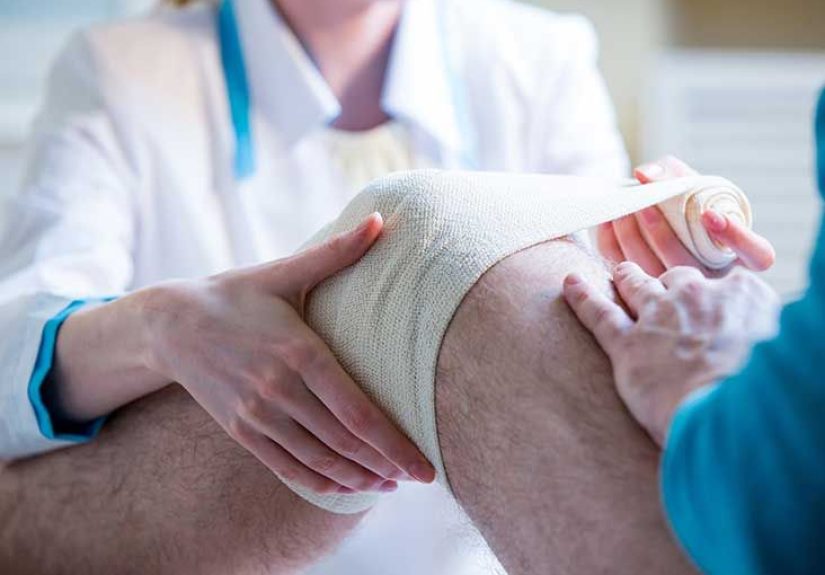
The graft is secured with specialized fixation devices (commonly screws and/or buttons). The surgeon cycles the knee through motion to check stability and graft tension, then closes the incisions and applies a dressingoften with a brace.
Recovery and Rehab: The Part That Actually Determines Your Outcome
The surgery is a single day. Rehab is the full season. Most protocols are criterion-based (you progress when your knee meets goals), not just calendar-based. Your timeline also changes if you have meniscus repair or cartilage procedures.
Early phase (roughly weeks 0–2)
- Control pain and swelling.
- Restore full extension (straightening the knee).
- Begin gentle range-of-motion work and quad activation.
- Use crutches as directed; weight-bearing depends on your surgeon and any additional repairs.
Middle phase (roughly weeks 2–12)
- Normalize walking pattern and gradually reduce support devices.
- Build strength in quads, hamstrings, hips, and core.
- Improve balance and movement mechanics (your knee loves good technique).
Later phase (months 3–6+)
- Progress to higher-level strengthening and conditioning.
- Introduce running and plyometrics when cleared (timing varies).
- Sport-specific drills and cutting/pivoting progressions with testing.
Return-to-sport is often discussed in the 9–12 month range for pivoting sports, and some medical centers recommend waiting closer to a year depending on strength tests, neuromuscular control, and re-injury risk. Your PT may use hop tests, strength testing, and movement assessments to decide when you’re truly readybecause your brain might say “I’m ready,” while your quad says, “Respectfully, no.”
Risks and Complications: The Honest List
ACL reconstruction is generally considered a successful procedure, but it’s still surgery. Understanding risks helps you prepare and spot problems early.
General surgical risks
- Infection (overall risk is low, but it can be serious if it occurs).
- Bleeding or wound issues.
- Blood clots (DVT) in the leg.
- Complications from anesthesia (rare, but possible).
Knee-specific risks
- Stiffness/arthrofibrosis (scar tissue that limits motion, especially if extension isn’t regained early).
- Persistent pain, including front-of-knee pain (more common with certain grafts for some people).
- Numbness around incisions from small nerve irritation.
- Graft failure or re-tear, especially with early return to cutting sports or high-risk mechanics.
- Donor-site issues (if autograft): tenderness, weakness, or kneeling discomfort depending on graft type.
Long-term realities
Even with excellent surgery and rehab, an ACL injury can increase the risk of developing knee osteoarthritis later in lifeespecially if there were associated injuries like meniscus or cartilage damage. Reconstruction can improve stability and function, but it does not erase the fact that the knee experienced a significant injury.
How Successful Is ACL Reconstruction?
Many patients regain stability and return to sports or active work. That said, “success” isn’t only about a stable Lachman test in a clinicit’s also about strength symmetry, confidence, movement quality, and whether your knee behaves during real-life chaos (like stepping off a curb while carrying groceries and pretending gravity isn’t your enemy).
Re-injury can happen, and some people need revision surgery. The risk depends on factors like age, sport, graft type, rehab quality, return-to-sport timing, and biomechanics. This is why the best surgeons often sound like broken records about rehab and return-to-play testingthey’re not nagging; they’re trying to protect your future knee.
Specific Examples: What Decisions Look Like in Real Life
Example 1: The weekend soccer player
If your knee gives way during pivoting, and soccer is your stress relief and social life, reconstruction may be recommended to restore stability for cutting and lateral movement. Your biggest challenge may be avoiding the temptation to “test it out” too earlybecause your graft is not impressed by your competitive spirit.
Example 2: The active hiker who doesn’t pivot
If you mainly hike, cycle, and lift weights (without jumping/pivoting), and you don’t have instability episodes, a high-quality non-surgical rehab program might be reasonable. You may still choose surgery if instability persists or if your knee feels unreliable on uneven terrain.
Example 3: ACL tear plus meniscus injury
Combined injuries often push the recommendation toward surgery, because meniscus preservation matters for long-term joint health. Rehab may also include extra precautions, such as delayed weight-bearing or restricted bending early on, depending on the repair.
Questions to Ask Your Surgeon (So You Leave the Visit With Answers, Not Vibes)
- Do I have other injuries (meniscus/cartilage/other ligaments) that change the plan?
- Which graft do you recommend for my age and activityand why?
- What does my rehab timeline look like with my exact procedure?
- When do you expect me to walk without crutches and drive again?
- What return-to-sport tests do you require before full clearance?
- How do you prevent blood clots and manage post-op pain?
- What symptoms should trigger an urgent call (fever, calf pain, uncontrolled swelling, incision drainage)?
Experiences: What ACL Reconstruction Recovery Really Feels Like (The 500-Word Truth)
People often imagine ACL reconstruction recovery like a movie montage: surgery → one dramatic crutch scene → triumphant slow-motion jog. Real recovery is less montage, more “episodic series,” with plot twists like swelling, sore quads, and the emotional whiplash of feeling great one day and wobbly the next.
The first week is usually about swelling management and basic wins. Many patients describe the knee as feeling huge, stiff, and oddly foreignlike someone swapped it out overnight for a knee from IKEA and left out the instructions. Small victories matter: getting the leg fully straight, doing a clean straight-leg raise, and walking a little more smoothly with crutches. The ice pack becomes your new best friend, and elevation feels like a part-time job.
Weeks two through six can be surprisingly emotional. You may be off heavy pain meds and thinking, “I’m fine!”right before PT reminds you that your quad is still on vacation. This is when patients often learn the difference between working hard and doing too much. Push too aggressively and swelling flares up. Do too little and stiffness creeps in. The sweet spot is consistent, boring, repeatable effort. (Boring is good. Boring means progress.)
By two to three months, a lot of people report feeling more “normal” in daily lifewalking without limping, taking stairs with more confidence, and building real strength. But the big mental trap here is thinking daily-life normal equals sport-ready. Many patients say this stage is when patience is hardest, because you can finally do more… but you’re still not cleared to do the fun stuff. The graft is healing and adapting, and your neuromuscular control (how your brain and muscles coordinate) still needs time to catch up.
Around months four to six, some people start running progressions or higher-level drills if they meet strength and movement criteria. This is where the rehab feels athletic again. It’s also where comparisons can get toxic. Someone on social media might be dunking a basketball at six months. Meanwhile you’re celebrating a clean single-leg squat without knee wobble. Both can be “right,” because recovery depends on the surgery details, your baseline fitness, associated injuries, and how your knee responds. The healthiest mindset most patients describe is focusing on your tests, your swelling, and your formnot someone else’s highlight reel.
The final stretchreturn to cutting sportsoften has a confidence component. Many patients say the knee feels strong, but their brain still remembers the moment it popped. Gradual exposure helps: controlled drills, supervised practice, and clear return-to-play criteria. The most common “aha” moment people describe is realizing that rehab isn’t just rebuilding a ligamentit’s rebuilding trust in your body.
If there’s one recurring theme from patient experiences, it’s this: the people who do best don’t rush. They show up consistently, communicate with their PT and surgeon, and treat recovery like trainingprogressive, measured, and a little humble. Your knee doesn’t need perfection. It needs steady, intelligent effort.
Conclusion
ACL reconstruction can restore stability and help many people return to the activities they love, but it’s not a “quick fix.” The purpose is clearrebuild a stable kneebut the procedure is only the opening act. Rehab, movement quality, and smart timing are what shape the ending. If you’re considering ACL reconstruction, focus on the decision points that matter most: your activity goals, your graft options, your rehab plan, and how you’ll measure readiness before returning to sport. Your future knee will thank you.