Table of Contents >> Show >> Hide
- Who Is Alison Sweeney, and Why Do Her House Rules Feel So Relatable?
- The Number One Rule: Shoes Off at the Door
- Make Yourself at Home: The Rule Behind All the Rules
- Food, Drinks, and the Art of Casual Abundance
- Lighting, Music, and the Soft Science of Atmosphere
- Family Photos, Rescue Dogs, and What Makes a House Feel Like Home
- Alison Sweeney’s Design Style: Traditional, Colorful, and Cozy
- How Her Career Shapes Her Home Habits
- What We Can Learn from Alison Sweeney’s House Rules
- Practical Tips for Creating Your Own Sweeney-Inspired Shoes-Off Home
- Conclusion: The Best House Rule Is Thoughtfulness
- Experience Notes: Hosting Lessons Inspired by Alison Sweeney’s House Rules
Note: This original article is written for web publication and synthesizes publicly available information about Alison Sweeney’s home style, hosting habits, career, and the growing shoes-off-at-home trend.
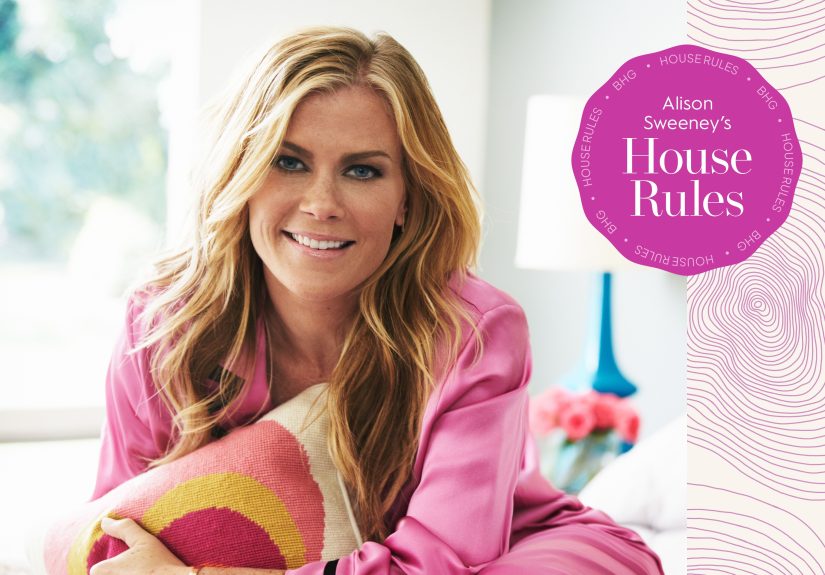
Some homes greet you with a formal foyer, a crystal chandelier, and a silent warning not to breathe too enthusiastically near the throw pillows. Alison Sweeney’s house, at least based on the hospitality style she has shared publicly, sounds like the opposite. It is warm, flexible, family-centered, dog-approved, and designed to make guests feel like they can exhale. There is just one little rule standing between you and total comfort: please remove your shoes first.
That single request says a lot. Sweeney, known to millions for Days of Our Lives, The Biggest Loser, and her Hallmark mystery and romance projects, has built a public image around energy, discipline, humor, and approachability. Her home rules follow the same formula. They are practical but not fussy. They are clean but not cold. They are organized but not uptight. In short, the Alison Sweeney house rules are less about controlling guests and more about creating a place where people can relax without tracking the outside world across the rugs.
Who Is Alison Sweeney, and Why Do Her House Rules Feel So Relatable?
Alison Sweeney has spent most of her life around cameras, scripts, sets, and production schedules. She began acting as a child, became widely recognized as Sami Brady on Days of Our Lives, later hosted The Biggest Loser, and has become a familiar face on Hallmark through the Hannah Swensen Mysteries, Chronicle Mysteries, The Wedding Veil movies, and newer romantic projects. She is also a producer, director, author, and screenwriter, which means she understands the difference between a space that looks good for a camera and a space that actually works for real life.
That matters because her home philosophy does not sound like a celebrity fantasy. It sounds like the kind of house many people want: colorful, comfortable, stocked for guests, full of family photos, softened with candles and low lighting, and protected from the mysterious substances clinging to the bottom of everyone’s shoes. Glamour may get you onto a red carpet, but slippers are what get you through a long weekend with friends.
The Number One Rule: Shoes Off at the Door
Sweeney’s most memorable house rule is simple: take off your shoes when you come inside. The reason is refreshingly down-to-earth. She and her daughter spend time around horses, so outdoor shoes are not exactly innocent little fashion accessories. They may have lived a full adventure before reaching the entryway. In a household with pets, kids, guests, gardens, and stable visits, shoes can become tiny delivery trucks for dirt, dust, pollen, and things no one wants to identify during appetizers.
The no-shoes rule is also part of a larger home trend. More households are creating entryway systems with baskets, benches, racks, slippers, or indoor sandals. The point is not to embarrass guests; it is to make the transition easy. A friendly sign, a visible shoe tray, and a few cozy sock options can say, “Welcome in,” without making anyone feel as though they have failed an etiquette exam.
Why a Shoes-Off Policy Makes Sense
There are practical benefits to removing shoes indoors. Shoes can carry bacteria and grime from sidewalks, public restrooms, parking lots, yards, and trails. They can also bring in allergens such as pollen, which may irritate guests or family members with allergies. For homes with hardwood floors, patterned rugs, upholstered furniture, or crawling children, a shoes-off policy can help reduce cleaning time and protect surfaces from scratches and stains.
But the best argument may be emotional. Taking off your shoes is a signal that you are done performing for the outside world. You are home now. You can relax your shoulders, pour a drink, laugh in the kitchen, and stop pretending that hard-soled boots are comfortable after 7 p.m.
Make Yourself at Home: The Rule Behind All the Rules
Here is the charming twist: aside from the shoe rule, Sweeney’s hosting approach seems intentionally low-pressure. Her goal is for guests to feel at home rather than to tiptoe around a museum disguised as a living room. That is an important distinction. A beautiful home can still feel stiff if every object looks too precious to touch. A welcoming home, by contrast, invites people to settle in.
For Sweeney, that comfort shows up in small, specific choices. Guests can wake up early and make coffee. Breakfast items are available. Creamer preferences are considered. Lighting is soft rather than harsh. Music is chosen with company in mind. The kitchen and living spaces feel prepared, but not staged. It is hospitality with planning behind it, yet it never seems to shout, “Look how much planning I did!”
The Coffee Machine Test
One of the most underrated guest comforts is being shown how to use the coffee machine. This sounds minor until you are standing in someone else’s kitchen at 6:12 a.m., silently negotiating with a chrome machine that has more buttons than a spaceship. A truly thoughtful host prevents that awkward moment. They say, “Here is the coffee, here are the mugs, here is the creamer, and here is the button that will not summon the fire department.”
That kind of hosting is not about perfection. It is about removing friction. The easier it is for guests to take care of small needs, the more relaxed everyone becomes.
Food, Drinks, and the Art of Casual Abundance
Sweeney’s entertaining style includes the kind of food that makes people linger. For family comfort, she has mentioned chicken tortilla soupa warm, customizable meal with toppings such as cheese, avocado, cilantro, tortilla strips, and jalapeños. For guests, the menu can become more celebratory: grilled steaks, popovers, twice-baked potatoes, salad, and a well-stocked bar. That combination says, “We made an effort,” but not, “Please admire this foam reduction before it collapses.”
Food is one of the easiest ways to make a house feel generous. A pot of soup can create comfort. A grilled dinner can turn an ordinary evening into an occasion. A stocked drink area allows guests to choose what they enjoy. The magic is not in serving the fanciest thing possible; it is in serving food that fits the mood, the people, and the pace of the evening.
Why Wine Works as a Guest Gift
Sweeney has also spoken about appreciating wine as a host gift, especially wine with a story. That is a useful lesson for anyone wondering what to bring. A bottle of wine, a local jam, flowers from a market, or a dessert from a favorite bakery all work because they carry a little personality. The best host gifts do not need to be expensive. They simply say, “I am happy to be here, and I did not arrive empty-handed like a charming raccoon.”
Lighting, Music, and the Soft Science of Atmosphere
One of Sweeney’s strongest hosting instincts is scene-setting. Speakers, playlists, candles, and low lighting can transform a room faster than new furniture. Harsh overhead lighting tends to make everyone feel like they are being interviewed for a dental procedure. Softer lamps and candles, including battery-powered options, make a gathering feel warmer and more forgiving.
Music works the same way. A playlist tailored to the guests can make the evening feel personal. It fills awkward pauses, nudges the mood, and gives people something to smile about before the first plate hits the table. The right music says, “We thought about you,” which is really the heart of good hosting.
Family Photos, Rescue Dogs, and What Makes a House Feel Like Home
Sweeney’s home style includes family photographs throughout the house, and that detail matters. Photos tell guests that this is not just a decorated space; it is a lived-in story. Vacation snapshots, silly kid faces, family memories, and framed moments bring warmth that no catalog can fake.
Then there are the dogs. Sweeney has shared that her rescue dogs are a major part of what makes the house feel like home. Anyone who has ever been greeted by a wildly enthusiastic dog understands this completely. Dogs do not care whether the drapes coordinate with the rug. They care that you have arrived, and they are prepared to celebrate this development as if you just returned from a ten-year voyage.
Alison Sweeney’s Design Style: Traditional, Colorful, and Cozy
Sweeney has described her home style as leaning traditional and Colonial-inspired, with a preference for classic warmth over stark modern minimalism. She likes patterns, fabrics, drapes, curtains, throw blankets, rugs, and color. In other words, this is not a home trying to win an award for “Most Beige Surface Area.” It is a home that uses texture and personality to make rooms feel inviting.
That design direction fits her hosting philosophy. Traditional pieces can create structure, while color and pattern add joy. Drapes soften windows. Rugs define gathering areas. Throws make people comfortable. Family photos keep the house from feeling impersonal. The result is a home that can welcome guests without losing its own identity.
The Rose Garden Effect
After moving from Los Angeles to Arizona with her family, Sweeney discovered a new connection to gardening through a rose garden that came with the home. Maintaining it became more than a chore; it became a rewarding ritual. A rose garden adds beauty, but it also adds rhythm. Plants require attention, patience, timing, and faith that today’s pruning will become tomorrow’s bloom.
That gardening mindset mirrors good hosting. You prepare, you care, you adjust, and then you let people enjoy the results. Also, fresh roses in a vase are hard to beat. They are nature’s way of saying, “Yes, this table has its life together.”
How Her Career Shapes Her Home Habits
Because Sweeney often travels for work, including Hallmark productions, she has developed ways to make temporary spaces feel personal. Bringing family photos to a filming location is a simple but powerful habit. It turns a rental or hotel room into a small emotional anchor. For someone who spends time moving between sets, airports, and production schedules, home is not only a place. It is also a collection of reminders.
That experience may explain why her own house rules are so guest-focused. When you know what it feels like to be away from home, you become better at helping other people feel comfortable in yours.
What We Can Learn from Alison Sweeney’s House Rules
The beauty of Alison Sweeney’s house rules is that they are easy to adapt. You do not need a celebrity career, a Hallmark filmography, or a rose garden to borrow the best ideas. You can create a shoe station by the door. You can provide slippers or clean socks. You can lower the lights before guests arrive. You can ask about coffee preferences. You can play music that fits the people coming over. You can put a few family photos where guests can see them. You can make one dependable dish really well.
The bigger lesson is that hospitality is not a performance. It is a feeling. Guests remember whether they were comfortable, whether they were fed, whether they knew where the bathroom was, whether the dog liked them, and whether they could get coffee without needing a user manual.
Practical Tips for Creating Your Own Sweeney-Inspired Shoes-Off Home
1. Make the Rule Visible, Not Awkward
Place a shoe rack, basket, or tray near the door. Guests usually understand the rule when the setup is obvious. A small sign can help, but keep the tone friendly. “Shoes off, cozy on” works better than “Contaminated footwear forbidden beyond this point,” unless your goal is to host dinner inside a laboratory.
2. Offer Comfort
If you ask guests to remove shoes, provide a comfortable alternative. Slippers, clean socks, or indoor sandals make the request feel thoughtful. A bench or chair near the entryway is especially helpful for guests who need to sit while removing shoes.
3. Prepare the Morning After
For overnight guests, show them where to find coffee, water, breakfast basics, towels, and phone chargers. A relaxed morning can make the entire visit feel smoother.
4. Keep the Menu Generous but Manageable
Choose food that lets you enjoy your guests instead of disappearing into the kitchen like a stressed magician. Soup, grilled mains, baked potatoes, salads, and make-ahead sides are all excellent options.
5. Use Atmosphere as a Hosting Tool
Before guests arrive, adjust lighting, start music, clear surfaces, and light candles if appropriate. These small moves create a warm first impression without requiring a full home makeover.
Conclusion: The Best House Rule Is Thoughtfulness
Alison Sweeney’s house rules are appealing because they balance cleanliness and comfort. The shoes come off, but the welcome stays wide open. Guests are cared for, not controlled. The food is hearty, the lighting is soft, the dogs are part of the greeting committee, and the home itself reflects family, color, tradition, and real life.
In a world where entertaining can easily become overproduced, Sweeney’s approach is refreshingly human. Make people feel at home. Give them good food. Let them choose their coffee. Keep the floors clean. Add music. Add candles. Add roses if you have them. And yes, politely ask everyone to leave their shoes at the door. The floors will thank you, the rugs will survive, and your guests might even feel more relaxed the moment they step inside.
Experience Notes: Hosting Lessons Inspired by Alison Sweeney’s House Rules
The most useful hosting lesson I have learned is that guests rarely need perfection, but they always notice ease. A home can be spotless and still feel uncomfortable if people are afraid to move. On the other hand, a home with a few books on the table, a dog toy in the corner, and a pot of something warm on the stove can feel instantly welcoming. That is why Alison Sweeney’s house rules feel so practical. They are not about impressing guests into silence. They are about helping people settle in.
A shoes-off rule works best when it is treated as part of the welcome, not as a scolding. I have seen hosts make it effortless by placing a sturdy mat outside, a shoe tray inside, and a small basket of clean slippers near the door. No speech required. Guests walk in, see the setup, and understand. The whole process feels normal, even cozy. It also prevents the classic entryway pileup where one person is hopping on one foot, another is holding a casserole, and someone’s left boot has started a new life under the console table.
Another experience that fits Sweeney’s style is the power of a self-serve breakfast station. Overnight guests often wake up at different times, and nobody wants to knock on a bedroom door to ask where the coffee filters are. Setting out mugs, coffee, tea, fruit, muffins, water glasses, and a note about the coffee maker can make visitors feel independent and cared for. It is a tiny hotel moment inside a family home, minus the mysterious hallway ice machine.
Lighting also changes everything. I once attended a dinner where the host turned off the overhead lights, switched on two lamps, lit a candle, and started a mellow playlist before guests arrived. Nothing else in the room changed, but suddenly the space felt intentional. People stayed longer, talked more easily, and somehow even the salad looked more sophisticated. Soft lighting is basically hospitality’s favorite filter.
The final lesson is to let the house show who lives there. Family photos, travel souvenirs, garden flowers, favorite blankets, and pet beds make a space memorable. Guests do not need a showroom. They need signs of life. That is the charm of Sweeney’s approach: it makes room for real people, real routines, and real comfort. Remove your shoes, grab a drink, pet the dog if invited, and make yourself at home. That is a rule worth borrowing.