Table of Contents >> Show >> Hide
- Why These Breakfast Cookies Work
- Almond Butter, Fruit, and Oat Breakfast Cookies Recipe
- Texture Tips for the Best Oat Breakfast Cookies
- Ingredient Swaps and Variations
- Why Oats, Fruit, and Almond Butter Make a Smart Breakfast Combo
- Storage, Freezing, and Meal Prep
- Common Mistakes and How to Fix Them
- Serving Ideas
- Real-World Baking Experiences and What They Teach You
- Conclusion
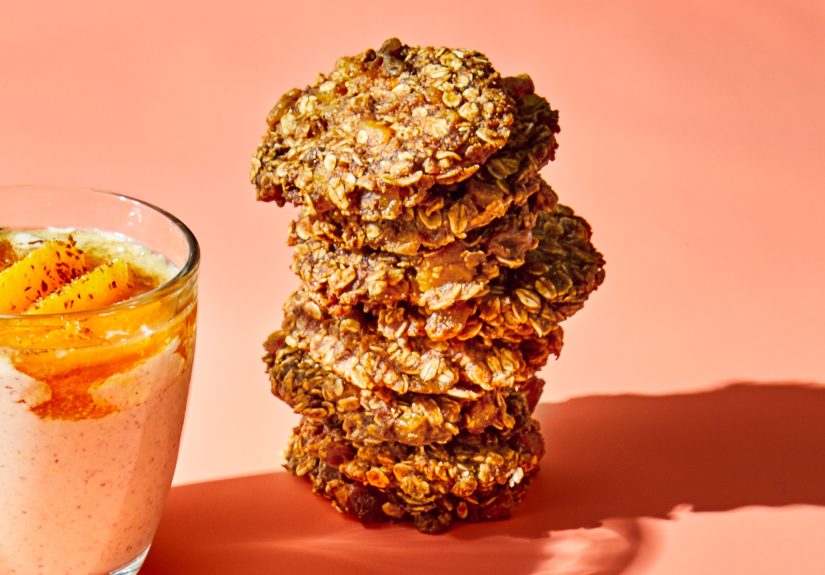
If breakfast and a cookie had a very responsible, meal-prep-loving child, this would be it. These almond butter, fruit, and oat breakfast cookies deliver the cozy flavor of a bakery treat while leaning on hearty oats, nut butter, dried fruit, and warm spices. They’re portable, freezer-friendly, and sturdy enough to survive a busy morning commute (or a dramatic backpack toss).
This recipe guide is inspired by the best parts of popular American breakfast cookie formulas: chewy rolled oats, fruit for natural sweetness, almond butter for richness, and a thick dough that gets flattened before baking. The result is a satisfying grab-and-go cookie that tastes like a smart decision.
Why These Breakfast Cookies Work
Breakfast cookies can be great when they’re built like actual food instead of disguised candy. Oats create the structure and chew, almond butter adds richness and staying power, and dried fruit brings sweetness and texture without relying on a mountain of refined sugar. Applesauce and molasses help the dough stay moist and flavorful, while spices make the whole kitchen smell like you have your life together.
Oats also make these cookies more filling than standard cookies. As a whole grain, they contribute fiber and important nutrients, and they pair especially well with fruit and nut butter in a breakfast-friendly format. In other words: this is not a “one bite and immediate regret” cookie.
Almond Butter, Fruit, and Oat Breakfast Cookies Recipe
Yield and Time
- Yield: 12 large breakfast cookies
- Prep time: 15 minutes
- Bake time: 12–15 minutes
- Total time: About 45 minutes
Ingredients
- 3/4 cup unsweetened applesauce
- 1/2 cup almond butter (creamy) or peanut butter
- 2 large eggs
- 1/4 cup molasses
- 3 cups regular rolled oats
- 1/2 cup whole wheat flour
- 1/4 cup toasted wheat germ
- 1 1/2 teaspoons ground cinnamon
- 1 teaspoon kosher salt
- 1/2 teaspoon ground allspice
- 1/2 cup golden raisins or dried cranberries
- 1/2 cup chopped dried apricots
Instructions
- Preheat and prep: Heat your oven to 350°F. Line a large baking sheet with parchment paper (or use a silicone baking mat).
- Mix the wet ingredients: In a medium bowl, stir together the applesauce, almond butter, eggs, and molasses until smooth.
- Mix the dry ingredients: In a large bowl, combine the rolled oats, whole wheat flour, wheat germ, cinnamon, kosher salt, and allspice.
- Make the dough: Add the dry mixture to the wet mixture and stir (or use a mixer on medium speed) until combined. Fold in the dried fruit. Let the dough rest for 10 minutes; it will thicken.
- Scoop and shape: Scoop 12 mounds of dough (about 1/4 cup each) onto the prepared baking sheet, spacing them about 3 inches apart. Flatten each mound into a round about 3 inches wide.
- Bake: Bake for 12 to 15 minutes, until the surface looks dry and the edges are set.
- Cool: Let the cookies cool on the baking sheet for 5 minutes, then transfer to a wire rack to cool completely.
Texture Tips for the Best Oat Breakfast Cookies
1) Use rolled oats for chew
Rolled oats are the sweet spot for a chewy breakfast cookie. Quick oats can work in a pinch, but the cookies tend to turn out a little denser and drier. If you want a more hearty bite, rolled oats are your best friend.
2) Flatten the dough before baking
Breakfast cookie dough is usually thick and doesn’t spread much. Several tested recipes use the same trick: scoop, then flatten slightly before baking. This gives you a proper cookie shape instead of a muffin top that got lost.
3) Don’t skip parchment paper
Parchment helps with even baking, easier cleanup, and better cookie shape. It also reduces sticking and makes transferring softer cookies much less dramatic. If you bake cookies often, parchment earns its drawer space.
4) Let them cool on the pan first
These cookies continue to set as they cool. Pulling them off the pan too early can lead to crumbly edges or the dreaded “half-cookie-left-behind” situation. Give them a few minutes before moving them to a rack.
Ingredient Swaps and Variations
Nut butter options
Almond butter gives a mellow, lightly nutty flavor, but peanut butter works beautifully and is often more affordable. Sunflower seed butter is a solid nut-free swap if you’re baking for a school-friendly snack batch.
Fruit options
Dried cranberries, raisins, and apricots are excellent, but you can also use chopped dates, dried cherries, blueberries, figs, or pears. A mix of two fruits usually tastes more interesting than one. Think of it as your “clean out the pantry” moment, but with purpose.
Boosters for extra nutrition
Many breakfast cookie recipes also include flaxseed, chia seeds, pumpkin seeds, or chopped walnuts for more texture and staying power. Start with 2 to 4 tablespoons if you’re experimenting, so the dough doesn’t get too dry.
Sweetness and flavor tweaks
This version uses molasses for deep flavor, but you can also use honey or maple syrup in similar breakfast-cookie formulas. Add a pinch of nutmeg, cardamom, or ginger if you want a warmer spice profile. Orange zest is also surprisingly good here.
Why Oats, Fruit, and Almond Butter Make a Smart Breakfast Combo
Oats are a strong breakfast base because they’re a whole grain and provide fiber and key nutrients, including B vitamins and minerals. That fiber helps with fullness, and it’s one reason oat-based breakfasts tend to feel more satisfying than highly refined pastries.
Oatmeal and oat bran are also well known for soluble fiber, which can help lower LDL (“bad”) cholesterol as part of an overall heart-healthy diet. Pairing oats with fruit increases fiber even more, and almond butter adds fat and a little protein, which helps make these cookies feel more like breakfast and less like dessert cosplay.
Dried fruit also brings convenience: it’s shelf-stable, easy to chop, and naturally sweet. That means you can keep ingredients on hand and mix a batch without a special grocery run, which is ideal for busy weeks.
Storage, Freezing, and Meal Prep
Short-term storage
Once the cookies are fully cool, layer them with wax paper or parchment in an airtight container. Because breakfast cookies often contain fruit puree and moist mix-ins, they’re best treated as a softer baked good. Refrigeration helps keep texture and freshness more consistent.
Freezer storage
These cookies freeze very well. Place cooled cookies in an airtight freezer-safe container or zip-top bag with parchment between layers. Thaw at room temperature, or warm one briefly in the microwave for a just-baked feel. (That is the breakfast equivalent of finding money in your coat pocket.)
Dried fruit storage tip
To keep your dried fruit in good shape for future batches, store it in a cool, dry, dark place in well-sealed containers. Heat and moisture shorten shelf life and can affect texture, which matters more than people think when you want a chewy cookie instead of mystery pebbles.
Common Mistakes and How to Fix Them
Problem: The cookies are dry
This usually happens when quick oats are used, the dough is overmixed, or the cookies are overbaked. Next time, use rolled oats, pull them when the edges are set, and remember they continue to firm up while cooling.
Problem: The dough feels too thick
Thick is normal for breakfast cookies. If it feels unworkably stiff, your almond butter may be extra thick. Stir in 1 to 2 tablespoons of applesauce or water to loosen it slightly.
Problem: The cookies don’t spread
Good news: they’re not supposed to spread much. Flatten the dough before baking so they come out in a proper cookie shape. That’s a feature, not a bug.
Problem: The bottoms are overbrowning
Use parchment or a silicone mat, and check your oven temperature with an oven thermometer if you suspect it runs hot. Lining your pan can make a noticeable difference in cookie spread and browning.
Serving Ideas
- With plain Greek yogurt and fresh berries for a balanced breakfast plate
- With coffee for weekday mornings when time is not on your side
- Crumbled over yogurt parfaits for a granola-cookie hybrid moment
- Packed in lunchboxes as a better-than-vending-machine snack
- Warmed and topped with a spoonful of almond butter for a post-workout bite
Real-World Baking Experiences and What They Teach You
One of the most useful things about almond butter, fruit, and oat breakfast cookies is how forgiving they are in real kitchens. Not test kitchens with spotless counters and six identical mixing bowlsreal kitchens, where someone can’t find the measuring cup and the oats are somehow in the wrong cabinet again.
A common experience is making these on a Sunday night “just for the week,” then realizing half the batch disappeared before Monday morning. That usually happens because the cookies smell like cinnamon and toasted oats while they cool, and suddenly everyone in the house becomes a breakfast researcher. This is why doubling the batch is not overachieving. It is planning.
Another experience many home bakers report: the dough looks too thick, and panic sets in. But that thick dough is exactly what makes breakfast cookies reliable. It scoops cleanly, holds mix-ins well, and bakes into a hearty texture. Once you learn that thick is normal, the whole recipe feels easier. You stop fighting the dough and start shaping it.
There’s also the “I used what I had” version, which is honestly where this recipe shines. Maybe the apricots become dates. Maybe the raisins become dried cherries. Maybe almond butter gets swapped for peanut butter because that’s what’s open. As long as the base ratio stays closeoats, nut butter, fruit puree, eggs, and a little flouryou still get a good result. That flexibility makes this recipe especially practical for busy households and budget-conscious meal prep.
Texture is another learning moment. First-time bakers often expect cookie dough to spread on its own, like a classic chocolate chip cookie. Breakfast cookies usually don’t. Once you start flattening them before they go into the oven, they bake more evenly and look much better. It’s a tiny step, but it changes the final result from “healthy blob” to “I would absolutely eat that with coffee.”
Storage brings its own lessons, too. If you stack the cookies while they’re still warm, trapped steam can make them soggy. If you cool them completely and layer them with parchment, they stay much nicer. Freezing a few in small portions is also a game changer. Future-you gets breakfast in 30 seconds, and present-you feels weirdly accomplished.
The biggest experience-based takeaway is this: these cookies are less about perfection and more about consistency. They’re the kind of recipe that fits real lifeschool mornings, work mornings, road trips, and snack emergencies. Once you bake them a couple of times, you stop needing the recipe as strict instructions and start using it as a framework. That’s when a good recipe becomes a keeper.
Conclusion
Almond butter, fruit, and oat breakfast cookies are the kind of recipe that checks all the boxes: easy, satisfying, customizable, and genuinely useful for busy mornings. They combine whole-grain oats, nut butter, and dried fruit into a chewy cookie that feels like a treat but works like a meal-prep tool. Make one batch, freeze half, and enjoy the rare feeling of being prepared before 8 a.m.