Table of Contents >> Show >> Hide
- The Short Answer: Yes, Cicadas Can Be Safe to Eat
- Who Should Not Eat Cicadas?
- Why People Eat Cicadas in the First Place
- How to Collect Cicadas More Safely
- How to Prepare and Cook Cicadas Safely
- What Do Cicadas Taste Like?
- Are Cicadas Nutritious?
- Common Questions About Eating Cicadas
- Experiences With Eating Cicadas: What It’s Really Like
- Final Verdict
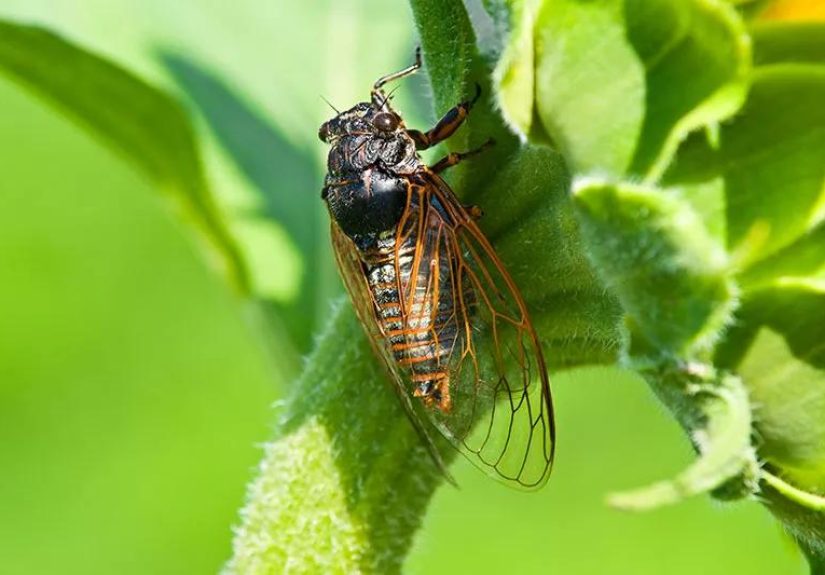
When cicadas show up, they do not exactly make a subtle entrance. They scream from the trees, leave crunchy little shells on trunks, and somehow turn every backyard into a nature documentary with worse sound design. Naturally, once people finish asking, “Why are they so loud?” the next question arrives right on schedule: “Can you eat these things?”
The answer is surprisingly simple: yes, cicadas can be safe to eat for many people. But that “yes” comes with some fine print, and not the boring kind you ignore on a software update. The real issue is not whether cicadas are technically edible. They are. The issue is whether they were collected from a clean place, prepared safely, and eaten by someone who is actually a good candidate to eat them.
In other words, cicadas are not forbidden sky shrimp. But they are also not popcorn you should scoop off the nearest tree and toss into a frying pan without thinking. If you are curious about edible insects, this guide breaks down the risks, benefits, safety tips, taste, nutrition, and what the experience is really like.
The Short Answer: Yes, Cicadas Can Be Safe to Eat
For most healthy adults, cicadas are considered edible and can be prepared in several ways, from sautéing and roasting to frying and boiling. Around the world, insect eating is not some weird stunt for social media. It is a long-standing food tradition. Cicadas, like other edible insects, offer protein and are often described as a sustainable food source.
That said, “edible” does not mean “risk-free.” Wild foods always come with context. Mushrooms can be edible and still send the wrong forager into a regrettable evening. Cicadas are much easier to identify than mushrooms, but they still require some common sense.
If you want the cleanest version of the truth, here it is: cicadas are generally safe to eat if you collect the right ones, avoid contaminated areas, cook them properly, and do not have certain allergies or health concerns.
Who Should Not Eat Cicadas?
People with shellfish allergies
This is the biggest warning, and it is not optional. Cicadas are arthropods, just like shrimp, lobster, and crab. Experts frequently warn that people with shellfish allergies may react to cicadas because of similar proteins, especially tropomyosin. If shrimp already makes your immune system throw a tantrum, cicadas are not your fun seasonal loophole.
The good news is that simply being around cicadas is not the same as eating them. Seeing the shells in your yard or touching a shed exoskeleton is not what raises the main concern. Ingestion is the issue. So if you have a shellfish allergy, admire the insects from a respectful distance and let someone else play culinary daredevil.
People who are pregnant, breastfeeding, or feeding young children
Some experts advise pregnant or breastfeeding people and young children to skip cicadas, mainly out of caution. Why? Because wild insects may carry trace environmental contaminants, and there is no prize for being the first person to explain to a pediatrician that your toddler had artisanal backyard cicada fritters.
Anyone with a history of gout
Some dietitians also caution people who are prone to gout. Insects can contain compounds that may contribute to flare-ups in sensitive individuals. So if your joints already have strong opinions, cicadas may not be the most diplomatic menu choice.
People with dust mite sensitivities or unusual insect allergies
There is also some caution around cross-reactivity involving other arthropods and related allergens. That does not mean everyone with seasonal sniffles needs to panic. It does mean that if you have a known history of reacting to insects or similar allergens, checking with an allergist before trying cicadas is the smartest move in the room.
Why People Eat Cicadas in the First Place
Let’s address the obvious question: why would anyone willingly eat something that sounds like a broken smoke alarm with wings?
There are actually a few solid reasons.
1. They are a source of protein
Cicadas and other edible insects are often described as high in protein and relatively low in fat. They also contain minerals and, depending on the species and stage, can offer a respectable nutrient profile.
2. They are part of a real food tradition
Eating insects, also called entomophagy, has deep cultural roots in many parts of the world. Cicadas specifically have been eaten in different societies for centuries. So while the idea may feel unusual in the United States, it is hardly new or absurd. It just has not yet received the same rebranding miracle as kale chips.
3. They are abundant during emergence years
When brood years hit, cicadas arrive in such huge numbers that people naturally start asking whether some of them can be treated as food. The answer, again, is yes, with care. Their abundance is part of what makes them appealing to adventurous home cooks and chefs.
4. People say they actually taste pretty good
Descriptions vary, but many people compare cicadas to shrimp, soft-shell crab, asparagus, or something nutty and mild. That range sounds chaotic, but the pattern is consistent: most people do not say they taste disgusting. They say they taste better than expected, which is honestly one of the highest compliments any bug can hope for.
How to Collect Cicadas More Safely
If you are going to eat cicadas, where you collect them matters almost as much as how you cook them.
Choose clean locations
Do not collect cicadas from lawns that have been treated with pesticides, herbicides, or fertilizers. Avoid well-manicured suburban yards if you do not know what has been sprayed there. Also think twice about areas near farms, heavy construction, or older buildings where environmental contamination could be a concern.
A better choice is a more natural, wooded area with minimal chemical treatment. Wild does not automatically mean perfect, but it is generally a better starting point than a golf-course-looking lawn that smells faintly of weed killer.
Go for newly molted cicadas
Many experts prefer soft, newly emerged cicadas, often called teneral cicadas. These are the pale, freshly molted ones that have just come out of their nymphal shell. They are softer, more tender, and usually considered the best choice for cooking.
Older adults have a tougher exoskeleton and may be less pleasant to eat. You can still prepare them, but they tend to be crunchier and require a bit more trimming and patience. Think of it as the difference between tender greens and trying to sauté a patio chair.
Avoid damaged or sick-looking insects
Do not collect dead cicadas that have been lying around. Also avoid any cicada that looks diseased, especially if the abdomen is missing and replaced by a white, chalky mass. Some parasitic fungal infections can affect adult cicadas, and that is not the kind of seasoning anyone needs.
How to Prepare and Cook Cicadas Safely
Once collected, cicadas should be handled like any other perishable food. This is not the moment to become “rustic” about food safety.
Step 1: Freeze them first
Many preparation guides recommend freezing cicadas first. This humanely kills them and also makes them easier to handle. If you are squeamish, this step is your friend. It turns the process from “nature encounter” into “ingredient management.”
Step 2: Clean and trim
Many cooks remove the wings and sometimes the legs. The wings and tougher outer parts can be unpleasant to eat, and trimming them improves texture. Some people also remove the head. This is not glamour cooking, but it is effective cooking.
Step 3: Blanch or cook thoroughly
Boiling or blanching cicadas briefly before the final cooking method is a common recommendation. After that, you can sauté, roast, grill, or fry them. Cooking thoroughly helps reduce food safety risks and generally improves flavor and texture.
Could someone somewhere eat cicadas prepared in a more daring way? Sure. But if you are trying them at home, fully cooked is the safest lane to stay in.
Step 4: Do not overeat
Even if you tolerate them well, moderation is a good idea. A very large amount of insect exoskeleton can be irritating to the digestive tract for some people. So maybe do not make cicadas the only item on your tasting menu.
What Do Cicadas Taste Like?
This is where things get fun, because cicada taste descriptions are all over the map in the best possible way. Some people say they taste like shrimp. Others get notes of asparagus, nuts, or soft-shell crab. Newly molted cicadas tend to be milder and softer, which is why they are often considered the premium version.
The flavor also depends heavily on preparation. Fried cicadas with seasoning can lean savory and crunchy. Sautéed cicadas with lemon and olive oil can taste more delicate. Toss them into tacos, tempura, or stir-fry, and the result often lands somewhere between novelty and surprisingly solid weeknight experiment.
So no, they do not taste like chicken in the lazy, everything-tastes-like-chicken way people say about unusual foods. Cicadas usually get compared to seafood or green vegetables with a nutty edge. That may sound odd, but odd does not mean bad. It just means your dinner conversation will finally be interesting.
Are Cicadas Nutritious?
Generally speaking, yes. Cicadas are often described as high in protein and low in fat, with a nutrient profile that fits the broader reputation of edible insects as efficient food sources. They are not magic beans and should not be marketed like a miracle supplement from a suspicious corner of the internet. But they are a legitimate source of nutrition.
Edible insects also get attention for sustainability. Compared with traditional livestock, insects are often discussed as requiring fewer resources to produce. Of course, wild-harvested cicadas are not about to replace your grocery store meat aisle next Tuesday, but they do fit into the larger conversation about alternative proteins and more environmentally conscious eating.
Common Questions About Eating Cicadas
Are cicadas poisonous?
No, cicadas are not considered poisonous to people. The bigger risks come from allergies, contamination, and poor handling rather than venom or built-in toxicity.
Can you eat cicadas raw?
Home cooks should not treat raw cicadas as a good idea. Cooking them thoroughly is the more sensible and food-safe choice.
Can pets eat cicadas?
A pet that eats one or two is usually more annoying than alarming, but eating too many can upset the stomach. This article is about humans, though, so let’s not let your Labrador become your recipe tester.
What is the safest cicada to eat?
Freshly molted, soft-bodied cicadas collected from unsprayed, low-contamination areas are typically the preferred choice.
Should you eat cicadas from your backyard?
Only if you are confident the area has not been treated with chemicals and is not exposed to other obvious contaminants. If you are not sure what has been sprayed there over the years, the safest answer is no.
Experiences With Eating Cicadas: What It’s Really Like
For many people, the experience of eating cicadas begins long before the first bite. It starts with hesitation. You hear them first, then notice them on tree trunks, then see someone online making cicada tacos with suspicious confidence. At that point, curiosity kicks in. The emotional arc is usually the same: disbelief, mild horror, cautious interest, and then an oddly practical question about seasoning.
People who try cicadas for the first time often say the hardest part is mental, not culinary. The idea of eating an insect feels bigger than the act itself. Once the cicadas are cleaned, cooked, and plated, they stop looking like random yard wildlife and start looking more like a crunchy appetizer. That shift matters. A sauté pan is sometimes the shortest route between “absolutely not” and “okay, maybe one.”
The collection process can also shape the experience. Catching newly molted cicadas at dawn, when they are pale and soft, feels strangely calm and almost scientific. It is less like hunting and more like gathering a seasonal ingredient that happens to arrive wearing a tiny exoskeleton. People who go this route often describe it as part nature walk, part kitchen experiment, and part story they already know they will tell at dinner parties for years.
Then comes the smell and sound of cooking. Once cicadas hit hot oil or a skillet, the mood tends to change from bug anxiety to actual food anticipation. Garlic, butter, chili flakes, lemon, or Old Bay have a magical ability to convince the human brain that everything is under control. Suddenly the cicadas smell savory instead of symbolic.
The texture is where first-timers tend to pay the most attention. Soft-bodied cicadas can be tender with a light crispness, while older adults are firmer and crunchier. Many people are surprised that the taste is mild rather than overpowering. Instead of some dramatic “wild” flavor, the result is often more familiar than expected. That familiarity is what wins people over. They may not become cicada evangelists, but they usually stop acting like the idea is impossible.
There is also a social side to the experience. Eating cicadas is rarely a lonely snack over the sink. It is usually a shared experiment, a conversation starter, or a seasonal event that turns into a memory. Some people laugh through the first bite. Some dare each other. Some become unexpectedly serious and start discussing sustainable protein as if they are on a panel. Food does that. Weird food does it louder.
And that may be the most honest description of the cicada experience: it is part flavor, part story, part challenge to your assumptions. You do not eat cicadas only because they are edible. You eat them because they make you pay attention. To the season. To the landscape. To where food comes from. And yes, to the fact that with enough garlic and confidence, humans will try almost anything once.
Final Verdict
So, are cicadas safe to eat? Yes, for many adults they can be. But they are only as safe as your choices. If you have a shellfish allergy, skip them. If you are pregnant, breastfeeding, feeding young children, or prone to gout, caution makes sense. If you decide to try cicadas, collect them from clean areas, avoid sick or chemically exposed insects, and cook them thoroughly.
For adventurous eaters, cicadas are more than a dare. They are a seasonal ingredient with real culinary history, decent nutrition, and a taste that is far less scary than their reputation. For everyone else, they can remain what they have always been: loud, weird, unforgettable background characters in summer. Either way, the next time someone asks whether cicadas are safe to eat, you can answer with confidence instead of just screaming back at the trees.