Table of Contents >> Show >> Hide
- What Makes an Argonian Name Feel “Right”?
- The Argonian Name Generator (That You Control)
- Step 1: Choose a naming tradition
- Step 2: Choose a “marsh anchor” theme
- Step 3: Build the name using a template
- Template A: Verb–Preposition–Noun (the iconic style)
- Template B: Adjective–Noun (short, punchy, memorable)
- Template C: Jel-style syllables (native-feeling names)
- Step 4: Add “magic flavor” without making it melodramatic
- Word Banks You Can Mix-and-Match
- 60 Fantasy and Magical Argonian Name Ideas
- How to Make Generated Names Sound Like a Real Person (Not a Randomizer)
- FAQ: Argonian Naming Questions People Actually Ask
- Writer and Player Experiences: What Actually Works in Practice
- Conclusion
Need an Argonian name that sounds like it slithered out of a misty swamp at dawn… and not like you smashed your keyboard while sneezing?
Welcome. This guide gives you a lore-friendly, writer-friendly Argonian name generator approach you can actually control:
you’ll learn the naming “grammar,” build names by theme (mystic, rogue, healer, chaos goblin), and walk away with a pile of
fantasy and magical Argonian names that feel at home in Black Marshor at least in your next character sheet.
Whether you’re naming a new Elder Scrolls-style character, an RPG NPC, or a swamp-sorcerer in your own world, Argonian names are a gift.
They’re vivid, descriptive, and sometimes unintentionally hilarious (which is also a gift, depending on your party).
What Makes an Argonian Name Feel “Right”?
Quick lore vibe check: Saxhleel, Jel, and the swamp
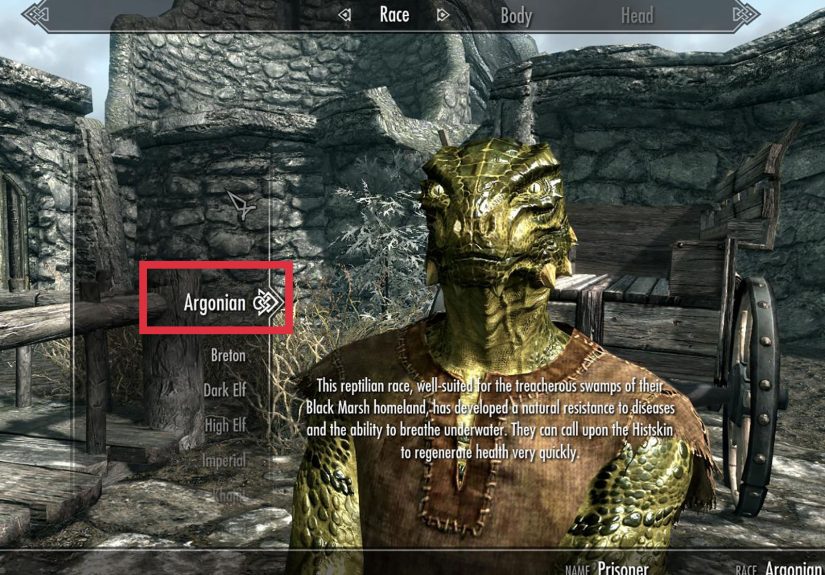
Argonians are famously tied to Black Marsh, the kind of place where the scenery tries to poison you and the flora looks offended by your existence.
In many Elder Scrolls sources, Argonians call themselves Saxhleel (often translated as “People of the Root”) and speak Jel,
a language associated with their culture and their relationship to the Hist. That identity matters because Argonian names often reflect
community, environment, and lived experiencemud, reeds, storms, hunting, rituals, travel, and survival.
The two Argonian naming styles you’ll see most
If you’ve ever met a character named “Walks-in-Shade,” you’ve already seen the headline act. Most Argonian names fall into two broad styles:
-
Tamrielic/translated phrase names (often hyphenated): descriptive epithets that read like a tiny story
(e.g., “Listens-to-Rain,” “Hides-in-Reeds,” “Watches-the-Tide”). -
Jel-style names (often shorter, sometimes hyphenated): names built from syllables and sounds that feel native to the culture
(e.g., shapes like “Tsona-Ei” or “Haj-Ei” as commonly discussed in fan-lore references).
Many characters use one style in their own community and another when dealing with outsiders. In plain English:
your Argonian can have a “home name” and a “public name.” That’s not just cool; it’s practical worldbuilding.
The Argonian Name Generator (That You Control)
Instead of pressing a button and accepting whatever pops out, use this generator framework. It’s fast, customizable,
and it produces names that sound intentional (even when your character is absolutely not).
Step 1: Choose a naming tradition
- Translated phrase (best for classic Elder Scrolls flavor)
- Jel-style (best for deep-lore or “native” vibes)
- Blend (Jel-style personal name + translated epithet)
Step 2: Choose a “marsh anchor” theme
Pick 1–2 anchors that will steer your word choices. This keeps names from feeling random.
- Environment: reeds, mud, mist, mangroves, river, tide, rain, sun-baked salt flats
- Magic: dreams, ash, runes, moonlight, spirits, stars, stormfire
- Role: scout, healer, assassin, scholar, sailor, diplomat, shaman
- Personality: patient, stubborn, curious, gentle, sharp-tongued, fearless
Step 3: Build the name using a template
Template A: Verb–Preposition–Noun (the iconic style)
Structure: Verb + (in/under/through/with/among) + Noun
Examples of verbs: Walks, Swims, Listens, Watches, Hides, Hunts, Sings, Tracks, Carves, Mends, Guides
Examples of nouns: Reeds, Ash, Mist, Moon, Tide, Roots, Storm, Shadows, Lanterns, Shells, Rivers
Generator tip: Make the verb match the character’s “default action.” A healer doesn’t “Breaks-With-Axe” unless you’re writing a comedy.
Template B: Adjective–Noun (short, punchy, memorable)
Structure: Adjective + Noun
Examples: Bright-Scale, Quiet-Reed, Bitter-Mist, Moon-Eye, Deep-Root, Copper-Claw
Template C: Jel-style syllables (native-feeling names)
You don’t need a full conlang to make a convincing Jel-style name. You need consistency:
pick a sound palette, then stick with it.
- Sound palette: ts, x, sh, th, j, k, r; and vowels like a, e, i, o, u; common endings like -ei, -tei, -xan, -tsei
- Length rule: 2–4 syllables total (or two chunks with a hyphen)
- Readability rule: if you can’t say it twice in a row, simplify it
Step 4: Add “magic flavor” without making it melodramatic
Magical Argonian names work best when the magic is implied rather than screamed through a megaphone.
“Whispers-to-Night” feels mystical. “ULTRA-ARCANE-VOID-SERPENT-OVERLORD” feels like a gamer tag from 2009.
Word Banks You Can Mix-and-Match
Verbs (choose one)
Walks, Swims, Listens, Watches, Hides, Hunts, Mends, Guides, Tracks, Carves, Sifts, Dances, Whispers, Calls, Brings, Keeps, Seeks, Follows
Prepositions (choose one)
in, under, through, among, beyond, with, beside, over, across
Nouns (choose one)
Reeds, Mist, Ash, Roots, Tide, Rain, Lanterns, Shadows, Shells, Stones, Moss, Runes, Moon, Stars, Storm, Mud, River, Mangroves
Magical modifiers (optional)
Dreaming, Hollow, Ember, Silver, Ghost, Starborn, Night, Dawn, Deep, Quiet, Shifting
60 Fantasy and Magical Argonian Name Ideas
Below are ready-to-use names grouped by vibe. Mix, edit, steal, rename, repeat.
(And if your friend says, “That’s too many hyphens,” you are allowed to hiss politely.)
Mystic, Shaman, and Spell-Heavy Names
- Listens-to-Hist
- Whispers-to-Roots
- Dreams-in-Mud
- Seeks-the-Old-Songs
- Watches-the-Star-Reflections
- Walks-with-Embers
- Speaks-with-Reeds
- Follows-the-Quiet-Moon
- Carves-Runes-in-Shell
- Holds-the-Storm-Within
- Guides-the-Lost-Lanterns
- Calls-the-Night-Tide
Rogue, Scout, and Shadowscale Energy
- Hides-in-Mangroves
- Moves-through-Mist
- Watches-from-Reeds
- Tracks-the-Soft-Footprints
- Slips-beside-Stones
- Hunts-at-Dawn
- Walks-with-Silence
- Finds-the-Open-Window
- Counts-the-Guard-Patterns
- Waits-under-Bridge-Shadows
- Leaves-no-Ripples
- Steals-the-Last-Map
Healer, Guardian, and “Party Keeps Dying” Names
- Mends-What-Breaks
- Brings-Cool-Water
- Kept-by-Old-Roots
- Calms-the-Fever
- Gathers-Bitter-Leaves
- Holds-the-Lantern-High
- Watches-Over-Hatchlings
- Guides-through-Fog
- Keeps-the-Peaceful-Tide
- Stands-with-Quiet-Strength
- Heals-in-Rain
- Speaks-for-the-Swamp
Adventurer and Wanderer Names
- Walks-the-Long-River
- Sees-Three-Horizons
- Follows-Market-Smells
- Wears-Salt-and-Sun
- Trades-in-Interesting-Trouble
- Sings-for-Boatmen
- Finds-the-Old-Roads
- Crosses-in-High-Wind
- Collects-Strange-Coins
- Watches-the-Cloud-Paths
- Swims-Where-Others-Sink
- Returns-with-Stories
Funny (But Still Somehow Lore-Adjacent) Names
- Trips-on-Roots
- Forgets-the-Password
- Argues-with-Fish
- Buys-Too-Many-Knives
- Misplaces-the-Compass
- Swims-in-Full-Armor
- Hisses-at-Authority
- Overpays-for-Jerky
- Challenges-Obviously-Cursed-Items
- Waves-Back-at-Statues
- Reads-While-Running
- Asks-For-Extra-Sauce
Jel-Style Name Samples (shorter, “native-feeling”)
- Tsona-Ei
- Haj-Ei
- Shuxal-Tsei
- Keshu-Tei
- Veesh-Xan
- Jassik-Orrn
- Xul-Deelith
- Raja-Nassa
- Teeba-Hatsei
- Nisswo-Xode
- Reel-Ka
- Sisei-Tei
Blended option: Pair a Jel-style personal name with a translated epithet for full “this character definitely has backstory” effect:
Keshu-Tei, Called “Watches-the-Tide.”
How to Make Generated Names Sound Like a Real Person (Not a Randomizer)
1) Read it out loud (seriously)
If the name turns into mouth gymnastics, trim it. Many writing guides recommend testing names aloud for clarity,
especially if your story might be read or performed.
2) Keep your hyphens consistent
If one Argonian in your cast has a hyphenated phrase name, it helps if others from the same community share similar structures.
A single random hyphenated name can feel like a gimmick; a consistent pattern feels like culture.
3) Avoid accidental “cringe prophecy” names
Names that are too on-the-nose (“Kills-Everyone-Always”) can flatten your character. Instead, pick something that leaves room
for personality: “Walks-with-Silence” could be an assassin… or a shy librarian with excellent posture.
4) Build the name from one concrete detail
Choose one vivid detail from your character’s history and let it steer the name: a storm they survived, a job they did,
a habit they can’t break, or a place they refuse to leave behind.
FAQ: Argonian Naming Questions People Actually Ask
Do Argonian names have “male” and “female” versions?
In many portrayals, Argonian names lean more descriptive than gendered. The same naming template can work for any character,
and a name can emphasize role, place, or personality over gender markers. If you want gender cues, use sound and rhythm:
sharper consonants for a tougher vibe, softer vowels for a gentler vibebut keep it subtle.
Do Argonians have last names?
Often, phrase names function like a full identifier on their own. Some characters may add titles, affiliations, or translated descriptors
when interacting with outsiders, but you don’t need a Western-style surname to make the name complete.
Is it “okay” to invent Jel-style names?
Yesmost people do. The trick is to be consistent: reuse a recognizable sound palette and keep the syllables readable.
Even if you’re not translating anything, a coherent pattern will sell the illusion.
Writer and Player Experiences: What Actually Works in Practice
A funny thing happens when people use an Argonian name generator: the best names often come from the moments you didn’t plan.
Across RPG tables, MMO roleplay, and fanfiction circles, “experience-based naming” tends to follow a few reliable patterns.
First: names stick better when they’re tied to a scene. Players frequently report that a name chosen after a character’s first memorable moment
feels more natural than a name picked in the character creator. Your Argonian might start as a placeholder like “Swims-in-Mud,”
but after a disastrous stealth mission involving a bell, a bucket, and one extremely awake guard, the group begins calling them
“Steps-on-Twigs.” It’s affectionate. Probably.
Second: short “table names” and longer “full names” peacefully coexist. In long-running campaigns, groups often default to a nickname for speed
(“Reeds,” “Mist,” “Lantern”), while the character still owns a full formal name that appears in serious scenes. This mirrors how real-world naming works:
people simplify what they say every day, but keep the ceremonial version for meaningful moments. It also helps when your party includes
three characters whose names all start with “Walks-” because everyone was feeling poetic that day.
Third: a blended naming approach is great for roleplay depth. Players who enjoy lore and immersion often use a Jel-style personal name
within Argonian community scenes, then switch to a translated phrase name when speaking with outsiders. In practice, this becomes a roleplay cue:
if the innkeeper hears “Keshu-Tei,” it signals trust and familiarity; if they hear “Watches-the-Tide,” it signals the public-facing identity.
Writers use the same trick to show cultural code-switching without needing a long exposition dump.
Fourth: the best “magical” names are grounded in something physical. A mage named “Star-Oracle-of-Infinite-Depths” can feel like a billboard.
A mage named “Carves-Runes-in-Shell” feels like someone who actually has hands, habits, and a desk that’s always covered in tiny shavings.
People tend to remember names that imply action and texture: reeds brushing scales, ash on claws, lantern smoke, tidewater.
Even if the character is throwing lightning bolts, the name is anchored in the world.
Fifth: humor is not a mistakeit’s a feature. Many groups find that lightly funny Argonian names boost table chemistry and improve recall,
especially for NPCs. The trick is to make the humor feel like it belongs in the setting. “Trips-on-Roots” is funny because it’s plausible:
someone could absolutely earn that name after an embarrassing fall during a rite, a patrol, or a dramatic speech. In fiction, that kind of name
also signals a culture that values story and observation more than stiff formality.
Finally, experienced writers often use a name generator as a starting point, not a final answer. They’ll generate five names,
then steal one verb, one noun, and one sound they like, remixing them into something new. That remix step is where your name becomes “yours,”
and it’s also where you avoid the biggest generator pitfall: choosing a name that sounds cool but doesn’t fit the character you’re actually writing.
Conclusion
A great Argonian name is a tiny piece of worldbuilding you can carry around in your pocket. Choose a tradition (translated phrase, Jel-style, or blended),
anchor it to a swampy theme, and let the name imply a storywhat your character does, what they value, and what the world has done to them.
If you want fast results, use the templates above. If you want the best results, tweak one detail until the name feels inevitable.
And if your Argonian ends up named “Forgets-the-Password,” just remember: that’s not a joke. That’s a prophecy.