Table of Contents >> Show >> Hide
- What Is a Barium Enema, Exactly?
- Purpose: Why Would Someone Need a Barium Enema?
- Single-Contrast vs. Double-Contrast: What’s the Difference?
- Preparation: The Part Nobody Puts on a Billboard
- The Procedure: Step-by-Step (No Mystery, Minimal Drama)
- What Does a Barium Enema Feel Like?
- After the Test: Recovery and What to Expect
- Risks: What Can Go Wrong?
- Limitations: What a Barium Enema Can’t Do
- Results: What Happens Next?
- Alternatives to a Barium Enema
- Quick FAQ
- Real-World Experiences: What People Commonly Notice (Plus a Few Practical Tips)
- Conclusion
A “barium enema” sounds like it belongs in a prank call from the 1980s. Unfortunately (or fortunately, depending on how much you love modern imaging),
it’s a real medical testalso called a lower GI seriesthat uses contrast and X-rays to help clinicians see the outline of your
colon and rectum. The name is blunt, the goal is practical: get clear pictures of the large intestine when symptoms or screening needs
call for a closer look.
While colonoscopy and CT colonography are more common today, barium enemas still show up in real-life careespecially when other tests aren’t available,
aren’t possible, or didn’t give a complete view. If your healthcare provider mentioned this exam, you probably have questions. Let’s walk through
what it’s for, what actually happens during the procedure, what it feels like, and what risks (rare and not-so-rare) to keep in mind.
What Is a Barium Enema, Exactly?
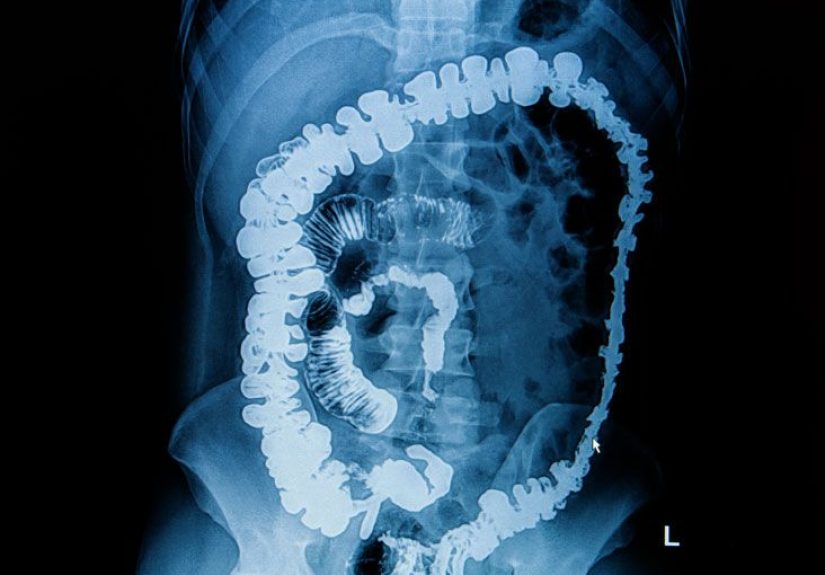
A barium enema is an imaging test of the lower digestive tract. A radiology team introduces a chalky liquid contrast agent containing
barium sulfate into the rectum through a small tube. The barium coats the lining of the colon so that, under X-ray and
fluoroscopy (real-time X-ray imaging), the colon’s shape and surface details show up more clearly than they would on a plain X-ray.
Think of it like painting a wall before you take a “before and after” photoexcept the wall is your colon, the paint is barium, and the photographer
is a machine that does not care how awkward you feel. (Good news: the staff has seen it all, and they’re usually impressively unfazed.)
Purpose: Why Would Someone Need a Barium Enema?
The purpose is to help detect structural changes or abnormalities in the large intestinethings that can explain symptoms or guide next
steps in care. A barium enema can help evaluate:
Symptoms That May Trigger Testing
- Persistent or unexplained abdominal pain or cramping
- Chronic constipation or chronic diarrhea
- Blood in the stool or unexplained anemia (your clinician decides the right workup)
- Changes in bowel habits that don’t resolve
- Unexplained weight loss (when GI causes are being considered)
Conditions the Exam May Help Identify
- Diverticulosis (pouches in the colon wall) and signs that suggest complications
- Polyps or masses that alter the contour of the bowel
- Strictures (narrowed segments) that may suggest inflammation, scarring, or tumor
- Inflammatory bowel disease patterns (ulcerative colitis or Crohn’s disease), depending on the clinical situation
- Obstruction patterns (when appropriate and safe to image)
- Congenital or acquired changes in colon shape
In certain scenarios, a barium enema may also be considered after an incomplete colonoscopymeaning the clinician couldn’t safely or fully examine the
entire colon with a scopethough many centers now prefer CT colonography for that role.
Single-Contrast vs. Double-Contrast: What’s the Difference?
Not all barium enemas are identical. Two common approaches are:
- Single-contrast: barium outlines the colon. This can show the overall shape and larger abnormalities.
-
Double-contrast: after barium, the colon is gently inflated with air (or gas) to help highlight the mucosal surface. This can improve
visibility of smaller contour changes.
Which version you get depends on your symptoms, your medical history, and the radiologist’s goalsand, honestly, what the facility typically performs.
Preparation: The Part Nobody Puts on a Billboard
The most important “secret” of a barium enema is that the pictures are only as good as the prep. If stool remains in the colon, it can hide problems
or mimic them. That’s why bowel cleansing is usually the biggest part of the experience.
Common Prep Instructions (Your Facility May Differ)
- Clear liquid diet for a period beforehand (often the day before)
- Laxatives and/or suppositories as directed
- Sometimes an enema the night before or morning of
- Adjusting certain medications (only if your clinician instructs you to)
Practical prep tip: clear liquids mean “you can see through it.” Broth, tea, clear juices, sports drinks, and gelatin are common exampleswhile dairy,
red/purple liquids, and anything with pulp often get the side-eye. Always follow the specific checklist your imaging center gives you.
Medication and Safety Notes to Discuss Ahead of Time
- If you might be pregnant, tell your clinician before the exam (X-ray exposure matters).
- If you have severe active colitis, suspected perforation, or certain emergency symptoms, the team may choose a different study.
- If you have a history of difficult constipation, ask how they want you to manage post-test stool passage.
The Procedure: Step-by-Step (No Mystery, Minimal Drama)
A lower GI series is usually done in a hospital radiology department or outpatient imaging center. The exam often takes roughly
30–60 minutes, though scheduling, prep checks, and post-procedure bathroom time can add a bit.
1) Arrival and Setup
You’ll change into a gown and remove anything that could interfere with imaging. The technologist may ask about your symptoms, relevant history,
medications, and whether pregnancy is possible. You’ll lie on a specialized X-ray table.
2) A Small Tube Is Placed
A lubricated tube is gently inserted into the rectum. This is usually more awkward than painfullike shaking hands with your own dignity and realizing
it has left the building. The team aims to keep you comfortable and covered as much as possible.
3) Barium (and Possibly Air) Goes In
The barium flows through the tube into the colon. You may feel fullness, pressure, cramping, or an urge to have a bowel movement. If it’s a
double-contrast exam, air is introduced as well, which can increase bloating sensations but may improve image detail.
4) Imaging Happens While You Change Positions
The radiologist and technologist take images from different angles. You may be asked to roll, turn, or hold still in specific positionsyour colon is
essentially doing a photo shoot, and you’re the stage crew. Sometimes the radiologist presses on the abdomen to help spread contrast and improve views.
5) Contrast Drains Out and You Use the Bathroom
When images are complete, much of the barium is allowed to drain back out through the tube. Then the tube is removed, and you’ll usually be able to
use a restroom to expel remaining barium and air. Many facilities take a final image afterward to confirm adequate emptying.
What Does a Barium Enema Feel Like?
Most people don’t describe it as “fun,” but many do say it’s tolerable. Common sensations include:
- Cramping (often brief, sometimes stronger during filling)
- Bloating and pressure, especially if air is used
- Urgency to have a bowel movement (the team will coach you through it)
The good news: it usually doesn’t require anesthesia, and you can typically resume normal activities afterward unless your clinician advises otherwise.
The not-so-good news: your colon may hold a grudge for a couple of hours. Hydration and moving around gently afterward often help.
After the Test: Recovery and What to Expect
After a barium enema, many people return to their normal diet and routine the same day. Mild bloating or discomfort may linger briefly as the contrast
and air work their way out.
Normal (and Weird-Looking) After-Effects
- White or light-colored stool for a day or two (sometimes a few days)
- Mild constipation because barium can be drying
- Gas and bloating as your body clears the air and contrast
Helpful Aftercare Habits
- Drink extra fluids if you’re allowed to (barium can firm things up).
- Eat fiber-containing foods as tolerated, unless your clinician says otherwise.
- If your provider recommends a mild laxative or stool softener, follow their guidance.
When to Call a Healthcare Provider
Seek medical advice if you have severe or worsening abdominal pain, fever, significant rectal bleeding, or you cannot pass stool or gas after the exam.
Those symptoms don’t automatically mean something serious is happening, but they do deserve prompt attention.
Risks: What Can Go Wrong?
Overall, barium enemas are considered safe, but no medical test is “risk-free.” Risks include:
1) Constipation or Barium Impaction
Barium can make stool harder and slower to pass. Hydration helps, and some people need a laxative afterward. If you’re prone to constipation, tell the
ordering clinician so they can plan appropriately.
2) Complications from Bowel Prep
The prep (not the imaging) is often the main troublemaker: dehydration, electrolyte imbalance, fatigue, and irritation can occurespecially in older
adults or people with kidney, heart, or certain endocrine conditions. This is why individualized prep instructions matter.
3) Radiation Exposure
The exam uses X-rays, including fluoroscopy. The dose is generally considered acceptable when the test is medically necessary, but it’s still a reason
clinicians avoid this test during pregnancy and try to use the lowest reasonable radiation exposure.
4) Rare but Serious: Bowel Perforation
A tear in the bowel wall is uncommon, but it’s the “big one” clinicians watch forespecially in people with severe inflammation, obstruction, recent
biopsy, suspected perforation, or a fragile colon wall. When perforation is a concern, clinicians typically choose a water-soluble contrast instead of
barium because leakage of barium outside the bowel can be dangerous.
5) Other Possible Issues
- Transient nausea or discomfort
- Rectal irritation (sometimes from prep more than the test)
- Very rarely, reactions to materials used during the procedure (for example, latex sensitivity at some facilities)
Limitations: What a Barium Enema Can’t Do
A barium enema can show outlines and surface changes, but it doesn’t replace everything:
- It can’t remove polyps or take biopsies (colonoscopy can).
- Small lesions can be missed, especially if prep quality is poor.
- It may show “something’s there,” but not always what it ismeaning follow-up testing may still be needed.
Results: What Happens Next?
A radiologist interprets the images and sends a report to the ordering clinician. Depending on findings, next steps may include:
- Reassurance and symptom management if the study is normal
- Further evaluation (often colonoscopy) if a suspicious mass, significant narrowing, or concerning pattern is seen
- Targeted treatment if a clear structural issue is identified
If you’re anxious about results, it’s reasonable to ask the ordering clinician when and how you’ll receive themsome offices call, some post reports in
portals, and some discuss at a follow-up visit.
Alternatives to a Barium Enema
Depending on the reason for testing, your clinician might consider:
- Colonoscopy (diagnostic and therapeutic; biopsies and polyp removal possible)
- CT colonography (virtual colonoscopy; imaging-based)
- Flexible sigmoidoscopy (views the lower portion of the colon)
- Stool-based tests for colorectal cancer screening in appropriate cases
- Other imaging or lab studies tailored to symptoms
The “best” test depends on your symptoms, risk factors, medical history, and what question your clinician is trying to answer.
Quick FAQ
Do you need anesthesia?
Typically, no. Most lower GI series are done without anesthesia, and you can usually go home the same day.
Can you drive yourself home?
Often yes, because sedation is not commonly used. But follow your facility’s instructionsif your center uses medication for anxiety or discomfort, you
may need a ride.
How long will the barium stay in your body?
Most people pass it within a day or two, though stool color changes can last a bit longer. If you’re not passing stool or gas afterward, call your
provider.
Real-World Experiences: What People Commonly Notice (Plus a Few Practical Tips)
The internet loves extremes: either “It was nothing!” or “I will never emotionally recover!” Most real experiences land in the middle. Many patients say
the prep is the hardest partnot because it’s painful, but because it’s inconvenient, tiring, and, let’s be honest, it turns your day
into a highly scheduled relationship with your bathroom.
A common pattern goes like this: the day before the exam feels like you’re training for a “clear-liquid Olympics.” You learn which broths taste like
actual food and which taste like regret. You may feel hungry and a little cranky, which is normal. People often report that the bowel prep can feel
surprisingly intensefrequent trips, watery stools, and a general sense that your colon is trying to break up with you. If you’re allowed to, keeping
clear liquids chilled, using a straw, and spacing sips can make it easier to get through. Some people also find that applying a barrier cream or using
gentle wipes (if your clinician says it’s okay) can help with irritation from repeated wiping.
On test day, patients often describe the radiology staff as calm, efficient, and very practiced at protecting privacy. It’s normal to feel embarrassed,
but many people say that feeling fades quickly because the team treats it like any other Tuesday. During the exam itself, the most common “moment” is
when the barium starts flowing and you feel cramping or pressurelike you need to go to the bathroom right now. People often say that slow breathing and
focusing on short-term goals helps: “Hold for 10 more seconds,” not “Hold forever.” If air is used for a double-contrast study, bloating can feel more
intense, but it usually eases once you can use the restroom afterward.
After the procedure, many patients are surprised by how quickly they can go back to normal life. The weirdest part is often the white or pale
stool afterwardlike your body briefly switched to printing receipts instead of normal output. Clinicians routinely warn about this, but it can
still be startling the first time you see it. People also commonly notice mild constipation and are glad they were told to drink extra fluids. Those who
already struggle with constipation often say it’s worth asking in advance whether they should plan a stool softener or laxative afterward, rather than
waiting until they feel stuck.
From the clinician side, a frequent observation is that “prep quality is everything.” When prep isn’t effective, the colon can look cluttered, and the
exam may be less usefulsometimes leading to repeat imaging or another test. That’s why it’s worth treating the prep instructions like a recipe: follow
the steps, don’t freestyle, and if you’re unsure about a medication or dietary item, call the imaging center before you guess. Another practical tip
patients share: wear comfortable clothes, arrive a little early, and consider bringing an extra pair of underwear “just in case” (not because problems
are expected, but because peace of mind is a powerful thing).
Finally, many people say the biggest emotional help is remembering this: the goal is information. Clear, accurate imaging can rule out serious problems,
guide treatment, or point to the right next test. The exam may be awkward, but it’s shortand for most patients, it’s a one-day inconvenience that helps
move care forward.
Conclusion
A barium enema (lower GI series) is a structured, time-tested way to visualize the colon using contrast and X-ray imaging. It’s often chosen to evaluate
symptoms such as persistent bowel changes, pain, or bleeding concerns, and it can reveal narrowing, masses, diverticular changes, and other structural
issues. The key to a useful exam is a clean colonso prep mattersand the most common after-effects are temporary bloating, light-colored stools, and
constipation that improves with fluids and follow-up care.
While the name sounds like a dare, the procedure is usually quick, doesn’t typically require anesthesia, and can provide valuable answers. If you’re
scheduled for one, your best move is to follow your facility’s prep instructions closely and ask questions ahead of timebecause your colon should be the
only thing surprised on test day.