Table of Contents >> Show >> Hide
- What Is a Ramos Gin Fizz?
- A Quick Sip of History
- Classic Ramos Gin Fizz Ingredients (Bar-Standard Recipe)
- Step-by-Step: How to Make a Classic Ramos Gin Fizz
- Dialing In the Flavor: Variations and Adjustments
- Common Mistakes (and How to Fix Them)
- When to Serve a Ramos Gin Fizz
- 500-Word Experience Guide: Making the Ramos Gin Fizz in Real Life
- Conclusion
If most cocktails are quick texts, the Ramos Gin Fizz is a handwritten love letter.
It’s creamy, citrusy, tall, and unapologetically extra. This New Orleans classic
has a reputation for being “that drink that takes forever to shake,” but the good news
is you can absolutely make a bar-worthy version at home without hiring a team of
shaker boys in your kitchen.
In this guide, you’ll learn exactly how to make a classic Ramos Gin Fizz:
the right ingredients, the shaking technique that builds that legendary tall, fluffy head,
and smart tweaks so you can customize it to your own taste. We’ll also walk through
a bit of history and finish with real-world tips and experiences, so you feel confident
tackling this iconic drink.
Whether you’re a home mixologist trying to impress guests or just “cocktail curious”
and wondering why bartenders groan when this order hits the ticket, this deep dive
into the best classic Ramos Gin Fizz recipe will turn you from curious to confident.
What Is a Ramos Gin Fizz?
The Ramos Gin Fizz (sometimes called the New Orleans Fizz or simply the Ramos Fizz)
is a classic shaken cocktail that combines:
- Gin
- Fresh lemon juice
- Fresh lime juice
- Simple syrup
- Heavy cream
- Egg white
- Orange blossom (orange flower) water
- Chilled soda water
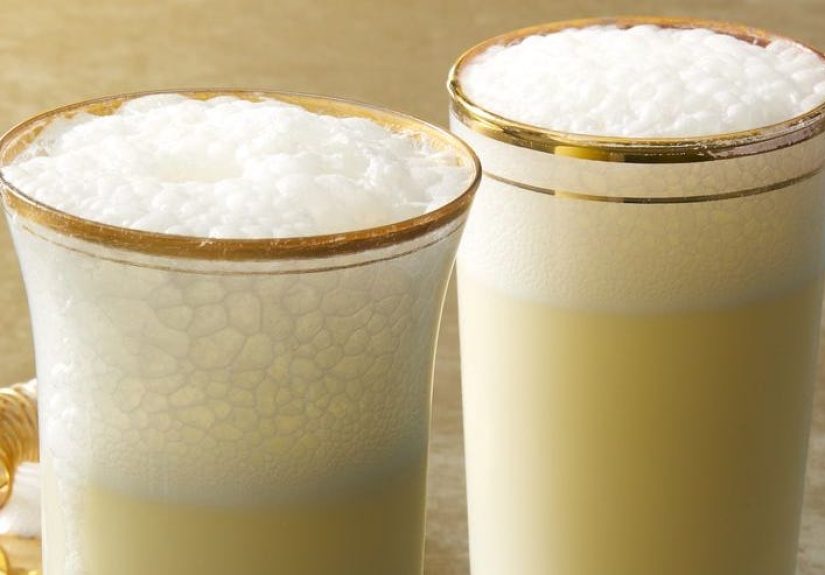
The result is a tall, frothy, cloud-like drink that drinks almost like
a citrus meringue milkshake with bubbles. Unlike a regular Gin Fizz, the Ramos version
includes cream and orange blossom water, giving it a richer mouthfeel and a delicate,
floral aroma. When made correctly, it should be smooth, silky, and topped with a thick,
stable foam that can rise above the rim of the glass.
A Quick Sip of History
The Ramos Gin Fizz was created in 1888 by Henry C. Ramos, a New Orleans bartender known
for his perfectionism and patience. He first served the drink at the Imperial Cabinet Saloon,
and it quickly became so popular during Carnival season that he reportedly hired long lines
of “shaker boys” to keep up with demand, passing shakers down the line for several minutes
of continuous shaking.
After Prohibition, the drink’s rights were famously associated with the Roosevelt Hotel
in New Orleans, where you can still order a Ramos Gin Fizz today. Over the decades, this
cocktail has become an emblem of New Orleans hospitality: indulgent, theatrical, and worth
taking your time to enjoy.
Classic Ramos Gin Fizz Ingredients (Bar-Standard Recipe)
Here’s a classic, tried-and-true formula that balances citrus, sweetness, and creaminess.
This version lands close to the official IBA-style ratios and modern craft bar recipes.
Ingredients for One Cocktail
- 1 1/2 oz (45 ml) gin – London dry gin works beautifully; use Old Tom if you want a slightly sweeter, more old-school profile.
- 1/2 oz (15 ml) fresh lemon juice
- 1/2 oz (15 ml) fresh lime juice
- 1 oz (30 ml) simple syrup (1:1 sugar to water)
- 2 oz (60 ml) heavy cream – for the richest, fluffiest texture
- 1 oz (30 ml) egg white – about one large egg white or pasteurized equivalent
- 2–3 dashes orange blossom water
- Chilled soda water, to top (about 1–2 oz / 30–60 ml)
- Plenty of ice for shaking
If you’re nervous about raw eggs, you can use pasteurized egg whites from a carton.
For a vegan version, aquafaba (chickpea brine) is a popular substitute, though the texture
and flavor will be slightly different.
Step-by-Step: How to Make a Classic Ramos Gin Fizz
1. Chill Your Glass
Fill a tall Collins or fizz glass with ice and cold water while you prepare the cocktail.
A frosty glass helps the foam set and keeps the drink refreshing from the first sip
to the last.
2. Build the Base in a Shaker
In a cocktail shaker, add:
- Gin
- Lemon and lime juices
- Simple syrup
- Heavy cream
- Egg white
- Orange blossom water
Don’t add soda water or ice yet. Those come later.
3. Dry Shake (No Ice)
Seal the shaker and shake vigorously without ice for about 15–30 seconds.
This “dry shake” helps the egg white and cream emulsify with the citrus
and sugar, building a thick base foam. Think of it as pre-whipping the drink.
4. Wet Shake (With Ice)
Add ice to the shaker (about 3–4 large cubes) and shake again for another
20–30 seconds, until the shaker is very cold and frosty on the outside.
You’re chilling the drink and adding just the right amount of dilution while
strengthening that foam.
Old stories claim this drink must be shaken for 10–12 minutes.
Your shoulders might disagree. With modern ice, a strong, focused minute or so
of shaking (split between dry and wet) is usually enough to create an impressive head.
5. Strain and Build the Fizz
Dump the ice and water out of your chilled glass. Double-strain the shaken mixture
into the glass (using a fine strainer to catch any ice shards). Let it rest
for about 30–60 seconds so the foam can settle and rise.
Then, slowly top with chilled soda water. Pour down the center of the drink to lift the foam,
or gently down the side of the glass if your foam is already tall and you don’t want to break it.
Ideally, the head sits proudly above the rim, like a soft-serve ice cream swirl with bubbles.
6. Serve Immediately
Add a straw if you like, and serve right away. The Ramos Gin Fizz looks dramatic,
but it’s still a delicate drink. The foam will hold, but the bubbles and aromatics
are at their best in the first few minutes.
Dialing In the Flavor: Variations and Adjustments
Choosing the Right Gin
The original versions used Old Tom gin, which is a bit sweeter and rounder than modern
London dry styles. If you want:
- Classic but crisp: Use a quality London dry gin for bright, juniper-forward notes.
- Softer and more historical: Try Old Tom gin for a slightly sweeter, fuller profile.
- More modern and floral: A gin with citrus and floral botanicals can echo the orange blossom water nicely.
Balancing Sweetness and Citrus
Everyone’s tart-sweet preference is a bit different. If your drink tastes:
- Too tart: Add an extra 1/4 oz (7–8 ml) simple syrup next time.
- Too sweet: Dial the simple syrup back to 3/4 oz (22 ml) or bump the citrus up slightly.
Keep in mind that cream and egg white soften acidity, so a Ramos Gin Fizz often starts
a bit more citrus-forward in the shaker than it tastes in the glass.
Heavy Cream vs. Half-and-Half
Heavy cream gives the richest texture and most stable foam.
Half-and-half produces a lighter, more sippable drink but may not stack a dramatic foam
quite as high. If you’re serving several rounds, half-and-half can feel less heavy,
but for a “best classic” version, heavy cream is the move.
Getting the Orange Blossom Water Right
Orange blossom water is powerful. Too little and the drink tastes like a plain citrus cream fizz;
too much and it feels like drinking floral perfume.
- Start with 2 dashes if you’re cautious.
- Move up to 3 dashes if you want the floral note to shine.
- Avoid pouring it freehand; it’s easy to overdo.
If your first attempt tastes soapy or overly perfumed, cut the orange blossom water in half next time.
Egg White Alternatives
Egg white is traditional, but you do have options:
- Pasteurized egg whites: Convenient and food-safe, great for parties.
- Aquafaba: Use about 1 oz (30 ml). It creates decent foam and works for vegans,
though the texture and flavor will be slightly different.
Common Mistakes (and How to Fix Them)
1. Flat, Sad Foam
If your foam is thin and disappears quickly:
- Make sure you’re shaking long and hard enough during the dry and wet shakes.
- Use fresh egg whites and cold cream.
- Don’t skimp on the citrus and sugar; proper balance helps the foam structure.
2. Over-Diluted, Watery Drink
The Ramos Gin Fizz is supposed to be light and creamy, not watery.
Over-dilution happens if you:
- Shake with ice for too long.
- Use crushed ice instead of large cubes.
- Add too much soda water when topping.
Stick with large cubes, aim for a focused 20–30-second wet shake,
and top with soda a little at a time until you get the foam height you want.
3. Curdling or Chunky Texture
If the drink looks grainy or curdled:
- Use fresh dairy and fresh citrus.
- Avoid letting the mixture sit too long before shaking.
- Shake immediately after building the drink in the shaker so the cream doesn’t start curdling in strong acid without agitation.
When to Serve a Ramos Gin Fizz
The Ramos Gin Fizz is surprisingly versatile:
- Brunch: It’s like a citrusy, boozy brunch shakeperfect alongside waffles or eggs Benedict.
- Celebrations: The dramatic foam makes it a showstopper for birthdays, anniversaries, and cocktail nights.
- “One and Done” Nightcap: It’s rich and filling enough to be your only drink of the evening.
Because it’s labor-intensive, consider it your “special occasion” drink rather than something
you’ll batch for a 40-person partyunless you really like exercise.
500-Word Experience Guide: Making the Ramos Gin Fizz in Real Life
Reading about a Ramos Gin Fizz is one thing. Actually making one, with ice flying and your
shoulders burning, is another story entirely. Here are some real-world experiences and
practical tips that home bartenders quickly discover once they start shaking.
Your First Ramos: Expect a Workout
The first time you make a Ramos Gin Fizz, you’ll probably underestimate the shaking.
Fifteen seconds can feel like a lifetime when you’re holding a cold metal shaker.
Many people start strong, lose enthusiasm halfway through, and end up with a drink that’s tasty
but less dramatic on the foam. That’s normal. Your technique will improve with each attempt.
A good trick is to treat the shake like a mini-interval workout: count slowly to 20 for the dry shake,
switch your grip if your hands get tired, then do another strong 20-count with ice.
Turning on music helps. Nobody thinks about form when they’re shaking to their favorite playlist.
Hosting with Ramos Gin Fizz: Manage Expectations
Serving Ramos Gin Fizzes at a small gathering is a fantastic way to impress your guests.
But you should know: this is not an “everyone orders a different drink” kind of situation.
If you’re making Ramos Fizzes, make that the star of the nightor at least the first round.
A smart host move is to:
- Pre-measure your citrus and simple syrup into small bottles.
- Batch the gin, citrus, and syrup in a pitcher and keep it chilled.
- Shake individual portions with cream, egg white, and orange blossom water to order.
This cuts down on time at the bar and means you’re not measuring every single ingredient
from scratch while your guests stare longingly at empty glasses.
Finding Your Personal “House Style”
After a few tries, you’ll develop your own Ramos personality. Some people like theirs:
- Brighter and more citrusy – extra lemon and lime, slightly less syrup.
- Richer and dessert-like – more cream, maybe even a small vanilla dash.
- Botanical and floral – a gin with strong citrus/floral notes and a bolder hit of orange blossom water.
Don’t be afraid to tweak. The goal isn’t to follow a recipe like a law;
it’s to build a version that you and your guests genuinely love.
Common “Aha!” Moments
As people practice this drink, a few lightbulb moments tend to pop up:
- Chilled tools matter. A cold glass and cold soda water noticeably improve the final texture.
- Less soda than you think. A little top-off goes a long way in lifting the foam. Overdoing it thins the drink.
- Quality ingredients pay off. Fresh citrus, good gin, and real orange blossom water taste dramatically better than tired juice and random floral extracts.
Many home bartenders report that once they get the Ramos Gin Fizz dialed in,
it becomes their “humble brag” drink. Sure, it takes more effort than stirring
a Negroni, but that’s part of the charm. You made something that looks like it came
from a classic New Orleans bar, right in your own kitchen.
Is It Worth the Effort?
Most people who fall in love with the Ramos Gin Fizz agree on one thing:
it’s not an everyday cocktail, but it’s absolutely worth mastering.
It teaches you about balance, texture, and technique in a way few other drinks do.
And when you hand someone a tall glass crowned with a cloud of foam and a subtle orange blossom aroma,
the reaction is almost always the samewide eyes, big smile, and a “Wow, what is this?”
That’s the magic of the classic Ramos Gin Fizz: a little history, a little science,
a lot of shaking, and a final result that feels like a celebration in a glass.
Conclusion
The best classic Ramos Gin Fizz recipe is less about memorizing one “perfect” formula
and more about mastering a few key ideas: fresh ingredients, balanced citrus and sweetness,
careful use of orange blossom water, and a committed shake. Once you have those down,
you can confidently serve this New Orleans icon whenever you want to impress.
Think of it as a cocktail milestone. When you can build a tall, creamy, perfectly balanced
Ramos Gin Fizz on demand, you’re not just following a recipeyou’re stepping into a
tradition that’s been shaking since the 19th century.
sapo: The Ramos Gin Fizz is a New Orleans legend: creamy, citrusy, tall, and crowned with a cloud of frothy foam. In this in-depth guide, you’ll learn exactly how to make a classic Ramos Gin Fizz at home, from the right gin and orange blossom water to the shaking technique that builds that signature head. With clear steps, smart variations, and real-world serving tips, you’ll be ready to turn this famously “difficult” drink into your new party trick.