Table of Contents >> Show >> Hide
- Why Fresh Green Bean Casserole Is Worth It
- Ingredients for the Best Fresh Green Bean Casserole
- How to Make Fresh Green Bean Casserole
- Best Tips for Green Bean Casserole Success
- Make-Ahead, Storage, and Reheating
- Easy Variations to Try
- What to Serve with Fresh Green Bean Casserole
- Conclusion
- Kitchen Experiences: What Happens When You Make It in Real Life
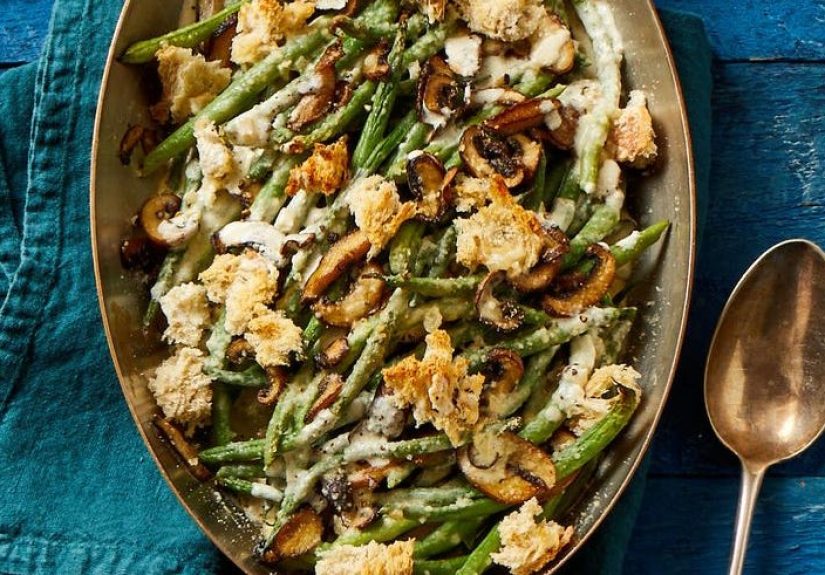
If green bean casserole has ever let you down, chances are it was not the idea of the dish that failed you. It was the texture. Somewhere along the way, the beans turned limp, the sauce got sleepy, and the topping lost its crunch faster than holiday small talk. The good news is that fresh green bean casserole fixes almost all of that. When you start with real green beans, a savory mushroom sauce, and a crisp onion topping added at the right moment, this classic side dish goes from polite obligation to the tray everyone raids for seconds.
This version keeps everything people love about traditional green bean casserole, but gives it a fresher, more flavorful backbone. You still get creamy comfort. You still get golden crunch. You still get that familiar holiday-table charm. But now the beans have bite, the mushrooms actually taste like mushrooms, and the whole thing feels homemade in the best possible way. Not “I spent three days on this and now I need a nap” homemade. More like “wow, this tastes so much better than the one from my childhood potluck” homemade.
Below, you will find a from-scratch method, practical cooking tips, make-ahead advice, easy variations, and real-life serving notes so you can make the best fresh green bean casserole without turning your kitchen into a stress documentary.
Why Fresh Green Bean Casserole Is Worth It
Fresh green bean casserole has one big advantage over shortcut versions: balance. The beans stay bright and tender instead of fading into a soft, grayish memory. A homemade mushroom sauce lets you control the thickness, salt, and richness. And the topping stays crisp because you choose when it goes on, instead of hoping it survives a long steam bath in the oven.
Fresh beans also bring a cleaner flavor. They taste green, lightly sweet, and just earthy enough to stand up to a creamy sauce. That matters, because casserole should not taste like one note repeated for 40 minutes. The magic is in the contrast. Crisp-tender beans. Velvety mushroom sauce. Crunchy onion topping. A little pepper. A little garlic. Maybe a pinch of thyme if you are feeling fancy. Suddenly, this side dish has layers instead of just nostalgia.
Another reason to go fresh is control. You decide whether the sauce leans classic and creamy, a little cheesy, slightly garlicky, or extra mushroom-forward. You can make it more elegant for Thanksgiving, more weeknight-friendly for Sunday dinner, or more indulgent when you want a casserole that behaves like it knows it is the star. Because sometimes a side dish deserves main-character energy.
Ingredients for the Best Fresh Green Bean Casserole
Main ingredients
- 2 pounds fresh green beans, trimmed and cut in half if long
- 2 tablespoons unsalted butter
- 1 tablespoon olive oil
- 12 ounces mushrooms, sliced
- 1 small yellow onion, finely diced
- 3 cloves garlic, minced
- 3 tablespoons all-purpose flour
- 1 1/2 cups whole milk
- 3/4 cup chicken broth or vegetable broth
- 1/2 cup heavy cream
- 1/2 cup grated Parmesan cheese
- 1 teaspoon kosher salt, plus more to taste
- 1/2 teaspoon black pepper
- 1/2 teaspoon onion powder
- 1/2 teaspoon dried thyme or 1 teaspoon fresh thyme leaves
- 1 tablespoon soy sauce or Worcestershire sauce
- 1 1/2 to 2 cups crispy fried onions
Optional upgrades
- A pinch of nutmeg for warmth
- 1 teaspoon Dijon mustard for depth
- Extra Parmesan for the top
- Toasted almonds or panko for added crunch
The ingredient list is simple on purpose. Fresh green bean casserole should taste rich, not crowded. Mushrooms bring savory depth. Garlic and onion build the base. Flour thickens the sauce. Milk and cream make it silky. Parmesan adds salty richness without turning the dish into a cheese bomb. Crispy onions finish the whole thing with the kind of texture that makes people hover near the baking dish pretending they are “just checking on dinner.”
How to Make Fresh Green Bean Casserole
Step 1: Blanch the green beans
Bring a large pot of generously salted water to a boil. Add the green beans and cook for 4 to 5 minutes, until bright green and just tender. Immediately transfer them to a bowl of ice water to stop the cooking. Drain well, then spread them on a clean kitchen towel or paper towels to dry.
This step matters more than people think. Blanching takes away the raw edge, keeps the beans vibrant, and helps them finish cooking evenly in the oven. The ice bath is not kitchen drama; it is texture insurance. Skip it, and your beans may keep cooking into the soft zone before the casserole is even assembled.
Step 2: Build the mushroom base
Preheat the oven to 375°F. In a large skillet or sauté pan, heat the butter and olive oil over medium heat. Add the diced onion and cook for 3 to 4 minutes until softened. Stir in the mushrooms and cook for 8 to 10 minutes, letting their moisture release and cook off. Add the garlic, thyme, onion powder, salt, and black pepper, then cook for 1 more minute.
Do not rush the mushrooms. Pale mushrooms give you polite flavor. Properly cooked mushrooms give you depth, savoriness, and the kind of aroma that makes people wander into the kitchen asking, “What is that?” Let them brown. Let them reduce. Let them become the grown-up backbone of the dish.
Step 3: Make the creamy sauce
Sprinkle the flour over the mushroom mixture and stir well for about 1 minute so the flour cooks slightly and coats everything evenly. Slowly pour in the milk while stirring, then add the broth and heavy cream. Stir until smooth. Add the soy sauce or Worcestershire sauce and simmer for 3 to 5 minutes until the sauce thickens enough to coat a spoon. Stir in the Parmesan cheese until melted.
The sauce should be creamy, not gluey. Thick enough to cling to the beans, but loose enough to bubble gently in the oven. If it gets too thick, add a splash of broth or milk. If it seems too thin, let it simmer another minute or two. This is casserole, not a chemistry exam. Adjusting is allowed.
Step 4: Combine and assemble
Add the drained green beans to the skillet and gently toss to coat them in the sauce. Transfer everything to a greased 9×13-inch baking dish or similar casserole dish. Spread it into an even layer. Top with about 1 cup of crispy fried onions.
At this point, the casserole should look generous, creamy, and ready for applause. Resist the urge to bury it under the full onion supply right away. Saving some topping for the end gives you the best texture and the prettiest finish.
Step 5: Bake until bubbly
Bake for 20 to 25 minutes, until the casserole is hot and bubbling around the edges. Add the remaining crispy onions and, if desired, a little extra Parmesan. Bake for 5 more minutes until the top is golden and crisp.
Let the casserole rest for 5 to 10 minutes before serving. This helps the sauce settle so it stays creamy instead of sliding around like it is late for another appointment.
Best Tips for Green Bean Casserole Success
Dry the beans well
Water is the enemy of a good casserole. If your beans are wet after blanching, they can thin the sauce and make the finished dish watery. A few extra minutes on towels can save the whole pan.
Season in layers
Salt the blanching water, season the mushroom mixture, and taste the sauce before assembling. A bland casserole is hard to rescue later. A well-seasoned one tastes thoughtful, even if you made it while wearing slippers and answering texts.
Do not overbake
The casserole only needs enough time to heat through and crisp on top. If you bake it forever, the beans lose their bite and the sauce can separate. This dish likes confidence, not punishment.
Add the crunchy topping late
If you add all the onions too early, they can soften. A two-stage topping gives you both flavor and texture. It is the casserole version of having your cake and eating it too, except saltier and much more suitable next to turkey.
Make-Ahead, Storage, and Reheating
Fresh green bean casserole is wonderfully make-ahead friendly. You can blanch the beans and make the mushroom sauce a day in advance. You can also assemble the casserole, cover it, and refrigerate it for up to 24 hours before baking. Leave off most or all of the crispy onion topping until just before it goes into the oven.
If baking from the refrigerator, let the dish sit at room temperature for about 20 to 30 minutes while the oven heats, then add a few extra minutes to the bake time. Once cooked, leftovers keep well in the refrigerator for up to 3 days. Reheat in the oven at 350°F when possible so the topping has a chance to perk back up. The microwave works, but it will trade crunch for convenience, which is a very common life decision.
Freezing is possible, but not ideal for a cream-based casserole. The sauce can separate, and the topping definitely loses its sparkle. If you must freeze, do it before baking and add a fresh topping later.
Easy Variations to Try
More classic
Keep the seasoning simple and use store-bought crispy fried onions. This gives you the familiar holiday flavor with fresher beans and a better sauce.
More elegant
Use shallots instead of onion, add fresh thyme, and finish with a little grated nutmeg or extra Parmesan. This version tastes right at home on a fancy Thanksgiving menu.
Extra crunchy
Mix some panko or chopped toasted almonds into the topping. The contrast is excellent and makes the top feel extra golden and dramatic.
Vegetarian
Use vegetable broth and make sure your crispy onion topping is vegetarian-friendly. The casserole still comes out rich and satisfying.
Weeknight shortcut
Use pre-trimmed green beans and store-bought fried onions. You still get the fresh-bean upgrade without turning dinner into a project.
What to Serve with Fresh Green Bean Casserole
This casserole belongs on holiday tables, of course, but it is not limited to Thanksgiving. It pairs beautifully with roast chicken, glazed ham, pork tenderloin, meatloaf, or even a simple baked chicken dinner when you want the side dish to do a little showing off. Add mashed potatoes, stuffing, biscuits, or cranberry sauce for a classic comfort-food spread.
It also works surprisingly well in smaller meals. A scoop next to grilled chicken and a crisp salad can make an ordinary dinner feel like someone actually planned it. Which, to be fair, you did.
Conclusion
The best fresh green bean casserole recipe is not about reinventing a classic until nobody recognizes it. It is about keeping the heart of the dish while improving the parts that usually disappoint. Fresh beans give you structure. A homemade mushroom sauce gives you real flavor. A crispy onion topping gives you the crunch that makes each bite satisfying. Put those together, and you get a casserole that feels nostalgic, but tastes better than memory.
Whether you serve it at Thanksgiving, Christmas, Sunday dinner, or a random weeknight when comfort food sounds like a very good idea, this fresh green bean casserole delivers. It is creamy without being heavy, familiar without being boring, and just fancy enough to earn compliments without demanding a full culinary performance. That is my kind of side dish.
Kitchen Experiences: What Happens When You Make It in Real Life
Here is the funny thing about fresh green bean casserole: people often approach it with low expectations and then act genuinely shocked when it becomes one of their favorite things on the table. I have seen this happen again and again. Someone says, “Oh, I usually just take a tiny scoop,” and then somehow that same person is scraping the corner of the dish for the last crispy onions. Fresh ingredients change the whole mood of the casserole. It stops being the sleepy vegetable side and starts behaving like something people actually crave.
One of the biggest lessons from making this dish repeatedly is that texture is everything. The first time I made a truly good fresh green bean casserole, I realized I had been accepting mush for far too long. When the beans are blanched properly, they stay tender but still have a bit of snap. That small detail makes the casserole feel alive instead of tired. It also gives the sauce something to cling to, rather than drowning everything in creaminess. The result is richer, but somehow also fresher.
Another real-life lesson is that mushrooms need patience. If you toss them in the pan and stir them for two rushed minutes, they just sit there looking pale and watery, like they are not fully committed to the assignment. But if you let them cook down until their moisture evaporates and their edges deepen in color, the flavor changes dramatically. Suddenly the sauce tastes layered and savory, not flat. It is one of those little kitchen moments that makes you feel smarter than you were 10 minutes ago.
I have also learned that topping strategy can make or break the whole dish. The first time I added all the onions at the start, they softened too much by serving time. The flavor was still good, but the crunch was gone, and without crunch, casserole can feel a little too cozy. These days, I always hold some onions back for the final few minutes of baking. That simple move gives the top a fresher, lighter crispness and makes the casserole look much more inviting when it hits the table.
Fresh green bean casserole is also one of those dishes that teaches you how valuable make-ahead prep can be. On a busy holiday, having the beans blanched and the sauce already made feels like a gift from your calmer, more organized self. Then all that is left is assembling, topping, and baking. It is the culinary equivalent of finding cash in an old coat pocket. Small miracle, huge emotional impact.
What surprises many cooks is how flexible this recipe is once you understand the structure. You can make it more classic, more elegant, more cheesy, more garlicky, or a little nuttier with toasted almonds on top. You can serve it next to turkey, ham, roast chicken, or even a simple weeknight pork chop. It still works because the base formula is strong: fresh beans, flavorful sauce, crunchy topping. Once you get that right, the rest is just personality.
And finally, there is the table reaction. Fresh green bean casserole has a way of turning skeptics into fans because it feels familiar and improved at the same time. It tastes like the dish people remember, only brighter, sharper, and more balanced. That is probably why it disappears faster than expected. Nobody talks much about green bean casserole before dinner. After dinner, though, people remember who made the good one. That alone is reason enough to keep this recipe in your regular rotation.