Table of Contents >> Show >> Hide
- First, a 60-second blood pressure reality check
- Step 0: Know your numbers (and measure them like a pro)
- The biggest levers for lowering blood pressure naturally (ranked by impact)
- 1) Lose a little weight (if you have extra) and shrink the “waistline risk zone”
- 2) Move your body like it has a job (150 minutes/week is the classic target)
- 3) Eat the DASH way: the blood-pressure-friendly “default settings” diet
- 4) Sodium: the stealthy saboteur (most of it isn’t from your salt shaker)
- 5) Potassium (from food) helps counter sodiumwithin reason
- 6) Alcohol: if you’re underage, the answer is simpleavoid it
- 7) Quit smoking (and avoid nicotine in any form)
- 8) Sleep: the underrated blood pressure intervention
- 9) Stress: you can’t delete it, but you can train your response
- 10) Caffeine: know your personal sensitivity
- 11) Watch for “stealth raisers” (OTC meds and everyday choices)
- A simple 14-day “no-med” blood pressure reset plan
- When lifestyle isn’t enough (and that’s okay)
- Real-Life Experiences: What People Often Notice When They Lower Blood Pressure Without Medication
- Conclusion
Blood pressure is the ultimate “quiet coworker.” It can be doing something dramatic while looking completely calm.
And because high blood pressure often doesn’t come with loud symptoms, lots of people don’t notice it until a routine checkup
(or a very unromantic lecture from their doctor).
The good news: for many peopleespecially those with elevated blood pressure or stage 1 hypertensionlifestyle changes can meaningfully
lower blood pressure without medication, or reduce the amount of medication needed. The important caveat (because your future self deserves honesty):
sometimes lifestyle isn’t enough, and medication is still the safest option. This article is about stacking the odds in your favornaturally, realistically,
and without turning your kitchen into a spinach monastery.
First, a 60-second blood pressure reality check
Blood pressure is written as systolic/diastolic. Systolic (top number) is the pressure when your heart beats.
Diastolic (bottom number) is the pressure when your heart relaxes between beats.
| Category | Systolic (top) | Diastolic (bottom) |
|---|---|---|
| Normal | < 120 | < 80 |
| Elevated | 120–129 | < 80 |
| Stage 1 Hypertension | 130–139 | or 80–89 |
| Stage 2 Hypertension | ≥ 140 | or ≥ 90 |
| Hypertensive Crisis (urgent) | > 180 | and/or > 120 |
Safety note: If you ever get a reading in the crisis range, don’t “wait and see” as a personality trait.
Follow your clinician’s guidance. If that high reading comes with warning signs like chest pain, shortness of breath, weakness, numbness,
vision changes, or trouble speaking, seek emergency help immediately.
Step 0: Know your numbers (and measure them like a pro)
Before you try to “lower” anything, make sure you’re measuring it correctlybecause bad technique can turn a normal day into a fake medical drama.
Home monitoring is powerful when done right.
- Use the right cuff size. A too-small cuff can read artificially high.
- Prep like you’re taking a photo: avoid caffeine, exercise, and nicotine for about 30 minutes beforehand.
- Sit correctly: back supported, feet flat, legs uncrossed, arm supported at heart level.
- Rest quietly for 5 minutes (yes, quietlyno doomscrolling debates).
- Take 2–3 readings about a minute apart and record them.
- Look for patterns over days, not one dramatic number after a stressful email.
If your readings are consistently high, bring your log to a clinician. Don’t stop any prescribed medication without medical guidancethink of lifestyle
as your foundation, not a rebellious substitute.
The biggest levers for lowering blood pressure naturally (ranked by impact)
You don’t need 27 micro-habits. You need a few high-impact moves done consistently. Here are the ones that tend to matter most.
1) Lose a little weight (if you have extra) and shrink the “waistline risk zone”
If you’re carrying extra weightespecially around the midsectionblood pressure often follows. Even modest weight loss can improve blood pressure
because it reduces strain on the heart and improves how blood vessels respond.
Practical example: Instead of a crash diet, aim for a repeatable routine: protein + fiber at meals, fewer sugary drinks, and daily walking.
The goal isn’t perfection; it’s momentum.
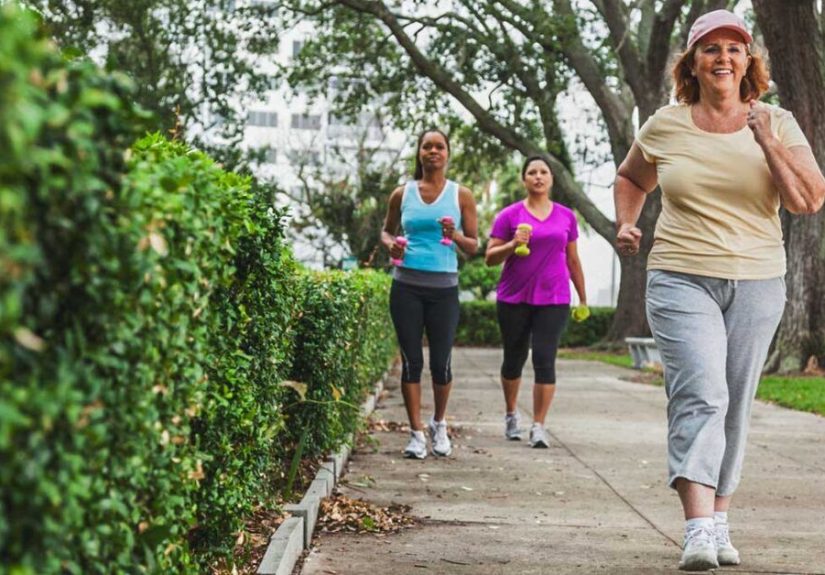
2) Move your body like it has a job (150 minutes/week is the classic target)
Regular physical activity helps keep blood pressure healthier and supports weight management. A common goal for adults is about
150 minutes per week of moderate-intensity activity (think brisk walking), plus some strength work.
If you’re a teen, daily activity is recommendedyour body is basically built to move.
- Cardio: brisk walking, cycling, swimminganything you’ll actually keep doing.
- Strength training: 2 days/week (bodyweight counts).
- Bonus tool: short “movement snacks” (10 minutes) still add up.
Try this: a 10-minute walk after two meals per day. It’s simple, it’s realistic, and it quietly adds up to a lot of weekly movement.
3) Eat the DASH way: the blood-pressure-friendly “default settings” diet
The DASH eating pattern (Dietary Approaches to Stop Hypertension) is one of the most evidence-backed ways to lower blood pressure with food.
The big idea: more fruits, vegetables, whole grains, beans, nuts, and lean proteinsless saturated fat, added sugar, and sodium.
DASH also emphasizes nutrients like potassium, magnesium, calcium, and fiberyour arteries’ favorite roommates.
What DASH looks like on a plate:
- Half the plate: colorful vegetables + fruit
- One quarter: whole grains (brown rice, oats, whole-wheat pasta)
- One quarter: lean protein (fish, poultry, beans, tofu)
- Add-ons: nuts/seeds, olive oil, low-fat dairy (if you tolerate it)
4) Sodium: the stealthy saboteur (most of it isn’t from your salt shaker)
Cutting sodium can lower blood pressure, but here’s the twist: for many people, the main sodium source isn’t table saltit’s
packaged and processed foods. So the strategy isn’t just “stop salting.” It’s “stop letting the snack aisle salt you.”
Many guidelines point to keeping sodium under 2,300 mg/day, and for many adults,
1,500 mg/day can lower blood pressure even further.
- Swap: deli meat → roasted chicken you slice yourself
- Swap: canned soup → low-sodium soup or homemade batch
- Swap: salty sauces → herbs, citrus, garlic, vinegar, chili
- Restaurant trick: ask for sauces/dressings on the side; choose grilled/steamed when possible
Label-reading shortcut: compare two similar foods and pick the one with noticeably less sodium per serving.
You don’t need to memorize numbersyou need better defaults.
5) Potassium (from food) helps counter sodiumwithin reason
Potassium helps balance sodium and supports blood vessel relaxation. Foods rich in potassium are commonly encouraged for blood pressure support,
especially when they replace ultra-processed foods.
Potassium-rich foods (easy wins):
- Beans and lentils
- Leafy greens (spinach), tomatoes, squash
- Potatoes and sweet potatoes
- Bananas, oranges, avocados
- Yogurt or milk (if appropriate for you)
Important caution: If you have kidney diseaseor you’re older, or you take certain medicationstoo much potassium can be risky.
Don’t start potassium supplements without medical guidance. Food-first is usually the safest play.
6) Alcohol: if you’re underage, the answer is simpleavoid it
Alcohol can raise blood pressure, and limiting it is a common recommendation in major health guidance.
If you’re not of legal drinking age: don’t drink. If you are of legal age and choose to drink, the advice is typically to keep it modest,
and some newer guidance emphasizes that “less is better” for heart health.
7) Quit smoking (and avoid nicotine in any form)
Smoking and nicotine are rough on blood vessels and cardiovascular health. If your goal is lower blood pressure and better long-term heart outcomes,
quitting is one of the most powerful moves you can make. If you don’t smoke, don’t start. If you’re trying to quit, get supportthis is a “team sport,” not a willpower contest.
8) Sleep: the underrated blood pressure intervention
Poor sleep and sleep deprivation are linked with higher blood pressure and worse heart health over time. Aim for consistent, high-quality sleep.
Adults often target 7–9 hours nightly; teens generally need more. Your body does a lot of behind-the-scenes repair work while you’re asleeplike a night shift you don’t have to micromanage.
- Keep a consistent sleep and wake time (even on weekends, within reason).
- Cut screens 30–60 minutes before bed (your brain isn’t a flashlight).
- Limit late caffeine if it disrupts your sleep.
- Ask a clinician about possible sleep apnea if you snore loudly or feel very sleepy during the day.
9) Stress: you can’t delete it, but you can train your response
Stress can cause short-term spikes in blood pressure. And while life will keep lifing, your nervous system can learn new defaults.
Stress management isn’t “be calm.” It’s “build skills.”
- Breathing: slow, controlled breathing for 2–5 minutes when you feel activated
- Mindfulness/meditation: start with 5 minutes, not 45
- Yoga or stretching: especially after work/school stress
- Movement: walking is sneaky-good for stress
- Hobbies & people: yes, joy is part of cardiovascular care
Mini-practice: inhale for 4 seconds, exhale for 6 seconds, repeat for 2 minutes. You’re telling your body, “We’re safe. Stand down.”
10) Caffeine: know your personal sensitivity
Caffeine can raise blood pressure in some peopleespecially if they don’t consume it often. People who drink caffeine regularly may develop tolerance,
and long-term links are less clear. The practical approach: if your blood pressure is high, monitor how caffeine affects your readings.
Easy experiment: take a morning blood pressure reading on a day without caffeine and compare it to a day with your usual intake (using proper technique).
11) Watch for “stealth raisers” (OTC meds and everyday choices)
Not all blood pressure triggers come in a potato chip bag. Some common medications and products can raise blood pressure.
A classic example: decongestants found in some cold/flu remedies. Some NSAIDs (common pain relievers) can also nudge blood pressure upward in certain people.
If you have high blood pressure, read labels carefully and ask a pharmacist or clinician what’s safest for you.
Also consider the “everyday” stealth raisers: frequent ultra-processed meals, high-stress routines with little recovery, and inconsistent sleep.
None of these are moral failures. They’re just leversand levers can be moved.
A simple 14-day “no-med” blood pressure reset plan
If you want results, give your lifestyle changes a structure. Here’s a two-week plan that’s realistic enough to survive real life.
(No, you don’t have to become a monk. Just stop eating like a stressed raccoon.)
Daily (10–45 minutes total, depending on your schedule)
- Move: 20–30 minutes brisk walk (or split into two 10–15 minute walks)
- Plate rule: half vegetables/fruit at two meals
- Sodium swap: replace one processed item with a lower-sodium option
- Stress skill: 2–5 minutes slow breathing
- Sleep anchor: fixed bedtime or fixed wake time
Three times per week
- Strength: 20 minutes (bodyweight squats, push-ups, rows with bands, planks)
- Meal prep: cook one DASH-style recipe (chili with beans, sheet-pan chicken and veggies, lentil soup)
Home monitoring (optional but helpful)
- Check blood pressure at the same time of day, several days per week.
- Track average trends over 1–2 weeks, not single readings.
What to expect: some people notice improvements within a couple weeks, especially from sodium reduction, activity, and better sleep.
Others need longer. Either way, consistency beats intensity.
When lifestyle isn’t enough (and that’s okay)
Lifestyle changes are powerful, but they aren’t a magic spell. Genetics, kidney health, hormones, sleep apnea, and other medical factors can keep blood pressure high
even with “perfect” habits. Also, if your blood pressure is in stage 2 range or higher, clinicians often recommend a more urgent and structured planwhich may include medication.
Think of it this way: lifestyle is the foundation that helps everything work betterwhether you’re medication-free or not.
If medication is needed, it’s not a defeat. It’s a tool.
Real-Life Experiences: What People Often Notice When They Lower Blood Pressure Without Medication
This section shares common, real-world experiences people report when they focus on lifestyle changes for blood pressure.
These are composite stories and patterns (not medical advice, and not a promise of identical results), meant to make the process feel more humanand less like a textbook.
The “I Didn’t Know Bread Was Salty” Moment
Many people start with the same assumption: “I don’t add much salt, so sodium isn’t my thing.” Then they look at labels and realize the sodium is hiding
in everyday itemsbread, cereal, sauces, deli meats, frozen meals, and restaurant food. A common turning point is swapping just a few staples:
lower-sodium bread, unsalted nuts, reduced-sodium canned beans (rinsed), and cooking a couple meals at home each week.
What people often notice: less bloating, fewer “puffy” mornings, and blood pressure readings that stop swinging wildly.
It’s not glamorous, but it’s effectivelike flossing for your arteries.
The Walking Upgrade (AKA: The Most Underrated Habit on Earth)
Another frequent experience is discovering that walkingespecially after mealsdoes more than “count as exercise.”
People who commit to a simple routine (like a 20-minute brisk walk most days, or two 10-minute walks) often report improved energy and mood within a week or two.
The habit is easy to repeat, doesn’t require equipment, and quietly supports weight management, stress relief, and sleep quality.
A common pattern: the first few days feel annoying (“Do I really have to?”), then it becomes a mental reset button.
Some people start using walking to replace a late-afternoon snack habit, which adds an extra benefit without feeling like restriction.
The Sleep Fix That Changes Everything
People don’t expect sleep to affect blood pressureuntil they track both. A surprisingly common “aha” moment is seeing higher readings after short sleep,
late nights, or inconsistent schedules. When people set a consistent bedtime, reduce late screen time, and cut caffeine earlier, they often report:
fewer headaches, better focus, and less “wired-tired” anxiety.
For some, sleep improvements reveal a deeper issue: loud snoring, waking up gasping, or constant daytime sleepiness.
When sleep apnea is treated, blood pressure sometimes improves dramaticallyone reason clinicians care so much about sleep quality.
Stress Skills: From “I’m Fine” to “Oh… I Wasn’t Fine”
Many people underestimate how much their nervous system lives in “high alert.” They’re not panicking; they’re just always on.
Learning basic stress skillsslow breathing, short meditation, yoga, journaling, or even a regular hobbycan shift the body out of that constant tension.
People often describe it as feeling less reactive: fewer spikes after arguments, fewer “my heart is racing” moments, and improved sleep.
It’s not about eliminating stress; it’s about building recovery so your body isn’t stuck in overdrive.
The “My BP Cuff Taught Me Humility” Phase
Home monitoring can be oddly emotional. People frequently discover that technique matterstalking during a reading, crossing legs, using the wrong cuff size,
or measuring right after rushing around can inflate numbers. Once they learn proper technique and track trends, a lot of anxiety drops.
Another common experience: blood pressure improves in “steps,” not a smooth line. People see a week of better averages, then a stressful week bumps numbers,
then improvements return. This is normal. Bodies aren’t spreadsheets.
The Best “Non-Medication” Surprise: Better Overall Health
One of the most encouraging patterns is that blood pressure-focused habits tend to spill over into other wins:
improved cholesterol patterns, better blood sugar control, more stable energy, and a stronger sense of control.
People often say, “I started this for my blood pressure, but I stayed because I felt better.”
If you take only one lesson from these experiences, make it this: start small, track trends, and build a lifestyle you can repeat.
Lowering blood pressure naturally is rarely about one heroic changeit’s about a handful of smart defaults done consistently.
Conclusion
Lowering blood pressure without medication is absolutely possible for many peopleespecially when the plan focuses on the highest-impact habits:
accurate monitoring, consistent activity, DASH-style eating, sodium reduction, food-first potassium, better sleep, and stress skills.
The secret isn’t intensity; it’s consistency.
And if you do need medication? Lifestyle still mattersoften making treatment more effective and protecting your long-term heart, brain, and kidney health.
Either way, you’re not chasing a number. You’re building a body that runs smoother for decades.