Table of Contents >> Show >> Hide
- The short answer: yes, but keep your expectations reasonable
- What is passionflower tea, exactly?
- What the research says about passionflower and sleep
- Why passionflower tea might help you sleep
- Who is most likely to notice a benefit?
- How to try passionflower tea before bed
- Safety: who should be careful with passionflower?
- When passionflower tea is not enough
- Real-world experiences with passionflower tea before bed
- Final verdict
There is a certain kind of nighttime optimism that begins with a mug. You know the one. The kitchen light is low, your phone is finally face-down, and you are standing there hoping that one warm, fragrant cup of something herbal will gently escort your brain to bed like a polite bouncer. Among the usual sleepy-time suspects, passionflower tea often gets a lot of attention. It sounds romantic, botanical, and just mysterious enough to feel powerful. But can drinking passionflower tea before bed actually help you sleep, or is it just a fancy way to sip hot water while your thoughts continue doing cartwheels?
The honest answer is refreshingly unglamorous: it may help some people, but it is not a guaranteed sleep fix. Research on passionflower suggests it may support relaxation and improve certain sleep measures, especially when stress or nighttime restlessness are part of the problem. At the same time, the evidence is still limited, results are mixed, and tea is not the same thing as a prescription treatment or even a concentrated supplement extract.
Still, that does not mean passionflower tea belongs in the “nice try, next” category. For the right person, in the right bedtime routine, it may be a genuinely useful tool. The key is knowing what passionflower tea can do, what it probably cannot do, and how to use it without expecting miracles in a mug.
The short answer: yes, but keep your expectations reasonable
If your main sleep issue is that your body is tired but your mind is still writing emails, replaying awkward conversations from 2017, or building an entirely unnecessary life plan at 11:43 p.m., passionflower tea may be worth trying. It appears to have mild calming properties, and some studies suggest passionflower may improve subjective sleep quality or total sleep time.
That said, passionflower tea is not a knockout punch. It is more like a gentle nudge. Think less “lights out in five minutes” and more “the runway to sleep may feel smoother.” If your insomnia is chronic, severe, or tied to another issue like sleep apnea, depression, medication side effects, reflux, pain, or heavy caffeine use, passionflower tea is unlikely to solve the whole problem on its own.
What is passionflower tea, exactly?
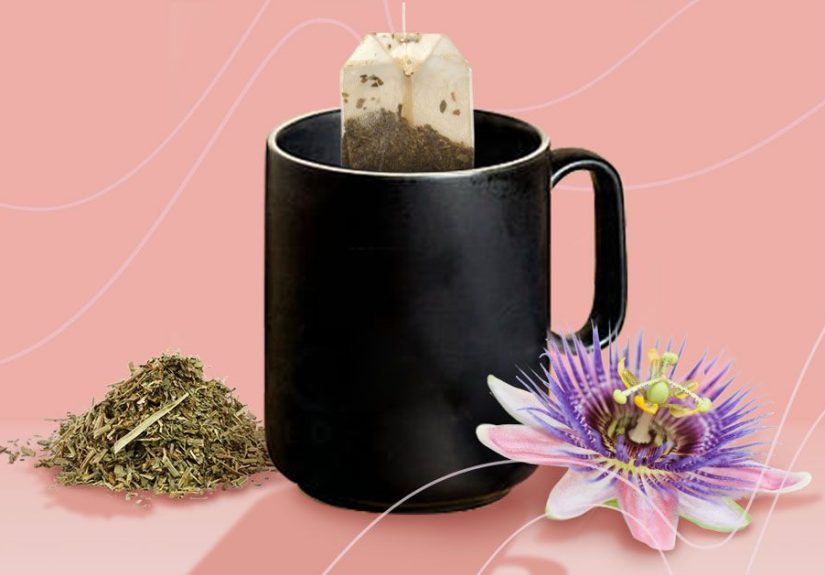
Passionflower usually refers to Passiflora incarnata, a climbing vine with striking purple-and-white flowers. It is native to the southeastern United States and has a long history of use as a traditional calming herb. The tea is typically made from the aerial parts of the plant, including the leaves, stems, and flowers, rather than from the sweet passion fruit you might add to a smoothie.
That distinction matters. Passionflower tea is an herbal infusion, not fruit juice and not standard caffeinated tea. Ideally, if you are drinking it before bed, you want a caffeine-free product made from passionflower itself, not a “sleep blend” that sneaks in green tea or another ingredient that keeps your eyes open while your mug is trying its best.
What the research says about passionflower and sleep
This is where the conversation gets interesting. The research on passionflower is not huge, but it is not imaginary either.
Small tea studies suggest a possible benefit
One of the best-known human studies looked specifically at passionflower herbal tea rather than a pill. The results suggested a modest improvement in subjective sleep quality. That is important because subjective sleep quality is not meaningless. If you wake up feeling like you actually slept instead of merely serving a sentence in bed, that counts for something.
In practical terms, this means a nightly cup of passionflower tea may help some people feel that they are sleeping better, even if the improvement is subtle rather than dramatic. The tea may not transform a chronic insomniac into a morning person who wakes up chirping, but it could make the difference between a jagged night and a smoother one.
Insomnia studies show mixed but promising signals
Other research on passionflower extracts in adults with insomnia has found improvements in total sleep time, while some other sleep measures were mixed. More recent clinical work has also reported better sleep efficiency, faster sleep onset, and improved sleep quality in participants with stress and sleep problems.
Here is the important reality check: many of these studies are relatively small, some use extracts rather than tea, and not all of them show sweeping improvements across every insomnia symptom. So the science does not support saying, “Passionflower tea definitely cures sleep problems.” It supports a more careful statement: passionflower seems promising, especially for mild sleep trouble linked with stress or nervous tension, but the evidence is still developing.
Tea and supplements are not the same thing
Another nuance worth keeping on your nightstand: a cup of passionflower tea is not identical to a concentrated extract in a capsule. Some studies use doses or formulations that are stronger and more standardized than what you get from a tea bag. That means the research can point us in a helpful direction, but it does not guarantee your evening tea will produce identical results.
In other words, the science supports curiosity, not overconfidence.
Why passionflower tea might help you sleep
There are a few reasons passionflower tea may be useful before bed.
1. It may promote relaxation through brain signaling
Passionflower is thought to interact with the GABA system, which plays a role in calming brain activity. GABA is the neurochemical equivalent of a librarian who enters a noisy room and says, “Let us all lower the volume.” When GABA activity is supported, the mind may feel less revved up, which can make it easier to drift into sleep.
This does not mean passionflower works like a prescription sedative. It is much gentler than that. But if bedtime restlessness is your main enemy, even a mild calming effect can be helpful.
2. It may be especially helpful when stress is the real problem
For many adults, the problem is not a total inability to sleep. The problem is that stress shows up in pajamas. If your sleep trouble is tied to feeling wired, tense, or mentally overloaded, passionflower may help because some research suggests it can reduce stress and anxiety symptoms. That can create better conditions for sleep, even if the tea itself is not “sedating” in the movie-scene sense.
3. The bedtime ritual matters too
Let us give a little credit to ritual. A warm, caffeine-free drink consumed at the same time every evening can become a cue that tells your body, “We are closing the shop now.” That matters more than people think. Good sleep habits are not glamorous, but they are powerful. A consistent routine, lower evening caffeine, lighter late-night eating, and a calm wind-down period all improve your odds of sleeping better. Passionflower tea can fit beautifully into that system.
So yes, part of the benefit may come from the herb itself. Part may come from replacing less helpful evening habits, like doomscrolling with a side of iced coffee. Sometimes progress begins by not sabotaging yourself in decorative ways.
Who is most likely to notice a benefit?
Passionflower tea may be most useful for people who:
- feel mentally keyed up at bedtime,
- have mild, occasional trouble falling asleep,
- want a caffeine-free nighttime ritual,
- are looking for a gentle, nonprescription sleep support option, or
- notice that stress and anxiety are major contributors to poor sleep.
It may be less useful for people whose sleep problems are driven by untreated medical issues, very severe insomnia, irregular shift work, heavy evening alcohol use, hidden caffeine intake, or sleep disorders that need formal diagnosis and treatment.
How to try passionflower tea before bed
If you want to test whether passionflower tea helps you sleep, keep it simple and consistent.
Choose the right product
Pick a caffeine-free herbal tea made with passionflower. Read the label carefully. “Tea for sleep” sounds lovely, but product labels sometimes include ingredients that are not ideal before bed. If the blend contains green tea, black tea, or anything stimulating, that is not your sleep ally.
Drink it 30 to 60 minutes before bedtime
This gives you enough time to settle down, finish the cup, and avoid chugging fluids so late that your bladder becomes the evening’s main character at 2 a.m.
Pair it with decent sleep hygiene
Passionflower tea works best in a system that already respects sleep. Dim the lights. Avoid caffeine and alcohol late in the day. Skip heavy meals right before bed. Keep your room cool, dark, and quiet. If your brain starts tap dancing, try journaling or reading something calm instead of launching into a midnight screen marathon.
Give it a fair trial
One cup may make a difference, but sleep habits often respond better to consistency than heroics. Try a short trial over several evenings and notice what changes: Do you feel sleepier? Fall asleep faster? Wake less tense? Or does nothing happen except you become more hydrated and slightly judgmental about herbal flavor notes? All useful information.
Safety: who should be careful with passionflower?
Just because something is herbal does not mean it is risk-free. Passionflower may cause drowsiness, dizziness, or confusion in some people. It can also interact with certain medications and may add to the effects of sedatives.
You should be especially cautious if you are pregnant, breastfeeding, taking sleep medications, anti-anxiety medications, or other drugs that affect alertness. People who are preparing for surgery should also talk to a healthcare provider, because passionflower may interact with anesthesia-related medications. Some expert sources also advise caution with medications that affect heart rhythm.
If you are taking prescription medication, have a chronic medical condition, or tend to react strongly to supplements and herbs, it is smart to check with a clinician before making passionflower tea your official bedtime sidekick.
When passionflower tea is not enough
If your sleep trouble has been going on for weeks or months, is affecting daytime functioning, or comes with loud snoring, gasping, leg discomfort, persistent anxiety, depression, or heavy daytime sleepiness, do not put all your hopes in a teacup. Ongoing insomnia deserves real attention.
For chronic insomnia, experts typically recommend cognitive behavioral therapy for insomnia (CBT-I) as a first-line treatment. That is because chronic insomnia is often maintained by learned patterns, stress, hyperarousal, and unhelpful bedtime behaviors. Tea can be comforting, but CBT-I is designed to actually change the sleep system.
So if passionflower tea helps a little, great. If it does not help enough, that is not a personal failure or a botanical betrayal. It just means your sleep may need a more targeted plan.
Real-world experiences with passionflower tea before bed
When people talk about passionflower tea, their experiences tend to fall into a few familiar patterns. The first is the “my brain finally stopped speed-running life” response. These are the people who do not necessarily get instantly sleepy, but they notice that the emotional volume comes down. Their shoulders unclench. The inner monologue stops hosting a panel discussion. Sleep feels less like a wrestling match and more like something they can ease into.
Then there is the “subtle but useful” group. These people often describe passionflower tea as helpful in a quiet way. They still follow a normal bedtime routine, still brush their teeth, still adjust the pillow four times like it personally offended them, but once they are in bed, sleep seems to arrive with less negotiation. They may not sleep an extra three hours or wake up feeling like a mattress commercial, yet they notice fewer frantic clock checks and a smoother transition from wakefulness to rest.
Another common experience is that the tea works best when stress is the real issue. Someone with a packed schedule, racing thoughts, or end-of-day tension may find that passionflower tea feels calming because it creates a psychological bridge between “doing everything” and “doing absolutely nothing, which is now the assignment.” For these people, the tea is partly herbal support and partly ritual. The warmth, the scent, the act of slowing down, and the repeated bedtime cue all work together.
Of course, not everyone joins the fan club. Some people try passionflower tea and feel… nothing. No extra sleepiness, no magical calm, no dramatic improvement, just a warm beverage and a renewed appreciation for how complicated sleep really is. That does not mean the herb is useless. It means sleep problems are personal, and what helps one person float off may leave another person wide awake and rating tea bags on attitude alone.
There is also the “it helped, but not enough” experience. This is common in people with deeper sleep issues. They may feel relaxed after drinking the tea, fall asleep a little more easily, and still wake up in the middle of the night because the real problem is reflux, chronic stress, pain, inconsistent sleep habits, or a true sleep disorder. Passionflower may soften the edges, but it may not solve the whole picture.
And then there are the practical lessons people learn fast. One is that not every bedtime tea is truly bedtime-friendly. A blend that includes green tea or even a small amount of caffeine can completely undermine the mission. Another is that passionflower tea seems to work better when it replaces less helpful evening habits rather than getting layered on top of them. A cup of tea followed by dim lights, a quiet room, and a regular bedtime is one thing. A cup of tea followed by emails, social media, and a 10:45 p.m. dessert the size of a casserole is a very different experiment.
In short, real-world experiences with passionflower tea are usually not dramatic movie moments. They are smaller, more believable shifts: feeling calmer, falling asleep with less friction, or simply turning bedtime into a gentler routine. For many people, that is more than enough to make the tea worth keeping in the cabinet.
Final verdict
So, can drinking passionflower tea before bed help you sleep? Yes, it mightespecially if your sleep troubles are mild, occasional, and tangled up with stress or an overactive mind. The evidence suggests passionflower has real potential, and many people are drawn to it because it offers a gentle, caffeine-free way to wind down.
But it is not a miracle brew, and it should not be marketed like one. The research is promising, not definitive. The benefit may be modest. Tea may work differently than standardized extracts. And if your insomnia is chronic or disruptive, the smarter move is to treat the root cause, not just romantically steep it.
Still, as part of a calm bedtime routine, passionflower tea earns a respectable place on the shelf. It may not knock on your bedroom door wearing a lab coat and carrying perfect sleep, but it might help your evening feel quieter, softer, and more sleep-friendly. And frankly, for many tired adults, that is a pretty good start.