Table of Contents >> Show >> Hide
- What Are Catecholamines (and Why Should You Care)?
- Purpose: Why a Catecholamine Blood Test Is Ordered
- Blood vs. Urine vs. “Metanephrines”: Which Test Is Best?
- Procedure: What Happens During the Catecholamine Blood Test
- Preparation: How to Get the Most Accurate Results
- What the Results May Mean (and Why One Number Rarely Tells the Whole Story)
- Accuracy Pitfalls and “False Positives”: Why Prep Is Not Optional
- Risks and Side Effects
- Frequently Asked Questions
- Experiences: What People Commonly Notice (and What Helps)
- Conclusion
If your body had a “fight-or-flight” soundtrack, catecholamines would be the drumline. These stress hormonesepinephrine (adrenaline), norepinephrine, and dopamine help control heart rate, blood pressure, sweating, and how ready you feel to sprint away from a surprise email marked “URGENT.” A catecholamine blood test measures the amount of these hormones in your bloodstream to help clinicians investigate certain medical conditionsmost famously rare adrenal and nerve-related tumors that can cause sudden spikes in symptoms.
Here’s the catch: catecholamines change quickly. They can rise because you’re anxious, because you just climbed stairs, because you had caffeine, because you’re in pain, or because your body decided today is “extra.” That’s why this test is all about smart timing and careful preparation. In this guide, you’ll learn what the test is for, what actually happens during the blood draw, how to prepare so your results are meaningful, and what results may imply.
What Are Catecholamines (and Why Should You Care)?
Catecholamines are hormones and neurotransmitters made primarily by the adrenal glands (which sit on top of your kidneys) and by nerve tissue. The three most commonly discussed in testing are:
- Epinephrine: increases heart rate and blood flow to muscles; the classic “adrenaline rush.”
- Norepinephrine: tightens blood vessels, raising blood pressure; helps keep you alert.
- Dopamine: involved in movement, motivation, and also can be produced by certain tumors.
Most of the time, your body releases these chemicals in tiny bursts. But in some conditionsespecially certain tumors catecholamines may be released in higher amounts and/or unpredictably, causing symptoms that can look like severe anxiety, panic attacks, or hard-to-control high blood pressure.
Purpose: Why a Catecholamine Blood Test Is Ordered
A catecholamine blood test is most often used to help diagnose or rule out rare tumors that produce catecholamines. These include:
- Pheochromocytoma: a usually noncancerous tumor in the adrenal medulla that can secrete catecholamines.
- Paraganglioma: a similar tumor arising from nerve tissue (often outside the adrenal gland).
- Neuroblastoma (more often in children): typically evaluated with urine catecholamine metabolites, not usually blood catecholamines.
Clinicians may consider this test if you have episodes (“spells”) that suggest catecholamine surges, such as:
- Sudden, severe headaches
- Heart racing (palpitations) or pounding heartbeat
- Heavy sweating without a clear reason
- Tremors, shakiness, or feeling “wired”
- Skin flushing or pallor
- High blood pressure that is hard to control, or dramatic BP spikes
Real-world example: A patient reports weekly episodes lasting 10–20 minutes: pounding headache, sweating, and a heart rate that skyrocketsfollowed by exhaustion. Their blood pressure is normal at routine visits, but spikes during episodes. Testing for catecholamine-related conditions can help explain why.
Blood vs. Urine vs. “Metanephrines”: Which Test Is Best?
Many people hear “catecholamine test” and assume there’s only one. In practice, clinicians commonly use a mix of tests, because different markers behave differently in the body.
Urine catecholamines (often 24-hour collection)
Urine testing can capture hormone output over time, which is helpful when symptoms come and go. It also reduces the “snapshot problem” of a blood test taken at the wrong moment.
Plasma catecholamines (blood)
A blood test can be useful when symptoms are happening in real time. Some lab guidance notes that if a sample is collected during a “spell,” it can be more diagnostically useful. But because catecholamines fluctuate rapidly, the test can be sensitive to posture, stress, exercise, caffeine, nicotine, and certain medications.
Plasma/urine metanephrines (often preferred for screening)
Many clinical references emphasize that metanephrines (breakdown products of catecholamines) are often preferred for initial evaluation of pheochromocytoma/paraganglioma because they can be more stable markers of tumor activity. That doesn’t mean catecholamine blood testing is uselessjust that it’s typically part of a broader strategy when results are borderline, symptoms are specific, or clinicians are clarifying an uncertain picture.
Translation: your clinician may start with metanephrines and use catecholamines as a follow-upor use both, depending on your situation, symptoms, and what the lab offers.
Procedure: What Happens During the Catecholamine Blood Test
The procedure is straightforward, but the setup matters. Here’s what typically happens:
1) Check-in and pre-draw resting
Because catecholamine levels can rise with movement and stress, many protocols ask you to rest quietly before blood is drawn. Some testing protocols use a supine (lying down) rest period of about 20–30 minutes to reduce false elevations. Your site may also specify whether the sample is collected “supine” or “upright,” since reference ranges can differ.
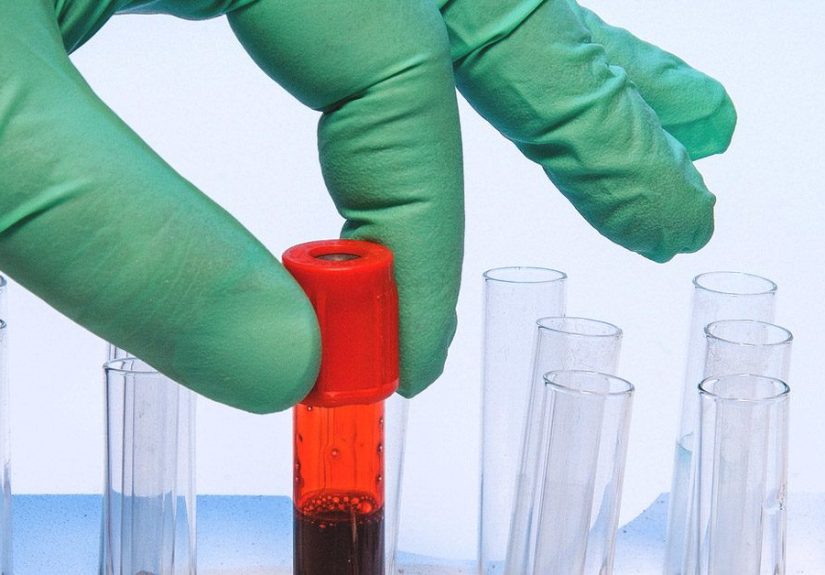
2) The blood draw
A phlebotomist cleans your skin (usually the inside of your elbow), inserts a small needle into a vein, and collects blood into tubes. The draw itself usually takes only a few minutes.
3) After the draw
The needle is removed, pressure is applied, and a bandage goes on. You can typically resume normal activities unless your clinician gave additional instructions.
Important detail (behind the scenes): Catecholamines can degrade and results can be affected if a specimen isn’t handled correctly. Many labs use chilled handling and prompt processing to protect accuracyone reason these tests are often done through specific labs with established protocols.
Preparation: How to Get the Most Accurate Results
Preparation can make or break this test. Because catecholamines are sensitive to everyday life (and everyday life is rude), your clinician or lab will give specific instructions. Follow those instructions first. The guidance below reflects common recommendations from major clinical labs and clinical references.
Food and drink
- Fasting: Many protocols require fasting (often overnight or at least several hours).
- Avoid caffeine: Coffee, tea, energy drinks, and caffeinated soda can raise catecholamines.
- Avoid alcohol: Alcohol can interfere with results and stress your system.
Some patient education resources also advise avoiding specific foods that may influence catecholamine testingsuch as bananas, chocolate/cocoa, citrus, vanilla, and coffee/teaespecially when urine catecholamines are part of the evaluation. If your clinician gives a food-avoidance list, use that list (it will be tailored to the exact test method).
Nicotine and tobacco
Nicotine is a catecholamine agitator. Many lab protocols advise avoiding smoking or other nicotine use for several hours before collection. If you’re using nicotine replacement therapy, ask your clinician how to handle it (do not stop prescribed therapy without guidance).
Exercise and stress
- Avoid strenuous exercise the day of testing (and sometimes for 24 hours before), unless instructed otherwise.
- Minimize stress before the draw. Easier said than done, but try: arrive early, sit quietly, silence your phone, and avoid sprinting from the parking lot like you’re in an action movie.
Medications and supplements (big one)
Several medications can cause falsely elevated results by increasing catecholamines directly or by interfering with measurement. Examples cited in clinical references include certain antidepressants (like tricyclic antidepressants), MAO inhibitors, some antipsychotics, stimulants/sympathomimetics (including some decongestants), and medications such as levodopa. Even common medications like acetaminophen are sometimes noted as potential interferents in certain contexts.
Do not stop medications on your own. Instead, provide your clinician with a full list of prescriptions, over-the-counter medications, supplements, and “occasionally used” items (like decongestants or pre-workout products). Your clinician will decide what should be held, how long, and what is safe for you.
Some institutions note that certain blood pressure medicines can affect testing and may need coordinated timing or temporary adjustment. The key word is “coordinated.” You and your clinician should create a plan, especially if you’re being evaluated for catecholamine-related causes of hypertension.
Posture matters
Many endocrine references emphasize that posture affects catecholamine biology: standing or sitting can increase sympathetic activity. That’s why some protocols prefer drawing blood after you’ve been lying down quietly for a set period, using reference ranges designed for that posture. If your sample is collected seated and comes back borderline high, clinicians may repeat testing under stricter “supine rest” conditions.
What the Results May Mean (and Why One Number Rarely Tells the Whole Story)
Your report will list measured levels (often fractionated into dopamine, epinephrine, and norepinephrine) and reference intervals. Reference ranges vary by lab method and by collection conditions (supine vs upright). The “normal” range is not a universal constantit’s a lab-specific “neighborhood.”
High catecholamines
Elevated catecholamines can be seen with pheochromocytoma or paraganglioma, particularly when levels are markedly high and symptoms match. But elevations can also occur from:
- Acute stress, anxiety, or pain
- Recent exercise
- Caffeine, nicotine, alcohol
- Medications that stimulate the sympathetic nervous system
- Improper pre-test rest or wrong posture for the intended reference interval
That’s why many clinicians interpret results using a combination of: (1) how high the values are, (2) whether symptoms fit, (3) whether collection conditions were ideal, and (4) what other tests show (often plasma or urine metanephrines).
Normal catecholamines
Normal results can be reassuring, but they don’t automatically close the caseespecially if symptoms are episodic. If a tumor secretes hormones in bursts, a blood draw taken on a “quiet” day may miss it. In some situations, clinicians choose tests that are more stable over time (like metanephrines) or may repeat testing.
Accuracy Pitfalls and “False Positives”: Why Prep Is Not Optional
A catecholamine blood test is a bit like trying to measure ocean waves with a teacup. You can do itbut you must control the conditions as much as possible. False positives matter because they can lead to unnecessary anxiety, repeat testing, and imaging studies.
Common accuracy pitfalls include:
- No rest period before the draw (especially if you rushed in, were late, or climbed stairs).
- Wrong posture compared with the lab’s reference interval.
- Hidden stimulants (energy drinks, weight-loss products, pre-workouts, nicotine).
- Medication effects not accounted for in interpretation.
- Testing not aligned with symptom timing when symptoms are episodic.
If results are mildly elevated, clinicians often repeat testing under more controlled conditions or use complementary testing. If results are clearly high and consistent with symptoms, clinicians may proceed with confirmatory evaluation and imaging to locate a tumor.
Risks and Side Effects
The test itself is a standard blood draw, so risks are usually minor:
- Mild pain or a pinch at the needle site
- Bruising
- Lightheadedness or fainting (especially if you’re needle-sensitive or fasting)
- Rarely, infection or prolonged bleeding
If you’ve fainted during blood tests before, tell the staff. Lying down for the draw can helpand might also improve test accuracy. Two birds, one recliner.
Frequently Asked Questions
How long does it take to get results?
Timing varies by laboratory. Because catecholamine testing often involves specialized handling and analysis, results may take longer than routine labs. Your clinician or testing site can tell you the typical turnaround time.
Can I drink coffee “just a little” before the test?
It’s tempting, but it’s not worth risking a misleading resultespecially when the whole point is detecting subtle hormone changes. If your instructions say “no caffeine,” treat that like a “no exceptions” sign.
What if I have anxietywon’t that mess up the test?
Anxiety can influence catecholamines. That’s why rest, posture, and a calm environment matter. Tell your clinician if anxiety is a concern; they may recommend a more controlled collection process, or interpret results with that context in mind.
If my catecholamines are high, do I definitely have a tumor?
Not necessarily. Elevated levels can occur for many reasons. Your clinician will look at degree of elevation, symptoms, collection conditions, medication exposures, and often follow up with additional biochemical testing and imaging if warranted.
Experiences: What People Commonly Notice (and What Helps)
People often expect a catecholamine blood test to feel “different” because the name sounds like a sci-fi plot device. In reality, the blood draw is usually routine. The part that stands out most is the setup: resting quietly, possibly lying down, and being asked questions that sound oddly specific (“Did you have coffee? Any decongestants? Did you run here?”). That can feel like overkilluntil you realize these hormones are incredibly responsive and the lab is trying to avoid a result that screams “tumor!” when the real culprit was an espresso and a stressful commute.
A common experience is realizing how much small stressors can affect the body. Some patients report that simply sitting in a quiet room for 20–30 minutes feels surprisingly calminglike a forced mini-break they didn’t know they needed. Others find it awkward (“I’m lying down at a lab… is this a nap appointment?”). But that rest period can be valuable because it helps your sympathetic nervous system settle. If you tend to run late, arriving early can make a huge differenceboth for your peace of mind and for the quality of the sample.
People also talk about the prep trade-offs. Skipping caffeine can be annoying, especially if the test is in the morning. A practical workaround many patients use (with clinician approval) is scheduling the draw earlier and treating it like a “fasting lab morning,” then planning a real breakfast afterward. Bringing a snack for after the draw can help if you’re fasting and prone to lightheadedness. If you’re worried about feeling faint, telling the staff ahead of time is also helpfulthey can draw blood while you’re lying down, which is often more comfortable and may align with supine collection protocols anyway.
Another thing people notice is how often clinicians emphasize medication lists. That can feel stressful especially if you’re taking multiple prescriptions. But it’s usually not about “catching you doing something wrong.” It’s about interpreting results accurately. Patients who bring a written list (or show the medication list in their patient portal) tend to have smoother appointments. If your clinician recommends holding a medication, it’s typically because the medication could mimic or mask catecholamine-related patterns. And if holding it isn’t safe, clinicians can often proceed with testing anywayjust with a more careful interpretation strategy or alternative testing options.
Finally, people undergoing evaluation for symptoms like pounding headaches, sweating, and episodic palpitations often describe a mix of relief and frustration: relief that the symptoms are being taken seriously, and frustration that the testing requires precision. It may help to reframe the process as “getting the cleanest signal possible.” If the first result is borderline and your clinician repeats it, that doesn’t mean something was ignoredit often means your care team is trying to distinguish a true hormonal pattern from normal biology reacting to a chaotic day. In that sense, the experience is less about one dramatic test and more about careful detective work.
Conclusion
A catecholamine blood test can be an important tool for investigating suspected catecholamine-secreting tumors and related conditions, especially when symptoms come in intense, episodic waves. Because catecholamines shift quickly with posture, stress, caffeine, nicotine, exercise, and certain medications, the most valuable results come from thoughtful preparation and controlled collection conditions. If your clinician orders this test, follow the lab instructions closely, share a complete medication list, and don’t panic if results are mildly abnormal interpretation often requires context and, sometimes, repeat testing or complementary markers like metanephrines.