Table of Contents >> Show >> Hide
- What the Celiac Disease Diet Really Means (In Plain English)
- Gluten 101: What You’re Avoiding
- Gluten-Free Food Lists (The Part You Came For)
- Label Reading in the U.S.: Your Quick-Start Checklist
- Cross-Contact: When Gluten Gets In Without “Being an Ingredient”
- Sample Gluten-Free Menu (3 Days, Mix-and-Match Style)
- Smart Shopping and Meal Prep Tips (So This Doesn’t Eat Your Whole Weekend)
- Nutrition Tips: Staying Healthy (Not Just Gluten-Free)
- Quick Troubleshooting: “I’m Gluten-Free… So Why Do I Still Feel Off?”
- Oats: The Most Confusing “Gluten-Free” Food (A Short, Clear Answer)
- Conclusion: A Celiac-Safe Diet Can Still Be Delicious (Yes, Really)
- Experiences People Commonly Have on a Celiac Disease Diet (About the “Real Life” Part)
If you have celiac disease, gluten isn’t a “maybe.” It’s a “nope.” Not a “just a little,” not a “but it’s homemade,” and definitely not a “can I scrape off the breadcrumbs?” (That’s like trying to un-ring a bellexcept the bell is your immune system and it’s very enthusiastic.)
The good news: the celiac disease diet is straightforward in theorya strict, lifelong gluten-free diet. The tricky part is that gluten is a master of disguise. It hides in obvious places (bread, pasta) and in sneaky places (soy sauce, soup, seasoning blends, and that “healthy” protein bar that tastes like regret).
This guide gives you clear food lists, a sample gluten-free menu, and real-life tips for shopping, cooking, and eating outwithout turning every meal into a detective novel.
What the Celiac Disease Diet Really Means (In Plain English)
Celiac disease is an autoimmune condition where eating gluten triggers an immune response that damages the small intestine. The treatment is food-based: remove gluten completely so the intestine can heal and symptoms can improve.
Two key points make celiac different from “I feel better when I don’t eat bread”:
- It must be strict. Even small exposures can be harmfuleven if you don’t feel immediate symptoms.
- It’s lifelong. This isn’t a “reset” diet. It’s a “new normal” diet.
Gluten 101: What You’re Avoiding
Gluten is a group of proteins found in wheat, barley, and rye (and hybrids like triticale). That means you’ll avoid those grains and anything made from them.
The “Absolutely Avoid” Grains and Ingredients
- Wheat (including varieties like durum, semolina, spelt, farina, graham flour, einkorn, kamut)
- Barley
- Rye
- Triticale (wheat/rye hybrid)
- Malt (often made from barley: malt extract, malt flavoring, malt syrup)
- Brewer’s yeast (can be a concern depending on source/processing)
- Seitan (it’s basically wheat gluten doing pushups)
Important reality check: “Wheat-free” does not automatically mean “gluten-free.” Barley and rye can still be in the picture.
Gluten-Free Food Lists (The Part You Came For)
Let’s split this into three categories: naturally gluten-free foods, gluten-free grains/starches, and foods that require label-reading.
1) Naturally Gluten-Free Foods (Your Safe Foundation)
These are foods that are gluten-free in their natural form. (The only time they become risky is through coatings, sauces, or cross-contact.)
- Fruits and vegetables: fresh, frozen, plain canned (check sauces/seasonings)
- Unseasoned proteins: fresh beef, chicken, turkey, pork, fish, eggs, tofu (plain)
- Beans, lentils, peas: dried or plain canned (rinse and check labeling)
- Nuts and seeds: plain or dry-roasted (watch flavored varieties)
- Dairy: milk, plain yogurt, most cheeses (watch add-ins in flavored products)
- Healthy fats: olive oil, avocado oil, butter, ghee
2) Gluten-Free Grains and Starches (Your Bread-and-Butter… Without the Bread)
These are naturally gluten-free grains and starches that can replace wheat-based staplesjust choose versions that are labeled gluten-free when cross-contact is a concern.
- Rice (white, brown, jasmine, basmati)
- Corn (cornmeal, polenta, grits, corn tortillas labeled gluten-free)
- Quinoa
- Buckwheat (despite the name, it’s wheat-free and gluten-free)
- Millet
- Sorghum
- Amaranth
- Teff
- Certified gluten-free oats (more on oats below)
- Potatoes and sweet potatoes
- Tapioca, arrowroot, potato starch
Pro tip: Rotate grains. A gluten-free diet can accidentally become a “rice-based diet,” and variety makes nutrition (and boredom) much easier to manage.
3) Foods That Are Often “Sneaky Gluten” (Read Labels Like a Pro)
These foods can be gluten-free, but they’re also common hiding spots for wheat-based thickeners, barley-based flavorings, or shared manufacturing lines.
- Sauces & condiments: soy sauce, teriyaki, gravies, marinades, salad dressings
- Soups & broths: especially creamy soups and “hearty” stews
- Processed meats: deli meats, sausages, meatballs, imitation crab
- Seasoning blends: taco seasoning, bouillon, spice mixes (anti-caking agents and flavorings vary)
- Snack foods: flavored chips, pretzels, crackers, granola bars
- Breakfast items: cereals, oatmeal, pancake mixes
- Candy & chocolate: especially with crispy bits, cookie pieces, or shared lines
- “Healthy” stuff: protein powders, meal replacement shakes, supplements
- Restaurant fried foods: shared fryers are a frequent cross-contact problem
Label Reading in the U.S.: Your Quick-Start Checklist
In the U.S., a packaged food labeled “gluten-free” must meet a specific standard (the FDA definition). That label can be a helpful shortcutbut you still want smart habits, especially when a product isn’t labeled gluten-free.
Fast Label-Reading Rules
- Look for “gluten-free” first (especially on higher-risk foods like sauces, snacks, and mixes).
- Check the allergen statement for wheat (helpful, but not completebarley and rye may not be flagged the same way).
- Scan the ingredient list for wheat/barley/rye and their “code names” (malt, semolina, durum, etc.).
- Be cautious with vague ingredients like “natural flavors” in high-risk categorieswhen in doubt, choose a labeled gluten-free option.
- Watch for cross-contact language (e.g., “may contain wheat” or “processed in a facility…”). Some people with celiac avoid these; your clinician/dietitian can help you decide based on your health and sensitivity.
Real-world example: Two jars of pasta sauce. One says “gluten-free.” The other doesn’t. The ingredients look similar… but the second one contains “maltodextrin” (usually fine) and “natural flavor” (unknown), and it’s produced on shared lines. When you’re managing celiac, the labeled jar is the low-stress choice.
Cross-Contact: When Gluten Gets In Without “Being an Ingredient”
Cross-contact happens when gluten-free food touches glutenoften through crumbs, shared utensils, shared cooking water, or shared appliances. For celiac disease, this matters.
Make Your Kitchen Celiac-Safe (Without Replacing Your Entire Life)
- Get a dedicated toaster (or use toaster bags carefully).
- Use separate spreads (butter, mayo, peanut butter): no double-dipping knives into “shared” jars.
- Clean or replace porous tools that hold crumbs (old wooden spoons, scratched nonstick pans can be risky for some households).
- Use a “GF zone” in the pantry and a dedicated shelf in the fridge.
- Wash hands, wipe counters, swap sponges if gluten foods are still in the home.
- Don’t share pasta water or strainers unless thoroughly cleaned (and preferably dedicated).
Eating Out: A Simple Script That Works
You don’t need to deliver a TED Talk to your server. Try this:
“I have celiac disease, so I need my meal to be gluten-free and protected from cross-contact. Can you tell me how the kitchen handles that?”
Then ask about the biggest risk points:
- Is there a separate fryer for gluten-free items?
- Are gluten-free items cooked on a clean, separate surface?
- Are sauces and soups thickened with flour?
- Can they change gloves and use clean utensils?
Tip: Simple dishes are often safestgrilled protein, baked potato, steamed veggies, salad with oil/vinegar. Complicated dishes can be safe too, but they require more kitchen control.
Sample Gluten-Free Menu (3 Days, Mix-and-Match Style)
This sample menu focuses on whole foods and naturally gluten-free staples. Adjust portions and ingredients for your needs, preferences, and any other conditions (like lactose intolerance or diabetes).
Day 1
- Breakfast: Veggie omelet (spinach + tomatoes) with roasted potatoes and fruit
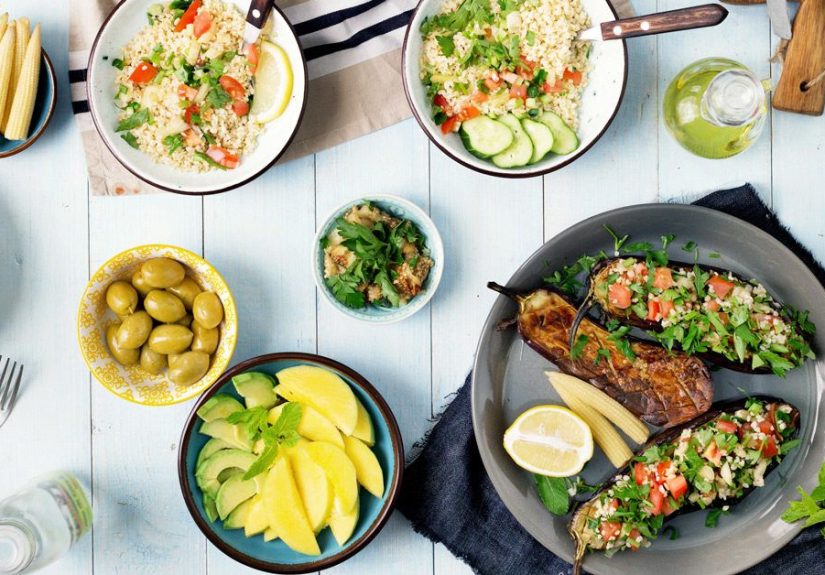
- Lunch: Quinoa bowl with grilled chicken, cucumber, olives, feta, and lemon-olive oil dressing
- Dinner: Salmon, rice, and roasted broccoli (add a gluten-free labeled teriyaki or a simple garlic-lemon sauce)
- Snacks: Greek yogurt + berries; handful of nuts; carrot sticks + hummus
Day 2
- Breakfast: Certified gluten-free oatmeal topped with banana, cinnamon, and peanut butter
- Lunch: Lettuce-wrap turkey “sandwich” with cheese, tomato, mustard + side of fruit
- Dinner: Beef or turkey chili (beans, tomatoes, spices) served with corn tortillas labeled gluten-free
- Snacks: Popcorn; apple + cheese; rice cakes labeled gluten-free with avocado
Day 3
- Breakfast: Smoothie (milk or fortified non-dairy milk, spinach, frozen berries, chia seeds)
- Lunch: Tuna salad over greens with olive oil + vinegar; gluten-free crackers (labeled GF)
- Dinner: Stir-fry with shrimp or tofu, mixed veggies, and rice (use gluten-free labeled tamari instead of regular soy sauce)
- Snacks: Trail mix (check chocolate/add-ins); edamame; cucumber slices with ranch labeled gluten-free
Easy swaps: Replace rice with quinoa. Replace salmon with chicken thighs. Replace oatmeal with eggs. The goal is consistency and safetynot culinary perfection.
Smart Shopping and Meal Prep Tips (So This Doesn’t Eat Your Whole Weekend)
Build a “Celiac-Safe” Pantry Starter Kit
- Grains/starches: rice, quinoa, corn tortillas labeled GF, GF pasta, potatoes
- Proteins: eggs, canned tuna/salmon, beans, lentils
- Cooking basics: olive oil, vinegar, salt, pepper, garlic, spices (single-ingredient is easiest)
- Sauces: gluten-free labeled tamari, ketchup, mustard, salsa, broth (labeled GF)
- Snacks: nuts, fruit, yogurt, popcorn, GF crackers (labeled)
Meal Prep That Actually Helps
- Batch-cook one grain (rice or quinoa) and one protein (chicken or beans) twice a week.
- Roast a tray of vegetables (broccoli, peppers, zucchini) for fast add-ons.
- Use “assembly meals”: bowls, salads, lettuce wraps, tacos on corn tortillas.
- Label leftovers clearly if you live with people who still eat gluten.
Nutrition Tips: Staying Healthy (Not Just Gluten-Free)
Going gluten-free can improve symptoms and healing, but it doesn’t automatically guarantee a balanced diet. Many gluten-free packaged foods are lower in fiber and may not be fortified the same way as standard wheat products.
Nutrients to Pay Attention To
- Fiber: beans, lentils, chia/flax, berries, veggies, quinoa
- Iron: lean red meat, beans, lentils, spinach (pair plant iron with vitamin C foods)
- Calcium & Vitamin D: dairy or fortified alternatives, canned salmon with bones, sunlight exposure as advised
- B vitamins (including folate/B12): eggs, meat, dairy, legumes, leafy greens
- Zinc & magnesium: nuts, seeds, beans, whole-food variety
Simple “balanced plate” formula: half vegetables + a palm of protein + a fist of gluten-free carbs + a thumb of healthy fat. Not because rules are fun (they’re not), but because it’s an easy way to cover nutrition without counting every molecule.
If you were diagnosed recently, ask your healthcare team about checking for nutrient deficiencies and whether you need supplementation. A registered dietitian who understands celiac disease can be a game-changer.
Quick Troubleshooting: “I’m Gluten-Free… So Why Do I Still Feel Off?”
If symptoms continue, the most common culprits are:
- Hidden gluten (sauces, seasoning blends, snacks without GF labeling)
- Cross-contact (shared toaster, shared spreads, restaurant fryers)
- Oats issues (even gluten-free oats can bother some people)
- Time (healing can take time; symptom improvement timelines vary)
If you’re doing everything right and still struggling, follow up with your clinician. Persistent symptoms should be evaluateddon’t just “power through” and hope your intestine magically becomes an optimist.
Oats: The Most Confusing “Gluten-Free” Food (A Short, Clear Answer)
Oats are naturally gluten-free, but they are frequently contaminated with wheat/barley/rye during growing or processing. That’s why only oats labeled gluten-free are considered for the celiac diet.
Even then, a small group of people with celiac react to oats themselves (specifically a protein in oats). If you want to add oats, do it thoughtfully:
- Choose certified gluten-free oats.
- Start with a small serving.
- Check in with your clinician/dietitian if you’re newly diagnosed or still symptomatic.
Conclusion: A Celiac-Safe Diet Can Still Be Delicious (Yes, Really)
The celiac disease diet is strictbut it doesn’t have to be miserable. The best strategy is to build your meals around naturally gluten-free foods, use gluten-free labeled staples when needed, and treat cross-contact like the real issue it is (because it is).
Start simple. Get a few safe go-to breakfasts and dinners. Learn label-reading patterns. Make your kitchen a crumb-controlled zone. And when you’re ready, expand your menu like a confident gluten-free superherocape optional, separate toaster recommended.
Experiences People Commonly Have on a Celiac Disease Diet (About the “Real Life” Part)
Note: The experiences below are common patterns people report when transitioning to a strict gluten-free diet for celiac disease. Everyone’s body and situation are different, and your healthcare team is your best source for personalized advice.
1) The first grocery trip feels like a scavenger hunt. A lot of people say their first “celiac-safe” shopping run takes twice as long as normal. You’re reading every label, Googling unfamiliar ingredients, and standing in the aisle doing math like: “If this sauce has ‘malt flavoring,’ is that barley? (Yes, often.)” The good news is that the learning curve is steepin a helpful way. After a couple of weeks, you usually recognize your safe brands and your shopping time drops back down to “normal human.”
2) There’s a surprise emotional phaseand it’s totally valid. Many people report a mix of relief (“Finally, an answer!”) and frustration (“Wait, gluten is in what?”). Social situations can be the hardest at first: birthday cake at school, pizza at a friend’s house, or family dinners where someone says, “It’s just a little flour.” The turning point often happens when you practice a calm, confident line like: “I have celiac diseasecross-contact matters, so I can’t risk it.” Saying it out loud gets easier with repetition.
3) The kitchen setup is where people feel the biggest boost in confidence. Once households add a dedicated toaster, separate spreads, and a clear gluten-free zone, many people say their stress drops immediately. It’s not about being “extra.” It’s about removing daily risk points. Some families even create a simple rule: gluten foods stay on one side of the counter, gluten-free foods on the other. It sounds almost too simpleuntil you realize how often crumbs travel like they have frequent-flyer miles.
4) Symptoms can improve fast… or not-so-fast. Many people notice digestive symptoms improve within days to weeks, but others take longer. Some report that energy levels gradually improve as the gut heals and nutrient absorption gets better. It’s also common for people to realize that “gluten-free” doesn’t always mean “balanced.” If the diet becomes mostly gluten-free cookies, gluten-free crackers, and gluten-free pizza (which can happenno judgment), people often feel better in one way but sluggish in another. That’s why many celiac veterans swear by a whole-food base: proteins, produce, beans, and naturally gluten-free grains.
5) Eating out becomes possible againbut many people change their strategy. Over time, lots of people find they can enjoy restaurants by choosing simpler meals and asking the right questions. They often learn which places take cross-contact seriously and which places treat “gluten-free” like a trend. A common “aha” moment is realizing that the safest meal isn’t always the one with the biggest “GF” sticker on the menuit’s the one the kitchen can prepare cleanly, with minimal steps and fewer surprise ingredients.
6) The diet can become empowering. After the initial adjustment, many people describe a shift from “I can’t eat anything” to “I know exactly what keeps me healthy.” They build a reliable breakfast rotation, master a few easy dinners, and keep safe snacks on hand so they’re never stuck hungry and guessing. The best part? Once the routine is in place, daily life stops feeling like a food emergency and starts feeling… normal. Just with more label-reading skills than the average person (which, honestly, is a weirdly useful superpower).