Table of Contents >> Show >> Hide
- Why Chai and Dark Chocolate Work So Well Together
- The Best Rice for Creamy Chocolate Rice Pudding
- Ingredients for Chai and Dark Chocolate Rice Pudding
- How to Make Chai and Dark Chocolate Rice Pudding
- Texture Tips for the Best Rice Pudding
- Flavor Variations
- Serving Ideas
- Storage and Make-Ahead Tips
- Common Mistakes to Avoid
- Why This Recipe Works for Web Readers
- Kitchen Experiences with Chai and Dark Chocolate Rice Pudding
- Conclusion
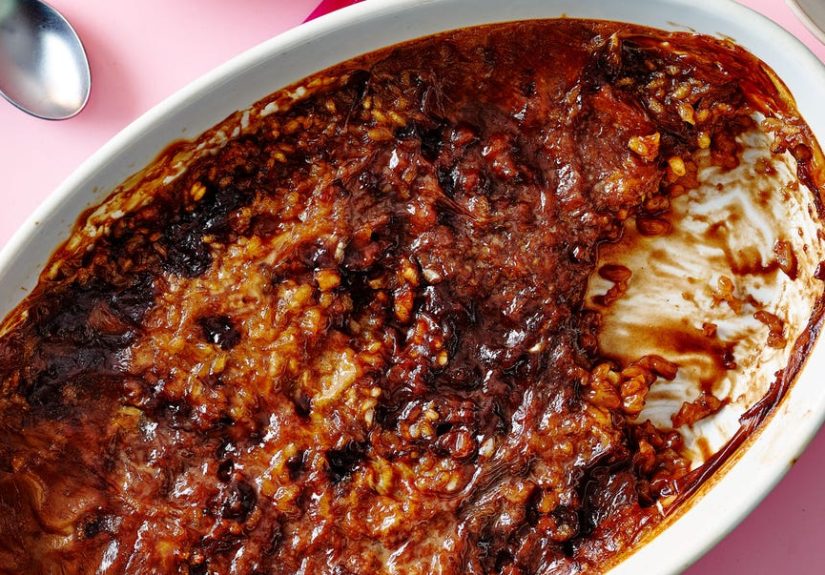
Some desserts politely knock on the door. Chai and dark chocolate rice pudding kicks off its shoes, wraps itself in a blanket, and announces that it has brought emotional support in a spoon. This cozy dessert takes the creamy comfort of classic rice pudding and gives it a grown-up twist with warm chai spices, black tea, and bittersweet dark chocolate. The result is rich but not heavy, familiar but not boring, and fancy enough to serve after dinner without requiring anyone to pronounce “quenelle.”
At its heart, rice pudding is simple: rice, milk, sugar, and time. The magic happens when the rice slowly releases starch into the milk, creating a thick, creamy texture without needing complicated pastry tricks. Add cinnamon, cardamom, ginger, cloves, and a tiny pinch of black pepper, and suddenly the humble pudding starts acting like it has a passport. Melt in dark chocolate at the end, and you get a dessert that tastes like a chai latte and chocolate truffle decided to become best friends.
This recipe is designed for home cooks who want a dependable, spoonable dessert with big flavor and minimal drama. It works beautifully warm, chilled, or somewhere in between, which is helpful because waiting for dessert to cool requires a level of patience that not everyone has after smelling chocolate and spice for half an hour.
Why Chai and Dark Chocolate Work So Well Together
Chai-inspired desserts succeed because they balance warmth, sweetness, creaminess, and aroma. The spices commonly associated with masala chaiespecially cinnamon, cardamom, ginger, cloves, and black pepperbring a layered fragrance that makes creamy desserts feel more complex. Cinnamon is soft and familiar, cardamom adds floral brightness, ginger gives a little sparkle, cloves bring depth, and black pepper adds a quiet little “hello” in the background.
Dark chocolate fits into that spice blend naturally. A good bittersweet chocolate has roasted, fruity, earthy, or slightly floral notes depending on the cocoa percentage and origin. When melted into rice pudding, it adds body and richness while keeping the dessert from tasting flat. Milk chocolate can be delicious, but it often makes this pudding sweeter and softer. Dark chocolate gives the recipe structure, like a tiny tuxedo for your comfort food.
The Best Rice for Creamy Chocolate Rice Pudding
The rice you choose matters. For the creamiest texture, use Arborio rice, short-grain white rice, or medium-grain rice. These varieties release starch steadily as they simmer, helping the pudding thicken naturally. Arborio is especially nice because it stays tender while creating a silky, almost custard-like consistency.
Long-grain rice can work in a pinch, but the texture tends to be looser and less plush. Jasmine rice adds fragrance, while basmati brings a lighter, more separate grain. If you want a classic creamy dessert experience, go with Arborio or short-grain rice. If you want a slightly lighter pudding, medium-grain rice is a friendly compromise.
Can You Use Leftover Rice?
Yes, you can use leftover cooked rice, but the final texture will be different. Uncooked rice slowly absorbs milk and releases starch as it cooks, which creates a more integrated pudding. Leftover rice makes a faster dessert, but it may taste more like sweet rice in sauce than a deeply creamy pudding. If using cooked rice, simmer it with milk, sugar, spices, and tea until thick, then stir in the chocolate at the end.
Ingredients for Chai and Dark Chocolate Rice Pudding
This recipe makes about 6 servings. It is rich enough for dessert, but not so intense that you need to lie down afterward and rethink your life choices.
Main Ingredients
- 3/4 cup Arborio rice or short-grain white rice
- 4 cups whole milk, plus more as needed
- 1 cup heavy cream or full-fat coconut milk
- 1/2 cup packed light brown sugar
- 1/4 teaspoon fine sea salt
- 2 black tea bags, preferably Assam, English breakfast, or another strong black tea
- 4 ounces dark chocolate, chopped, ideally 60% to 72% cacao
- 1 teaspoon vanilla extract
- 1 tablespoon unsalted butter, optional, for extra gloss and richness
Chai Spice Blend
- 1 teaspoon ground cinnamon
- 3/4 teaspoon ground cardamom
- 1/2 teaspoon ground ginger
- 1/8 teaspoon ground cloves
- 1/8 teaspoon freshly ground black pepper
- Pinch of nutmeg, optional
Optional Toppings
- Chopped pistachios
- Toasted coconut flakes
- Shaved dark chocolate
- Whipped cream
- Orange zest
- A tiny sprinkle of flaky sea salt
How to Make Chai and Dark Chocolate Rice Pudding
Step 1: Toast the Spices Briefly
Place a heavy-bottomed saucepan over medium-low heat. Add the cinnamon, cardamom, ginger, cloves, black pepper, and nutmeg if using. Stir for about 30 seconds, just until fragrant. Do not walk away. Spices go from “warm bakery dream” to “campfire regret” very quickly.
Step 2: Add Milk, Cream, Rice, Sugar, and Salt
Pour in the milk and cream, then stir in the rice, brown sugar, and salt. Bring the mixture to a gentle simmer over medium heat, stirring often so the rice does not stick to the bottom of the pan. Once it begins to bubble softly, reduce the heat to low.
Step 3: Steep the Tea
Add the black tea bags and let them steep in the hot milk mixture for 5 to 7 minutes. Press them gently against the side of the pan with a spoon, then remove and discard them. Avoid steeping too long, because over-brewed tea can make the pudding taste bitter. You want bold tea flavor, not a dessert that judges your life decisions.
Step 4: Simmer Until Creamy
Continue cooking the pudding over low heat for 30 to 40 minutes, stirring every few minutes at first and more frequently as it thickens. The rice should become tender, and the mixture should look creamy and loose. Rice pudding thickens as it cools, so stop cooking when it looks slightly softer than your ideal final texture.
Step 5: Add the Dark Chocolate
Remove the pan from the heat. Stir in the chopped dark chocolate, vanilla extract, and butter if using. Keep stirring until the chocolate melts completely and the pudding becomes glossy, smooth, and deeply fragrant. If it seems too thick, add a splash of warm milk until it loosens.
Step 6: Serve Warm or Chill
Serve the pudding warm for maximum coziness, or transfer it to a bowl, press a piece of plastic wrap directly on the surface, and chill it for a thicker dessert. Before serving chilled pudding, stir in a little milk if needed to restore its creamy texture.
Texture Tips for the Best Rice Pudding
The secret to excellent rice pudding is not speed. It is patience, gentle heat, and occasional stirring. High heat can scorch the milk before the rice becomes tender. Low heat gives the grains time to hydrate, soften, and release starch. A heavy-bottomed saucepan also helps distribute heat evenly, reducing the chance of burnt spots.
Another useful trick is to add the chocolate after the rice is fully cooked. Chocolate can thicken the mixture quickly, and if it is added too early, the pudding may become dense before the rice is tender. By stirring it in off the heat, you preserve the silky texture and prevent the chocolate from tasting harsh.
If the pudding becomes too thick, do not panic. Rice pudding is forgiving. Stir in warm milk, one tablespoon at a time, until the texture relaxes. If it is too thin, simmer it a little longer, stirring frequently. Basically, the pudding wants to cooperate; it just asks that you stop checking your phone over an open pot of dairy.
Flavor Variations
Coconut Chai Chocolate Rice Pudding
Replace the heavy cream with full-fat coconut milk and top the finished pudding with toasted coconut. This version has a tropical richness that works beautifully with cardamom and dark chocolate.
Orange-Chocolate Chai Rice Pudding
Add 1 teaspoon of finely grated orange zest when you stir in the chocolate. Orange brightens the dark chocolate and makes the pudding taste festive without turning it into a holiday ornament.
Extra-Spicy Chai Rice Pudding
Increase the ginger to 3/4 teaspoon and add another pinch of black pepper. This gives the pudding a warmer finish, ideal for cold nights or anyone who believes dessert should arrive wearing a scarf.
Mocha Chai Rice Pudding
Add 1 teaspoon of instant espresso powder with the milk. Coffee deepens the chocolate flavor without making the pudding taste like a full cup of coffee.
Serving Ideas
Chai and dark chocolate rice pudding can be served in small bowls, glass jars, ramekins, or teacups. For a dinner party, spoon it into small dessert cups and top each serving with shaved chocolate, pistachios, and a few flakes of sea salt. For a casual night, eat it warm from a bowl while standing in the kitchen. This is not technically elegant, but it is spiritually correct.
The pudding pairs well with fresh berries, sliced bananas, poached pears, roasted apples, or a spoonful of whipped cream. If you want crunch, try toasted almonds, cacao nibs, granola, or crushed gingersnaps. The best topping is one that contrasts with the pudding’s creamy texture.
Storage and Make-Ahead Tips
Store leftover rice pudding in an airtight container in the refrigerator for 3 to 4 days. Because this dessert contains cooked rice and dairy, cool it promptly and refrigerate it within two hours. To reheat, warm it gently on the stovetop or in the microwave with a splash of milk, stirring until creamy again.
Chilled rice pudding thickens dramatically, so do not judge its texture straight from the refrigerator. A little milk brings it back to life. You can also enjoy it cold, especially if you like a firmer pudding that eats almost like a soft chocolate custard.
Common Mistakes to Avoid
Using Heat That Is Too High
Rice pudding needs a gentle simmer, not a rolling boil. Boiling can scorch the milk, toughen the rice, and make the texture uneven. Keep the heat low and steady.
Skipping the Stirring
You do not need to stir every second, but you do need to stir regularly. Rice likes to settle at the bottom of the pot, where it can stick and burn. A few attentive stirs save the whole batch.
Adding Too Much Chocolate
More chocolate sounds like a good idea until the pudding turns heavy and stiff. Four ounces gives plenty of dark chocolate flavor while letting the chai spices shine.
Over-Steeping the Tea
Tea brings flavor and structure, but too much steeping can introduce bitterness. Five to seven minutes is usually enough for bold flavor without harshness.
Why This Recipe Works for Web Readers
This chai and dark chocolate rice pudding recipe has all the qualities people search for in a homemade dessert: it is creamy, comforting, easy to customize, and made with ingredients that are simple to find. It also fits several popular search interests, including chocolate rice pudding, chai dessert recipe, creamy rice pudding, dark chocolate dessert, and spiced rice pudding.
From an SEO perspective, the recipe is useful because it answers practical questions: what rice to use, how long to cook it, how to prevent scorching, how to store leftovers, and how to adjust flavors. From a human perspective, it is useful because sometimes the day has been long and only a warm bowl of chocolate pudding with cardamom can fix the vibe.
Kitchen Experiences with Chai and Dark Chocolate Rice Pudding
The first time I made a version of chai and dark chocolate rice pudding, I underestimated the power of cardamom. I added it with the casual confidence of someone who had not yet learned that cardamom does not whisper. It sings opera. The pudding still tasted wonderful, but it leaned more “spice market at sunrise” than “gentle cozy dessert.” That batch taught me one of the most important lessons about chai desserts: balance matters. Cinnamon may be the friendly spice everyone knows, but cardamom is often the star. Give it space, but do not hand it the microphone and leave the room.
Another experience worth sharing is how much the chocolate changes the mood of the pudding. When I tested it with a very dark chocolate, around 85% cacao, the dessert became intense, almost like a truffle pudding. Delicious, yes, but not exactly the kind of thing everyone wants after dinner. With chocolate in the 60% to 72% range, the flavor became smoother and more inviting. It still tasted sophisticated, but it did not require a black turtleneck or a serious conversation about cacao origins.
I also learned that rice pudding is one of those recipes that feels different depending on when you serve it. Warm from the pot, it is soft, loose, and deeply comfortingthe dessert equivalent of a weighted blanket. Chilled overnight, it becomes thicker and more concentrated, with the chai spices settling into the chocolate. The next day, a spoonful with a splash of milk stirred in tastes almost like a chilled chocolate chai latte in pudding form. That make-ahead quality makes it especially practical for holidays, dinner parties, or Sunday meal prep when you want dessert ready before the chaos begins.
For serving, my favorite experience has been using small cups instead of big bowls. Chai and dark chocolate rice pudding is rich, so a smaller portion feels elegant rather than overwhelming. A little topping goes a long way: chopped pistachios for crunch, orange zest for brightness, and a tiny pinch of flaky salt to make the chocolate taste deeper. Guests often ask what makes it taste so warm and layered, and the answer is usually the black pepper. It is subtle, but it gives the dessert a gentle finish that keeps each bite interesting.
This pudding is also forgiving in a way that many desserts are not. Cakes collapse. Custards curdle. Cookies burn the moment you blink. Rice pudding, however, gives you chances. Too thick? Add milk. Too thin? Simmer longer. Want more spice? Stir in a pinch. Need it sweeter? Add a little brown sugar while it is warm. It is a dessert that rewards attention but does not punish imperfection, which is probably why it has lasted in so many kitchens across so many cultures. Chai and dark chocolate simply give that old comfort a new coat, a little sparkle, and the confidence to show up at the table as the most interesting bowl in the room.
Conclusion
Chai and dark chocolate rice pudding is the kind of dessert that proves comfort food does not have to be plain. With creamy rice, fragrant chai spices, bold black tea, and silky dark chocolate, it delivers warmth, depth, and a little drama in every spoonful. The recipe is simple enough for a weeknight but memorable enough for guests, especially when finished with pistachios, orange zest, whipped cream, or shaved chocolate.
The key is to cook the rice slowly, steep the tea briefly, stir often, and add the chocolate off the heat. Do that, and you will have a creamy homemade dessert that tastes cozy, elegant, and just a little bit magical. In other words, it is rice pudding with better lighting.