Table of Contents >> Show >> Hide
- The Legacy Behind Chaya Venice
- Why Chaya Venice Needed a Redesign
- A Modern Look Rooted in Japanese Design
- The Kaisen Bar and a Fresh Culinary Direction
- What Made the Redesign Important for LA Dining
- Design Lessons from Chaya Venice
- The Human Side of Chaya Venice
- Chaya Venice and the Evolution of Venice Dining
- Experience Notes: Visiting a Modernized Landmark Like Chaya Venice
- Conclusion
In Los Angeles, restaurants do not simply open and close. They become meeting places, industry rumors, first-date testing grounds, lunch-deal legends, and occasionally the background character in someone’s “I swear I saw a celebrity” story. Chaya Venice was exactly that kind of place. Located at 110 Navy Street near Main Street, this landmark LA restaurant spent nearly three decades blending French-Japanese cuisine, beachside ease, and Westside polish before being reimagined for a more modern dining era.
The story of Chaya Venice is not just about a restaurant redesign. It is about how a beloved institution tries to age gracefully in a city that treats “new” like a food group. Chaya had history, loyal regulars, a Japanese culinary lineage stretching back centuries, and a recognizable identity. But by the mid-2010s, Los Angeles dining had changed. Guests wanted warmer interiors, shareable dishes, less formality, more personality, and a restaurant that looked as good in real life as it did through a phone camera held at a suspiciously dramatic angle.
The redesign of Chaya Venice attempted to answer one big question: how does a classic LA restaurant honor its past without turning into a museum with cocktails? The answer involved cedar wood, Japanese screens, a more intimate floor plan, a refreshed raw bar, and a sharper focus on Japanese hospitality. The result was a fascinating case study in restaurant evolution, brand heritage, and the risks of modernizing a place that many diners already loved for what it used to be.
The Legacy Behind Chaya Venice
Chaya Venice opened in 1990, but its roots reached far beyond Southern California. The Chaya name traces back to the Tsunoda family’s hospitality tradition in Japan, with the original Hikage Chaya beginning as a teahouse near Kamakura in the early 1600s. That history matters because Chaya was never just another “fusion” restaurant trying to make sushi and French sauce shake hands for attention. It came from a real culinary lineage where Japanese hospitality, seafood, seasonal cooking, and European influence had been part of the family story for generations.
In Los Angeles, Chaya helped introduce a polished French-Japanese dining style at a time when the city was still discovering how flexible and global its restaurant scene could become. The brand’s earlier LA locations built a following among artists, executives, actors, designers, and the sort of people who use the phrase “power lunch” without irony. Chaya Venice brought that sensibility west, adapting it to the beach-adjacent rhythm of Venice and Santa Monica.
The Venice location was more relaxed than a formal brasserie but more grown-up than a flip-flop taco stop. It had lunch meetings, date-night dinners, sushi-bar conversations, seafood plates, and the kind of dining room where linen napkins and California sunshine somehow agreed to coexist. For years, that balance worked beautifully. Chaya Venice became one of those restaurants people described with phrases like “always reliable,” “classic,” and “we should go back there soon,” which in Los Angeles is practically a lifetime achievement award.
Why Chaya Venice Needed a Redesign
By the time Chaya Venice approached its late twenties, the dining world around it had become faster, louder, and more visually driven. Venice itself had shifted from bohemian beach enclave to tech-adjacent design playground, with Abbot Kinney boutiques, chef-driven casual concepts, natural wine bars, and minimalist interiors all competing for attention. The old brasserie look, with its formal seating and familiar polish, risked feeling frozen in another era.
This is the awkward challenge of every long-running restaurant. Stay exactly the same, and younger diners may pass you by. Change too much, and longtime guests may feel like someone replaced their favorite leather jacket with a neon windbreaker. Chaya Venice needed to modernize without erasing the warmth, service, and cross-cultural identity that made it meaningful in the first place.
The redesign led by C.S. Valentin of Bogus Studio aimed to move the restaurant away from a conventional French brasserie atmosphere and closer to a modern Japanese-inspired environment. Instead of simply swapping chairs and calling it a revolution, the project rethought the guest experience: the façade, furniture, lighting, branding, private dining, and visual flow of the room. In restaurant years, this was not a haircut. It was a full skincare routine, wardrobe edit, and philosophical awakening.
A Modern Look Rooted in Japanese Design
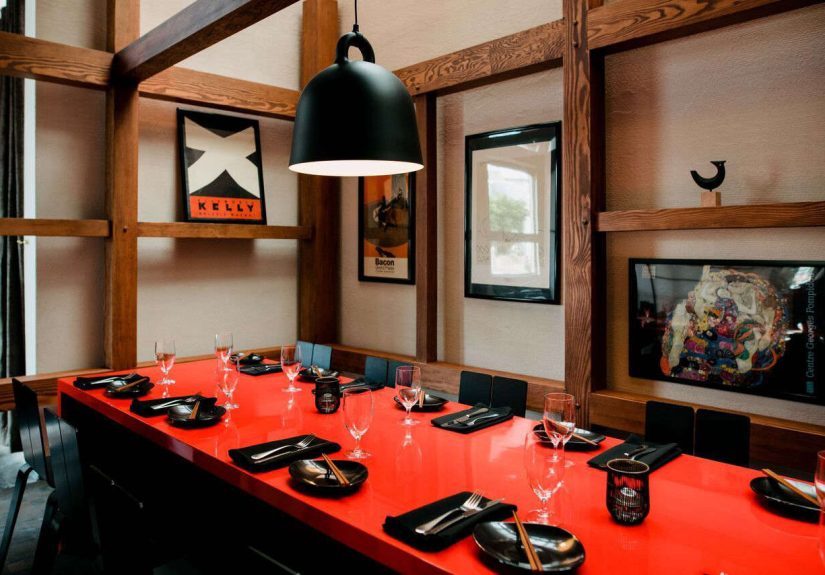
One of the strongest elements of the Chaya Venice redesign was its return to Japanese references. The new look used cedar, shoji-inspired screens, warmer wood tones, and more intimate seating zones. The exterior gained a striking wood screen façade, giving the restaurant a more architectural presence from the street. Inside, the redesign broke up the large dining room into smaller areas, creating a sense of movement and privacy without making the space feel cramped.
This mattered because modern diners often want atmosphere as much as cuisine. A big open dining room can feel energetic, but it can also feel like you are eating scallops in an airport terminal if the proportions are wrong. By dividing the space, Chaya Venice became more flexible: suitable for dinner dates, small groups, business lunches, and private events. The redesigned private dining room, built with cedar timber and shoji doors, added a hospitality layer that felt both polished and personal.
The inspiration reportedly included Japanese-American design icons and mid-century Japanese hospitality, including names and references associated with Isamu Noguchi, George Nakashima, and the refined atmosphere of Hotel Okura. Those influences helped the restaurant avoid the trap of “theme restaurant Japan,” which usually means too many lanterns and a menu font that has done nothing wrong but looks guilty. Instead, the redesign leaned into craft, proportion, material, and quiet drama.
The Kaisen Bar and a Fresh Culinary Direction
Chaya Venice was long associated with French-Japanese cuisine, but the redesign also placed greater emphasis on seafood and Japanese dining rituals. The sushi bar was partially transformed into a Kaisen Bar, highlighting fresh Japanese fish and raw-bar-style selections. This shift made sense for a restaurant near the coast and for a brand with deep seafood traditions.
The Kaisen Bar gave the space a more immediate sense of craftsmanship. Guests could connect the design story with the food story: wood, fish, knife work, clean lines, and seasonal freshness. In a city where diners increasingly want to see the process behind the plate, the bar became more than a service station. It became a stage, though thankfully not the kind where the chef announces every ingredient like a game show host.
Later, Chaya Venice also moved toward a modern izakaya identity, introducing more shareable dishes, robata-style ideas, updated beverage programming, and a less formal dining rhythm. The change reflected broader LA dining trends. Guests wanted meals that could be social and flexible: a few skewers here, a crudo there, a cocktail, a sake pour, maybe dessert if everyone pretended they were “just going to taste it.”
What Made the Redesign Important for LA Dining
Chaya Venice’s redesign was important because it captured a common tension in Los Angeles restaurant culture: heritage versus reinvention. LA is not kind to restaurants that stand still, but it is also sentimental about places that shaped its dining personality. Chaya Venice sat right at that intersection. It had history, but history alone does not fill seats forever.
The redesign showed how an established restaurant could use design to signal relevance. The cedar façade told passersby that something had changed. The more intimate layout told guests that the restaurant understood modern dining preferences. The Japanese references told the story of the Chaya family more clearly than the older brasserie décor did. The updated bar and menu direction suggested that Chaya was not merely polishing the silverware and hoping nostalgia would pay the rent.
At the same time, the restaurant’s later closure in 2018 proves that redesign is powerful but not magical. A beautiful dining room can invite attention, but it cannot automatically solve changing neighborhood economics, shifting customer habits, rising operating costs, or the emotional complexity of rebranding a place with loyal regulars. In that sense, Chaya Venice became both an inspiring and cautionary example. Reinvention must be thoughtful, but it must also be timed, priced, staffed, marketed, and loved by enough people to survive.
Design Lessons from Chaya Venice
1. Heritage Should Be Visible, Not Heavy
The best part of the redesign was that it made Chaya’s Japanese heritage more visible without burying guests under a history lecture. The cedar, screens, custom furniture, and private dining structure suggested tradition through materials and mood. That is a smart lesson for any hospitality brand: show the story through the experience. Diners do not need a family tree printed on the menu. They need to feel that the place has roots.
2. A Landmark Restaurant Still Needs Fresh Energy
Longtime restaurants often fear alienating their base, but even regulars appreciate signs of care. A refreshed room tells guests, “We are still here, and we are still trying.” Chaya Venice’s 2016 remodel gave the restaurant visual energy at a moment when design had become a key part of LA dining. It reminded people that a classic can evolve without wearing sunglasses indoors and calling itself disruptive.
3. Space Planning Can Change the Mood
The move from a more uniform brasserie layout to smaller, more intimate zones changed how guests experienced the restaurant. Seating arrangements affect conversation, privacy, pacing, and perceived value. In a modern restaurant, comfort is not just about cushion thickness. It is about whether the room lets people feel connected without making them hear every word of someone else’s breakup three tables away.
4. A Redesign Should Match the Menu
The strongest restaurant concepts align food, space, service, and branding. Chaya Venice’s move toward Japanese seafood, raw-bar elements, and later izakaya-style dining made sense alongside its updated Japanese-inspired interiors. When a room and menu speak the same language, the guest experience feels intentional. When they do not, the result can feel like eating ramen in a Tuscan farmhouse because somebody found the chairs on sale.
The Human Side of Chaya Venice
For many Angelenos, Chaya Venice was more than a design project. It was a memory machine. People remembered business lunches, birthday dinners, late-night drinks, seafood towers, sushi orders, and sunny meals after beach walks. Restaurants become emotional landmarks because they hold ordinary moments that later seem important. The food matters, of course, but so do the booths, the light, the bar, the server who remembers your drink, and the friend who says, “Let’s go somewhere easy,” then chooses the same place for ten years.
That is why redesigning a landmark restaurant is so delicate. A restaurant may belong to its owners legally, but emotionally it belongs to everyone who built rituals around it. Change the menu, and someone misses their favorite dish. Change the lighting, and someone says the room feels different. Change nothing, and someone else says the place feels tired. Hospitality is fun like that: everybody has an opinion, and several of them are holding forks.
Chaya Venice’s modern redesign respected the need for evolution, even if the restaurant’s final chapter came sooner than many fans expected. Its story remains valuable because it shows how design can revive interest, sharpen identity, and reconnect a brand with its deeper roots. It also shows that even beloved restaurants are living organisms. They must adapt, but adaptation is never risk-free.
Chaya Venice and the Evolution of Venice Dining
When Chaya Venice opened, the neighborhood had a different rhythm. Venice was artistic, quirky, slightly rough-edged, and proudly individual. Over time, the area became one of LA’s most watched dining and lifestyle districts. Restaurants were no longer just places to eat; they became lifestyle statements, design showcases, and neighborhood signals. Chaya Venice had to compete not only with other Japanese restaurants, but with the entire modern LA expectation that dining should feel immersive.
In that environment, the redesign made strategic sense. A restaurant with nearly 30 years of history could not rely only on reputation. New diners needed a reason to walk in. Former diners needed a reason to return. The revamped interior created curiosity, while the updated culinary direction tried to bridge long-standing Chaya fans with younger guests looking for a livelier, more shareable experience.
The broader lesson is clear: landmark restaurants must keep reading the room, both literally and culturally. The room may need warmer materials. The menu may need more flexibility. The bar may need better energy. The brand may need to say, “We remember who we are, but we also know what year it is.” Chaya Venice tried to do exactly that.
Experience Notes: Visiting a Modernized Landmark Like Chaya Venice
Experiencing a restaurant like Chaya Venice after a redesign is different from visiting a brand-new hotspot. A new restaurant arrives without baggage. It can be anything it wants because nobody has memories attached to table seven. A redesigned landmark, however, carries ghostsnot scary ghosts, more like well-dressed regulars from 1998 whispering, “The old bar had better energy.” That tension can make the visit more interesting.
The first thing a guest notices is usually the exterior. At Chaya Venice, the cedar screen façade gave the restaurant a stronger sense of arrival. It made the building feel less like a familiar neighborhood fixture and more like a designed destination. That matters in LA, where curb appeal can decide whether someone walks in or keeps moving toward the next shiny patio. The façade worked like a visual reset button. It said, “Yes, you may know this place, but look again.”
Inside, the redesigned layout encouraged a slower kind of observation. Instead of one open room doing all the work, the space offered smaller pockets of atmosphere. Screens, wood, lighting, and custom furniture created layers. A guest could sit near the bar for energy, choose a quieter table for conversation, or imagine the private dining area as the perfect place for a birthday dinner where someone says, “No gifts,” and absolutely expects gifts.
The Kaisen Bar experience would have appealed to diners who enjoy watching precision. There is something calming about a seafood bar when it is done well: the clean counter, the chilled fish, the careful cuts, the quiet confidence of a chef who does not need to juggle knives to prove a point. For a restaurant with Japanese roots and a coastal location, that feature gave the redesign culinary focus. It connected place, history, and appetite in a way that felt natural.
A meal in a redesigned Chaya Venice would likely have worked best as a shared experience. Start with something bright and seafood-driven, add a cooked dish with depth, bring in vegetables or rice for balance, and let the table build its own rhythm. That is the beauty of modern Japanese-inspired dining: it does not force everyone into the old appetizer-main-dessert march. It allows conversation to steer the meal. One person orders too much, another says they are “not that hungry,” and twenty minutes later they are guarding the last bite like a dragon with a mortgage.
The beverage program also mattered. A restaurant moving toward a modern izakaya identity needs drinks that support lingering. Sake, cocktails, wine, and low-pressure ordering help turn dinner into an evening rather than a transaction. In Venice, where meals often blend into beach walks, gallery visits, or late-night plans, that flexibility is essential. A redesigned landmark succeeds when guests stop comparing old and new and simply enjoy where they are.
The most memorable part of the Chaya Venice experience may have been its layered identity. It was Japanese and French, classic and updated, beachside and polished, nostalgic and ambitious. Not every tension was perfectly resolved, but the attempt made the restaurant compelling. In a city full of concepts built to trend quickly, Chaya Venice had something rarer: a past. The redesign tried to turn that past into a future.
For restaurant owners, designers, and food lovers, Chaya Venice remains a useful example. It shows that redesigning a landmark is not about making an old room look expensive. It is about translating memory into modern hospitality. It is about asking what guests loved, what no longer works, and what story the space should tell next. Sometimes the answer saves a restaurant for another generation. Sometimes it becomes a beautiful final chapter. Either way, the effort is worth studying.
Conclusion
Chaya Venice was one of LA’s memorable restaurant landmarks because it stood at the crossroads of culinary history, neighborhood change, and design reinvention. Its redesign for the modern era brought Japanese materials, warmer spatial planning, a refreshed seafood focus, and a clearer connection to the Chaya family’s roots. While the restaurant eventually closed, its story still offers valuable lessons about hospitality, branding, and the emotional power of restaurants that become part of a city’s memory.
The modernized Chaya Venice reminds us that great restaurant design is not decoration. It is storytelling with chairs, lighting, wood, food, service, and timing. And in Los Angeles, where every table has a backstory and every redesign gets judged like a movie sequel, that is no small achievement.
Note: This article is written for web publication in original American English and synthesizes publicly available historical, design, and restaurant-industry information about Chaya Venice without duplicating source text.