Table of Contents >> Show >> Hide
- The 30-Second Anatomy: Which Nerve, Which Tunnel?
- How to Tell Them Apart: Symptoms That Point to the Right Tunnel
- Causes and Risk Factors: Why These Tunnels Get Crowded
- Diagnosis: How Clinicians Confirm Which Tunnel Is the Problem
- Treatment: What Actually Helps (And What’s Just Wishful Thinking)
- Recovery and Outlook: What to Expect
- Prevention and Self-Defense: Keep Your Tunnels From Getting Grumpy
- When to See a Clinician (Don’t “Tough It Out” Forever)
- Conclusion
- Bonus: Real-World Experiences (About )
If your hand is tingling, your first instinct might be to blame your phone, your laptop, or the mysterious curse of “slept weird.” Sometimes you’d be right. Other times, your nerves are basically sending you a strongly worded email: “Stop squishing me.”
Two of the most common “squished nerve” culprits in the arm are cubital tunnel syndrome (ulnar nerve at the elbow) and carpal tunnel syndrome (median nerve at the wrist). They can feel similarnumbness, tingling, weakness but the details matter, because the fix depends on which nerve is complaining and where.
The 30-Second Anatomy: Which Nerve, Which Tunnel?
Think of your nerves like high-speed internet cables running from your neck to your fingers. If a cable gets pinched at a narrow passage, your signal gets glitchy: tingling, numbness, pain, or weakness.
Cubital Tunnel Syndrome (Ulnar Nerve at the Elbow)
The ulnar nerve runs behind the inside of your elbowright where you whack your “funny bone.” In cubital tunnel syndrome, the ulnar nerve gets irritated or compressed as it passes through a tight space near the elbow.
Carpal Tunnel Syndrome (Median Nerve at the Wrist)
The median nerve passes through the carpal tunnel, a narrow corridor on the palm side of your wrist. When pressure builds in that tunnel, the median nerve gets squeezed, which can trigger classic carpal tunnel symptoms.
How to Tell Them Apart: Symptoms That Point to the Right Tunnel
Where the Tingling Shows Up (Finger “Map”)
This is the biggest clueand it’s surprisingly reliable:
- Cubital tunnel (ulnar nerve): symptoms usually involve the pinky and the ring finger (especially the side of the ring finger closer to the pinky).
- Carpal tunnel (median nerve): symptoms often involve the thumb, index, middle, and the thumb-side of the ring finger. The pinky is typically spared.
What It Feels Like (And When It Shows Up)
| Feature | Cubital Tunnel (Elbow / Ulnar Nerve) | Carpal Tunnel (Wrist / Median Nerve) |
|---|---|---|
| Common sensations | Tingling/numbness in ring + pinky; may feel “electric” at inner elbow | Tingling/numbness in thumb, index, middle; hand may feel swollen even if it isn’t |
| Night symptoms | Often worse with elbow bent during sleep | Often worse with wrist flexed during sleep |
| Weakness pattern | Grip weakness, trouble spreading fingers, clumsiness; in advanced cases, muscle wasting in hand | Thumb weakness (pinch/grip), dropping objects; in advanced cases, thenar (thumb base) muscle wasting |
| Pain location | May include aching on inside of elbow/forearm | May radiate from wrist into hand/forearm; wrist discomfort common |
Real-Life Examples (Because Life Isn’t a Textbook)
- More “cubital”: You wake up with a numb pinky after sleeping with your elbow folded like a lawn chair, or your symptoms flare when you lean on your elbow at a desk.
- More “carpal”: Your thumb/index/middle fingers go numb while driving or holding your phone, and nighttime symptoms improve when you wear a wrist brace that keeps your wrist neutral.
Causes and Risk Factors: Why These Tunnels Get Crowded
Cubital Tunnel: Common Triggers
- Prolonged elbow bending (especially during sleep or long phone calls).
- Leaning on the elbow (desk work, driving with elbow on the window edge).
- Repetitive elbow motion or frequent flexion/extension.
- Previous injury or anatomy that narrows the cubital tunnel.
Carpal Tunnel: Common Triggers
- Wrist anatomy and the natural tight space of the carpal tunnel.
- Repetitive or forceful hand use (especially with awkward wrist positions).
- Fluid shifts (for example, pregnancy can worsen symptoms).
- Health conditions associated with nerve issues or swelling (commonly discussed include diabetes, thyroid disease, inflammatory arthritis).
- Wrist injury that changes the tunnel space (like certain fractures).
Important nuance: repetitive motion alone isn’t always the villain people think it is. Many cases are a mix of anatomy, swelling, posture, workload, and sometimes underlying medical conditions. Your body is rarely a single-cause detective novel; it’s more of a group project.
Diagnosis: How Clinicians Confirm Which Tunnel Is the Problem
Step 1: History + Finger Pattern
Clinicians start by listening for symptom timing (night? activity-related?), exact finger distribution, and what positions make symptoms worse or better. That “which fingers?” detail is not small talkit’s the breadcrumb trail.
Step 2: Physical Exam (Provocative Tests and Strength Checks)
- Carpal tunnel: tapping over the median nerve at the wrist (Tinel-type signs), wrist positioning maneuvers, and checking thumb strength/sensation.
- Cubital tunnel: tapping over the ulnar nerve at the elbow, elbow-flexion-based maneuvers, and checking grip and small hand muscle function (like finger spreading).
Step 3: Nerve Testing (When Needed)
If symptoms are persistent, severe, unclear, or there’s weakness, clinicians may order nerve conduction studies and/or EMG to measure how well the nerve is transmitting signals and to help grade severity. Imaging or ultrasound may be used in certain situations, especially if a structural cause is suspected.
Because other problems can mimic both conditions (neck issues, other nerve entrapments, generalized neuropathy), a thorough workup is especially important when symptoms don’t match a clean “finger map.”
Treatment: What Actually Helps (And What’s Just Wishful Thinking)
Good news: many mild-to-moderate cases improve with conservative care. The goal is simplereduce pressure on the nerve, calm irritation, and keep function strong while healing happens.
Cubital Tunnel Treatment
Conservative options
- Activity changes: avoid prolonged elbow flexion and stop using your elbow as a table leg. (Your nerve did not consent to being furniture.)
- Night positioning: elbow splints or gentle strategies to keep the elbow from staying tightly bent during sleep.
- Padding: elbow pads to reduce direct pressure during desk work or driving.
- Pain control: clinician-guided use of anti-inflammatory medications when appropriate.
- Therapy: targeted exercises and nerve-gliding techniques (usually best learned from a professional to avoid overdoing it).
When surgery is considered
If symptoms don’t improve, or if there’s significant weakness, muscle wasting, or evidence of nerve damage, surgery may be recommended. Common procedures aim to decompress the ulnar nerve and sometimes reposition it (anterior transposition) so it’s less irritated.
Carpal Tunnel Treatment
Conservative options
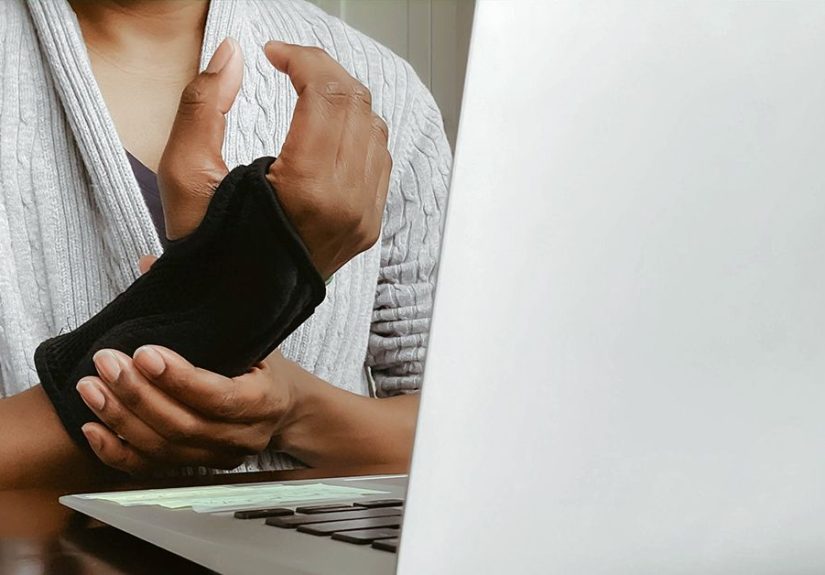
- Wrist splinting: typically a neutral-position wrist brace, often worn at night (and sometimes during symptom-triggering activities).
- Ergonomic tweaks: keyboard/mouse adjustments, tool grip modifications, and minimizing prolonged wrist flexion/extension.
- Targeted exercises: nerve and tendon gliding can help some people short-term (best guided by a clinician/therapist).
- Medication for discomfort: may help pain but doesn’t “open” the tunnelthink symptom relief, not structural change.
- Corticosteroid injection: in selected cases, an injection into the carpal tunnel can reduce inflammation and provide temporary relief.
When surgery is considered
Carpal tunnel release surgery decreases pressure by cutting the ligament forming the roof of the tunnel, creating more space for the nerve. It can be performed with open or endoscopic approaches. Surgery is often considered for persistent symptoms, significant weakness, or when nerve testing suggests more advanced compression.
Recovery and Outlook: What to Expect
Nerves heal slowly. If you’ve had mild symptoms for a short time, improvements can happen relatively quickly once pressure is reduced. If symptoms have been severe or long-standingespecially with muscle wastingrecovery may take longer and may be incomplete.
After surgery, many people notice early improvement in night numbness/tingling, but strength and sensation can take longer to normalize. Following postoperative instructions (motion, scar care, gradual return to activity) mattersa lot.
Prevention and Self-Defense: Keep Your Tunnels From Getting Grumpy
Desk and Device Habits
- Neutral wrist: avoid typing with wrists bent like you’re auditioning for a tiny T-Rex role.
- Micro-breaks: 30–60 seconds every 20–30 minutes to relax grip and reset posture.
- Lighten your grip: death-gripping your mouse and phone is not a personality trait; it’s a strategy for nerve irritation.
Sleep Habits
- Carpal tunnel: try a neutral wrist brace if symptoms wake you up.
- Cubital tunnel: avoid sleeping with elbows tightly bent; consider an elbow brace or positioning trick that keeps the elbow more open.
Tools and Sports
- Reduce vibration exposure when possible; use padded gloves or tool modifications if recommended.
- Build forearm and hand endurance gradually; sudden workload spikes can flare symptoms.
When to See a Clinician (Don’t “Tough It Out” Forever)
Make an appointment if symptoms are frequent, disrupt sleep, or interfere with daily function. Seek care sooner if you notice:
- Weakness (dropping objects, loss of pinch strength, trouble spreading fingers)
- Visible muscle wasting in the hand (thumb base for carpal tunnel; small hand muscles for cubital tunnel)
- Persistent numbness that doesn’t come and go
- Symptoms in both hands with other neurologic signs (your clinician may look for broader causes)
Quick reminder: the earlier you address nerve compression, the better the odds of preventing long-term nerve damage.
Conclusion
Cubital tunnel and carpal tunnel can feel like cousinsboth involve nerve compression and annoying hand symptoms but their “fingerprints” are different. If your pinky and ring finger are the main problem, think ulnar nerve and the elbow. If your thumb, index, and middle fingers are the stars of the show, think median nerve and the wrist.
Most cases start with practical fixes: better positioning (especially at night), smart activity changes, and clinician-guided therapies. If symptoms persist or weakness appears, medical evaluation andsometimessurgery can be the most direct route back to normal.
Bonus: Real-World Experiences (About )
People rarely walk into a clinic saying, “Hello, I have median nerve compression at the transverse carpal ligament.” They say things like: “My hand falls asleep when I’m driving,” “I wake up at 3 a.m. shaking my fingers like I’m trying to summon Wi-Fi,” or “My pinky goes numb whenever I scroll for too long.” These lived details are often what separate carpal tunnel from cubital tunnel in everyday life.
With carpal tunnel, the most common storyline is nighttime trouble. Many people describe waking up with tingling or burning in the thumb-side fingers, then instinctively flicking or shaking the hand to “bring it back online.” Some notice symptoms when holding a phone, gripping a steering wheel, or carrying grocery bagsanything that keeps the wrist in a slightly bent position or demands sustained grip. A frequent “aha” moment is trying a neutral wrist brace: for a subset of people, the first night wearing it is the first night they sleep without the hand waking them up. Not everyone gets instant relief, but when splinting helps, it’s usually because it prevents the wrist from curling inward during sleep.
With cubital tunnel, the story often centers on the elbow. People describe symptoms after resting on a desk, leaning on an armrest, or sleeping with the elbow sharply bent (sometimes tucked under a pillow). The numbness favors the ring and pinky fingers, and some report a deep ache along the inside of the elbow or forearmespecially after long periods in one position. The “behavior change” that makes the biggest difference is often annoyingly simple: stop leaning on the elbow and stop sleeping with the arm folded. Simple doesn’t mean easy, though. Many folks don’t realize how often they bend their elbows tightly especially when reading in bed, holding a phone, or sitting with arms crossed.
Across both conditions, a common emotional experience is frustration: symptoms can be intermittent, which makes them easy to dismissuntil they’re not. People also tend to overcorrect. They’ll stretch aggressively, do random internet exercises at high volume, or brace 24/7 without guidance, then wonder why they’re sore. In practice, gentle, consistent changes work better than a weekend of “rehab Olympics.”
Another pattern: people underestimate the role of workstation and tool setup. When someone changes mouse height, keyboard angle, or takes micro-breaks, it can feel too small to matteruntil a week later when nighttime symptoms are noticeably quieter. It’s not glamorous, but nerves respond well to boring improvements.
Finally, many people feel relieved when a clinician names the problem and maps symptoms to a nerve pathway. It reframes the experience from “my hand is randomly broken” to “my nerve is irritated in a specific spotand we can stop poking it.” That clarity alone can make treatment feel doable.
Medical note: This article is for education only and isn’t a substitute for personalized medical advice. If you have persistent numbness, weakness, or worsening symptoms, see a qualified healthcare professional.