Table of Contents >> Show >> Hide
- The Midnight Reading That Made Everyone Do a Double Take
- Why Death Valley Can Feel Like a Giant Outdoor Oven
- Why Hot Nights Are More Dangerous Than They Sound
- Death Valley Is Not Just a Curiosity. It Is a Warning Label.
- What Climate Change Has to Do With It
- The Real Meaning of a 120°F Midnight
- What It Feels Like: A Longer Reflection on the Experience of a 120°F Midnight
- Conclusion
Midnight is supposed to be the part of the day when the planet takes a deep breath. The sun is gone, the sidewalks stop sizzling, and even the crankiest air conditioner gets a tiny break. Death Valley, however, appears to have missed that memo entirely. When temperatures in the California desert hit 120°F around midnight, the moment was widely described as the hottest midnight ever recorded. That is not a typo, not a prank, and not the setup to a dystopian summer movie. That is real weather, and it says a lot about how extreme heat is changing.
For years, Death Valley has been the heavyweight champion of American heat. It is the place people visit to stare at giant thermometers, take a picture, and then immediately realize their skin has made a terrible decision. But this particular milestone felt different. A blazing afternoon in Death Valley is shocking, sure. A 120-degree reading after midnight is something else entirely. It turns the usual rhythm of heat upside down. There is no cooldown, no relief, no reset button for people, infrastructure, or the natural world.
That is why this story matters beyond weather trivia. The headline is dramatic, but the deeper issue is even more important: dangerously hot nights are becoming a bigger part of the extreme-heat conversation. And when nighttime stays brutally warm, heat stops being a rough afternoon and becomes a full-day stress test for the human body.
The Midnight Reading That Made Everyone Do a Double Take
The now-famous 120°F midnight reading came from Death Valley’s Badwater Basin area during the July 2023 heat wave, and it was quickly highlighted by meteorologists and science reporters as an extraordinary event. The number was staggering not only because it was so high, but because of when it happened. In most places, midnight is when heat begins to retreat. In Death Valley, it was still acting like noon had overstayed its welcome.
That distinction matters. A desert can be brutally hot by day and still cool enough overnight for at least some recovery. But when the temperature remains in triple digits after dark, heat becomes relentless. Your body does not get the physiological timeout it needs. Buildings do not shed warmth efficiently. Roads, rocks, and parking lots keep radiating stored heat back into the air like giant space heaters nobody asked for.
There was also an important technical nuance in the reporting. The midnight reading came from Badwater Basin rather than the official Furnace Creek station that anchors many of Death Valley’s famous records. That does not make the number less wild; it simply means weather experts treated it with careful context. In other words, this was not the meteorological version of “trust me, bro.” It was a remarkable reading discussed seriously by journalists, forecasters, and weather historians because it fit a broader pattern of exceptional overnight heat.
And that pattern is what really grabs attention. One blistering number can make headlines. A cluster of strange, persistent, record-chasing heat events suggests something larger is happening. Death Valley was not just hot. It was staying hot in ways that challenge ordinary assumptions about what nighttime is supposed to do.
Why Death Valley Can Feel Like a Giant Outdoor Oven
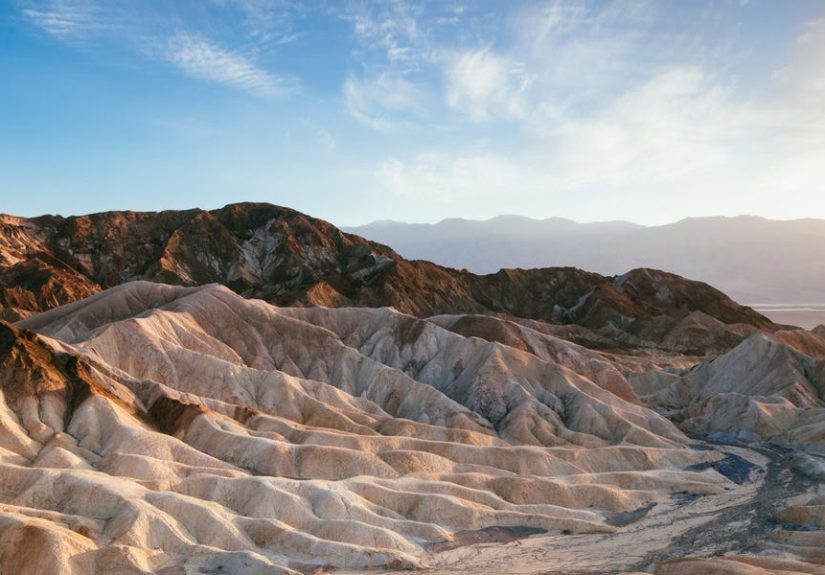
Death Valley’s geography is basically a master class in how to trap heat. The valley sits below sea level, hemmed in by steep mountain ranges, and its clear, dry air allows strong sunshine to hammer the landscape during the day. The rocks and soil soak up that energy, then release it back into the air long after sunset. If the desert were a cast-iron skillet, Death Valley would be the skillet left on the burner, forgotten, and somehow still hotter than logic.
The National Park Service explains that the valley’s depth and shape play a huge role. Heated air rises, cools, and then gets recycled back down into the basin, where it compresses and warms again. That means Death Valley does not just receive heat; it recirculates it. The result is a place where summer nights often provide very little relief even under “normal” extreme conditions. In the hottest parts of summer, midnight temperatures commonly sit in the 100°F to 110°F range, while the coolest hours before dawn may still be in the upper 80s or 90s.
That context makes the 120°F midnight reading even more startling. Death Valley is already famous for warm nights, but 120°F after dark is the sort of number that makes even seasoned weather watchers stop mid-sentence and say, “Well, that seems unhealthy for literally everything.”
The park’s history backs up the valley’s reputation. Death Valley has long been associated with some of the hottest air temperatures ever observed, and summer highs above 120°F are not unusual there. What makes the midnight record so newsworthy is that it pushes the story from “intensely hot place” into “the heat now has no manners whatsoever.”
Why Hot Nights Are More Dangerous Than They Sound
People often think about extreme heat in terms of the afternoon peak: the blazing sun, the shimmering roads, the sensation that your shoes are reconsidering their life choices. But public-health experts pay close attention to nighttime temperatures for a reason. When nights stay hot, the body has fewer chances to recover from daytime stress. That is one reason prolonged heat events are especially dangerous.
Warm nights can interfere with sleep, increase dehydration risk, and place extra strain on the heart and other organs. For older adults, young children, outdoor workers, travelers, and people with chronic health conditions, the lack of overnight cooling is especially hazardous. Heat risk is not just about one giant number on a thermometer; it is about duration, accumulated exposure, and whether people can get to effective cooling.
This is where Death Valley becomes a symbol of a much larger issue. You do not need to live in the nation’s hottest national park to be threatened by hot nights. Across the United States, unusually hot summer nights have become more common, and in some datasets they are increasing faster than extremely hot summer days. That trend matters because it reduces the number of hours when homes, bodies, and communities can cool down naturally.
In practical terms, overnight heat can turn a tough day into a dangerous multi-day event. If an apartment never cools, if a worker begins the next morning already heat-stressed, or if a neighborhood loses power during a heat wave, the risk compounds. This is why modern heat tools increasingly factor in nighttime lows, not just daytime highs. A community facing brutal afternoons and miserable nights is dealing with a different level of danger than one that at least cools off after sunset.
Death Valley Is Not Just a Curiosity. It Is a Warning Label.
It is easy to treat Death Valley as a place of spectacle. People pose with thermometers, talk about surviving a few minutes outside, and collect bragging rights like they just visited the Earth’s toaster setting. But park officials have repeatedly warned that the heat is not a novelty act. It is a serious safety hazard, especially for visitors who underestimate the desert or assume a dry climate feels easier than a humid one.
That misconception gets people into trouble. Dry air can make sweat evaporate quickly, which sounds helpful until you realize you can become dangerously dehydrated before you fully appreciate what is happening. The park has emphasized basic but critical advice: stay in or near air conditioning, avoid hiking at low elevations during the hottest part of the day, drink plenty of water, and eat salty snacks. Those tips may sound simple, but in Death Valley simplicity is survival.
The park’s recent records underline the point. In 2024, Death Valley logged its hottest month on record based on average 24-hour temperature. It also recorded its hottest meteorological summer on record. In other words, the midnight headline was not some isolated act of atmospheric weirdness. It fits into a larger chain of extreme heat events that keeps pushing the park into new territory.
That continuity is what makes the story feel less like a freak anecdote and more like a climate-era case study. Heat records are always partly about place, but they are also about trend. When Death Valley repeatedly flirts with extraordinary highs, relentlessly hot nights, and record-setting monthly averages, the message is not subtle. The hottest place in America is finding new ways to be hotter.
What Climate Change Has to Do With It
No single weather event can be reduced to one cause, and serious climate reporting should never turn into cartoon science. But the broader trend line is clear. Global temperatures have been rising, extreme heat events are becoming more frequent and intense, and hot nights are becoming a bigger part of the story. July 2023 was identified by NOAA as the warmest July in its global record at the time, and the years since have done little to calm concerns about the direction of travel.
That does not mean every scorcher in Death Valley is “caused” by climate change in a neat, one-sentence way. Death Valley has always been brutally hot because of its geography. What climate change does is load the dice. It raises the baseline, increases the odds of extreme outcomes, and makes it easier for a naturally severe place to reach genuinely astonishing levels.
Think of it this way: Death Valley already had all the ingredients for dangerous heat. Climate change is turning up the burner under the pot. That helps explain why overnight heat now deserves more attention than it used to. A place that was already famous for extreme afternoons is also becoming a case study in what happens when even the night shift gets assigned to the furnace.
The Real Meaning of a 120°F Midnight
So what does a 120-degree midnight actually mean? It means the old idea of nighttime relief is becoming less reliable. It means the human body may never fully get a chance to reset during a heat wave. It means public health, infrastructure, tourism, wildlife, and emergency planning all need to adapt to a reality where danger does not clock out at sunset.
It also means that weather records should not be treated as party tricks. Yes, the number is jaw-dropping. Yes, it sounds like the setup to a joke about lizards filing workplace complaints. But the deeper lesson is serious: the absence of nighttime cooling can be as important as the daytime peak, and maybe more so when it comes to real-world risk.
Death Valley will probably continue to fascinate people because it is so extreme, so surreal, and so unapologetically intense. But this particular record stands out because it captures something broader than local desert drama. It shows how heat is changing shape. It is not only arriving harder. It is lingering longer.
What It Feels Like: A Longer Reflection on the Experience of a 120°F Midnight
Imagine stepping outside at midnight and getting hit by air that feels like it came from the back of a running hair dryer. Not warm. Not “summer evening” hot. Not “wow, it’s still muggy” uncomfortable. We are talking about an atmosphere that feels actively hostile to the concept of cooling off. Your first instinct would probably be confusion. Midnight is supposed to come with a temperature discount. In Death Valley, it showed up with surge pricing.
In that kind of heat, ordinary sensory cues stop working the way you expect. The darkness suggests the day is over, but the air insists the opposite. Asphalt still throws heat back at you. Rocks radiate warmth like they have personal grudges. The inside of a parked car feels less like transportation and more like a legal argument waiting to happen. Even the breeze is rude. Instead of relief, it delivers more heat, as if the wind itself has joined the prank.
Visitors often describe extreme desert heat as strangely theatrical. The light is dramatic, the landscape is beautiful, and the scale of the place makes it feel almost cinematic. But the experience of a hot midnight is less cinematic and more psychological. It unsettles you because it removes one of the most basic expectations humans have about weather: that night is when conditions ease up. When that does not happen, your sense of control shrinks fast.
There is also a fatigue factor that headlines rarely capture. People can endure a brutally hot hour better than they can endure a brutally hot day that bleeds into a brutally hot night. Sleep becomes harder. Hydration becomes a constant project. Even simple activities begin to feel expensive in energy terms. Walking a short distance, loading luggage, checking a map, or standing outside to look at the stars suddenly feels like work. In that environment, the body is not relaxing. It is negotiating.
For travelers, the experience can swing from awe to caution in a hurry. One minute you are marveling at the weird grandeur of the desert after dark; the next minute you realize the usual rules of comfort no longer apply. You do not “take a nice evening stroll” in conditions like that. You move carefully, think about water, and become deeply appreciative of air conditioning, shade, and good judgment. Heroics become much less appealing when the night air feels like it wants your lunch money.
For people who live or work in extreme heat, the story is even bigger than discomfort. A hot midnight is not merely memorable; it is exhausting. It can wear down routines, strain infrastructure, and turn basic tasks into planning exercises. Cooling systems have to work longer. Power matters more. Recovery matters more. The difference between inconvenience and danger narrows.
That is why the phrase “hottest midnight ever recorded” lands so hard. It sounds sensational, but it also feels intuitively ominous. Midnight is supposed to be the reset. When even midnight is running a fever, the heat wave is no longer just visiting. It has moved in, rearranged the furniture, and taken over the thermostat.
Conclusion
Death Valley’s 120°F midnight was memorable because it was bizarre, historic, and almost comically extreme. But its real importance lies in what it reveals: heat is no longer just a daytime story. Warm nights are becoming a serious part of extreme-weather risk, and in places already built for heat, that shift can push conditions from severe into surreal.
Death Valley remains a place of spectacle, but it is also a place of warning. If the hottest place in America is showing us what relentless overnight heat looks like, the rest of the country would be smart to pay attention. Because when midnight starts feeling like a furnace, the future is not just hot. It is staying hot.