Table of Contents >> Show >> Hide
- What Is Dermaplaning?
- How the Dermaplaning Procedure Works
- Benefits of Dermaplaning
- Risks and Side Effects of Dermaplaning
- At-Home Dermaplaning vs. Professional Dermaplaning
- Dermaplaning Aftercare: What To Do (and What To Skip)
- How Often Should You Get Dermaplaning?
- Common Dermaplaning Myths (Let’s Clear the Air)
- Who Is a Good Candidate for Dermaplaning?
- Final Takeaway
- Extended Experiences: What People Commonly Report About Dermaplaning (Approx. 500+ Words)
If your skincare routine has been feeling a little… beige, dermaplaning might be the glow-up move you’ve been hearing about. It’s one of those treatments that sounds dramatic (yes, a blade is involved) but is often described by professionals as a quick, minimally invasive exfoliation method that can leave skin looking smoother and brighter. In plain English: it’s like giving your face a careful, polished reset.
That said, dermaplaning is not a magic wand, not a replacement for medical acne treatment, and definitely not a “grab any razor and wing it” situation. This guide breaks down what dermaplaning is, how the procedure works, who may benefit most, the real risks to know, and how to care for your skin afterward. We’ll also tackle common myths (including the classic “Will my hair grow back thicker?” question) and share real-world experiences people often report.
What Is Dermaplaning?
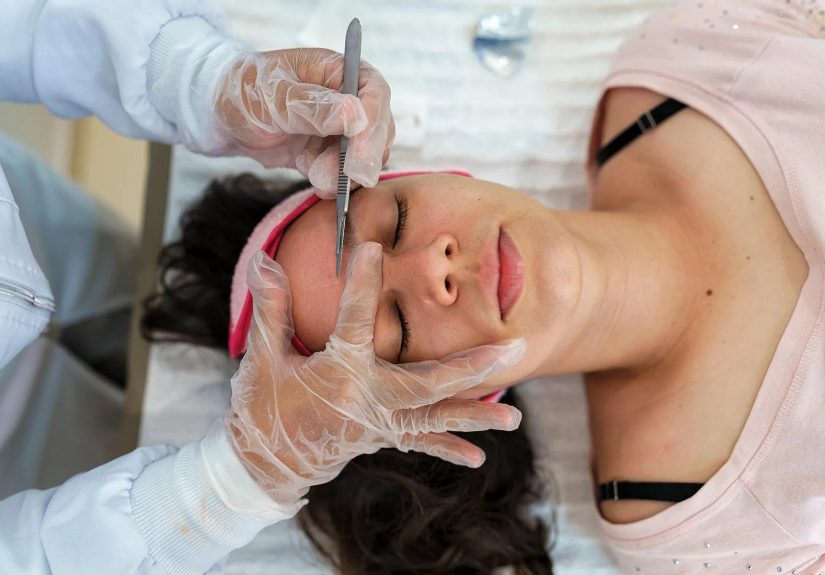
Dermaplaning is a physical exfoliation treatment in which a trained professional uses a sterile blade or specialized tool to gently remove the outermost layer of dead skin cells and fine vellus hair (often called “peach fuzz”) from the face. The goal is not just hair removalit’s skin resurfacing. By clearing surface buildup, dermaplaning can help skin look more even, feel softer, and reflect light better (which is why people often describe the post-treatment look as “glowy”).
Think of it as precision exfoliation. It’s different from scrubs, brushes, and gritty exfoliants because the provider controls the angle and pressure very carefully. Done well, the treatment is quick and typically has minimal downtime. Done poorly, it can irritate skin or cause cuts, so technique matters a lot.
Dermaplaning vs. Shaving vs. Dermabrasion vs. Microdermabrasion
Dermaplaning vs. shaving: Both remove hair, but dermaplaning is designed as a cosmetic exfoliation procedure using a controlled technique and a medical-grade or professional tool. Standard shaving mainly removes hair and may not give the same exfoliation result.
Dermaplaning vs. dermabrasion: Dermabrasion is a more intensive resurfacing procedure and typically involves a rotating instrument. It can target deeper scars and skin changes but comes with more recovery time and risk.
Dermaplaning vs. microdermabrasion: Microdermabrasion also exfoliates the top layer of skin, but it uses abrasive crystals/diamond-tip devices and suction rather than a blade. Some people prefer one over the other based on skin sensitivity, goals, and provider recommendation.
How the Dermaplaning Procedure Works
Dermaplaning is usually performed in a dermatologist’s office, plastic surgery practice, or licensed medical spa (depending on state rules and the provider’s credentials). Here’s what a typical appointment looks like:
1) Consultation and Skin Assessment
Before anyone reaches for a blade, a qualified provider should assess your skin and ask about your medical history, skincare routine, and goals. This is the “Let’s not turn a glow-up into a regret” step. They may ask about active breakouts, eczema, rosacea flares, cold sores, recent peels, prescription retinoids, or other treatments that can make skin more reactive.
2) Cleansing and Prep
Your skin is cleaned to remove oil, makeup, and debris. Some providers may use a prep solution or dry the skin thoroughly because dermaplaning is usually done on clean, dry skin for better blade control.
3) The Dermaplaning Pass
The provider holds the skin taut and uses short, light strokes at a controlled angle. The blade gently lifts away dead skin cells and fine facial hair. The sensation is often described as a light scraping or brushingmore weird than painful. (A “tiny broom for your face” is a surprisingly accurate mental image.)
4) Soothing Products and Sun Protection
After the treatment, providers often apply a calming product and moisturizer. Sunscreen is essential because freshly exfoliated skin can be more sensitive to UV exposure. If your post-treatment plan doesn’t include sunscreen, that is your cue to ask questions.
5) Duration and Recovery
Many sessions are relatively quick, often under an hour, and some people go right back to normal activities. Mild redness, tightness, or sensitivity can happen for a short period, especially if your skin is naturally reactive.
Benefits of Dermaplaning
Dermaplaning is popular because the results are often immediate. Here are the most common reasons people book it:
Smoother Texture and Brighter-Looking Skin
By removing surface buildup, dermaplaning can make skin feel softer and look more polished right away. Dullness often improves because light reflects more evenly off the skin.
Better Makeup Application
Foundation, skin tint, and concealer may sit more smoothly after dermaplaning because there’s less texture and less fine hair for product to cling to. If you’ve ever watched your makeup separate around peach fuzz and whispered, “Why is it doing that?”this is one reason dermaplaning gets so much hype.
Temporary Removal of Peach Fuzz
Dermaplaning removes vellus hair, which can create a smoother appearance and feel. This is temporary; the hair grows back, but dermaplaning itself does not change the hair follicle structure.
May Improve the Appearance of Mild Surface Irregularities
Some people notice improvement in the look of mild acne scarring, rough patches, or dry flaky skin. However, very deep or raised scars usually need other treatments (such as lasers, microneedling, or other procedures recommended by a dermatologist).
Minimal Downtime Compared With More Aggressive Resurfacing
For people who want a quick refresh without the longer recovery associated with more intensive procedures, dermaplaning can be appealing. It’s often chosen before events, photos, or just because someone wants their skin to stop looking tired.
Risks and Side Effects of Dermaplaning
Dermaplaning is generally considered low risk when done by a qualified professional, but “low risk” does not mean “no risk.” It’s still a blade-based exfoliation treatment. Here are the main concerns:
Common Short-Term Side Effects
- Mild redness
- Temporary sensitivity or stinging
- Tightness or dryness
- Minor irritation
- Occasional small whiteheads or breakouts in the day or two after treatment
These effects are often temporary and improve with gentle skincare and sun protection.
Less Common but Important Risks
- Cuts or nicks: More likely with poor technique or at-home use.
- Infection: Possible if skin is cut or tools are not clean.
- Scarring: Rare, but possibleespecially if skin is injured or irritated and healing is disrupted.
- Pigment changes: Some people may develop post-inflammatory hyperpigmentation (darker spots) or lighter patches, particularly if skin is exposed to sun after treatment or is prone to pigmentation changes.
- Irritation flare-ups: Dermaplaning can aggravate already inflamed skin (like active acne or eczema flare-ups).
Who Should Avoid or Postpone Dermaplaning?
Dermaplaning may not be a good idea right now if you have any of the followingat least not without clearance from a dermatologist or qualified provider:
- Active acne breakouts (especially inflamed lesions)
- Rosacea flare-ups or very reactive skin
- Eczema, psoriasis, or dermatitis flares
- Open sores, cuts, or sunburn
- Active cold sores / herpes outbreaks
- Skin infections or unexplained rashes
- Suspicious moles or changing skin lesions (these need medical evaluation, not cosmetic scraping)
If you’re using prescription acne medications, retinoids, or strong exfoliating products, talk with your provider first. Combining active skincare with exfoliation can increase irritation, dryness, and barrier damage.
At-Home Dermaplaning vs. Professional Dermaplaning
At-home dermaplaning tools are everywhere now, and yes, many people use them. But they’re not the same as a professional treatment. The blade design, technique, depth of exfoliation, sanitation, and skin assessment are different.
Professional Dermaplaning Pros
- Performed by someone trained to assess skin and technique
- Better safety practices and sanitization
- More consistent results
- Easier to avoid active acne, lesions, or irritated areas
At-Home Dermaplaning Cautions
- Higher risk of cuts and irritation if technique is off
- Easy to overdo it (especially if you love instant smoothness)
- Can worsen acne or inflamed skin
- Sanitation mistakes can increase infection risk
If someone decides to try an at-home version anyway, going slow, using clean tools, and stopping immediately if skin is irritated are non-negotiables. “More pressure” is never the answer. That’s how you end up exfoliating your confidence instead of your skin.
Dermaplaning Aftercare: What To Do (and What To Skip)
Aftercare is where good results are protected. Freshly exfoliated skin can be more sensitive, so the goal is simple: reduce irritation, support the skin barrier, and protect from UV.
Do This After Dermaplaning
- Use a gentle cleanser
- Apply moisturizer to reduce dryness and support the skin barrier
- Wear broad-spectrum sunscreen (SPF 30 or higher) daily
- Reapply sunscreen as directed if outdoors
- Keep your routine simple for a day or two if you’re sensitive
Be Careful With These (At Least Briefly)
- Harsh scrubs or extra exfoliants (AHAs/BHAs/scrubs)
- Retinoids/retinol if your skin is feeling irritated
- Benzoyl peroxide or strong acne products on irritated skin
- Hot water, aggressive rubbing, and “I scrubbed because I thought it would help” behavior
- Sun exposure without protection
If your skin is rosacea-prone or easily irritated, ask your dermatologist for a tailored post-treatment plan. Gentle skincare and mineral sunscreen options may be better tolerated for some people.
How Often Should You Get Dermaplaning?
Professional recommendations often land around every 3 to 4 weeks for maintenance, but frequency depends on your skin type, sensitivity, goals, and how your skin responds. Some people do it occasionally before an event. Others schedule regular appointments. What matters most is allowing the skin time to recover between treatments.
At-home use is a separate conversation and tends to require even more caution. Overdoing dermaplaning can lead to irritation, dryness, and barrier disruptionbasically the opposite of the smooth, happy skin you were aiming for.
Common Dermaplaning Myths (Let’s Clear the Air)
Myth #1: “Dermaplaning makes hair grow back thicker and darker.”
Nope. Dermaplaning cuts hair at the surface; it does not change the follicle. Hair may feel a little different as it grows in because the tip is blunt, but the hair itself is not growing faster, thicker, or darker because of the procedure.
Myth #2: “Dermaplaning is risk-free because it’s gentle.”
Also no. It can be gentle when properly done, but it still involves exfoliation and a blade. Skin condition, technique, and aftercare all affect safety.
Myth #3: “It treats all acne scars.”
Dermaplaning may improve the look of some superficial irregularities, but deep scarring often needs more targeted treatments. A dermatologist can help match the treatment to the scar type.
Who Is a Good Candidate for Dermaplaning?
You may be a good candidate if you want smoother texture, brighter-looking skin, and temporary removal of peach fuzzand you do not have an active inflammatory skin issue at the time of treatment. People with dullness, dry flaky patches, or mild textural concerns often like the results.
You may need a different plan if you have frequent breakouts, rosacea flares, eczema, psoriasis, pigment concerns, or a history of irritation after exfoliation. That doesn’t automatically mean “never,” but it does mean “let a professional guide this decision.”
Final Takeaway
Dermaplaning can be an excellent option for people who want a quick, visible skin refresh with minimal downtime. The biggest wins are usually smoother texture, brighter-looking skin, better makeup application, and temporary peach fuzz removal. The biggest mistakes are usually doing it on irritated skin, overdoing it, or skipping sunscreen afterward.
In short: dermaplaning is a useful tool, not a miracle cure. Pick the right provider, treat your skin gently, and set realistic expectations. Your skin doesn’t need perfectionit needs smart care and a little consistency.
Extended Experiences: What People Commonly Report About Dermaplaning (Approx. 500+ Words)
Experience 1: The “Why does my makeup suddenly look expensive?” moment. A lot of first-time dermaplaning clients say the most noticeable change isn’t dramatic overnight transformationit’s how smooth their skin feels and how evenly makeup sits the next day. A common example is someone who usually struggles with foundation clinging around the cheeks or upper lip. After dermaplaning, they notice less patchiness and a softer finish. The reaction is often a mix of delight and suspicion, like, “Wait… is this my face, or did my bathroom lighting become kind?” Usually, it’s just the smoother skin surface doing its job.
Experience 2: The “I expected zero redness” surprise. Some people go in thinking dermaplaning means walking out with instantly camera-ready skin and no signs of treatment at all. In reality, mild redness or sensitivity can happenespecially in fair, dry, or reactive skin. Many describe it as a light “windburn” feeling for a few hours. This is why experienced providers often emphasize post-treatment moisturizer and sunscreen. People who follow aftercare usually report the redness settles quickly; people who immediately use strong acids, retinoids, or hot water often learn a memorable lesson. (Their skin usually files a complaint.)
Experience 3: The acne-prone user who tried it during a breakout. This is a very common “I wish I had waited” story. Someone sees peach fuzz, wants smoother skin before a social event, and dermaplanes over active breakouts or irritated spots. The result can be more irritation, tenderness, and sometimes additional bumps afterward. Acne-prone users often report better outcomes when they wait until inflammation has calmed down and get clearance from a dermatologist or aesthetic provider who understands acne management. Timing matters more than people think.
Experience 4: The at-home enthusiast who discovers technique matters. Many at-home users start because the tools are inexpensive and the promise of instant smoothness is tempting. Some have perfectly fine experiences. Others describe tiny nicks, over-exfoliation, or a “raw” feeling because they used too much pressure or repeated passes in the same area. A typical pattern is doing too much the first time because the results are satisfying. The more successful at-home users tend to be the cautious ones: clean tool, gentle strokes, no inflamed skin, and no back-to-back exfoliating products afterward.
Experience 5: The event-prep planner who gets the timing right. People often love dermaplaning before weddings, photoshoots, interviews, or big celebrationsbut the smartest experiences usually involve trying it before the big day instead of for the first time 12 hours prior. A “test session” lets someone see how their skin reacts, whether redness occurs, and what aftercare works best. Those who test in advance tend to report better confidence and fewer surprises. Those who gamble on same-day first-time treatments sometimes spend the evening asking, “Is this glow or irritation?”
Experience 6: The long-term user who realizes it’s maintenance, not magic. People who keep dermaplaning in their routine often say the biggest benefit is consistency: smoother texture, easier makeup, and a brighter look when paired with daily sunscreen and a gentle skincare routine. They also tend to stop expecting it to solve everything. Dermaplaning may improve the appearance of surface dullness, but it won’t replace acne treatment, erase deep scars, or fix every pigmentation issue on its own. The best long-term experiences usually come from realistic expectations and a plan that includes professional advice when needed.
Bottom line from real-world experiences: dermaplaning tends to work best when skin is calm, the technique is appropriate, aftercare is gentle, and expectations are grounded. In other words, it’s less “instant miracle” and more “smart cosmetic maintenance with satisfying results.” And honestly? That’s a pretty good deal.