Table of Contents >> Show >> Hide
- Why Diet Matters So Much in Pancreatitis
- The Most Helpful Diet Changes for Pancreatitis
- Foods to Eat More Often
- Foods That Commonly Make Symptoms Worse
- A Sample One-Day Pancreatitis-Friendly Meal Plan
- What Changes if You Have Chronic Pancreatitis?
- During a Flare, Don’t Try to “Tough It Out” With Random Internet Advice
- Signs Your Diet Plan Needs an Upgrade
- Real-World Experiences With Diet Changes and Pancreatitis
- Conclusion
If your pancreas could text, pancreatitis would probably send something like: “Please stop making me process that fried mystery platter.” Pancreatitis is inflammation of the pancreas, and when it flares up, eating can go from comforting to complicated in a hurry. The good news is that smart diet changes can make a real difference. They can ease symptoms, lower the risk of future attacks, support healing, and help you avoid the unglamorous combo of pain, weight loss, and bathroom drama.
There is no one magic “pancreatitis diet,” but there is a pattern that helps most people: lower fat, less alcoholactually no alcoholsmaller meals, better hydration, and gentler foods that do not force the pancreas to work overtime. For people with chronic pancreatitis, the picture can get more nuanced because poor digestion, vitamin deficiencies, and even diabetes may enter the chat. That is why the best plan is both pancreas-friendly and realistic enough to follow on a Tuesday when life is busy and takeout is calling your name.
Why Diet Matters So Much in Pancreatitis
Your pancreas helps digest food by releasing enzymes, especially for fat. When the pancreas is inflamed, high-fat meals can be especially hard to handle. That is one reason many people notice more pain, bloating, nausea, or diarrhea after greasy foods. In acute pancreatitis, diet often shifts in stages depending on how sick someone is and how well they can tolerate food. In chronic pancreatitis, long-term inflammation may reduce the pancreas’s ability to make enough enzymes, which can lead to greasy stools, malnutrition, and unintended weight loss.
So yes, food mattersbut not because every bite is dangerous. It matters because the right eating pattern helps calm symptoms, improve digestion, and reduce strain on the pancreas. Think of it less like a punishment diet and more like giving your digestive system a less dramatic work schedule.
The Most Helpful Diet Changes for Pancreatitis
1. Keep meals low in fat
This is the headline change for a reason. A low-fat diet is commonly recommended after pancreatitis, especially after an acute attack or when symptoms flare. Lower-fat meals are usually easier to digest and place less demand on the pancreas. That does not mean food has to be sad, dry, and emotionally unavailable. It means shifting away from fried foods, heavy sauces, full-fat dairy, fatty cuts of meat, buttery pastries, and giant restaurant portions that arrive sizzling like a threat.
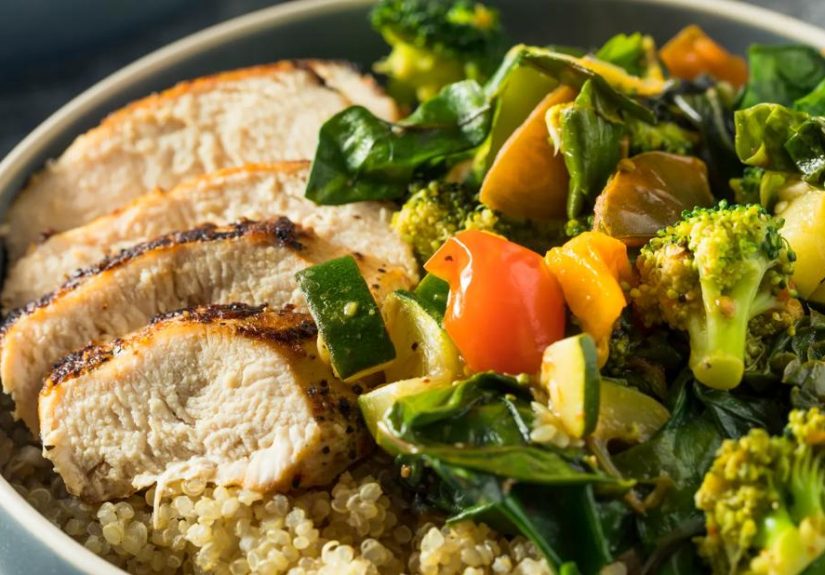
Better choices include baked or grilled chicken, turkey, fish, egg whites, beans, lentils, oatmeal, brown rice, potatoes, fruits, vegetables, and low-fat dairy if tolerated. Some people do well with a Mediterranean-style pattern built around plants, whole grains, lean protein, and modest amounts of healthier fats.
2. Eat smaller, more frequent meals
A huge meal can hit an irritated pancreas like a marching band in a library. Smaller meals and snacks spread through the day are often easier to tolerate than three oversized meals. Many people feel better with four to six smaller eating times instead of breakfast, lunch, dinner, and one regrettable late-night fridge raid.
This approach can also help if pancreatitis has affected appetite. Eating smaller amounts more often may make it easier to get enough calories and protein without feeling overfull or nauseated.
3. Prioritize lean protein
Protein helps maintain muscle and supports healing, which matters if pancreatitis has left you eating less or losing weight. Good options include skinless chicken or turkey, white fish, salmon in moderate portions, tofu, egg whites, low-fat Greek yogurt, cottage cheese, beans, and lentils. If red meat tends to trigger symptoms, that is not your imagination staging a protest. Many people tolerate leaner proteins better.
If chewing feels like too much effort during recovery, softer protein options such as yogurt, smoothies made with low-fat ingredients, pureed soups, soft scrambled eggs, and tender shredded chicken may be easier to manage.
4. Build meals around whole, minimally processed foods
Fruits, vegetables, legumes, and whole grains bring fiber, vitamins, and antioxidants to the table. They also tend to be lower in saturated fat than ultra-processed foods. A plate built around oatmeal, berries, beans, quinoa, sweet potatoes, leafy greens, or roasted carrots is usually far friendlier to the pancreas than a combo meal with fries, soda, and something “crispy” that spent quality time in a vat of oil.
That said, not everyone tolerates high-fiber foods equally well during a flare. If raw vegetables, beans, or very fibrous foods seem to stir things up, try cooked vegetables, peeled fruits, soups, mashed beans, or softer grains first and work your way back up.
5. Cut out alcohol completely
This one is not negotiable. Alcohol can trigger pancreatitis and can worsen it, even if the original cause was something else. If you have pancreatitis, “just one drink” is often a bad bargain. The pancreas is not impressed by special occasions.
If quitting alcohol feels hard, that is a medical issue, not a moral failure. Ask for support early. It can be one of the most important steps in preventing more attacks.
6. Stay well hydrated
Pancreatitis can go hand in hand with dehydration, especially if nausea, vomiting, diarrhea, or poor appetite are in the mix. Water should do most of the heavy lifting here. Broth-based soups, oral rehydration drinks when needed, and water-rich foods can help too. Some people are advised to limit caffeine, especially if it worsens symptoms or replaces water intake. In other words: treat your water bottle like a loyal sidekick, not a decorative accessory.
7. Go easy on added sugar and heavily processed foods
Sugary drinks, pastries, candy, and ultra-processed snacks are not ideal for anyone, but they can be especially unhelpful if high triglycerides played a role in pancreatitis or if chronic pancreatitis has started affecting blood sugar control. Pancreatitis can raise the risk of diabetes over time, so choosing slower-digesting carbohydrates and fewer liquid sugars is a smart move.
Swap soda for water or unsweetened tea, choose oatmeal over sugary cereal, and aim for snacks that combine fiber and protein, such as fruit with low-fat yogurt or whole-grain toast with a thin layer of nut butter if tolerated.
Foods to Eat More Often
- Oatmeal, brown rice, quinoa, whole-grain toast, and other simple whole grains
- Skinless chicken, turkey, fish, tofu, beans, lentils, and egg whites
- Cooked vegetables such as carrots, zucchini, green beans, squash, and sweet potatoes
- Fruit such as bananas, berries, applesauce, melon, or peeled apples if raw fruit is hard to handle
- Low-fat or nonfat yogurt, milk, or cottage cheese, if dairy works for you
- Broth-based soups, smoothies with low-fat ingredients, and soft meals during recovery
- Healthy fats in modest portions, depending on tolerance, such as olive oil, avocado, nuts, or seeds
Foods That Commonly Make Symptoms Worse
- Fried foods and fast food
- Fatty cuts of beef, pork, sausage, bacon, and processed meats
- Full-fat dairy, cream sauces, butter-heavy dishes, and rich desserts
- Potato chips, pastries, doughnuts, and packaged snack foods high in saturated fat
- Sugary drinks, energy drinks, and oversized desserts
- Alcohol in any form
- Very spicy or greasy restaurant meals if those reliably trigger symptoms for you
A Sample One-Day Pancreatitis-Friendly Meal Plan
Breakfast: Oatmeal cooked with low-fat milk or a fortified plant milk, topped with blueberries and a sliced banana.
Mid-morning snack: Low-fat Greek yogurt with a few soft berries.
Lunch: Grilled chicken breast, brown rice, and steamed carrots with a small drizzle of olive oil.
Afternoon snack: Applesauce and whole-grain crackers, or a small smoothie with yogurt, fruit, and ice.
Dinner: Baked white fish, mashed sweet potato, and green beans.
Evening snack: Cottage cheese with melon, or dry toast with turkey slices if you need something light.
No, it is not the kind of menu that usually appears next to a neon “all-you-can-eat” sign. But it is practical, balanced, and easier on an inflamed pancreas.
What Changes if You Have Chronic Pancreatitis?
Chronic pancreatitis may require more than a general low-fat plan. Some people develop exocrine pancreatic insufficiency, which means the pancreas is not releasing enough digestive enzymes. Signs can include greasy, floating, foul-smelling stools, bloating, gas, diarrhea, and weight loss even when you are trying to eat well. When that happens, food is not the enemythe poor digestion is.
Your clinician may prescribe pancreatic enzyme replacement therapy, often called PERT, to take with meals and snacks. For the right person, this can be a game changer. It can improve digestion, reduce steatorrhea, and help you absorb nutrients more normally. People with chronic pancreatitis may also need monitoring for vitamins A, D, E, and K, plus calcium and bone health. In some cases, an ultra-low-fat diet is not the goal, because cutting fat too aggressively can worsen weight loss and make eating harder to sustain. This is where a gastroenterologist and dietitian earn their keep.
If chronic pancreatitis has affected insulin production, blood sugar issues may show up too. At that point, your meal plan may need to balance pancreas-friendly eating with diabetes-friendly choices. Translation: your pancreas may become the most high-maintenance organ in the group chat, and it deserves professional backup.
During a Flare, Don’t Try to “Tough It Out” With Random Internet Advice
When pancreatitis symptoms are severe, do not DIY your way through it with homemade rules like “I will just stop eating for a week and sip soda.” Acute pancreatitis can require medical treatment, IV fluids, pain control, and structured nutrition support. Current medical guidance favors starting oral feeding early when it is tolerated, rather than prolonged fasting for everyone. If you cannot keep food down, have severe pain, develop fever or jaundice, or feel weak and dehydrated, get medical care.
Once you are cleared to eat, bland, soft, low-fat foods may feel best at first. Think toast, oatmeal, rice, mashed potatoes, applesauce, soup, soft fruit, yogurt, and lean protein in small portions. Then build up gradually.
Signs Your Diet Plan Needs an Upgrade
It is time to talk with your healthcare team if you have any of the following:
- Unintended weight loss
- Greasy or floating stools
- Ongoing nausea, bloating, or pain after meals
- Trouble eating enough to maintain energy
- Signs of vitamin deficiency or poor nutrition
- High blood sugar or new diabetes symptoms
- Repeated pancreatitis attacks
A registered dietitian can help tailor meal size, fat intake, protein goals, supplements, and symptom strategies. That is far more useful than guessing your way through meals while glaring suspiciously at every avocado.
Real-World Experiences With Diet Changes and Pancreatitis
One of the most common experiences people report is surprise at how quickly high-fat foods can make themselves known. Someone may feel “mostly fine,” eat a burger and fries, and then spend the evening regretting every life choice that led to extra aioli. This does not mean recovery is impossible; it means the pancreas often gives very direct feedback. Many people learn to notice patterns: fried foods hurt, giant portions backfire, and a simple baked meal goes down much more peacefully.
Another common experience is frustration that “healthy” does not always mean “easy to digest.” Raw salads, nuts, seeds, or high-fiber meals may sound virtuous, but during recovery they can feel like too much. People often do better when they stop chasing the perfect diet and instead focus on the most tolerable version of a balanced diet. Cooked vegetables instead of raw. Oatmeal instead of bran cereal. Soup instead of a towering grain bowl. Progress is still progress, even if it arrives wearing mashed sweet potatoes.
People with chronic pancreatitis often describe a different challenge: the fear of eating because eating sometimes causes pain. That can create a cycle where someone eats less and less, loses weight, gets weaker, and then feels worse overall. When a clinician identifies enzyme insufficiency and starts pancreatic enzymes, some people describe it as finally getting a missing tool back. Meals may become less punishing. Stools may normalize. Weight may stabilize. Energy can improve. It is not a miracle switch, but it can be the difference between dreading food and actually benefiting from it again.
There is also the social side, which is easy to underestimate until it happens. Restaurant menus are suddenly full of traps. Family gatherings revolve around creamy casseroles, wings, desserts, and the relative who says, “One bite won’t hurt.” People often find that planning ahead helps: eating a small safe snack before going out, checking menus in advance, bringing a dish they know they can tolerate, or learning a polite but firm “No thanks, my pancreas has opinions.”
Hydration is another sleeper issue. Many people do not realize how lousy mild dehydration can make them feel until they start drinking more consistently. Keeping water nearby, sipping through the day, and choosing soups or simple fluids during rough patches can make recovery feel less chaotic. Likewise, many people are surprised by how much better they feel when alcohol is completely off the table. Not reduced. Not “only on weekends.” Gone.
Emotionally, the experience can swing between relief and resentment. Relief because symptoms improve when meals get simpler. Resentment because nobody dreams about celebrating with plain rice and grilled fish. Over time, though, many people find a rhythm. They learn which foods are worth it, which are absolutely not worth it, and how to make lower-fat eating taste like real life instead of dietary detention. The best long-term experience is usually not perfection. It is consistency: fewer flares, steadier digestion, better energy, and a growing sense that meals are helping rather than hurting.
Conclusion
The best diet changes for pancreatitis are not flashy. They are practical, steady, and surprisingly powerful: eat lower-fat meals, keep portions smaller, choose lean protein, build around whole foods, stay hydrated, avoid alcohol completely, and get help early if symptoms suggest poor digestion or malnutrition. If you have chronic pancreatitis, the plan may need to go beyond “eat less fat” and include enzyme therapy, vitamin monitoring, and blood sugar support.
Most of all, remember this: the goal is not to eat like a robot. The goal is to eat in a way that helps your pancreas calm down, your body stay nourished, and your life feel manageable again. A pancreas-friendly plate may not be the most glamorous thing on the internet, but compared with another painful flare, it is a pretty excellent deal.