Table of Contents >> Show >> Hide
- Step 1: Build a “Mini Hygiene Kit” You Can Actually Carry
- Step 2: Find Reliable Shower, Restroom, and Laundry Spots (Make a “Clean Route”)
- Step 3: Take “Fast Showers” Like a Pro (When You Get the Chance)
- Step 4: Learn the “Sink Bath” (A.K.A. the Human Bird Bath)
- Step 5: Keep Your Hands Clean (Because Hands Touch Everything)
- Step 6: Do “Smart Laundry” Even Without a Washer
- Step 7: Protect Your Feet (Dry Socks = Happiness)
- Step 8: Keep Up Oral Hygiene Anywhere (Your Future Teeth Will Thank You)
- Step 9: Handle Hair and Grooming With Minimal Water
- Step 10: Menstrual and Bathroom Hygiene (If This Applies to You)
- Step 11: Prevent Skin Infections, Bugs, and Small Wounds From Becoming Big Problems
- Bonus: A “Two-Minute Daily Clean” Routine (When Life Is Chaotic)
- Conclusion: Clean Is a Strategy, Not a Personality Trait
- Real-World Experiences: What People Say Helps Most (And Why)
Staying clean while you’re unhoused can feel like trying to keep a white T-shirt spotless at a barbecue. It’s not about “vanity”it’s about comfort,
dignity, and health. Clean hands reduce sickness. Clean socks save your feet. A quick rinse can boost your mood more than you’d expect.
This guide focuses on realistic, low-cost, and (importantly) legal ways to keep up basic personal hygiene when you don’t have reliable access to a bathroom,
shower, or laundry. You’ll find 11 practical steps, plus a “real-world experiences” section at the end to make it feel less like a lecture and more like
advice you’d actually use.
Step 1: Build a “Mini Hygiene Kit” You Can Actually Carry
The best hygiene plan is the one you can keep with you. Think “small, refillable, no drama.” A simple kit helps you handle 80% of hygiene needs without
needing a full bathroom.
What to include (pick what fits):
- Travel-size soap (or a small bottle of gentle body wash)
- Washcloth or small microfiber towel (dries fast)
- Toothbrush + fluoride toothpaste (travel size)
- Alcohol-based hand sanitizer
- Wet wipes or baby wipes (unscented if possible)
- Comb/brush + hair ties (if needed)
- Deodorant (stick is less messy than spray)
- Bandages + a tiny tube of petroleum jelly
- Zip-top bags (one for “clean,” one for “not clean”)
- Spare socks (even one extra pair is huge)
Pro tip: If carrying everything feels risky, split items into two kitsone that stays on you, and one small “backup bag” you keep only where it’s safe and allowed.
Step 2: Find Reliable Shower, Restroom, and Laundry Spots (Make a “Clean Route”)
Hygiene is easier when you stop improvising every day. Your goal is to identify a few dependable places where you can wash upthen rotate between them.
Start with day centers, drop-in centers, shelters, outreach programs, and community organizations that offer showers or laundry.
How to find options fast:
- Call 2-1-1 (in the U.S.) or use local 211 directories to ask for showers, laundry, drop-in centers, and hygiene supplies.
- Ask at a public library for local resource sheets (many libraries keep lists of nearby services).
- Check with street outreach teams or clinics that serve unhoused people.
If you can, write down locations and hours. Services can have waitlists or limited time slots, so knowing the schedule can save you from walking across town for a “closed” sign.
Step 3: Take “Fast Showers” Like a Pro (When You Get the Chance)
If you have access to a shower at a shelter, day center, or community program, make it countbut keep it simple. You’re not filming a shampoo commercial;
you’re doing a quick reset.
A quick shower routine (5–10 minutes):
- Rinse first to get sweat and dirt off.
- Soap the “priority zones”: underarms, groin, feet.
- Rinse thoroughly.
- Dry wellespecially between toes (moisture causes foot problems).
If showers are communal, wear shower sandals/flip-flops if you have them. If you don’t, just be extra careful to dry your feet thoroughly afterward and change into clean socks.
Step 4: Learn the “Sink Bath” (A.K.A. the Human Bird Bath)
No shower? A sink bath can still make you feel human. You only need a sink (or water bottle), soap, and a washcloth. Many people use this method daily
and save full showers for when they’re available.
Sink bath strategy:
- Wash face/neck first.
- Then underarms.
- Then groin (use a separate corner of the cloth).
- Finish with feet (yes, feet deserve their own moment).
If you have wipes, use them as a backupnot a forever substitute. Wipes are great for quick cleanups, but soap and water work better when you can get them.
Step 5: Keep Your Hands Clean (Because Hands Touch Everything)
If you want the “highest impact” hygiene habit, it’s hand hygiene. Clean hands reduce colds, stomach bugs, and skin infections. Wash with soap and water when you can.
When you can’t, use hand sanitizer.
Hand hygiene basics:
- Wash hands with soap and water whenever possible, especially after using the restroom and before eating.
- If soap/water aren’t available, use an alcohol-based hand sanitizer.
- Don’t forget thumbs, fingertips, and between fingersgerms love the “forgotten zones.”
Also: keep nails reasonably trimmed. Long nails trap dirt and germs, and they make it harder to stay clean with limited supplies.
Step 6: Do “Smart Laundry” Even Without a Washer
Clean clothes are about more than smell. They help prevent rashes, infections, and pests. If you have access to laundry through a drop-in centeramazing.
If not, you can still do damage control.
Low-tech laundry tactics:
- Rotate your “closest-to-skin” items: socks, underwear, shirts.
- Use a zip bag for dirty items so they don’t contaminate clean ones.
- Spot-clean stains and sweat areas with soap and a damp cloth.
- Air out clothes daily if possiblesunlight and airflow reduce odor and moisture.
If you can hand-wash, focus on the items that matter most for comfort and health: socks and underwear first, then shirts.
Step 7: Protect Your Feet (Dry Socks = Happiness)
Foot problems can spiral fast when you’re walking a lot, dealing with wet weather, or stuck in the same shoes. The goal is simple: keep feet clean, dry, and protected.
Foot-care rules that pay off:
- Change socks daily if possible (or at least whenever they get wet).
- Dry between toes after washing.
- Air out shoes when you can (moist shoes = fungus party).
- If your feet are wet for long periods, take it seriouslyconditions like trench foot are preventable but miserable.
If you notice itching, peeling skin, or burning between toes, it could be athlete’s foot. Keeping feet dry and clean is a big part of prevention.
Step 8: Keep Up Oral Hygiene Anywhere (Your Future Teeth Will Thank You)
Tooth pain is one of the fastest ways to ruin your day. The good news: basic dental hygiene is portable. Even if you can’t do everything perfectly,
doing something consistently helps.
A simple, realistic routine:
- Brush twice a day with fluoride toothpaste if possible.
- Clean between teeth with floss or an interdental pick once a day when available.
- If you can’t brush after eating, rinse your mouth with water.
Many communities have low-cost dental clinics or programs connected to health services for unhoused people. If you have ongoing tooth pain, don’t try to “tough it out” foreverget seen when you can.
Step 9: Handle Hair and Grooming With Minimal Water
Hair can hold sweat, smoke smells, and dust. You don’t need fancy products; you need a repeatable plan. The key is reducing oil buildup and keeping your scalp comfortable.
Easy options:
- When you can shower: shampoo scalp thoroughly, rinse well.
- Between showers: brush/comb daily to distribute oils and reduce tangles.
- If you have it: use a small amount of dry shampoo (or even a tiny bit of cornstarch) and brush it out well.
- Tie hair back or cover with a clean hat/head covering to reduce dust exposure.
If your scalp becomes very itchy, flaky, or you notice sores, it may be more than “just dirty.” Seek medical care when possible.
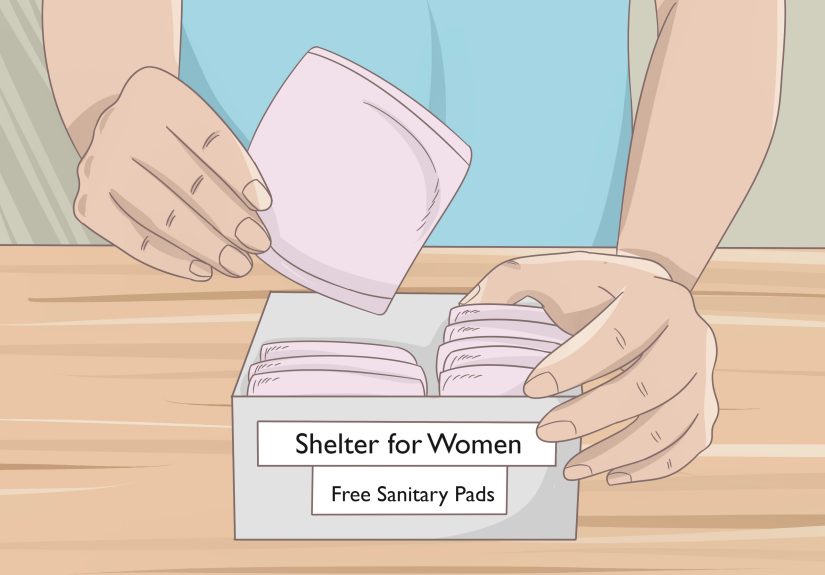
Step 10: Menstrual and Bathroom Hygiene (If This Applies to You)
Menstruation is normaland staying clean during your period should not be treated like a luxury. If you have access to products, the most important things are
changing regularly, washing hands, and disposing of items properly.
Practical period hygiene basics:
- Change pads regularly (more often if flow is heavy or you feel wet/uncomfortable).
- If using tampons, don’t leave one in too longset a phone alarm if that helps.
- Carry a small disposal bag for used products if trash access is unpredictable.
- Unscented wipes can help with quick cleanups, but avoid harsh scented products that can irritate skin.
If you experience unusual symptoms (severe pain, fever, foul-smelling discharge, dizziness), seek medical care as soon as you can. Many areas have clinics that can help regardless of housing status.
Step 11: Prevent Skin Infections, Bugs, and Small Wounds From Becoming Big Problems
When you’re outdoors a lot, small cuts and irritation can become infected quicklyespecially if you can’t wash regularly. A little prevention goes a long way.
Simple prevention that matters:
- Clean cuts and scrapes with clean water when possible.
- Cover wounds with a bandage or clean gauze to keep them clean.
- Change bandages if they get wet or dirty.
- Avoid sharing clothing, bedding, hats, or towels when you canpests like lice spread easily this way.
- If you can wash clothes/bedding, hot water and thorough drying help with pests.
Watch for warning signs: spreading redness, warmth, swelling, pus, fever, or feeling suddenly very sick. Those are reasons to seek medical care quickly.
Bonus: A “Two-Minute Daily Clean” Routine (When Life Is Chaotic)
If you’re overwhelmed, use this quick routine to stay functional on hard days:
- Clean hands (soap or sanitizer).
- Wipe face/underarms/groin (washcloth or wipes).
- Dry feet and change socks if possible.
- Brush teeth (or at least rinse).
This isn’t perfection. It’s maintenance. Maintenance keeps small problems from turning into urgent ones.
Conclusion: Clean Is a Strategy, Not a Personality Trait
If you’re unhoused, staying clean takes planning, flexibility, and creativitynone of which you should have to spend your energy on, but here we are.
The win is finding a routine that works with your reality: a small hygiene kit, a “clean route” of reliable services, and a few fallback methods like sink baths
and smart laundry rotations.
Start with one step today. Add another tomorrow. Hygiene isn’t about being “perfect.” It’s about staying comfortable, healthier, and more confident while you work toward stability.
Real-World Experiences: What People Say Helps Most (And Why)
The tips above are practical, but real life isn’t always tidy. Here are common experiences outreach workers and unhoused people often describeshared here as
general, real-world patterns (not personal stories from one specific person), so you can see how these steps actually play out.
1) The “Clean Route” changes everything
A lot of people say the biggest upgrade wasn’t a new productit was a new map. Once someone figures out, “This drop-in center has showers on Tuesday,
that day center does laundry on Thursday, and the library restroom is the most reliable midday stop,” hygiene stops being a daily emergency. It becomes a schedule.
Not a perfect schedule, but a workable one. People often mention that writing down hours (or taking a photo of a posted schedule) saves time and embarrassment.
Nobody enjoys walking across town for a shower slot that filled up two hours ago.
2) The sink bath is the unsung hero of rough weeks
On days when a shower isn’t happening, many people rely on a quick “sink bath” like it’s a cheat code: face, underarms, groin, feet. It’s not glamorous,
but it’s surprisingly effective at reducing odor and preventing rashes. Some people swear by keeping a dedicated washcloth just for this purpose, stored in a
zip-top bag so it doesn’t turn into a science project. Others keep a small bottle of soap and a refillable water bottle so they don’t have to “hunt” for supplies
every time. The pattern is consistent: the easier the routine is, the more likely it happens.
3) Socks become currency (because foot pain is expensive)
When you’re walking a lot, clean socks feel like luxury… but they function like protective gear. People commonly describe learning the hard way that damp socks
and wet shoes are a fast track to blisters, fungal issues, and miserable feet. A frequent “aha” moment is realizing that even if you can’t wash everything,
rotating socks and letting shoes air out can reduce pain dramatically. Some people keep one pair of socks reserved for sleeping, just to give their feet a break.
It sounds smalluntil you’ve tried to fall asleep with aching, wet feet. Then it sounds genius.
4) Hygiene supplies are easier to maintain than you’d thinkif you ask the right places
A common misconception is that you need money to stay clean. Money helps, sure, but many people describe getting basics through shelters, clinics, outreach teams,
faith-based organizations, and day centers. Hygiene kits often include soap, deodorant, toothbrushes, toothpaste, wipes, razors, and sometimes menstrual products.
People also mention learning to ask for refills in a simple, direct way: “Do you have hygiene supplies today?” No long explanation required. If a place says “no,”
it’s not a judgment; it’s usually just limited inventory. Asking again next week often works.
5) Clean hands are the “most underrated flex”
Many people say hand sanitizer became their MVPnot because it replaces handwashing, but because it’s portable and reduces illness risk when you’re in public spaces.
Some folks keep sanitizer in an outer pocket so it’s easy to use before eating. Others mention that wiping down fingertips and under nails helps when you’ve been handling
bags, carts, or public doors all day. The practical takeaway: when everything feels out of control, keeping hands clean is one of the few habits that gives immediate payoff.
If you take nothing else from these experiences, take this: small routines beat big intentions. A two-minute cleanup you can repeat will do more for your comfort and health than a “perfect” plan you can’t maintain.