Table of Contents >> Show >> Hide
- What does “end stage dementia” mean?
- Common symptoms and complications in late-stage dementia
- Goals of care: comfort, dignity, and connection
- Day-to-day care tips for end-stage dementia
- Eating, drinking, and weight loss: what’s normal at the end of life?
- Treatment options and symptom management
- Planning ahead: decisions, paperwork, and hard conversations
- Taking care of yourself as a caregiver
- Lived experiences: what end-stage dementia care feels like
- Conclusion
Hearing a doctor say “end-stage dementia” can feel like the air just left the room.
You might be juggling medical jargon, big decisions, and the very ordinary questions of
“What do I do today?” and “How do I make this easier for themand for me?” This guide walks
you through what end-stage (late-stage) dementia looks like, what kinds of care and treatment
are realistic, and how families can find a path that focuses on comfort, dignity, and connection.
What does “end stage dementia” mean?
“End stage” or “late-stage” dementia usually refers to the final phase of a progressive brain
disease such as Alzheimer’s disease, Lewy body dementia, or vascular dementia. In this stage,
damage to the brain is so extensive that a person needs 24-hour assistance with almost every
aspect of daily life.
In late-stage Alzheimer’s, for example, people often:
- Lose most or all spoken language, or speak only a few words or phrases
- Cannot walk, sit up, or hold their head up without help
- Need full help with bathing, dressing, eating, and toileting
- Have trouble swallowing and are at higher risk for choking and infections
- May not recognize family, but can still respond to tone of voice, touch, music, or familiar smells
Clinicians sometimes describe this as stage 7 on the Global Deterioration Scale (GDS), the most
severe level of dementia. At this point, the focus shifts away from trying to preserve independence
and toward maximizing comfort and quality of life.
Common symptoms and complications in late-stage dementia
Cognitive and communication changes
In end-stage dementia, memory loss is only one part of the picture. People often lose the ability
to follow conversations, express pain or discomfort, or understand complex instructions. They may
appear withdrawn or sleep much more. Some experience hallucinations or delusions, which can be
confusing or frightening if not well managed.
Because speech is limited or absent, caregivers and clinicians rely heavily on nonverbal cues:
- Facial expressions (grimacing, frowning, or tightening around the eyes)
- Body movements (restlessness, pulling away, guarding an area of the body)
- Changes in breathing, sleep, or appetite
Physical changes and medical issues
End-stage dementia affects the whole body. Common physical changes include:
- Severe mobility loss: Most people eventually become bed-bound or chair-bound.
- Swallowing difficulties (dysphagia): This raises the risk of choking and aspiration pneumonia.
- Weight loss and frailty: Appetite usually declines, and the body gradually needs fewer calories.
- Higher risk of infections: Urinary tract infections, pneumonia, and skin infections are very common.
- Skin breakdown: Pressure injuries (bedsores) can form if a person isn’t repositioned regularly.
Many complications that eventually cause deathlike infections, dehydration, or complications of
immobilityare part of the natural course of advanced dementia rather than a sudden new illness.
Goals of care: comfort, dignity, and connection
Because there is no cure for dementia, the main goals in the end stage are not “fixing” the disease,
but easing symptoms, honoring the person’s values, and supporting the family. This is where
palliative care and, when appropriate, hospice care come in.
Palliative care vs. hospice care
Both palliative and hospice care focus on comfort, but they aren’t exactly the same:
- Palliative care can be introduced at any stage of dementia. It’s a medical specialty that focuses on symptom relief (like pain, anxiety, insomnia, or shortness of breath) and support for decision-making.
- Hospice care is usually offered when life expectancy is about six months or less if the illness follows its usual course. In dementia, it’s often considered when someone is bed-bound, has trouble swallowing, loses significant weight, or has repeated infections.
A helpful mindset: instead of asking, “How do we keep everything going as long as possible?” many
families shift to, “How do we keep this person as comfortable and peaceful as possible, for as long
as they’re here?”
Day-to-day care tips for end-stage dementia
Positioning, skin care, and mobility
Even if someone cannot walk, small movements matter. Helpful strategies include:
- Repositioning every two hours (or per nursing guidance) to prevent pressure sores
- Using pillows, wedges, or foam supports to cushion bony areas
- Keeping sheets smooth and drywrinkles and moisture can damage fragile skin
- Gently assisting with range-of-motion exercises if recommended by the care team
Ask nurses or physical therapists to show you safe ways to turn, lift, or help your loved one
sit up. Your back will thank you later, and so will theirs.
Comfort-focused personal care
Personal care becomes less about looking “put together” and more about feeling comfortable:
- Use soft, easy-on clothing and minimal layers to avoid overheating.
- Keep nails trimmed to prevent scratching.
- Maintain gentle oral care even if they’re eating very littlethis can reduce discomfort and infections.
- Use fragrance-free products if perfumes seem irritating.
Communication and emotional connection
Even when someone doesn’t respond with words, small gestures still matter. People may react to:
- A familiar playlist of music from their teens or early adulthood
- Favorite scentscoffee, vanilla, a light lotion they used to wear
- Reading aloud from a beloved book, religious text, or poems
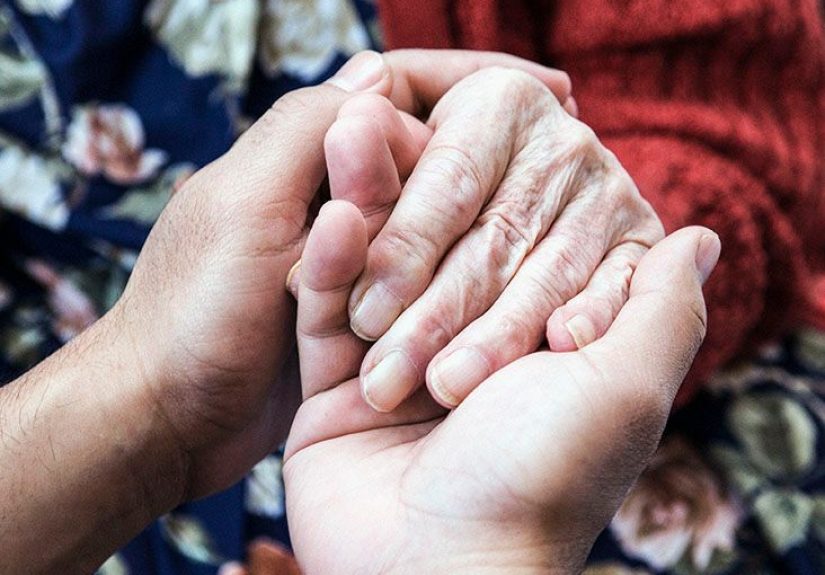
- Gentle touch like hand-holding, a light massage to shoulders or feet, or brushing their hair
You might feel silly talking to someone who rarely answers, but their brain may still register
tone, rhythm, and emotion, even when words no longer do.
Eating, drinking, and weight loss: what’s normal at the end of life?
One of the most distressing changes for families is when a loved one with end-stage dementia
loses interest in food or has trouble swallowing. Our instincts scream, “If they eat, they’ll get
stronger!”but in advanced dementia, the body is gradually winding down and often no longer
processes food in the same way.
Comfort feeding vs. “pushing” food
Many palliative care and dementia experts recommend a “comfort feeding only” approach:
- Offer small sips or bites when the person seems awake and receptive.
- Stop if they cough, choke, turn their head away, or fall asleep.
- Focus on favorite flavors and soft foodsthink pudding, yogurt, mashed potatoes, or ice cream rather than big meals.
This approach supports pleasure and comfort without forcing the body to take in more than it can
safely handle. For many people, forcing food or fluids can increase discomfort or the risk of
aspiration pneumonia.
Feeding tubes in advanced dementia
In people with advanced dementia, feeding tubes have not been shown to improve survival, prevent
aspiration pneumonia, or enhance quality of life. Instead, they can introduce new complications
like infections, restraints to prevent pulling at the tube, and hospital stays. For this reason,
many guidelines favor careful hand feeding for comfort over feeding tubes in end-stage dementia.
Treatment options and symptom management
In end-stage dementia, many “memory medicines” and preventive drugs (like some cholesterol or
osteoporosis medications) are often re-evaluated. The priority becomes comfort, not long-term risk
reduction.
Medications that may be reduced or stopped
The health care team may suggest tapering or stopping:
- Cognitive enhancers (like cholinesterase inhibitors) that no longer provide meaningful benefit
- Non-essential vitamins or supplements
- Preventive drugs whose benefits would only appear years down the road
Always talk with the prescribing provider before changing or stopping any medication. The goal
isn’t “giving up,” but simplifying the regimen to focus on comfort and reducing side effects.
Symptom relief: what palliative care can do
A palliative care or hospice team can help manage:
- Pain: Using careful dosing of acetaminophen, opioids, or other medications when needed
- Shortness of breath: Oxygen, positioning, or low-dose medications
- Agitation and anxiety: Calm environments, routine, and, when appropriate, medications
- Insomnia or restlessness: Non-drug strategies first, with medicines as a backup
Palliative care teams also spend time explaining what to expect in the final stages and helping
families weigh options in line with the person’s values and prior wishes.
Planning ahead: decisions, paperwork, and hard conversations
Ideally, decisions about end-stage dementia care happen long before you get to this point. But even
late in the journey, it’s not too late to clarify what matters most.
Advance care planning basics
Key documents and discussions include:
- Health care proxy or medical power of attorney: Naming the person who can make medical decisions if the patient can’t.
- Advance directive or living will: Outlining preferences about life-sustaining treatments such as CPR or feeding tubes.
- POLST/MOLST forms (where available): Medical orders that translate those preferences into specific instructions for emergency responders and hospitals.
If you’re unsure how to start these conversations, ask the palliative care team, social worker, or
hospice nurse. Many health systems and dementia organizations offer worksheets and conversation
guides to help.
Talking with the medical team
A few useful questions to ask:
- “What changes should we expect in the next weeks or months?”
- “How will we keep them comfortable if they develop more pain or trouble breathing?”
- “When should we consider hospice?”
- “What symptoms mean we should call you right away?”
You do not have to remember every detail. It’s perfectly fine to take notes, ask the same
questions more than once, or bring another family member to appointments.
Taking care of yourself as a caregiver
Let’s be clear: caring for someone with end-stage dementia is a marathon you never signed up for,
not a quick jog around the block. Caregivers face higher rates of anxiety, depression, sleep
problems, and chronic health issues. Taking care of yourself is not selfish; it’s part of the care plan.
Helpful strategies include:
- Using respite care, adult day programs, or in-home aides when available
- Joining caregiver support groupsonline or in personto swap stories and practical tips
- Seeing your own doctor regularly and mentioning your caregiver role
- Setting realistic expectations: you are a human, not a 24/7 superhero
Many hospice programs also offer counseling, spiritual care, and bereavement support that continues
after your loved one dies. Take them up on it. You do not have to carry the emotional load alone.
Lived experiences: what end-stage dementia care feels like
Medical facts are helpful, but they don’t capture what 3 a.m. feels like when you’re watching a
loved one breathe, wondering if this is “it,” and running on four hours of sleep and lukewarm coffee.
The lived experience of end-stage dementia care is messy, tender, exhausting, and sometimes surprisingly
beautiful.
Imagine a daughter, Maria, caring for her mother, Elena, who has advanced Alzheimer’s disease. At
first, Maria focused on doing everything “right”: perfect meals, meticulous repositioning schedules,
and detailed logs of every medication dose. Over time, she realized that her mother responded less
to the checklist and more to the moments between the tasksa favorite bolero song playing softly,
the scent of lavender oil during a gentle hand massage, the way Elena’s face relaxed when the room
was quiet and dim instead of bright and busy.
A hospice nurse helped Maria shift from “How do I keep Mom going?” to “How do I keep Mom
comfortable?” That meant accepting that Elena would eat three spoonfuls of pudding instead of a
full meal, and that this was okay. It meant using medication to ease pain and shortness of breath,
instead of worrying that every pill might “speed things up.” It meant understanding that more
hospital trips didn’t necessarily mean better carein fact, staying home with symptom relief often
created a calmer, more peaceful environment.
Caregivers often describe a few key lessons from this stage:
- Tiny comforts add up. A soft blanket from home, warm socks, or the dog at the foot of the bed can make the room feel safer and more familiar.
- Silence isn’t emptiness. Even when conversation stops, presence still matters. Sitting quietly, holding a hand, or simply being in the room is its own form of care.
- Permission to let go is powerful. Families sometimes tell their loved one, “We’ll be okay. You can rest now.” This doesn’t cause death, but it can ease emotional tension for everyone.
- Grief starts early. Many caregivers grieve “little losses” for yearslost conversations, shared jokes, or traditionslong before the final goodbye. Recognizing this as real grief can make it easier to seek support.
Maria also learned that caring for herself wasn’t a betrayal of her mother. Saying yes to a friend
who offered to sit with Elena for an afternoon so she could nap or walk outside actually made her
more patient and present later. Accepting help didn’t mean she loved her mother any less; it meant
she was trying to survive a very human, very difficult season.
If you’re in this phase now, you’re likely doing far more right than you realize. End-stage dementia
care is rarely tidy. Some days, “success” is getting through without a crisis. Other days, it’s a
shared smile, a relaxed breath, or a peaceful afternoon nap. These small victories are worth noticing.
Conclusion
End-stage dementia is one of the hardest chapters a family can face. While you can’t change the
diagnosis, you can shape how this time feels: more comfort, less suffering; more connection, less
frantic scrambling. Focusing on palliative and hospice care, realistic treatment goals, comfort
feeding, and emotional support for everyone involved can help you navigate this stage with compassion
and clarity.
You don’t have to do it alone. Lean on the professionals, the friends who bring food, the support
group that “gets it,” and the simple routines that bring your loved one peace. End-stage dementia is
about more than how life endsit’s also about how you live and love in the time that remains.
meta_title: End Stage Dementia Care, Treatment & Support
meta_description: Learn what to expect in end stage dementia, from symptoms and treatment to hospice, comfort care, and caregiver support, so you’re not facing it alone.
sapo: End-stage dementia is medically complex and emotionally overwhelming, but you don’t have to navigate it in the dark. This in-depth guide explains what “late-stage” really means, which symptoms and complications to expect, and how palliative care and hospice can keep your loved one as comfortable as possible. You’ll learn practical day-to-day tips for feeding, positioning, skin care, and communication; how to think about treatment choices and advance care planning; and what real caregivers say about the final phase of the dementia journey. Whether you’re just starting to ask hard questions or already deep into 24/7 care, this article offers clear information, concrete examples, and compassionate perspective to help you focus on what matters most: comfort, dignity, and connection.
keywords: end stage dementia, late-stage dementia, dementia care, dementia treatment options, palliative care, hospice for dementia, caregiver support